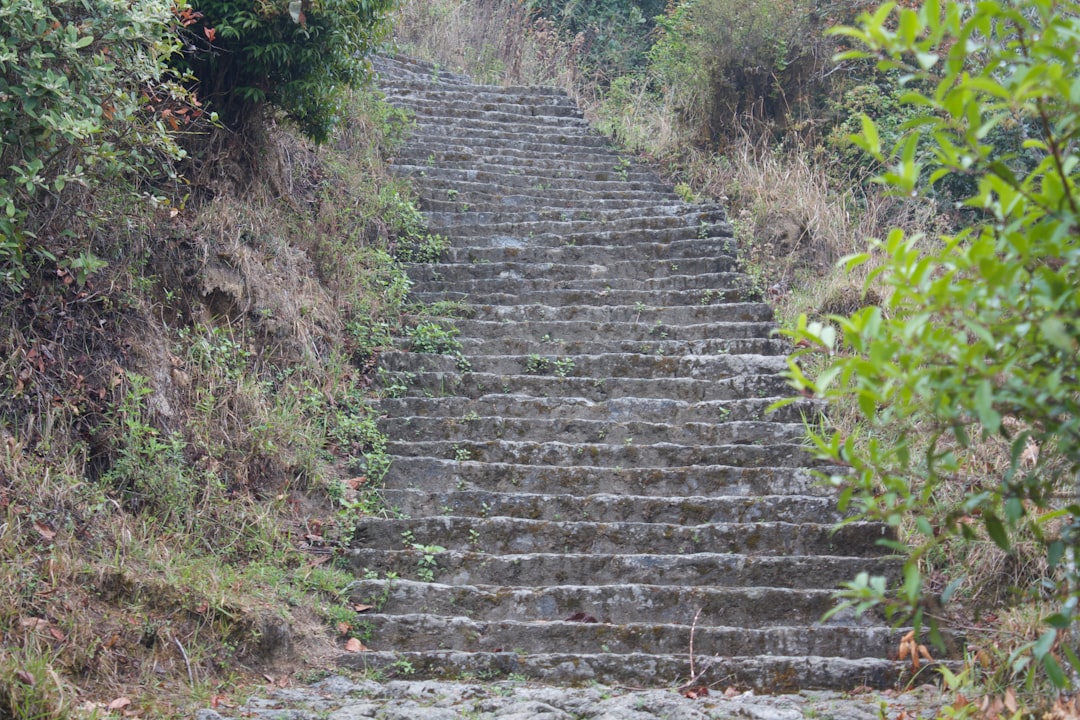
Navigating stairs can become a more deliberate act as you age. While the ease of youth might fade, the ability to climb stairs efficiently and safely remains crucial for maintaining independence and accessing various environments. This guide offers practical advice and techniques for individuals over 60 aiming to improve their stair climbing capabilities.
As you mature, several physiological changes can influence your ability to climb stairs. Recognizing these, and their potential effects, is the first step toward effective mitigation and improvement. Think of your body as a complex machine; understanding its maintenance needs is vital for optimal performance.
Decreased Muscle Mass and Strength (Sarcopenia)
Sarcopenia, the age-related loss of muscle mass and strength, is a significant factor. Your quadriceps, hamstrings, and gluteal muscles are the primary movers in stair climbing. As these muscles diminish, the effort required to lift your body weight increases. Imagine a car running on fewer cylinders; it still moves, but with reduced power and greater strain.
- Impact: Reduced power output for lifting the body, increased perceived exertion, greater risk of fatigue.
- Muscles Affected: Primarily lower body muscles (quadriceps, hamstrings, glutes, calf muscles).
- Consequences: Difficulty with single-leg stance, reduced step height, reliance on handrails.
Reduced Balance and Proprioception
Your sense of balance, or equilibrium, often declines with age. Proprioception, your body’s awareness of its position in space, also tends to diminish. These two factors are critical for stair climbing, as each step involves a momentary single-leg stance. Without robust balance, you become a ship on choppy waters, easily swayed.
- Impact: Increased risk of falls, hesitation, slower ascent/descent.
- Underlying Causes: Changes in inner ear function, nerve endings, and brain processing.
- Consequences: Shuffled gait, avoidance of stairs, reliance on visual cues.
Joint Stiffness and Arthritis
Degenerative joint disease, such as osteoarthritis, is more prevalent in older adults. Stiff or painful knees and hips can make the repetitive bending and weight-bearing of stair climbing uncomfortable or even prohibitive. Consider stiff joints as rusty hinges; they can still move, but with effort and often a complaint.
- Impact: Pain, limited range of motion, altered biomechanics.
- Commonly Affected Joints: Knees and hips.
- Management Implications: Pain management, adapted techniques.
Cardiovascular Endurance
Stair climbing is a cardiovascular activity. Your heart and lungs must work efficiently to supply oxygen to your working muscles. A decline in cardiovascular endurance means you might experience breathlessness or fatigue more quickly. Your cardiovascular system is the engine; if it’s less efficient, the overall performance suffers.
- Impact: Shortness of breath, quicker onset of fatigue, perceived exertion.
- Contributing Factors: Reduced cardiac output, decreased lung capacity.
- Improvement Strategies: Regular aerobic exercise.
For seniors looking to enhance their stair climbing abilities, it’s essential to incorporate specific exercises and strategies into their routine. A related article that offers valuable insights on this topic can be found at Explore Senior Health. This resource provides practical tips and guidance tailored for individuals over 60, helping them build strength, balance, and confidence while navigating stairs safely.
Tailoring Exercise Regimes for Stair Climbing Prowess
Improving your stair climbing ability requires a targeted approach to physical activity. You need to build strength, enhance balance, and improve endurance. Think of this as constructing a building; each component, from the foundation to the roof, serves a vital purpose.
Strength Training: Building the Pillars of Support
Focus on exercises that mimic the movements of stair climbing and strengthen the key muscle groups. Aim for functional strength that translates directly to daily activities.
- Bodyweight Exercises:
- Squats: Stand with feet shoulder-width apart, lower your hips as if sitting in a chair, keeping your back straight. This strengthens quadriceps, hamstrings, and glutes. Start with partial squats and gradually increase depth. Aim for 2-3 sets of 8-12 repetitions.
- Lunges: Step forward with one leg, lowering your hips until both knees are bent at approximately 90-degree angles. This works each leg independently, mimicking the single-leg demands of stair climbing. Perform 2-3 sets of 8-10 repetitions per leg.
- Calf Raises: Stand and lift onto the balls of your feet, then slowly lower. This strengthens the calf muscles, crucial for pushing off each step. Do 2-3 sets of 10-15 repetitions.
- Glute Bridges: Lie on your back with knees bent and feet flat on the floor. Lift your hips toward the ceiling, engaging your glutes. This strengthens the posterior chain, vital for leg drive. 2-3 sets of 10-15 repetitions.
- Resistance Training (with weights or bands): If comfortable, incorporating light weights can further enhance strength. Examples include leg presses, leg extensions, and hamstring curls. Always start with light resistance and prioritize proper form over heavy lifting. Consult a professional for guidance on weights.
Balance Training: Steadying Your Gaze
Enhanced balance reduces the risk of falls and makes stair climbing feel more secure. Incorporate exercises that challenge your stability.
- Single-Leg Stance: Stand on one leg, holding onto a stable support initially. Gradually increase the duration you can hold it without support. Aim for 30-60 seconds on each leg. This directly mimics the momentary single-leg support during stair climbing.
- Heel-to-Toe Walk (Tandem Walk): Walk with the heel of one foot directly in front of the toes of the other foot, like walking on a tightrope. This challenges dynamic balance.
- Tai Chi or Yoga: These practices are excellent for improving balance, flexibility, and body awareness through slow, controlled movements.
Cardiovascular Endurance: Fuelling the Ascent
Regular aerobic exercise improves your heart and lung efficiency, making sustained efforts like climbing multiple flights of stairs less taxing.
- Walking: Brisk walking for 30 minutes, most days of the week, is an excellent starting point.
- Cycling (stationary or outdoor): A low-impact option that strengthens leg muscles and improves cardiovascular health.
- Swimming/Water Aerobics: Provides full-body exercise with minimal impact on joints.
- Stair Stepper Machine: If accessible, this machine directly replicates the action of stair climbing in a controlled environment. Start with short durations and gradually increase time and intensity.
Optimizing Technique and Utilizing Aids
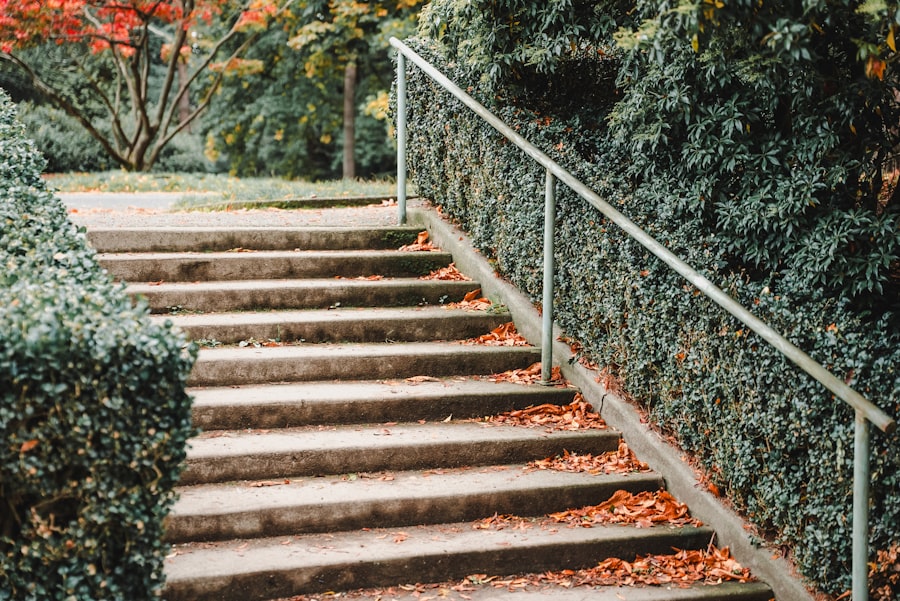
Beyond physical conditioning, how you approach stair climbing and what tools you use can significantly impact your ease and safety. This is about working smarter, not just harder.
Proper Body Mechanics: The Art of the Ascent
Small adjustments in your technique can make a big difference in reducing strain and increasing efficiency.
- Engage Core Muscles: Before stepping, gently contract your abdominal muscles. This stabilizes your trunk and helps transfer power from your lower body. Think of your core as a stable foundation for movement.
- Use Your Glutes and Quads: Focus on pushing off with your heel and midfoot, engaging your glutes and quadriceps, rather than just pulling yourself up with your arms. Your legs are the primary movers; let them do the work.
- Maintain an Upright Posture: Avoid excessive leaning forward or backward. Keep your head up and gaze forward, not down at your feet. This helps maintain balance and minimizes strain on your back.
- Step by Step (Ascending): For easier ascent, especially initially, place both feet on each step before moving to the next. As your strength improves, you can alternate feet.
- Controlled Descent: Descending stairs can sometimes be more challenging than ascending. Focus on controlled lower, bending your knees slightly to absorb the impact. Again, using both feet on each step can provide greater stability.
Handrail Utilization: Your Steadying Companion
Handrails are not just for emergencies; they are valuable tools for stability and support.
- Active Support: Don’t just lightly touch the handrail; grip it firmly. Use it to provide slight assistance in lifting yourself or to maintain balance. Think of it as a low-power assistive device.
- Alternating Hands (where possible): If there are handrails on both sides, consider using them simultaneously for maximum stability. Otherwise, alternate which hand you use on single handrails for varied support.
- Forward Planning: Always look ahead to ensure a handrail is available and unobstructed before you start climbing.
Footwear Choices: The Foundation of Stability
Your shoes play a critical role in providing stability and preventing slips.
- Supportive and Well-Fitting: Choose shoes that fit snugly, offer good arch support, and have a non-slip sole. Avoid loose slippers, high heels, or shoes with slick bottoms. Your shoes are your interface with the ground; ensure it’s a good one.
- Closed-Toe and Low Heel: These types of shoes provide greater stability and reduce the risk of tripping.
Environmental Modifications and Assistive Devices
Sometimes, improving your stair climbing isn’t just about changing yourself; it’s about altering your surroundings or using external aids. Consider these modifications as tuning your environment to better suit your needs.
Ensuring Safe Stair Environments: A Proactive Approach
Many falls occur due to environmental hazards. Addressing these can significantly improve safety.
- Adequate Lighting: Ensure stairs are well-lit, day and night. Shadows can obscure steps and create an illusion of unevenness. Think of good lighting as revealing the path ahead clearly.
- Clutter-Free Steps: Keep stairs clear of shoes, rugs, boxes, or any other items that could pose a tripping hazard. Your staircase should be a clear thoroughfare, not a storage space.
- Secure Handrails: Regularly check that handrails are firmly attached and extend the full length of the stairs.
- Non-Slip Treads: Consider applying non-slip strips or coatings to stairs, especially if they are smooth wood or tile.
- Contrasting Edges: If possible, consider marking individual step edges with a contrasting color to improve visibility, particularly for individuals with impaired vision.
Assistive Aids: Extending Your Capabilities
When physical improvements alone are insufficient, various aids can provide crucial support.
- Walking Canes or Poles: These provide an additional point of contact and support, enhancing stability. A cane can act as a third leg, spreading your weight and aiding balance.
- Stairlifts: For individuals with significant mobility limitations, a stairlift can provide a safe and effortless way to navigate stairs at home. This is the ultimate environmental modification, essentially removing the climbing challenge.
- Home Modifications (beyond stairlifts): In some cases, relocating essential living spaces to a single floor or installing ramps (where feasible) might be long-term considerations.
As we age, maintaining mobility becomes increasingly important, and improving stair climbing after 60 can significantly enhance overall quality of life. Engaging in regular strength training and balance exercises can help build the necessary muscle and coordination for tackling stairs with confidence. For more tips on enhancing mobility and staying active in your golden years, you might find this article on senior health particularly helpful. You can read it here.
The Role of Psychological Factors and Professional Guidance
| Metric | Recommended Activity | Frequency | Expected Improvement | Notes |
|---|---|---|---|---|
| Leg Strength | Squats and Lunges | 3 times per week | Increase in muscle power by 15-20% | Use body weight or light weights initially |
| Balance | Single-leg stands and Tai Chi | Daily, 10 minutes | Improved stability and reduced fall risk by 30% | Hold onto a chair if needed |
| Cardiovascular Endurance | Brisk walking or cycling | 5 times per week, 30 minutes | Enhanced stamina for stair climbing by 25% | Maintain moderate intensity |
| Flexibility | Hamstring and calf stretches | Daily, 5-10 minutes | Improved range of motion by 10-15% | Perform gently to avoid injury |
| Stair Climbing Practice | Climb stairs at a comfortable pace | 3-4 times per week, 10-15 minutes | Increased efficiency and confidence | Use handrails if necessary |
Your mindset and access to professional advice are just as vital as your physical training. Fear, for instance, can be a greater impediment than physical limitations.
Overcoming Fear of Falling: A Mental Ascent
Fear of falling can lead to avoidance and a decline in physical activity, creating a vicious cycle. Addressing this fear is crucial.
- Gradual Exposure: Start by practicing on a single step or a short set of stairs, perhaps with someone spotting you. Gradually increase the number of steps and the challenge. Baby steps, quite literally, can rebuild confidence.
- Visualization: Mentally rehearse successfully climbing stairs. This can prime your brain for the physical act.
- Mindfulness: Focus on the sensation of each step, the grip of your shoes, and the support of the handrail. This present-moment awareness can reduce anxiety.
- Building Confidence Through Action: As you regain strength and balance, your confidence will naturally grow. Each successful ascent is a small victory.
Consulting Healthcare Professionals: Your Expert Navigators
Never hesitate to seek professional guidance, especially if you experience pain, dizziness, or significant weakness.
- Medical Doctor: Discuss any underlying health conditions that might affect your stair climbing, such as arthritis, heart conditions, or balance disorders. Your doctor can assess your overall health and provide medical clearance for exercise.
- Physical Therapist: A physical therapist (PT) can create a personalized exercise program tailored to your specific needs, limitations, and goals. They can also teach proper technique, provide hands-on guidance, and recommend assistive devices. Think of a PT as a skilled architect, designing a plan specifically for your body’s structure.
- Occupational Therapist: An occupational therapist (OT) can assess your home environment and recommend practical modifications to make stair climbing safer and easier, including home adaptations and equipment suggestions. An OT can help you adjust your interaction with your environment.
- Certified Personal Trainer: A personal trainer with experience in working with older adults can provide supervised exercise and motivation, ensuring proper form and progression.
Improving your stair climbing ability after 60 is a journey of continuous improvement, combining physical training, mindful technique, and environmental awareness. By understanding the changes your body undergoes, adopting a targeted exercise regime, optimizing your approach, and leveraging professional advice, you can confidently and safely navigate the vertical world around you. Your independence is not just about moving forward, but also about moving upward, and this guide provides the blueprint for that ascent.
WATCH NOW ▶️ STOP Working Out: The 3-Step “Kitchen Protocol” to Rebuild Muscle After 60
FAQs
1. Why is stair climbing more challenging after the age of 60?
As people age, muscle strength, joint flexibility, and cardiovascular endurance often decline, making activities like stair climbing more difficult. Additionally, balance and coordination may decrease, increasing the risk of falls.
2. What types of exercises can help improve stair climbing ability after 60?
Strength training exercises focusing on the legs, such as squats and lunges, along with balance exercises and cardiovascular activities like walking or cycling, can enhance muscle strength, endurance, and stability needed for stair climbing.
3. How often should someone over 60 practice stair climbing or related exercises?
It is generally recommended to engage in strength and balance exercises at least 2-3 times per week, with cardiovascular activities like stair climbing or walking performed most days of the week, depending on individual fitness levels and health conditions.
4. Are there any precautions to take when improving stair climbing ability after 60?
Yes, it is important to start slowly, use handrails for support, wear appropriate footwear, and consult a healthcare provider before beginning any new exercise program, especially if there are existing health concerns or mobility issues.
5. Can improving stair climbing ability after 60 help with overall health?
Absolutely. Enhancing stair climbing ability can improve cardiovascular health, muscle strength, balance, and mobility, which contribute to greater independence and reduced risk of falls and injuries in older adults.