Fatty liver disease, also known as hepatic steatosis, is a condition characterized by the accumulation of excess fat in liver cells. This condition can arise from various factors, including obesity, excessive alcohol consumption, and certain medications. As you navigate your health journey, understanding fatty liver disease is crucial, especially if you or someone you know has been diagnosed with it.
The liver plays a vital role in your body, processing nutrients, detoxifying harmful substances, and producing bile for digestion. When fat builds up in the liver, it can lead to inflammation, scarring, and even more severe liver diseases such as cirrhosis or liver cancer. The prevalence of fatty liver disease has been on the rise, particularly in developed countries where lifestyle choices often contribute to its development.
You may find that dietary habits, sedentary lifestyles, and increasing rates of obesity are significant contributors to this condition. Recognizing the importance of a balanced diet and healthy lifestyle choices is essential for managing and potentially reversing fatty liver disease. In this article, we will explore the role of fruit in a healthy diet, particularly focusing on how whole fruits can be beneficial for those dealing with fatty liver disease.
Key Takeaways
- Fatty liver disease is a condition characterized by the accumulation of fat in the liver, which can lead to liver damage and other health issues.
- Fruit plays a crucial role in a healthy diet, providing essential nutrients, fiber, and antioxidants that support overall health and well-being.
- Whole fruit offers a range of nutritional benefits, including vitamins, minerals, and fiber, which can help support liver health and reduce the risk of fatty liver disease.
- Excessive sugar consumption, particularly from added sugars, can contribute to the development and progression of fatty liver disease.
- The consumption of fructose, especially in the form of high-fructose corn syrup, has been linked to an increased risk of fatty liver disease and should be limited in the diet.
The Role of Fruit in a Healthy Diet
Fruits are an integral part of a balanced diet, providing essential vitamins, minerals, and antioxidants that support overall health. When you include a variety of fruits in your meals, you not only enhance the flavor of your dishes but also boost their nutritional value. Fruits are typically low in calories and high in fiber, making them an excellent choice for maintaining a healthy weight—an important factor in managing fatty liver disease.
The fiber found in fruits helps regulate digestion and can aid in controlling blood sugar levels, which is particularly beneficial for individuals with fatty liver. Moreover, fruits are rich in phytochemicals and antioxidants that combat oxidative stress and inflammation in the body. These compounds can help protect your liver from damage and support its function.
As you consider your dietary choices, remember that fruits can be both delicious and nutritious, making them an essential component of a healthy lifestyle.
Understanding Whole Fruit and its Nutritional Benefits
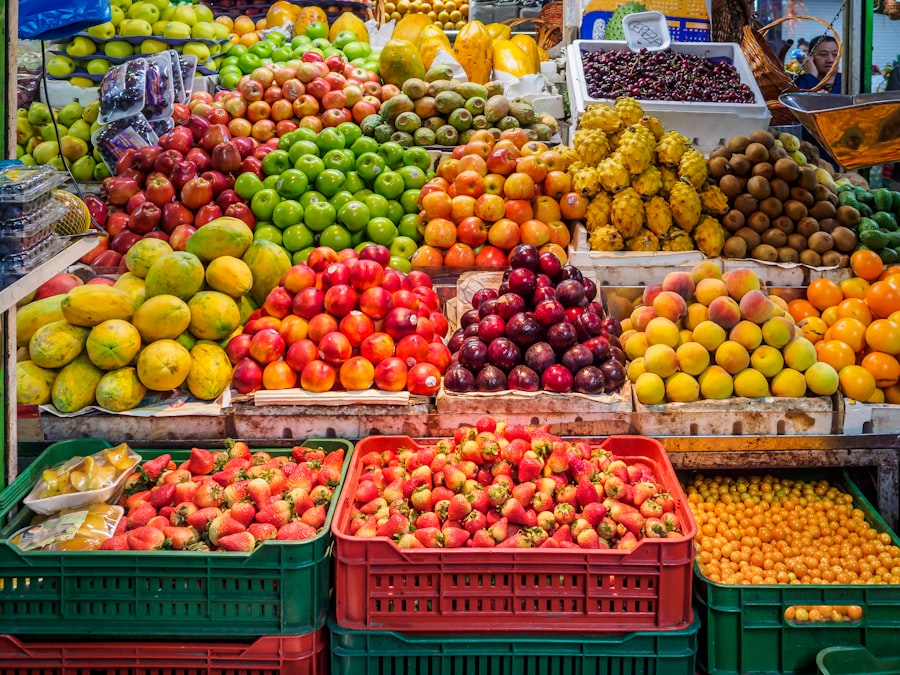
Whole fruits are those that are consumed in their natural state without any processing or added sugars. When you choose whole fruits over fruit juices or processed fruit products, you benefit from their complete nutritional profile. Whole fruits retain their fiber content, which is often lost during processing.
Additionally, whole fruits provide a range of vitamins and minerals that are vital for maintaining good health. The nutritional benefits of whole fruits extend beyond just vitamins and minerals.
They are also packed with water content, which helps keep you hydrated. This is particularly important for liver health, as proper hydration supports the liver’s detoxification processes. Furthermore, whole fruits contain natural sugars that are accompanied by fiber and other nutrients, allowing for a slower release of sugar into your bloodstream compared to processed sugars.
This slow release helps maintain stable blood sugar levels, which is crucial for individuals managing fatty liver disease.
The Relationship Between Sugar and Fatty Liver
| Study | Findings |
|---|---|
| Study 1 | High sugar intake is associated with increased risk of fatty liver disease. |
| Study 2 | Excessive fructose consumption can lead to non-alcoholic fatty liver disease. |
| Study 3 | Added sugars, especially in the form of sugary beverages, are linked to fatty liver development. |
Sugar consumption has been linked to various health issues, including obesity and metabolic syndrome, both of which are risk factors for fatty liver disease. When you consume excessive amounts of sugar—especially refined sugars found in processed foods—it can lead to increased fat accumulation in the liver. This is because the liver converts excess sugar into fat through a process called de novo lipogenesis.
As you become more aware of your sugar intake, it’s essential to differentiate between added sugars and naturally occurring sugars found in whole fruits. While it’s important to limit added sugars in your diet, naturally occurring sugars in whole fruits come with beneficial nutrients that can support your health. The fiber in whole fruits helps mitigate the impact of sugar on your blood glucose levels, making them a healthier choice compared to sugary snacks or desserts.
By focusing on whole fruits rather than processed foods high in added sugars, you can enjoy the sweetness of fruit while also promoting better liver health.
The Impact of Fructose on Fatty Liver
Fructose is a type of sugar found naturally in fruits but is also prevalent in many processed foods as high-fructose corn syrup. While consuming fructose from whole fruits is generally safe and beneficial due to the accompanying fiber and nutrients, excessive intake of fructose from processed sources can have detrimental effects on your liver health. When fructose is consumed in large amounts, it is metabolized primarily by the liver, leading to increased fat production and potential fat accumulation within liver cells.
As you consider your dietary choices, it’s crucial to be mindful of the sources of fructose you consume. Whole fruits provide fructose along with essential vitamins and minerals that support overall health; however, processed foods laden with high-fructose corn syrup can contribute to fatty liver disease when consumed excessively. Striking a balance between enjoying whole fruits and avoiding processed foods high in fructose is key to maintaining a healthy liver.
The Importance of Portion Control

While whole fruits offer numerous health benefits, portion control remains an essential aspect of managing your diet—especially when dealing with fatty liver disease. Even though fruits are nutritious, they still contain calories and natural sugars that can add up if consumed in large quantities. Being mindful of portion sizes can help you enjoy the benefits of fruit without overloading on sugars or calories that could hinder your progress toward better liver health.
To practice portion control effectively, consider using visual cues or measuring out servings when enjoying fruit. For example, a medium-sized piece of fruit or a half-cup of berries can be an appropriate serving size. By being aware of how much fruit you consume at one time, you can better manage your overall caloric intake while still reaping the nutritional rewards that fruits offer.
Choosing the Right Types of Fruit for Fatty Liver
Not all fruits are created equal when it comes to their impact on fatty liver disease. Some fruits have higher sugar content than others, which may not be ideal for those managing this condition. As you make choices about which fruits to include in your diet, consider opting for those that are lower in sugar and higher in fiber.
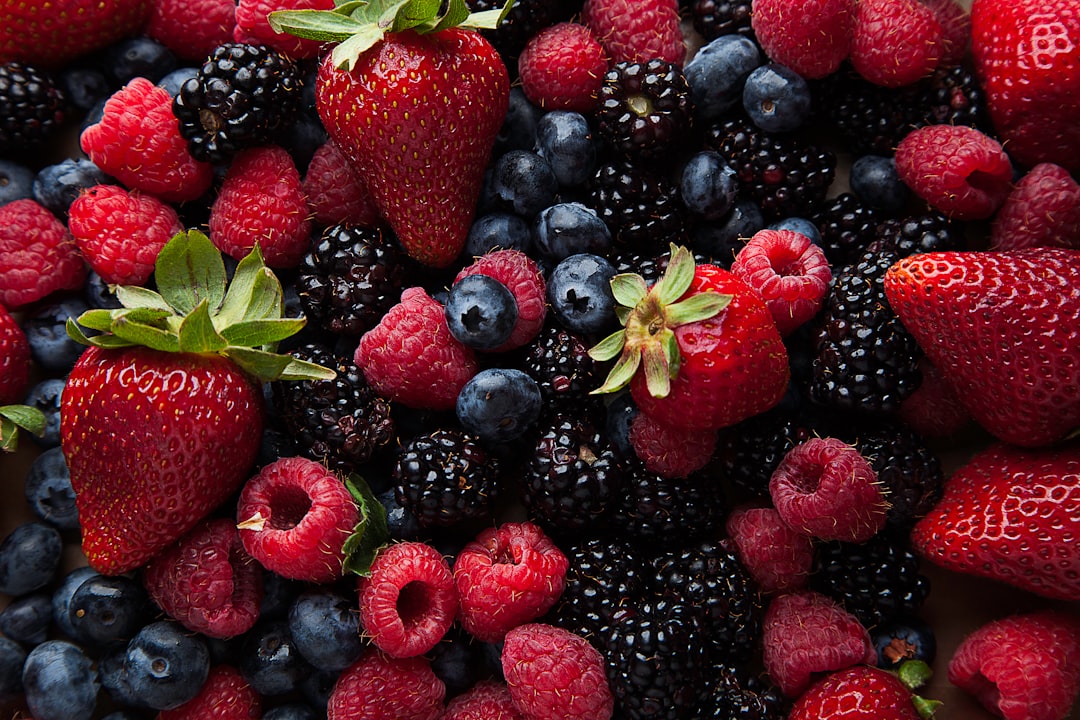
Berries—such as strawberries, blueberries, and raspberries—are excellent options due to their low glycemic index and high antioxidant content. Citrus fruits like oranges and grapefruits are also beneficial choices because they are rich in vitamin C and other nutrients that support liver health. Apples are another great option; they contain pectin, a type of soluble fiber that may help reduce fat accumulation in the liver.
By focusing on these types of fruits while limiting those that are higher in sugar—such as bananas or grapes—you can create a fruit selection that aligns with your health goals.
Incorporating Whole Fruit into a Balanced Diet for Fatty Liver
Incorporating whole fruit into your daily meals can be both enjoyable and beneficial for managing fatty liver disease. You might consider adding fruit to your breakfast by including berries or sliced bananas in your oatmeal or yogurt. For lunch or dinner, salads topped with citrus segments or apple slices can add flavor and nutrition while keeping your meals interesting.
Snacking on whole fruits is another excellent way to ensure you’re getting enough nutrients throughout the day. Instead of reaching for processed snacks high in sugar or unhealthy fats, grab an apple or a handful of berries to satisfy your cravings while supporting your liver health. Smoothies made with whole fruits can also be a delicious way to pack in nutrients while keeping your calorie intake balanced.
Potential Risks and Considerations for Whole Fruit Consumption with Fatty Liver
While whole fruits offer numerous health benefits, it’s essential to be aware of potential risks associated with their consumption when managing fatty liver disease. One consideration is the overall carbohydrate intake from fruit consumption; even though the sugars found in fruit are natural, they still contribute to your total carbohydrate count for the day. If you’re following a specific dietary plan or have been advised by a healthcare professional to limit carbohydrates, it’s crucial to monitor how much fruit you’re consuming.
Additionally, some individuals may experience digestive discomfort when consuming large amounts of fiber from whole fruits. If you’re not accustomed to eating high-fiber foods regularly, it’s advisable to gradually increase your intake to allow your digestive system to adjust. Listening to your body and making adjustments as needed will help ensure that you enjoy the benefits of whole fruit without any adverse effects.
Expert Recommendations and Guidelines for Whole Fruit Consumption with Fatty Liver
Experts recommend incorporating whole fruits into your diet as part of an overall balanced approach to managing fatty liver disease. The American Liver Foundation suggests focusing on nutrient-dense foods while limiting added sugars and unhealthy fats. When it comes to fruit consumption specifically, aim for at least two servings of whole fruit per day as part of a varied diet rich in vegetables, lean proteins, whole grains, and healthy fats.
Consulting with a healthcare professional or registered dietitian can provide personalized guidance tailored to your specific needs and health goals. They can help you determine appropriate portion sizes and suggest specific types of fruit that align with your dietary preferences while supporting liver health.
Making Informed Choices for a Healthy Diet with Fatty Liver
Navigating dietary choices when managing fatty liver disease can be challenging but rewarding when approached thoughtfully. By understanding the role of whole fruit within a balanced diet and recognizing its nutritional benefits, you can make informed decisions that support your health journey. Remember that moderation is key; while whole fruits are nutritious options, being mindful of portion sizes will help you maintain balance.
As you incorporate more whole fruits into your meals and snacks, focus on choosing varieties that are lower in sugar while still providing essential nutrients. By doing so, you’ll not only enjoy the delicious flavors that fruits offer but also take significant steps toward improving your overall health and well-being as you manage fatty liver disease.
When considering dietary choices for managing fatty liver, the consumption of whole fruits often comes into question. Whole fruits are generally considered safe and beneficial due to their high fiber content and essential nutrients, which can aid in liver health. However, it’s important to consume them in moderation, especially for individuals with fatty liver disease, to avoid excessive sugar intake. For more detailed insights on dietary recommendations and the impact of whole fruits on liver health, you can refer to this related article on