
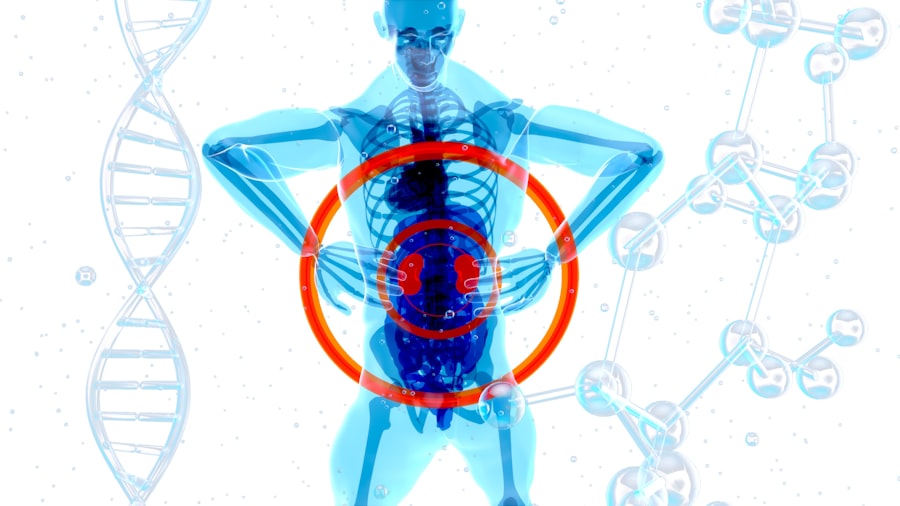
Pain exerts measurable effects on overall health, with kidney function demonstrating a particularly complex relationship. Chronic pain triggers physiological stress responses that can compromise renal health through multiple pathways. During pain episodes, the body increases production of stress hormones, including cortisol, which elevates blood pressure and places additional strain on kidney filtration systems.
This physiological cascade creates particular risks for individuals with existing renal conditions or predisposing factors for kidney disease. The connection between pain and kidney function extends beyond direct hormonal effects. Chronic pain frequently disrupts health maintenance behaviors essential for optimal renal function.
Individuals experiencing persistent discomfort often reduce fluid intake, alter dietary patterns, or decrease physical activity levels. These behavioral changes can impair kidney function through dehydration, electrolyte imbalances, and reduced circulation. Additionally, chronic pain may lead to increased use of pain medications, some of which can cause nephrotoxicity with prolonged use.
Understanding these interconnections enables healthcare providers and patients to develop comprehensive treatment approaches that address both pain control and renal health preservation simultaneously.
Key Takeaways
- Pain can significantly affect kidney function, necessitating careful management strategies.
- Many common pain medications may harm the kidneys, so kidney-friendly alternatives are essential.
- Non-drug approaches like hydration, diet, exercise, and mind-body techniques support pain relief without kidney damage.
- Chronic pain in kidney patients requires integrative, personalized treatment plans developed with nephrologist guidance.
- Proper consultation with a nephrologist ensures safe, effective pain management tailored to individual kidney health needs.
Common Pain Management Options and Their Effects on the Kidneys
When it comes to managing pain, various options are available, but not all are suitable for individuals with kidney concerns. Over-the-counter medications like nonsteroidal anti-inflammatory drugs (NSAIDs) are commonly used for pain relief. However, these medications can pose risks to your kidneys, especially with prolonged use or in higher doses.
If you have existing kidney issues, it’s essential to be cautious with these medications, as they can lead to decreased kidney function over time. On the other hand, opioids are another class of pain management options that may be prescribed for more severe pain. While they can be effective in providing relief, they also come with their own set of risks and side effects.
Opioids can lead to constipation, which is particularly concerning for kidney patients who may already be dealing with other gastrointestinal issues. Understanding the potential effects of these common pain management options on your kidneys is vital for making informed decisions about your treatment plan.
Medication Management for Kidney-Friendly Pain Relief
Finding medication that effectively manages your pain while being gentle on your kidneys is a delicate balance. Your healthcare provider may recommend alternatives to NSAIDs and opioids, such as acetaminophen, which is generally considered safer for kidney health when taken at recommended doses. However, even acetaminophen should be used judiciously, as excessive use can lead to liver damage and indirectly affect kidney function.
In addition to traditional medications, there are also newer options available that may provide relief without compromising kidney health. Certain anticonvulsants and antidepressants have been found effective in managing chronic pain conditions and may offer a dual benefit by addressing both pain and mood disorders. Collaborating closely with your healthcare provider will help you navigate these options and tailor a medication plan that prioritizes your kidney health while effectively managing your pain.
Non-Pharmacological Approaches for Managing Pain in Kidney Patients
Incorporating non-pharmacological approaches into your pain management strategy can be beneficial for both your kidneys and overall well-being. Techniques such as physical therapy, acupuncture, and massage therapy can provide relief without the risks associated with medications. These methods focus on alleviating pain through physical manipulation or alternative therapies, allowing you to manage discomfort while minimizing potential harm to your kidneys.
Additionally, cognitive-behavioral therapy (CBT) can be an effective tool for managing chronic pain. By addressing the psychological aspects of pain, CBT helps you develop coping strategies that can reduce the perception of pain and improve your quality of life. Engaging in these non-pharmacological approaches not only aids in pain management but also empowers you to take an active role in your health journey.
The Importance of Proper Hydration in Kidney-Friendly Pain Management
| Strategy | Description | Effectiveness | Kidney Safety | Notes |
|---|---|---|---|---|
| Acetaminophen (Paracetamol) | Non-opioid analgesic used for mild to moderate pain relief | Moderate | Generally safe when used within recommended doses | Avoid overdose to prevent liver toxicity; monitor kidney function |
| Topical Analgesics | Application of creams or patches containing lidocaine or capsaicin | Moderate for localized pain | Safe, minimal systemic absorption | Useful for neuropathic or musculoskeletal pain |
| Physical Therapy | Exercise and manual therapy to reduce pain and improve function | High for musculoskeletal pain | Safe | Non-pharmacologic, no impact on kidneys |
| Opioids (e.g., tramadol) | Used for moderate to severe pain under medical supervision | High | Use with caution; dose adjustment may be needed in kidney disease | Risk of dependence and side effects; monitor closely |
| Nonsteroidal Anti-Inflammatory Drugs (NSAIDs) | Common pain relievers with anti-inflammatory properties | High for inflammatory pain | Generally avoided in kidney disease due to nephrotoxicity | Use only if benefits outweigh risks and under strict supervision |
| Complementary Therapies (e.g., acupuncture, meditation) | Non-drug approaches to pain management | Variable | Safe | May improve pain perception and quality of life |
Hydration plays a crucial role in maintaining kidney function and managing pain effectively. When you are well-hydrated, your kidneys can filter waste products more efficiently, reducing the risk of complications associated with dehydration. Additionally, proper hydration can help alleviate certain types of pain, such as headaches or muscle cramps, which may be exacerbated by inadequate fluid intake.
For kidney patients, it’s essential to strike a balance between hydration and fluid restrictions that may be necessary due to their condition. Working with a healthcare provider or dietitian can help you determine the right amount of fluid intake for your specific needs. Staying hydrated not only supports kidney function but also enhances your overall ability to cope with pain.
Dietary Considerations for Kidney-Friendly Pain Relief

Your diet plays a significant role in managing both pain and kidney health. Certain foods can help reduce inflammation and provide essential nutrients that support overall well-being. Incorporating anti-inflammatory foods such as fatty fish rich in omega-3 fatty acids, leafy greens, and nuts can be beneficial in managing pain while being mindful of your kidney function.
Conversely, it’s important to limit foods high in sodium and phosphorus, as these can strain your kidneys and exacerbate existing conditions. Processed foods often contain high levels of these substances, so focusing on whole foods can make a significant difference in both pain management and kidney health. Consulting with a registered dietitian who specializes in renal nutrition can provide you with personalized dietary recommendations that align with your pain management goals.
Exercise and Movement as a Tool for Pain Management in Kidney Patients
Engaging in regular physical activity is another effective strategy for managing pain while supporting kidney health. Exercise releases endorphins, which are natural pain relievers that can improve your mood and reduce the perception of pain. Whether it’s walking, swimming, or gentle yoga, finding an activity that you enjoy can make it easier to incorporate movement into your daily routine.
However, it’s essential to approach exercise mindfully if you have kidney concerns. Consulting with a healthcare provider or physical therapist can help you develop a safe exercise plan tailored to your abilities and limitations. By prioritizing movement as part of your pain management strategy, you not only enhance your physical health but also contribute positively to your mental well-being.
Mind-Body Techniques for Kidney-Friendly Pain Management
Mind-body techniques such as meditation, mindfulness, and deep breathing exercises can play a significant role in managing pain while being gentle on your kidneys. These practices help reduce stress and promote relaxation, which can alleviate tension-related pain and improve your overall quality of life. By focusing on the connection between your mind and body, you can develop greater awareness of how stress impacts your pain levels.
Incorporating these techniques into your daily routine doesn’t require extensive time commitments; even short sessions can yield benefits. Consider setting aside a few minutes each day for mindfulness meditation or deep breathing exercises. Over time, these practices can help you cultivate resilience against pain while supporting your kidney health through stress reduction.
Managing Chronic Pain in Kidney Patients
Chronic pain presents unique challenges for individuals with kidney concerns. It’s essential to adopt a comprehensive approach that addresses both the physical and emotional aspects of chronic pain management. Regular communication with your healthcare team is vital for adjusting treatment plans as needed and ensuring that all aspects of your health are considered.
Additionally, support groups or counseling may provide valuable resources for coping with chronic pain. Sharing experiences with others who understand what you’re going through can foster a sense of community and provide practical strategies for managing discomfort. By actively seeking support and utilizing various resources, you empower yourself to navigate the complexities of chronic pain while prioritizing your kidney health.
Integrative Approaches to Pain Management for Kidney Patients
Integrative approaches combine conventional medical treatments with complementary therapies to create a holistic plan for managing pain. This may include combining medication management with acupuncture, massage therapy, or nutritional counseling tailored specifically for kidney patients. By addressing multiple facets of health simultaneously, integrative approaches aim to enhance overall well-being while minimizing risks associated with traditional treatments.
Working closely with a healthcare provider who understands integrative medicine can help you explore these options effectively. Together, you can develop a comprehensive plan that aligns with your individual needs and preferences while ensuring that both pain management and kidney health are prioritized.
Consultation with a Nephrologist for Tailored Pain Management Plans
Consulting with a nephrologist is crucial for developing a tailored pain management plan that considers your unique kidney health needs. A nephrologist specializes in kidney function and can provide insights into how various pain management strategies may impact your renal health. This collaboration ensures that any medications or therapies prescribed are safe and effective for someone with kidney concerns.
During consultations, be open about all aspects of your health history and current medications to facilitate informed decision-making.
By prioritizing this collaboration, you empower yourself to take control of your health journey while effectively managing pain.
For individuals with kidney concerns, managing pain effectively while minimizing potential harm to renal function is crucial. A related article that discusses various kidney-friendly pain management strategies can be found on Explore Senior Health. This resource provides valuable insights into safe pain relief options tailored for those with kidney issues. You can read more about it by visiting Explore Senior Health.
WATCH THIS WARNING: 💊 NSAID Kidney Damage: The Hidden Danger Seniors Don’t Know About
FAQs
What does kidney-friendly pain management mean?
Kidney-friendly pain management refers to strategies and treatments that help relieve pain without causing harm or additional stress to the kidneys. This is especially important for individuals with chronic kidney disease or reduced kidney function.
Why is it important to use kidney-friendly pain management strategies?
Certain pain medications, such as nonsteroidal anti-inflammatory drugs (NSAIDs), can worsen kidney function or cause kidney damage. Using kidney-friendly approaches helps protect kidney health while effectively managing pain.
Which pain medications are considered safer for people with kidney issues?
Acetaminophen (paracetamol) is generally considered safer for people with kidney problems when used at recommended doses. However, it is important to consult a healthcare provider before starting any medication.
Are there non-drug options for managing pain that are kidney-friendly?
Yes, non-drug options such as physical therapy, acupuncture, heat or cold therapy, relaxation techniques, and exercise can help manage pain without affecting kidney function.
Can lifestyle changes help with pain management in kidney disease?
Yes, maintaining a healthy diet, staying hydrated, managing weight, and avoiding activities that exacerbate pain can contribute to better pain control and overall kidney health.
Should people with kidney disease avoid all pain medications?
Not necessarily. Some pain medications can be used safely under medical supervision. It is crucial to work with a healthcare provider to choose appropriate pain management options tailored to individual kidney function.
How can I tell if a pain medication is harming my kidneys?
Signs of kidney problems may include decreased urine output, swelling, fatigue, and changes in blood pressure. Regular monitoring of kidney function through blood tests is important when using pain medications.
Is it safe to use over-the-counter pain relievers if I have kidney disease?
Many over-the-counter pain relievers, especially NSAIDs like ibuprofen and naproxen, can be harmful to the kidneys. Always consult a healthcare professional before using any over-the-counter medication.
Can alternative therapies be part of kidney-friendly pain management?
Yes, some alternative therapies such as massage, meditation, and yoga may help reduce pain and improve quality of life without negatively impacting kidney health.
Who should I consult for kidney-friendly pain management advice?
Consult your nephrologist, primary care physician, or a pain management specialist who understands your kidney condition to develop a safe and effective pain management plan.