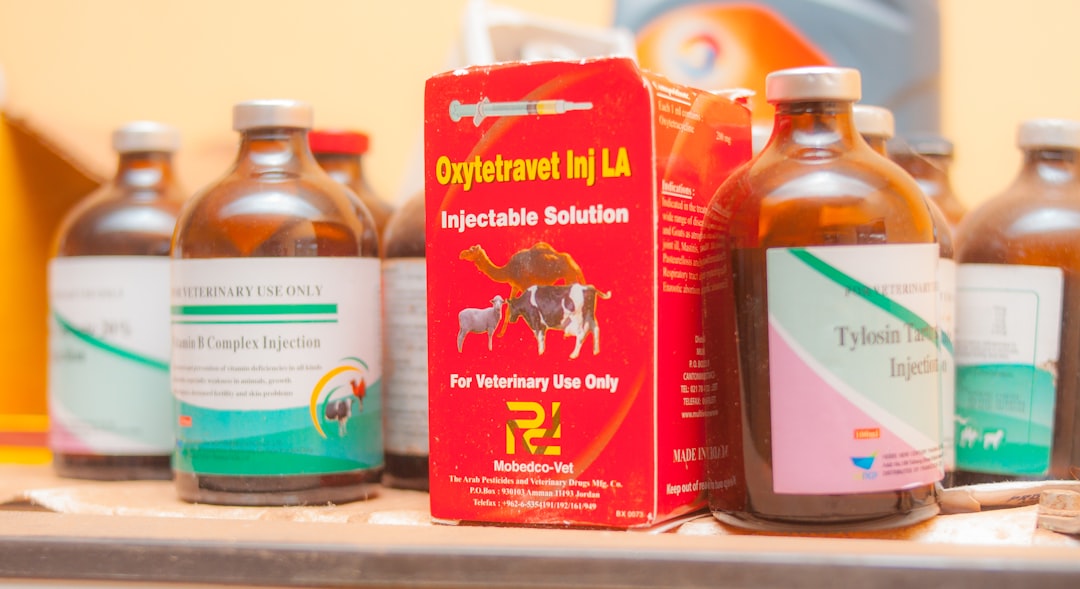
As you age, your body undergoes various changes that can affect how it processes substances, including medications and dietary supplements. For individuals over 50, the liver’s ability to metabolize these substances may decline, increasing the risk of liver damage. This vital organ plays a crucial role in detoxifying harmful substances, producing bile for digestion, and regulating metabolism.
When you take supplements, especially in high doses or without proper guidance, you may inadvertently put your liver at risk. The liver is particularly sensitive to certain compounds found in supplements. As you enter your 50s and beyond, the cumulative effects of years of dietary habits, alcohol consumption, and exposure to environmental toxins can also contribute to liver vulnerability.
Understanding these risks is essential for making informed decisions about your health. By recognizing the potential dangers associated with certain supplements, you can take proactive steps to protect your liver and overall well-being.
Key Takeaways
- Liver damage risk increases in individuals over 50, especially with certain supplements.
- Common supplements linked to liver issues include high doses of vitamins and herbal products.
- Consulting healthcare professionals before starting supplements is crucial for safety.
- Recognizing symptoms like jaundice and fatigue can help detect liver damage early.
- Maintaining a healthy diet and lifestyle supports liver health and reduces supplement-related risks.
Common Supplements Linked to Liver Damage
While many supplements are marketed as health boosters, some have been linked to liver damage, particularly in older adults. For instance, products containing high doses of vitamin A or niacin can be harmful when taken excessively. You might be surprised to learn that herbal supplements like kava, comfrey, and even certain weight-loss products have also been associated with liver toxicity.
These substances can lead to inflammation or even acute liver failure in some cases. Another category of supplements that warrants caution includes those that promise quick weight loss or muscle gain. Many of these products contain unregulated ingredients that can be detrimental to your liver health.
As you consider adding supplements to your routine, it’s crucial to research their safety and efficacy thoroughly. Being aware of the potential risks associated with specific supplements can help you make better choices for your health.
The Importance of Consulting a Healthcare Professional
Before starting any new supplement regimen, consulting a healthcare professional is paramount. Your doctor or a registered dietitian can provide personalized advice based on your medical history, current medications, and overall health status. They can help you determine which supplements may be beneficial for you and which ones to avoid due to potential risks.
Moreover, healthcare professionals can monitor your liver function through blood tests and other assessments. This proactive approach allows for early detection of any issues that may arise from supplement use. By working closely with a healthcare provider, you can ensure that your supplement choices align with your health goals while minimizing the risk of liver damage.
Signs and Symptoms of Liver Damage
| Sign/Symptom | Description | Commonality | Severity Indicator |
|---|---|---|---|
| Jaundice | Yellowing of the skin and eyes due to bilirubin buildup | Common | High |
| Fatigue | Persistent tiredness and weakness | Very Common | Moderate |
| Abdominal Pain | Discomfort or pain in the upper right abdomen | Common | Moderate |
| Swelling (Ascites) | Fluid accumulation in the abdomen causing swelling | Less Common | High |
| Dark Urine | Urine appears darker due to excess bilirubin | Common | Moderate |
| Pale Stools | Light-colored stools due to lack of bile | Common | Moderate |
| Nausea and Vomiting | Feeling sick and vomiting | Common | Moderate |
| Itchy Skin | Persistent itching due to bile salt accumulation | Common | Low to Moderate |
| Easy Bruising | Increased tendency to bruise due to clotting issues | Less Common | High |
| Confusion (Hepatic Encephalopathy) | Mental confusion or altered consciousness | Less Common | Very High |
Recognizing the signs and symptoms of liver damage is crucial for early intervention. You may experience fatigue, jaundice (yellowing of the skin and eyes), abdominal pain, or swelling in the legs and abdomen. Other symptoms can include dark urine, pale stools, and unexplained weight loss.
If you notice any of these signs, it’s essential to seek medical attention promptly. In some cases, liver damage may not present noticeable symptoms until it has progressed significantly. This is why regular check-ups and blood tests are vital, especially for those over 50 who may be at higher risk.
Being vigilant about your health and understanding the potential indicators of liver issues can empower you to take action before more severe complications arise.
Precautions for Over 50s Taking Supplements
As you navigate the world of dietary supplements, taking specific precautions can help safeguard your liver health. First and foremost, always read labels carefully and adhere to recommended dosages. Just because a supplement is available over-the-counter does not mean it is safe for everyone, especially for those over 50.
Additionally, consider keeping a detailed record of all supplements you take, including dosages and any changes in your health status. This information can be invaluable during consultations with healthcare professionals. Furthermore, be cautious about combining multiple supplements or taking them alongside prescription medications without professional guidance.
The interactions between these substances can sometimes lead to adverse effects on your liver.
The Role of Diet and Lifestyle in Liver Health
Your diet and lifestyle choices play a significant role in maintaining liver health as you age. A balanced diet rich in fruits, vegetables, whole grains, lean proteins, and healthy fats can support liver function and overall well-being. Foods high in antioxidants, such as berries and leafy greens, can help combat oxidative stress on the liver.
Engaging in physical activity not only helps manage weight but also promotes better circulation and metabolic health. By adopting a holistic approach that includes both dietary choices and lifestyle habits, you can significantly enhance your liver’s resilience against potential damage.
Alternative Approaches to Supporting Liver Health
If you’re looking for alternative ways to support your liver health beyond traditional supplements, consider exploring natural remedies and lifestyle modifications. Herbal teas like milk thistle have been studied for their potential protective effects on the liver. Incorporating foods rich in omega-3 fatty acids, such as fatty fish or flaxseeds, may also contribute positively to liver function.
Mindfulness practices such as yoga or meditation can help reduce stress levels, which is beneficial for overall health, including liver health. Stress can negatively impact various bodily functions, including digestion and metabolism. By integrating these alternative approaches into your routine, you can create a supportive environment for your liver while enhancing your overall quality of life.
Case Studies: Real-Life Examples of Liver Damage from Supplements
Examining real-life case studies can provide valuable insights into the potential dangers of supplement use among older adults.
These cases often highlight the importance of understanding the ingredients in supplements and their possible side effects.
Another example involves individuals who experienced liver toxicity after using products containing kava or other herbal remedies without proper guidance. These stories serve as cautionary tales that emphasize the need for vigilance when considering supplement use at an older age. By learning from these experiences, you can make more informed decisions about your health and avoid similar pitfalls.
Legal and Regulatory Considerations for Supplement Safety
The supplement industry is often criticized for its lack of stringent regulations compared to pharmaceuticals. While some oversight exists, many products are marketed without rigorous testing for safety or efficacy before reaching consumers like you. This regulatory gap means that it’s essential to be discerning when choosing supplements.
Understanding the legal landscape surrounding dietary supplements can empower you as a consumer. Look for products that have been tested by third-party organizations for quality assurance. Familiarize yourself with reputable brands that prioritize transparency in their ingredient sourcing and manufacturing processes.
By being proactive about supplement safety, you can reduce the risk of adverse effects on your liver and overall health.
Tips for Safely Choosing and Using Supplements
When it comes to safely choosing and using supplements, there are several strategies you can employ to protect your health. Start by conducting thorough research on any supplement you’re considering; look for peer-reviewed studies or credible sources that discuss its benefits and risks. Additionally, consult with healthcare professionals who can provide personalized recommendations based on your unique health profile.
It’s also wise to start with lower doses when trying a new supplement to gauge how your body reacts before increasing the dosage. Keep an eye out for any side effects or changes in your health status during this period. Finally, always prioritize whole foods over supplements whenever possible; a well-rounded diet should be your primary source of nutrients.
Seeking Support and Treatment for Liver Damage
If you suspect that you may be experiencing liver damage due to supplement use or other factors, seeking medical support is crucial. Your healthcare provider can conduct tests to assess liver function and recommend appropriate treatment options if necessary. Early intervention is key to preventing further complications and promoting recovery.
In addition to medical treatment, consider seeking support from groups or organizations focused on liver health. Connecting with others who have faced similar challenges can provide emotional support and valuable resources for managing your condition. Remember that taking proactive steps toward understanding your health is essential for maintaining a healthy liver as you age.
By being informed about the risks associated with supplements and taking a proactive approach to your health, you can significantly reduce the likelihood of liver damage while enjoying the benefits of a well-rounded lifestyle.
When considering the use of dietary supplements, it’s crucial to be aware of their potential effects on liver health, especially for individuals over 50. A related article that discusses the risks associated with certain supplements and their impact on liver function can be found at this link. It provides valuable insights into which supplements may pose a risk and offers guidance on how to make safer choices for maintaining overall health.
FAQs
What types of supplements are known to potentially damage the liver in people over 50?
Certain supplements such as high doses of vitamin A, green tea extract, kava, and anabolic steroids have been associated with liver damage, especially in individuals over 50 who may have decreased liver function or pre-existing liver conditions.
Why are people over 50 more at risk of liver damage from supplements?
As people age, liver function can decline, making it harder for the body to process and eliminate toxins. Additionally, older adults often take multiple medications, increasing the risk of interactions that can exacerbate liver stress or damage.
What are common symptoms of liver damage caused by supplements?
Symptoms may include fatigue, nausea, abdominal pain (especially in the upper right side), jaundice (yellowing of the skin or eyes), dark urine, and unexplained itching. If these symptoms occur, medical evaluation is important.
How can I safely use supplements if I am over 50?
Consult with a healthcare provider before starting any new supplement, especially if you have existing health conditions or take prescription medications. Use supplements at recommended dosages and avoid products with unverified ingredients.
Are natural or herbal supplements always safe for the liver?
No. Natural or herbal supplements can still cause liver damage. For example, kava and certain green tea extracts have been linked to liver toxicity. Always research and consult a healthcare professional before use.
Can liver damage from supplements be reversed?
In some cases, liver damage caused by supplements can be reversed if caught early and the offending supplement is discontinued. However, severe or prolonged damage may lead to permanent liver impairment.
What should I do if I suspect liver damage from a supplement?
Stop taking the supplement immediately and seek medical attention. A healthcare provider can perform tests to assess liver function and recommend appropriate treatment.
Are there safer alternatives to supplements that may harm the liver?
Yes. Focus on obtaining nutrients from a balanced diet rich in fruits, vegetables, whole grains, and lean proteins. If supplements are necessary, choose those with proven safety profiles and use them under medical supervision.