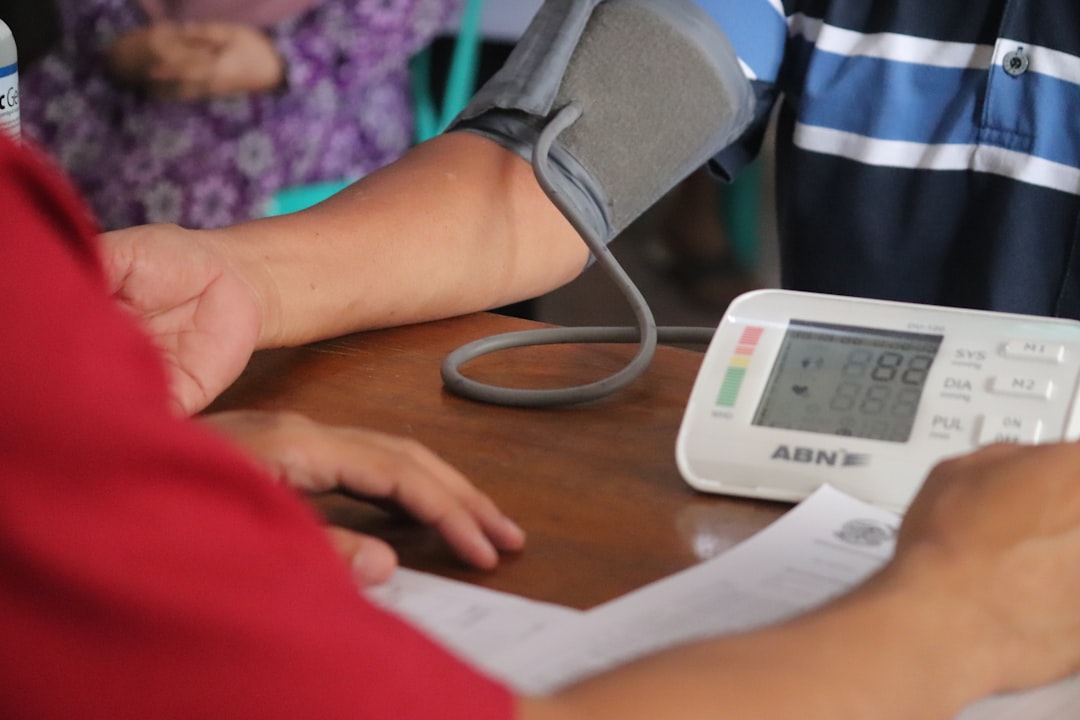
Blood pressure is a critical indicator of your cardiovascular health, reflecting the force of blood against the walls of your arteries as your heart pumps. It is measured in millimeters of mercury (mmHg) and is expressed with two numbers: systolic pressure over diastolic pressure. The systolic number, which is the first and higher value, indicates the pressure in your arteries when your heart beats.
The diastolic number, the second and lower value, measures the pressure in your arteries when your heart rests between beats. Understanding these numbers is essential for recognizing what constitutes normal blood pressure, which is generally considered to be around 120/80 mmHg. When your blood pressure consistently exceeds the normal range, it can lead to hypertension, a condition that poses significant health risks.
Hypertension often goes unnoticed because it typically does not present any symptoms until it reaches a severe stage. This silent nature makes it crucial for you to be proactive about monitoring your blood pressure regularly. By understanding how blood pressure works and what affects it, you can take informed steps toward maintaining a healthy level and reducing your risk of complications.
Key Takeaways
- Blood pressure is influenced by lifestyle, diet, exercise, stress, and genetics.
- Healthy eating and regular physical activity are key to managing blood pressure.
- Stress management techniques can significantly impact blood pressure control.
- Medication may be necessary alongside lifestyle changes for effective management.
- Regular monitoring and medical check-ups are essential to prevent complications.
Lifestyle Factors that Affect Blood Pressure
Your lifestyle choices play a pivotal role in determining your blood pressure levels. Factors such as diet, physical activity, weight management, and even sleep patterns can significantly influence how your body regulates blood pressure. For instance, a sedentary lifestyle can lead to weight gain and increased blood pressure, while regular physical activity helps strengthen your heart and improve circulation.
By making conscious decisions about your daily habits, you can create a positive impact on your overall health. Moreover, habits like smoking and excessive alcohol consumption can also contribute to elevated blood pressure. Smoking damages blood vessels and reduces oxygen in the blood, while alcohol can lead to weight gain and disrupt the balance of electrolytes in your body.
Understanding these lifestyle factors empowers you to make changes that can help lower your blood pressure and enhance your well-being. By adopting healthier habits, you not only improve your blood pressure but also promote a healthier lifestyle overall.
Dietary Changes to Manage Blood Pressure
Your diet is one of the most influential factors in managing blood pressure effectively. Incorporating foods rich in potassium, magnesium, and fiber can help regulate your blood pressure levels. Fruits and vegetables, whole grains, lean proteins, and low-fat dairy products are excellent choices that provide essential nutrients without excessive sodium or unhealthy fats.
The DASH (Dietary Approaches to Stop Hypertension) diet is particularly beneficial for those looking to lower their blood pressure. It emphasizes whole foods while limiting processed items high in salt and sugar. Reducing sodium intake is another critical dietary change you can make.
High sodium levels can cause your body to retain water, leading to increased blood volume and higher blood pressure. Aim for less than 2,300 mg of sodium per day, or even lower if you have existing hypertension. Reading food labels and being mindful of hidden sources of sodium in processed foods can help you make better choices.
By focusing on a balanced diet rich in whole foods and low in sodium, you can take significant strides toward managing your blood pressure effectively.
Exercise and Physical Activity Recommendations
Regular physical activity is a cornerstone of maintaining healthy blood pressure levels. Engaging in aerobic exercises such as walking, jogging, cycling, or swimming for at least 150 minutes per week can help lower your blood pressure significantly. These activities strengthen your heart, improve circulation, and help you maintain a healthy weight—all of which contribute to better blood pressure control.
You might find that incorporating physical activity into your daily routine not only benefits your heart but also enhances your mood and energy levels. In addition to aerobic exercises, strength training is also beneficial for managing blood pressure. Incorporating resistance exercises at least two days a week can help build muscle mass and improve overall metabolic health.
It’s essential to find activities that you enjoy so that you remain motivated and consistent in your exercise routine. Whether it’s joining a local sports team or taking dance classes, staying active should be an enjoyable part of your life rather than a chore.
Stress Management and its Impact on Blood Pressure
| Metric | Description | Typical Value/Range | Notes |
|---|---|---|---|
| Patient Age | Age of the patient during the visit | 18 – 85 years | Important for risk stratification |
| Blood Pressure Reading | Systolic/Diastolic pressure measured in mmHg | Normal: <120/80 Elevated: 120-129/<80 Hypertension Stage 1: 130-139/80-89 Hypertension Stage 2: ≥140/90 |
Measured using validated device |
| Medication Adherence | Patient’s compliance with prescribed blood pressure meds | 0% – 100% | Discuss barriers if adherence is low |
| Lifestyle Factors Discussed | Topics covered such as diet, exercise, smoking, alcohol | Yes/No | Essential for holistic management |
| Follow-up Plan | Next appointment or monitoring schedule | Within 1-3 months typical | Depends on BP control and risk factors |
| Patient Understanding | Patient’s comprehension of BP condition and management | Good/Fair/Poor | Assessed via teach-back method |
Stress is an often-overlooked factor that can significantly impact your blood pressure levels. When you’re stressed, your body releases hormones like adrenaline and cortisol that temporarily increase heart rate and constrict blood vessels, leading to elevated blood pressure. Chronic stress can contribute to long-term hypertension if not managed effectively.
Therefore, finding ways to cope with stress is crucial for maintaining healthy blood pressure levels. You might consider incorporating relaxation techniques into your daily routine to help manage stress effectively. Practices such as mindfulness meditation, deep breathing exercises, or yoga can promote relaxation and reduce anxiety.
Additionally, engaging in hobbies or spending time with loved ones can provide a much-needed break from daily stressors. By prioritizing stress management techniques, you not only improve your mental well-being but also create a healthier environment for your cardiovascular system.
Medication Options for Blood Pressure Management
In some cases, lifestyle changes alone may not be sufficient to manage high blood pressure effectively. If you find yourself in this situation, medication may be necessary to help control your levels. There are several classes of antihypertensive medications available, including diuretics, ACE inhibitors, beta-blockers, calcium channel blockers, and angiotensin II receptor blockers (ARBs).
Each class works differently to lower blood pressure, so it’s essential to work closely with your healthcare provider to determine the best option for you. When prescribed medication for hypertension, it’s crucial to adhere to the treatment plan as directed by your healthcare provider. Skipping doses or discontinuing medication without consulting your doctor can lead to uncontrolled blood pressure and increase the risk of complications.
Regular follow-ups with your healthcare provider will allow for adjustments in medication if necessary and ensure that you are on the right track toward managing your blood pressure effectively.
Monitoring and Tracking Blood Pressure at Home
Monitoring your blood pressure at home is an essential practice that empowers you to take control of your health. Home monitoring allows you to track fluctuations in your blood pressure throughout the day and identify patterns that may require attention. Investing in a reliable home blood pressure monitor can provide valuable insights into how well your lifestyle changes or medications are working.
When measuring your blood pressure at home, it’s important to follow specific guidelines for accuracy.
Take multiple readings at different times of the day to get an accurate picture of your blood pressure trends.
Keeping a log of these readings can be beneficial when discussing your progress with your healthcare provider during check-ups.
The Importance of Regular Check-ups and Follow-ups
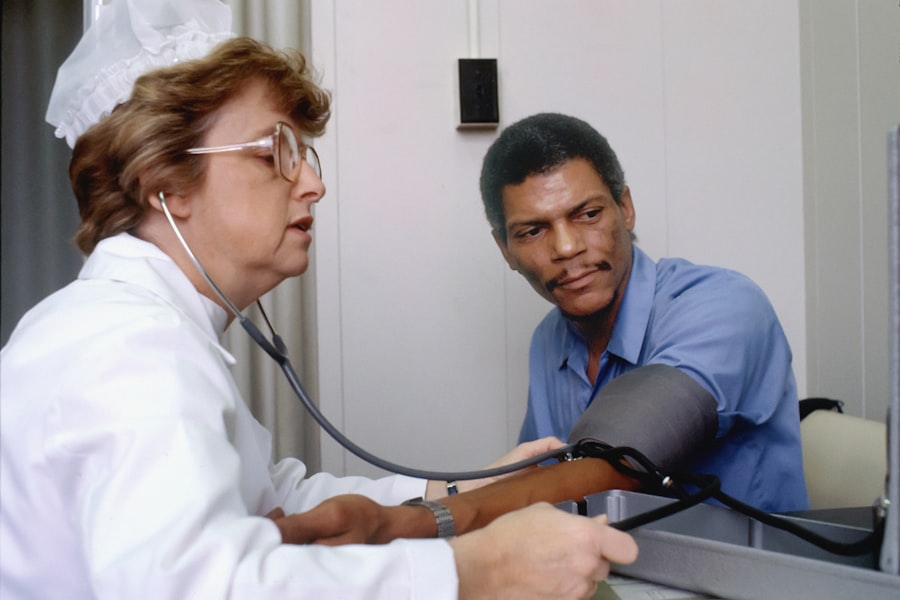
Regular check-ups with your healthcare provider are vital for maintaining optimal blood pressure control. These visits allow for ongoing assessment of your cardiovascular health and provide an opportunity to discuss any concerns or changes in symptoms you may be experiencing. Your healthcare provider can evaluate the effectiveness of any lifestyle changes or medications you are implementing and make necessary adjustments based on your progress.
In addition to monitoring blood pressure levels, these check-ups often include assessments of other risk factors such as cholesterol levels and overall heart health. By staying proactive about regular follow-ups, you ensure that any potential issues are addressed promptly before they escalate into more serious complications.
Potential Complications of Uncontrolled High Blood Pressure
Uncontrolled high blood pressure can lead to severe complications that affect various organs in your body. One of the most significant risks associated with hypertension is cardiovascular disease, which includes heart attacks and strokes. High blood pressure can damage the arteries over time, leading to plaque buildup and narrowing of the vessels—conditions that increase the likelihood of heart-related events.
Additionally, uncontrolled hypertension can affect other organs such as the kidneys and eyes. Kidney damage from high blood pressure may lead to chronic kidney disease or even kidney failure over time. Similarly, hypertension can cause damage to the retina in the eyes, leading to vision problems or blindness if left untreated.
Understanding these potential complications underscores the importance of managing your blood pressure effectively through lifestyle changes, medication adherence, and regular monitoring.
Discussing Family History and Genetic Factors
Family history plays a significant role in determining your risk for developing high blood pressure. If hypertension runs in your family, you may be genetically predisposed to this condition due to inherited traits that affect how your body regulates blood pressure. While you cannot change your genetic makeup, being aware of your family history allows you to take proactive measures in managing your health.
Discussing family history with your healthcare provider is essential for creating a personalized plan for blood pressure management. They may recommend more frequent monitoring or earlier intervention strategies if there is a strong family history of hypertension or related complications. By understanding how genetics influence your health, you can make informed decisions about lifestyle changes and preventive measures.
Creating a Personalized Plan for Blood Pressure Management
Creating a personalized plan for managing your blood pressure involves considering all aspects of your lifestyle—dietary habits, physical activity levels, stress management techniques, and any necessary medications. Start by setting realistic goals based on where you currently stand with your blood pressure readings and what changes you are willing to implement. Incorporate small changes gradually rather than overwhelming yourself with drastic shifts all at once.
For instance, begin by adding more fruits and vegetables to your meals or committing to short walks several times a week before progressing to more intense workouts or stricter dietary guidelines. Regularly reassess your plan with the help of healthcare professionals who can provide guidance tailored specifically to you. By taking ownership of your health through a personalized approach, you empower yourself to achieve better control over your blood pressure and overall well-being.
When discussing blood pressure during a doctor visit, it’s essential to understand the broader context of senior health. A related article that provides valuable insights on managing health as we age can be found at Explore Senior Health. This resource offers information on various health topics, including the importance of regular blood pressure monitoring and lifestyle changes that can help maintain optimal health in seniors.
FAQs
What is a doctor visit script for blood pressure discussion?
A doctor visit script for blood pressure discussion is a prepared dialogue or set of talking points that helps patients and healthcare providers communicate effectively about blood pressure readings, concerns, and management during a medical appointment.
Why is it important to have a script for discussing blood pressure with a doctor?
Having a script or guide ensures that patients cover all relevant information, ask important questions, and understand their blood pressure status and treatment options. It helps improve communication, leading to better health outcomes.
What topics are typically covered in a blood pressure discussion script?
Common topics include current blood pressure readings, lifestyle factors affecting blood pressure, medication adherence, symptoms, risk factors for hypertension, and plans for monitoring or treatment adjustments.
How can patients prepare for a blood pressure discussion with their doctor?
Patients can prepare by tracking their blood pressure readings at home, noting any symptoms or side effects, listing current medications, and writing down questions or concerns to discuss during the visit.
Can a blood pressure discussion script help in managing hypertension?
Yes, using a script can help patients and doctors have a focused conversation about managing hypertension, including lifestyle changes, medication options, and follow-up plans, which can improve blood pressure control.
Is it necessary to use a formal script during a doctor visit?
No, a formal script is not necessary, but having a structured outline or list of points to discuss can be very helpful for ensuring all important topics are addressed during the appointment.
Where can patients find examples of doctor visit scripts for blood pressure discussions?
Patients can find examples through healthcare provider websites, patient education resources, hypertension organizations, or by asking their healthcare provider for guidance on how to discuss blood pressure effectively.
How often should blood pressure be discussed with a healthcare provider?
Blood pressure should be discussed at every routine medical visit, especially if the patient has hypertension or risk factors. More frequent discussions may be necessary if blood pressure is uncontrolled or treatment is being adjusted.