Blood pressure medications can produce various side effects that differ among patients based on individual factors including age, overall health status, and the specific medication type. The severity of these effects ranges from mild discomfort to more significant reactions. Early recognition of side effects enables timely communication with healthcare providers for appropriate management.
The most frequently reported side effects of blood pressure medications are dizziness, fatigue, and gastrointestinal disturbances. These symptoms may impact daily functioning and quality of life. Dizziness, for example, may require modifications to physical activities and careful attention when changing positions from sitting or lying to standing.
Knowledge of potential side effects allows patients to implement appropriate management strategies and maintain effective communication with their healthcare team regarding treatment response.
Key Takeaways
- Blood pressure medications can cause side effects, especially in seniors, requiring careful monitoring.
- Lifestyle changes and natural remedies can help manage medication side effects effectively.
- Open communication with healthcare providers is crucial for adjusting dosages and exploring alternatives.
- Mental health and emotional well-being should be addressed alongside physical health in treatment plans.
- Support from family and caregivers plays a vital role in long-term management of medication side effects.
Common Side Effects in Seniors
As you age, your body undergoes various changes that can affect how medications work. Seniors often experience a higher incidence of side effects from blood pressure medications due to factors such as decreased kidney function, changes in metabolism, and the presence of multiple health conditions. Common side effects in older adults may include confusion, increased risk of falls, and electrolyte imbalances.
These issues can complicate the management of blood pressure and require careful monitoring. Moreover, seniors may be taking multiple medications for various health conditions, which can lead to drug interactions that exacerbate side effects. For example, a diuretic might cause dehydration, leading to increased dizziness when combined with other medications.
It’s vital for you to keep an updated list of all medications you are taking and share this information with your healthcare provider. This way, they can help you navigate potential interactions and adjust your treatment plan accordingly.
Importance of Monitoring Blood Pressure

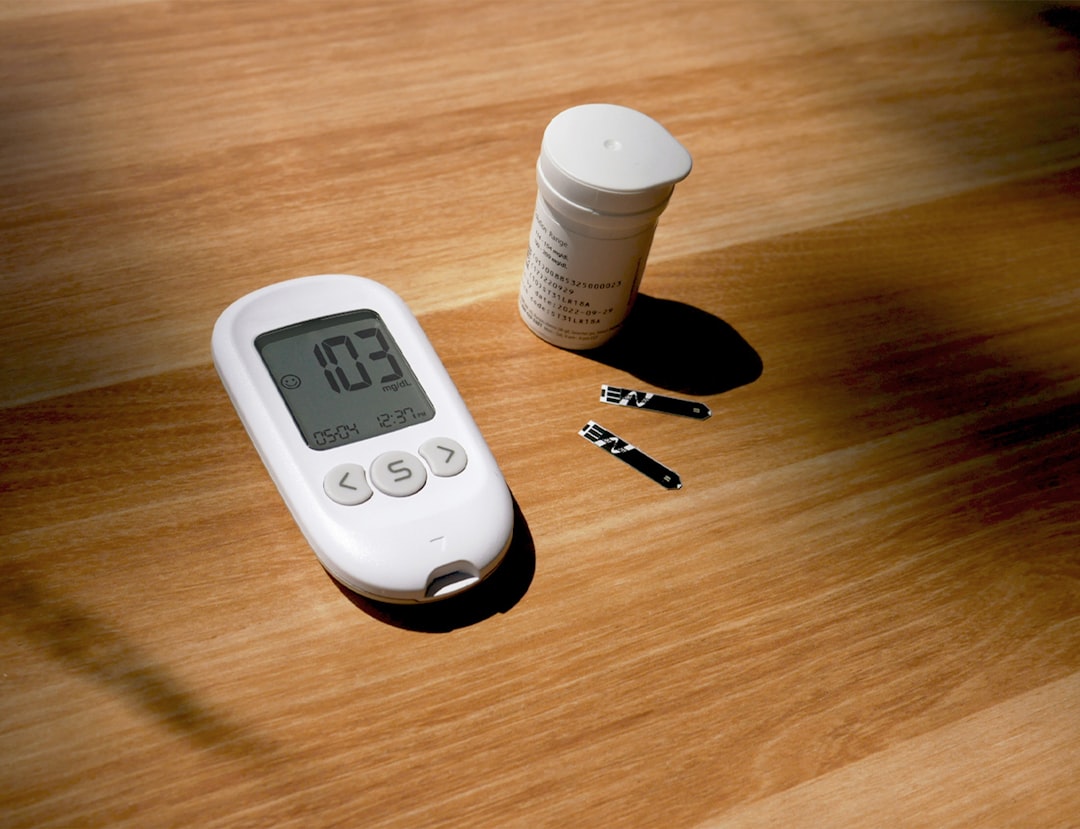
Monitoring your blood pressure regularly is a critical component of managing your health, especially when you are on medication. Keeping track of your blood pressure readings allows you to see how well your medication is working and whether any adjustments are necessary. Regular monitoring can also help you identify patterns or triggers that may affect your blood pressure levels, such as stress or dietary choices.
In addition to tracking your readings at home, it’s important to attend regular check-ups with your healthcare provider. These visits provide an opportunity for you to discuss any side effects you may be experiencing and to evaluate the effectiveness of your current treatment plan. By actively participating in your health management, you can make informed decisions about your medication and lifestyle choices that contribute to better blood pressure control.
Lifestyle Changes to Manage Side Effects
Incorporating lifestyle changes can significantly help in managing the side effects of blood pressure medications. Simple adjustments in your daily routine can lead to improved overall health and well-being. For instance, adopting a balanced diet rich in fruits, vegetables, whole grains, and lean proteins can not only help lower blood pressure but also mitigate some medication-related side effects like gastrointestinal discomfort.
Regular physical activity is another vital component of managing both blood pressure and medication side effects. Engaging in moderate exercise, such as walking or swimming, can enhance circulation and improve energy levels. Additionally, exercise has been shown to reduce feelings of anxiety and depression that may arise from dealing with chronic health issues.
By making these lifestyle changes, you empower yourself to take control of your health while potentially reducing the need for higher medication dosages.
Communicating with Healthcare Providers
| Medication Type | Common Side Effects | Incidence Rate in Seniors (%) | Notes |
|---|---|---|---|
| ACE Inhibitors | Cough, dizziness, elevated potassium | 10-20 | Higher risk of cough in elderly; monitor kidney function |
| Beta Blockers | Fatigue, cold extremities, bradycardia | 15-25 | May worsen asthma or COPD symptoms |
| Calcium Channel Blockers | Swelling, constipation, dizziness | 12-18 | Peripheral edema common in seniors |
| Diuretics | Frequent urination, electrolyte imbalance, dehydration | 20-30 | Monitor electrolytes closely in elderly |
| ARBs (Angiotensin II Receptor Blockers) | Dizziness, hyperkalemia, headache | 8-15 | Generally well tolerated but monitor potassium levels |
Effective communication with your healthcare provider is essential when managing blood pressure medication and its side effects. You should feel comfortable discussing any concerns or symptoms you experience, no matter how minor they may seem. Open dialogue allows your provider to understand your situation better and make necessary adjustments to your treatment plan.
When visiting your healthcare provider, consider preparing a list of questions or concerns beforehand. This preparation ensures that you cover all relevant topics during your appointment. Additionally, if you notice any new symptoms or changes in your condition, be sure to report these promptly.
Your proactive approach can lead to timely interventions that enhance your treatment experience and overall health outcomes.
Adjusting Medication Dosages

Sometimes, the side effects of blood pressure medications may necessitate adjustments in dosage. If you find that certain side effects are particularly bothersome or if your blood pressure readings are not within the desired range, it’s crucial to discuss this with your healthcare provider. They may recommend lowering the dosage or switching to a different medication that may be better tolerated.
It’s important not to make any changes to your medication regimen without consulting your healthcare provider first. Sudden changes in dosage can lead to fluctuations in blood pressure that may pose risks to your health. By working collaboratively with your provider, you can find a balance that minimizes side effects while effectively managing your blood pressure.
Exploring Alternative Medications
If traditional blood pressure medications are causing significant side effects for you, it may be worth exploring alternative options. There are various classes of blood pressure medications available, each with its own mechanism of action and potential side effects. Your healthcare provider can help you navigate these options based on your specific health needs and preferences.
For instance, if diuretics are causing excessive urination or dehydration, your provider might suggest trying an ACE inhibitor or a calcium channel blocker instead. Each alternative comes with its own set of potential side effects, so it’s essential to weigh the benefits against the risks carefully. By being open to alternative medications, you increase the chances of finding a treatment plan that works well for you without compromising your quality of life.
Incorporating Natural Remedies
In addition to conventional medications, many individuals find relief from blood pressure issues through natural remedies. While these should not replace prescribed medications without consulting a healthcare provider, they can complement your treatment plan effectively. Natural remedies such as garlic extract, omega-3 fatty acids from fish oil, and hibiscus tea have shown promise in helping lower blood pressure.
Before incorporating any natural remedies into your routine, it’s crucial to discuss them with your healthcare provider.
By working together with your provider, you can safely explore these options while ensuring that they align with your overall treatment goals.
Managing Mental Health and Emotional Well-being
Dealing with chronic health conditions like high blood pressure can take a toll on your mental health and emotional well-being. It’s not uncommon for individuals on blood pressure medication to experience feelings of anxiety or depression related to their health status or medication side effects. Recognizing these feelings is the first step toward addressing them effectively.
Engaging in activities that promote mental well-being is essential for managing stress and anxiety associated with chronic illness. Practices such as mindfulness meditation, yoga, or even simple breathing exercises can help ground you during challenging times. Additionally, seeking support from mental health professionals can provide valuable coping strategies tailored to your unique situation.
Seeking Support from Family and Caregivers
Having a strong support system is invaluable when managing blood pressure medication and its side effects. Family members and caregivers can play a crucial role in helping you navigate the complexities of treatment while providing emotional support during difficult times. Don’t hesitate to share your experiences with them; they may offer insights or assistance that make a significant difference in your daily life.
Encouraging open communication within your support network fosters understanding and empathy regarding the challenges you face. Whether it’s accompanying you to medical appointments or simply being there to listen when you need to talk about your concerns, having supportive individuals around you can alleviate feelings of isolation and enhance your overall well-being.
Long-Term Strategies for Managing Blood Pressure Medication Side Effects
Managing the side effects of blood pressure medication is often a long-term endeavor that requires ongoing attention and adjustment. Developing a comprehensive strategy that includes regular monitoring of blood pressure, open communication with healthcare providers, lifestyle modifications, and emotional support will serve you well over time. As you continue on this journey, remember that patience is key; finding the right balance between effective blood pressure management and minimizing side effects may take time.
By remaining proactive and engaged in your health care decisions, you empower yourself to lead a fulfilling life while effectively managing both blood pressure and its associated challenges.
For seniors managing blood pressure, understanding the potential side effects of medication is crucial. A related article that provides valuable insights on this topic can be found at com/sample-page/’>this link.
It discusses various medications commonly prescribed to older adults and highlights the importance of monitoring for adverse effects to ensure safe and effective treatment.
FAQs
What are common side effects of blood pressure medication in seniors?
Common side effects in seniors can include dizziness, fatigue, headaches, swelling in the ankles or feet, and sometimes digestive issues such as nausea or constipation. Some medications may also cause electrolyte imbalances or changes in kidney function.
Why are seniors more susceptible to side effects from blood pressure medications?
Seniors often have altered drug metabolism and clearance due to age-related changes in liver and kidney function. They may also be taking multiple medications, increasing the risk of drug interactions and side effects.
Can blood pressure medications cause dizziness or falls in elderly patients?
Yes, some blood pressure medications can cause dizziness or lightheadedness, especially when standing up quickly, which may increase the risk of falls in seniors.
Are there specific blood pressure medications that are safer for seniors?
Certain classes of blood pressure medications, such as thiazide diuretics or calcium channel blockers, are often preferred for seniors, but the safest option depends on the individual’s overall health and other medical conditions.
How can side effects from blood pressure medications be managed in seniors?
Management may include adjusting the medication dose, switching to a different medication, monitoring for side effects closely, and ensuring proper hydration and nutrition. Always consult a healthcare provider before making any changes.
Should seniors stop taking blood pressure medication if they experience side effects?
No, seniors should not stop taking their medication without consulting their healthcare provider, as uncontrolled high blood pressure can lead to serious health complications.
How often should seniors on blood pressure medication have their health monitored?
Regular monitoring is important and typically involves periodic blood pressure checks, blood tests to assess kidney function and electrolytes, and evaluation for any side effects, as recommended by a healthcare provider.
Can lifestyle changes reduce the need for blood pressure medication in seniors?
Lifestyle changes such as a healthy diet, regular exercise, weight management, limiting alcohol intake, and reducing sodium can help control blood pressure and may reduce the need for medication, but any changes should be discussed with a healthcare provider.