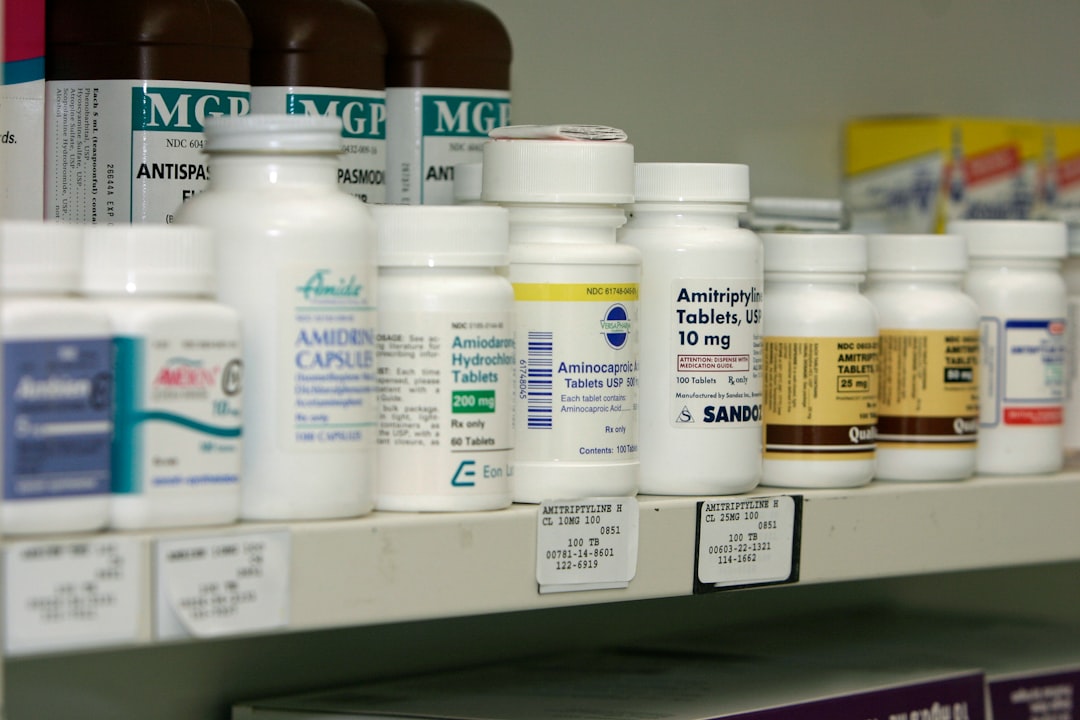
Medicare Part D is a vital component of the Medicare program, designed specifically to help you manage the costs associated with prescription medications. As you navigate the complexities of healthcare, understanding how Part D works can significantly impact your financial well-being and access to necessary treatments. This program offers a variety of plans that provide coverage for a wide range of prescription drugs, allowing you to choose a plan that best fits your individual needs.
It’s essential to familiarize yourself with the structure of Part D, including its formulary, which is a list of covered medications, as well as the associated costs such as premiums, deductibles, and copayments. When you enroll in Medicare Part D, you have the option to select from numerous private insurance companies that offer these plans. Each plan may have different coverage levels, costs, and rules regarding which medications are included.
Understanding these differences is crucial for making informed decisions about your healthcare. Additionally, it’s important to note that enrollment in Part D is not automatic; you must actively sign up during your initial enrollment period or during designated open enrollment periods. Missing these windows could result in penalties or gaps in your coverage, so staying informed about your enrollment options is key.
Key Takeaways
- Medicare Part D is a prescription drug coverage program for Medicare beneficiaries.
- Evaluate your prescription drug needs based on the medications you currently take and any potential future needs.
- Choose the right Part D plan by comparing costs, coverage, and formularies.
- Utilize generic drugs to save on prescription costs while maintaining the same quality and effectiveness.
- Explore mail order options for convenience and potential cost savings on prescription refills.
Evaluating Prescription Drug Needs
Before selecting a Medicare Part D plan, it’s essential to evaluate your specific prescription drug needs. Start by compiling a comprehensive list of all medications you currently take, including dosages and frequency. This inventory will serve as a foundation for comparing different plans and their formularies.
You should also consider any anticipated changes in your medication regimen, such as new prescriptions or adjustments to existing ones. By understanding your current and future needs, you can make a more informed choice about which plan will provide the best coverage for you. In addition to listing your medications, think about how often you refill prescriptions and whether you require any specialty drugs that may have unique coverage requirements.
Some plans may have restrictions on certain medications or may require prior authorization before covering them. By being proactive in assessing your needs, you can avoid potential surprises down the line and ensure that your chosen plan aligns with your healthcare requirements.
Choosing the Right Part D Plan

Choosing the right Medicare Part D plan can feel overwhelming given the multitude of options available. To simplify this process, start by comparing plans based on their formularies to see which one covers your medications at the lowest cost. Pay close attention to the tier placement of each drug, as this will affect your out-of-pocket expenses.
Drugs are typically categorized into tiers, with lower tiers having lower copayments and higher tiers costing more. Understanding these tiers can help you anticipate your monthly expenses and budget accordingly. Another critical factor to consider is the plan’s premium and deductible.
While some plans may have lower premiums, they might also come with higher deductibles or copayments for certain medications. It’s essential to calculate your total expected costs based on your medication needs rather than just focusing on the premium alone. Additionally, consider the pharmacy network associated with each plan; some plans may offer better pricing at specific pharmacies or through mail-order services.
By taking the time to thoroughly compare these elements, you can select a plan that not only meets your medication needs but also fits within your budget.
Utilizing Generic Drugs
| Metrics | Data |
|---|---|
| Percentage of generic drugs utilized | 75% |
| Cost savings from using generic drugs | 500,000 |
| Number of generic drug prescriptions filled | 10,000 |
One effective way to manage your prescription drug costs under Medicare Part D is by utilizing generic drugs whenever possible. Generic medications are typically much less expensive than their brand-name counterparts while providing the same therapeutic benefits. When discussing your medication options with your healthcare provider, inquire about the availability of generic alternatives for any brand-name drugs you are prescribed.
This simple step can lead to significant savings over time. In addition to cost savings, using generic drugs can also enhance your overall healthcare experience. Many generics are available in a wide range of formulations and dosages, making it easier for you to find a suitable option that meets your needs.
Furthermore, since generics are subject to the same rigorous FDA standards as brand-name drugs, you can trust that they are safe and effective. By embracing generics as part of your medication strategy, you can maximize your benefits under Medicare Part D while minimizing out-of-pocket expenses.
Exploring Mail Order Options
Mail-order pharmacies can be an excellent resource for managing your prescription medications under Medicare Part D. These services allow you to receive a 90-day supply of your medications delivered directly to your home, often at a lower cost than traditional retail pharmacies. This convenience not only saves you time but can also help ensure that you never run out of essential medications.
When considering mail-order options, check whether your chosen Part D plan offers this service and what specific medications are eligible for mail order. Using mail-order pharmacies can also streamline the process of managing multiple prescriptions. Instead of making frequent trips to the pharmacy, you can consolidate your refills into one shipment, making it easier to keep track of your medications.
Additionally, many mail-order services provide automatic refill options, ensuring that you receive your medications on time without having to remember to reorder them yourself. By exploring these options, you can enhance both the convenience and affordability of managing your prescriptions under Medicare Part D.
Taking Advantage of Drug Assistance Programs
If you find yourself struggling with high prescription drug costs despite having Medicare Part D coverage, consider exploring drug assistance programs offered by pharmaceutical companies and non-profit organizations. These programs are designed to help individuals who meet specific income and eligibility criteria access necessary medications at reduced costs or even for free. Many major pharmaceutical companies have patient assistance programs that provide support for their brand-name drugs, so it’s worth researching whether any of your prescribed medications qualify.
To take advantage of these programs, start by contacting the manufacturer of your medication or visiting their website for information on how to apply. You may need to provide documentation regarding your income and insurance status, but many organizations have streamlined application processes to make it easier for patients to receive assistance. Additionally, local community health centers or non-profit organizations may offer resources and guidance on navigating these programs.
By leveraging available assistance programs, you can alleviate some of the financial burdens associated with prescription drug costs.
Reviewing Annual Coverage Changes
Each year, Medicare Part D plans undergo changes that can affect your coverage and costs. It’s crucial for you to review these changes annually during the open enrollment period to ensure that your current plan continues to meet your needs effectively. During this time, pay close attention to any modifications in premiums, deductibles, copayments, and formulary changes that may impact the medications you take.
Staying informed about these updates will help you avoid unexpected expenses and ensure that you remain adequately covered. In addition to reviewing changes within your current plan, take the opportunity to compare other available plans during open enrollment. New options may become available each year that could offer better coverage or lower costs for your specific medication needs.
By actively engaging in this review process annually, you can make informed decisions about whether to stay with your current plan or switch to a different one that better aligns with your healthcare requirements.
Discussing Medication Options with Healthcare Providers
Open communication with your healthcare providers is essential when it comes to managing your prescription drug needs under Medicare Part D. Don’t hesitate to discuss any concerns you have regarding medication costs or potential alternatives during your appointments. Your healthcare provider can offer valuable insights into generic options or alternative therapies that may be more affordable while still effectively addressing your health conditions.
Additionally, if you experience side effects or find that a particular medication isn’t working as intended, bring this up with your provider as well. They may be able to adjust your treatment plan or suggest different medications that could be more suitable for you both clinically and financially. By fostering an open dialogue with your healthcare team, you empower yourself to make informed decisions about your treatment options while ensuring that cost considerations are taken into account.
Monitoring Out-of-Pocket Costs
As you navigate Medicare Part D coverage, it’s essential to keep a close eye on your out-of-pocket costs throughout the year. This includes tracking expenses such as premiums, deductibles, copayments, and any additional costs associated with non-covered medications or services.
Monitoring these costs also allows you to anticipate potential financial challenges as you approach the coverage gap (often referred to as the “donut hole”). Understanding where you stand in relation to this gap can help you make informed decisions about when to fill prescriptions or whether it might be beneficial to switch plans during open enrollment if another option offers better coverage during this phase. By staying vigilant about your out-of-pocket expenses, you can take proactive steps toward managing your healthcare budget effectively.
Considering Medicare Savings Programs
If you’re facing financial difficulties while managing Medicare Part D costs, consider looking into Medicare Savings Programs (MSPs). These programs are designed to assist individuals with limited income and resources by helping cover some or all of their Medicare premiums and out-of-pocket expenses. Depending on your eligibility, MSPs can significantly reduce the financial burden associated with healthcare costs and improve access to necessary medications.
To determine if you qualify for an MSP, check with your state’s Medicaid program or visit the official Medicare website for more information on income limits and application procedures. If eligible, enrolling in an MSP could provide substantial relief from monthly premiums and other out-of-pocket expenses related to Medicare Part D coverage. By exploring these options, you can enhance your financial stability while ensuring access to essential healthcare services.
Seeking Financial Assistance for Medicare Part D
If you’re still struggling with prescription drug costs despite having Medicare Part D coverage and exploring assistance programs, don’t hesitate to seek additional financial support from local resources or non-profit organizations dedicated to helping individuals manage healthcare expenses. Many community organizations offer programs designed specifically for seniors or low-income individuals facing challenges related to medication costs. Additionally, consider reaching out to local advocacy groups focused on healthcare access; they often have resources available for individuals seeking assistance with Medicare-related expenses.
These organizations can provide guidance on navigating complex systems and connecting with available resources tailored to meet your specific needs. By actively seeking financial assistance and support from various sources, you can alleviate some of the burdens associated with managing prescription drug costs under Medicare Part D while ensuring access to necessary treatments for optimal health outcomes.
In the ongoing discussion about Medicare Part D cost control, it’s essential to consider various strategies and insights that can help manage expenses effectively.