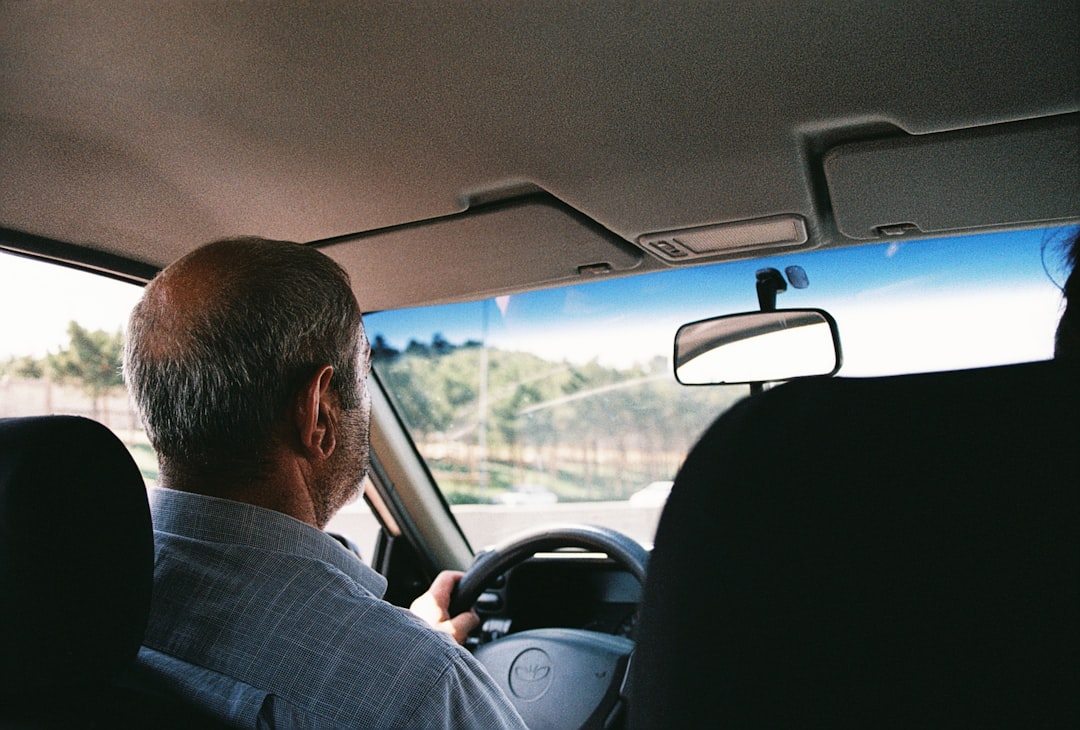
You’ve noticed it. Perhaps it’s a slight hesitation at a busy intersection, a bit more time spent parallel parking, or a general unease when faced with unfamiliar routes. The freedom of driving, a cornerstone of your independence, is starting to feel a little more like a burden. This is a common experience for many as they age – the onset of driving anxiety. It’s not a sign of weakness, nor an indictment of your driving skills. It’s a natural part of the aging process that, with a proactive approach and the right strategies, you can effectively manage and overcome.
Understanding the Roots of Your Driving Anxiety
Before you can effectively tackle your driving anxiety, you need to understand what’s causing it. This isn’t about dwelling on negatives, but about identifying the specific triggers that contribute to your unease. Once you pinpoint these, you can develop targeted solutions.
Physical Changes and Their Impact
As you age, your body undergoes natural changes that can subtly, and sometimes not so subtly, affect your driving capabilities and, consequently, your confidence.
Vision Declines
Your eyesight is paramount for safe driving, and age-related changes can impact various aspects of your vision.
- Reduced Peripheral Vision: This makes it harder to see vehicles or hazards approaching from the sides. You might feel more vulnerable on multi-lane roads or when making turns.
- Difficulty with Night Driving: Reduced pupil dilation and increased light scatter can make driving at night significantly more challenging. Glare from headlights can be blinding, and distinguishing objects in low light becomes difficult.
- Slower Adaptation to Light Changes: Transitioning from bright sunlight to a tunnel, or vice versa, can be disorienting. This delay can create moments of uncertainty.
- Increased Sensitivity to Glare: Older eyes are more susceptible to glare from headlights, streetlights, and even a wet road. This can lead to discomfort and a reduced ability to see clearly.
Slower Reaction Times
While you possess a wealth of accumulated driving experience, your neurological processing can slow down.
- Cognitive Processing Speed: Deciphering complex traffic situations, like an unexpected lane change by another driver, might take a fraction of a second longer. This perceived delay can contribute to anxiety.
- Motor Response Speed: Although your reflexes might not be as instantaneous as they once were, they are still functional. The awareness of this change can lead you to second-guess your ability to react quickly.
Hearing Impairments
While seemingly less directly related to vision, hearing plays a crucial role in a comprehensive awareness of your surroundings.
- Inability to Hear Sirens or Horns: Missing critical auditory cues like approaching emergency vehicles or warning sounds from other drivers can create a sense of vulnerability.
- Difficulty Distinguishing Sounds: In a noisy environment, it can be harder to filter out background noise and focus on important sounds like the approach of a vehicle.
Psychological and Emotional Factors
Beyond the physical, your mental and emotional state plays a significant role in how you experience driving.
Fear of Accidents or Making Mistakes
This is often the most prominent driver of anxiety.
- Past Negative Experiences: A fender-bender, even if minor, or witnessing an accident can create a lasting impression and foster a fear of recurrence.
- Increased Awareness of Consequences: As you age, you might become more acutely aware of the potential physical and financial repercussions of an accident, leading to greater apprehension.
- Perfectionism: If you’ve always strived for perfection in your driving, the thought of making a mistake, however small, can be a source of significant stress.
Loss of Confidence
The combination of perceived physical changes and fear of errors can lead to a decline in your self-assurance behind the wheel.
- Comparison to Past Driving Abilities: You might compare your current driving experience to how effortlessly you used to navigate the roads, leading to feelings of inadequacy.
- Influence of Others’ Opinions: Comments from family members or friends, even if well-intentioned, can sometimes exacerbate these feelings of lost confidence.
Stress and Fatigue
Everyday life stressors and increased fatigue can magnify existing anxieties.
- General Life Stress: When you’re dealing with personal or professional challenges, your capacity to manage driving-related stress can be diminished.
- Physical Fatigue: Being tired significantly impacts concentration, reaction time, and overall decision-making, all of which are crucial for safe driving and can heighten anxiety.
For seniors dealing with driving anxiety, understanding effective management techniques is crucial for maintaining independence and confidence on the road. A helpful resource on this topic can be found in the article titled “Driving Anxiety in Seniors: Tips for Overcoming Fear” available at Explore Senior Health. This article provides practical strategies and insights that can assist seniors in addressing their concerns and enhancing their driving experience.
Strategies for Building Confidence and Reducing Anxiety
Overcoming driving anxiety is a journey, not an overnight fix. It requires a willingness to confront your fears and implement practical strategies.
Gradual Reintroduction and Practice
The key to regaining confidence is often through controlled exposure and consistent practice.
Start Small and Scale Up
Begin with driving situations that feel manageable and gradually increase the complexity.
- Familiar Routes During Off-Peak Hours: Drive on roads you know well, when traffic is light. This allows you to focus on the act of driving without the added pressure of complex traffic patterns.
- Short Trips to Nearby Destinations: Practice driving to a familiar grocery store or a friend’s house that is a short distance away. This builds a sense of accomplishment with minimal risk.
- Practice in Different Weather Conditions (Gradually): Once you’re comfortable on familiar routes, try driving in slightly different weather, like a lightly overcast day, before venturing out in rain or heavier conditions.
Targeted Practice Sessions
Focus on specific skills or situations that cause you the most anxiety.
- Intersection Navigation: Find a less busy intersection and practice stopping, looking both ways, and proceeding. Repeat this until it feels more routine.
- Parking Practice: Locate an empty parking lot and practice parallel parking, perpendicular parking, and three-point turns. Doing this without the pressure of other vehicles can be very beneficial.
- Highway On-Ramps and Off-Ramps: Practice merging onto and exiting highways in lighter traffic until you feel more comfortable with the speed and flow.
Enhance Your Driving Environment
Making adjustments to your vehicle and your approach to driving can significantly reduce stress.
Vehicle Adjustments for Better Visibility and Comfort
Your car can be adapted to better suit your needs.
- Ensure Proper Seat Adjustment: A correct driving position allows for optimal visibility and control. Ensure you can comfortably reach the pedals and see clearly over the dashboard.
- Clean and Well-Maintained Mirrors: Regular cleaning of your mirrors, both internal and external, is essential for maximizing your field of vision. Consider wider-angle mirrors if needed.
- Headrest Adjustment: Ensure your headrest is positioned correctly for comfort and safety, but also that it doesn’t obstruct your rear view unnecessarily.
- Consider Vehicle Size: If a larger vehicle is becoming difficult to manage, consider if a smaller, more maneuverable car might be a better fit.
Minimize Distractions
Creating a calm and focused driving atmosphere is critical.
- Turn Off Unnecessary Electronics: Silence your phone or put it out of reach. Avoid fiddling with the radio or GPS while in motion.
- Reduce Passenger Load (Initially): While driving with loved ones can be enjoyable, during the initial stages of overcoming anxiety, it might be best to drive alone or with a calm, supportive passenger.
- Plan Your Route in Advance: Knowing where you’re going and the general route beforehand can reduce the need for last-minute navigation adjustments, which can be stressful.
Managing driving anxiety in seniors can be a challenging experience, but there are effective strategies that can help ease their concerns and boost their confidence on the road. For those looking for more comprehensive guidance, a related article offers valuable insights and tips on this topic. By exploring techniques such as gradual exposure and relaxation exercises, seniors can learn to navigate their fears. To read more about these strategies, check out this informative piece on senior health.
Seek Support and Professional Guidance
You don’t have to navigate this challenge alone. Many resources are available to help.
Talking to Your Doctor
Your physician can rule out any underlying medical conditions and offer advice.
- Vision and Hearing Checks: Ensure your vision and hearing are optimal. If there are any age-related declines, discuss corrective lenses or hearing aids.
- Medication Review: Some medications can affect cognitive function or cause drowsiness. Discuss any concerns with your doctor.
- General Health Assessment: Ensure your overall health is good, as fatigue and physical discomfort can exacerbate driving anxiety.
Engaging with Driving Refresher Courses
These courses are designed to update your skills and boost your confidence.
- AARP Driver Safety Program: This is a widely recognized program offering valuable insights and practical tips for mature drivers.
- Local Community Colleges or Driving Schools: Many offer specialized courses for senior drivers, focusing on current traffic laws and defensive driving techniques.
- Personalized Instruction: Some instructors offer one-on-one sessions tailored to your specific concerns, allowing you to practice in a controlled and supportive environment.
The Role of Family and Friends
Supportive loved ones can make a significant difference.
- Patient Companionship: Ask a trusted friend or family member to ride with you during practice sessions. Their calm presence can be reassuring.
- Constructive Feedback (Delivered Kindly): If they observe something that could be improved, encourage them to offer gentle, constructive advice rather than criticism.
- Active Listening: Sometimes, just having someone listen to your anxieties without judgment can be incredibly therapeutic.
Practicing Mindfulness and Relaxation Techniques
Your mental state is a powerful tool in managing anxiety. Learning to calm your mind can translate to calmer driving.
Techniques to Use Before and During Driving
These are practical tools you can employ in real-time.
- Deep Breathing Exercises: Before you even start the car, take several slow, deep breaths. Inhale through your nose, filling your lungs, and exhale slowly through your mouth. This can help regulate your heart rate and reduce feelings of panic.
- Mindful Observation: While driving, try to focus on the present moment. Observe the road, the other cars, and the scenery without judgment. This can help to disengage from anxious thoughts.
- Positive Self-Talk: Replace negative thoughts like “I can’t do this” with more encouraging affirmations like “I am capable of driving safely” or “I will take my time and focus.”
Building a Sense of Calmness
Consistency in these practices will yield better results.
- Regular Meditation: Dedicate time each day to meditation, even if it’s just for a few minutes. This builds your capacity for mindfulness and relaxation.
- Progressive Muscle Relaxation: This technique involves tensing and then releasing different muscle groups in your body, promoting overall physical relaxation.
- Visualization: Before driving, visualize yourself driving calmly and confidently, navigating traffic successfully and reaching your destination without incident.
Embracing Long-Term Strategies for Continued Independence
Overcoming driving anxiety is not just about a temporary fix; it’s about adopting habits that support your continued safe driving and independence.
Regular Self-Assessment and Adaptation
Driving is a dynamic activity, and your needs may change.
- Honest Evaluation of Your Abilities: Periodically assess how you feel when driving. Are there specific situations that are still causing significant unease?
- Adjusting Your Driving Habits: If you find yourself consistently avoiding certain roads or times of day, consider if these are necessary adjustments or if they are limiting your freedom unnecessarily.
- Recognizing When to Seek Further Help: If your anxiety is significantly impacting your quality of life or ability to drive, don’t hesitate to seek professional support from therapists or driving specialists.
Maintaining Physical and Cognitive Health
Your overall well-being directly impacts your driving.
- Regular Exercise: Physical activity improves circulation, reaction time, and reduces stress.
- Cognitive Stimulation: Engage in activities that challenge your brain, such as puzzles, reading, or learning new skills, to maintain cognitive sharpness.
- Adequate Sleep and Nutrition: Prioritizing good sleep and a balanced diet ensures you have the energy and focus needed for driving.
Planning for Future Mobility Needs
It’s wise to have a contingency plan.
- Exploring Alternative Transportation Options: Familiarize yourself with public transport, ride-sharing services, or community car programs in your area.
- Discussing Future Needs with Family: Openly communicate with your loved ones about your driving capabilities and any concerns you might have about the future.
- Considering Accessible Vehicle Modifications: If driving becomes significantly more challenging, research modifications that could make driving easier and safer.
You are not alone in experiencing driving anxiety as you age. It’s a common challenge that can be effectively managed with a combination of understanding, practical strategies, and a supportive approach. By proactively addressing the underlying causes, gradually rebuilding your confidence, and embracing supportive resources, you can continue to enjoy the freedom and independence that driving provides. Remember, aging brings wisdom and experience; these are invaluable assets as you navigate the road ahead.
FAQs
What is driving anxiety in seniors?
Driving anxiety in seniors refers to the fear or apprehension experienced by older adults when driving. This anxiety can be triggered by various factors such as declining physical or cognitive abilities, fear of accidents, or increased traffic congestion.
What are the common symptoms of driving anxiety in seniors?
Common symptoms of driving anxiety in seniors may include increased heart rate, sweating, trembling, difficulty concentrating, and avoidance of driving or certain driving situations. Seniors may also experience negative thoughts and feelings of panic while driving.
How can seniors manage driving anxiety?
Seniors can manage driving anxiety by practicing relaxation techniques such as deep breathing or meditation, gradually exposing themselves to driving situations that trigger anxiety, seeking support from a therapist or counselor, and considering alternative transportation options such as public transit or ridesharing services.
Are there any resources available to help seniors with driving anxiety?
Yes, there are resources available to help seniors with driving anxiety, including online support groups, self-help books, and specialized driving programs designed to address anxiety and build confidence behind the wheel. Additionally, many communities offer transportation services for seniors who are unable or uncomfortable driving.
When should seniors consider giving up driving?
Seniors should consider giving up driving if they experience frequent near-misses or accidents, have difficulty following traffic signs or signals, receive multiple traffic citations, or if their physical or cognitive abilities significantly impair their driving skills. It’s important for seniors to prioritize safety and explore alternative transportation options when necessary.