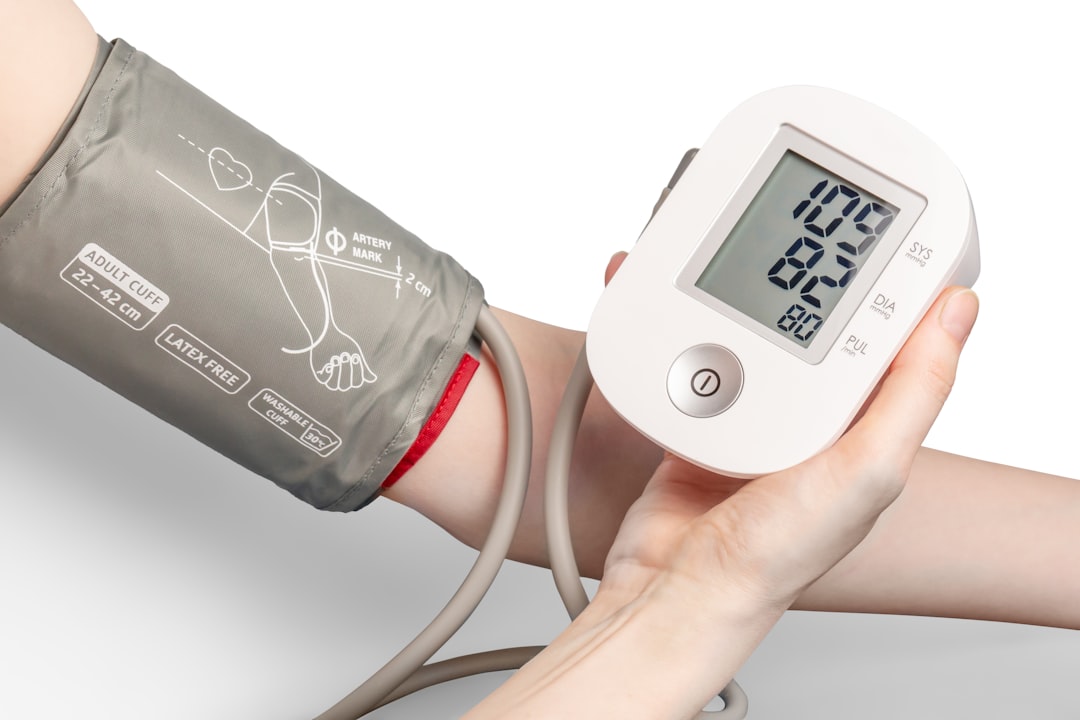
As individuals age, managing blood pressure becomes critically important. Hypertension, commonly called the “silent killer,” typically produces no symptoms until significant damage has already occurred. For older adults, maintaining healthy blood pressure levels is essential for preventing heart disease and stroke while supporting overall health.
Taking proactive measures to control blood pressure represents an investment in long-term health and quality of life. It is vital to understand the consequences of elevated blood pressure. Hypertension can cause numerous health complications, including kidney disease, vision impairment, and cognitive deterioration.
Maintaining appropriate blood pressure levels significantly reduces the risk of these conditions. Effective blood pressure management also enhances one’s ability to perform daily activities, preserve independence, and maintain an active lifestyle. Recognizing the significance of blood pressure control is fundamental to ensuring better health outcomes as one ages.
Key Takeaways
- Managing blood pressure in seniors is crucial to reduce risks of heart disease and stroke.
- Lifestyle changes, including diet and exercise, play a key role in controlling high blood pressure.
- Proper medication management and regular monitoring are essential for effective blood pressure control.
- Stress reduction and mental health support significantly impact seniors’ blood pressure levels.
- Regular medical check-ups and strong support systems improve seniors’ ability to manage hypertension and enhance quality of life.
Risk Factors for High Blood Pressure in Seniors
As you navigate through your senior years, it’s vital to be aware of the various risk factors that can contribute to high blood pressure. Age itself is a significant factor; as you grow older, your blood vessels may become stiffer and less elastic, which can lead to increased blood pressure. Additionally, genetics play a role; if you have a family history of hypertension, you may be at a higher risk.
Understanding these factors can empower you to take preventive measures. Other risk factors include lifestyle choices such as diet, physical activity level, and stress management. For instance, a diet high in sodium and low in potassium can elevate your blood pressure.
Similarly, a sedentary lifestyle can contribute to weight gain and increased blood pressure levels. Furthermore, chronic stress can lead to temporary spikes in blood pressure and may contribute to long-term hypertension if not managed effectively. By identifying these risk factors in your life, you can take proactive steps to mitigate their impact.
Lifestyle Changes to Lower Blood Pressure in Seniors
Making lifestyle changes is one of the most effective ways to lower your blood pressure. You might start by incorporating more physical activity into your daily routine. Even simple activities like walking or gardening can make a significant difference.
Aim for at least 150 minutes of moderate aerobic exercise each week. Not only does regular exercise help lower blood pressure, but it also improves your overall cardiovascular health and boosts your mood. In addition to physical activity, consider evaluating your daily habits.
Reducing alcohol consumption and quitting smoking are crucial steps in managing blood pressure. Both habits can have detrimental effects on your cardiovascular system. Furthermore, prioritizing sleep and practicing relaxation techniques such as yoga or meditation can help lower stress levels, which in turn can positively affect your blood pressure readings.
By making these lifestyle changes, you are taking control of your health and setting yourself up for a better quality of life.
Medication Management for Seniors with High Blood Pressure
For many seniors, lifestyle changes alone may not be sufficient to manage high blood pressure effectively. In such cases, medication may be necessary. It’s essential to work closely with your healthcare provider to determine the best medication regimen for your specific needs.
There are various classes of antihypertensive medications available, each with its own mechanism of action and potential side effects. Your doctor will consider factors such as your overall health, other medical conditions, and any medications you are currently taking. Adhering to your prescribed medication schedule is crucial for effective management of high blood pressure.
It’s easy to forget doses or become confused about when to take them, especially if you are on multiple medications. To help with this, consider using pill organizers or setting reminders on your phone. Regular follow-ups with your healthcare provider will also allow for adjustments in medication if necessary, ensuring that you are receiving the most effective treatment for your condition.
The Role of Diet in Managing Seniors’ Blood Pressure
| Metric | Value | Unit | Notes |
|---|---|---|---|
| Average Systolic Blood Pressure | 135 | mmHg | Typical range for seniors aged 65+ |
| Average Diastolic Blood Pressure | 80 | mmHg | Typical range for seniors aged 65+ |
| Percentage of Seniors with Hypertension | 65 | % | Based on population studies |
| Quality of Life Score (Physical Health) | 70 | Out of 100 | Higher scores indicate better physical health |
| Quality of Life Score (Mental Health) | 75 | Out of 100 | Higher scores indicate better mental health |
| Correlation between BP Control and QoL | 0.45 | Correlation Coefficient | Positive correlation between controlled BP and higher QoL |
| Average Number of Antihypertensive Medications | 2 | Medications | Average per senior with hypertension |
| Incidence of BP-related Hospitalizations | 15 | Per 1,000 seniors/year | Hospitalizations due to uncontrolled blood pressure |
Your diet plays a pivotal role in managing blood pressure levels. As you age, it becomes increasingly important to focus on nutrient-dense foods that support cardiovascular health. The DASH (Dietary Approaches to Stop Hypertension) diet is often recommended for seniors looking to lower their blood pressure.
This diet emphasizes fruits, vegetables, whole grains, lean proteins, and low-fat dairy while reducing sodium intake. When planning meals, aim to incorporate foods rich in potassium, magnesium, and fiber. Foods such as bananas, spinach, sweet potatoes, and beans can help counteract the effects of sodium and promote healthy blood pressure levels.
Additionally, being mindful of portion sizes and limiting processed foods can further enhance your dietary efforts. By making conscious choices about what you eat, you can significantly impact your blood pressure management.
Exercise and Physical Activity for Seniors with High Blood Pressure

Engaging in regular physical activity is one of the most effective strategies for managing high blood pressure. As a senior, it’s important to find exercises that suit your abilities and preferences. Low-impact activities such as walking, swimming, or cycling can provide cardiovascular benefits without putting undue stress on your joints.
Aim for at least 30 minutes of moderate exercise most days of the week. Incorporating strength training exercises into your routine is also beneficial. Building muscle mass can help improve metabolism and support overall cardiovascular health.
Consider working with a fitness professional who specializes in senior fitness to develop a safe and effective exercise plan tailored to your needs. Remember that consistency is key; finding activities you enjoy will make it easier to stick with an exercise routine over time.
Monitoring and Tracking Blood Pressure Readings in Seniors
Monitoring your blood pressure regularly is essential for effective management. Keeping track of your readings allows you to identify patterns and make informed decisions about your health. You might consider investing in a home blood pressure monitor for convenience and ease of use.
Many devices are user-friendly and provide accurate readings with minimal effort. When tracking your blood pressure readings, be sure to note the date and time along with any relevant factors such as recent physical activity or dietary changes. Sharing this information with your healthcare provider during check-ups can help them assess the effectiveness of your treatment plan and make necessary adjustments.
By actively monitoring your blood pressure, you empower yourself to take charge of your health.
The Impact of Stress and Mental Health on Seniors’ Blood Pressure
Stress can have a profound impact on your blood pressure levels. As a senior, it’s important to recognize how emotional well-being affects physical health. Chronic stress can lead to elevated blood pressure due to the release of stress hormones that constrict blood vessels and increase heart rate.
Therefore, finding effective ways to manage stress is crucial for maintaining healthy blood pressure levels. Consider incorporating relaxation techniques into your daily routine. Practices such as mindfulness meditation, deep breathing exercises, or gentle yoga can help reduce stress and promote a sense of calm.
Additionally, engaging in social activities or hobbies that bring you joy can improve mental health and provide an outlet for stress relief. By prioritizing mental well-being alongside physical health, you create a holistic approach to managing high blood pressure.
The Importance of Regular Medical Check-ups for Seniors’ Blood Pressure
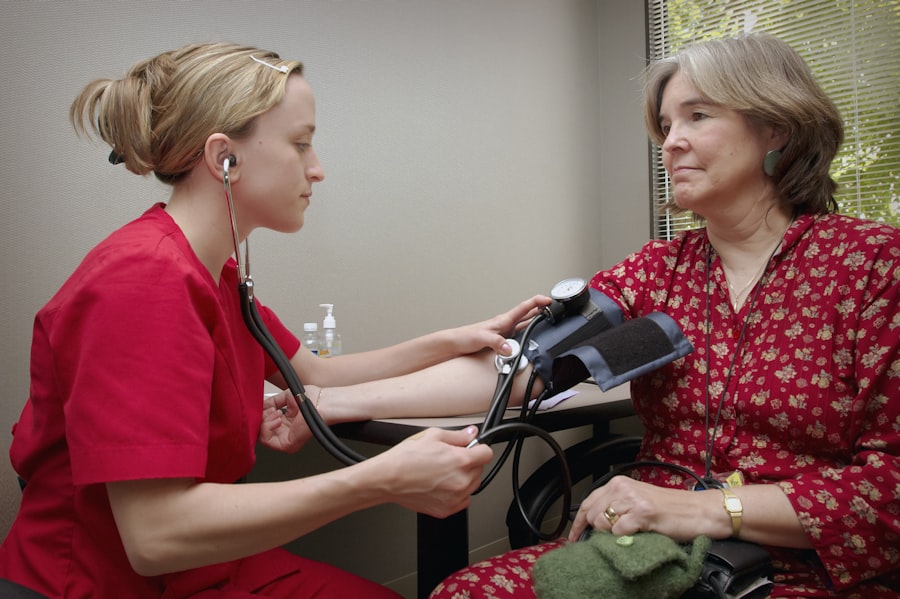
Regular medical check-ups are vital for seniors managing high blood pressure. These appointments provide an opportunity for healthcare providers to monitor your condition closely and make necessary adjustments to your treatment plan. During these visits, be open about any concerns or symptoms you may be experiencing; this information is crucial for effective management.
In addition to monitoring blood pressure readings, routine check-ups allow for screenings related to other health conditions that may be affected by hypertension, such as diabetes or kidney disease. Staying proactive about your health ensures that any potential issues are addressed early on, ultimately leading to better outcomes. By committing to regular medical visits, you are taking an essential step toward maintaining optimal health.
Support Systems for Seniors in Managing High Blood Pressure
Having a strong support system is invaluable when it comes to managing high blood pressure as a senior. Family members and friends can provide encouragement and motivation as you work toward healthier habits. Consider involving loved ones in activities such as cooking nutritious meals together or participating in exercise routines as a way to foster accountability.
Additionally, support groups specifically designed for seniors dealing with hypertension can offer a sense of community and shared experience. Connecting with others who understand the challenges you face can provide emotional support and practical tips for managing high blood pressure effectively. Remember that you don’t have to navigate this journey alone; seeking support from those around you can make a significant difference.
The Benefits of Managing Seniors’ Blood Pressure for Improved Quality of Life
Effectively managing high blood pressure brings numerous benefits that extend beyond just physical health; it significantly enhances overall quality of life as well. When you maintain healthy blood pressure levels, you reduce the risk of serious complications such as heart disease and stroke, allowing you to enjoy more active years ahead. This sense of security fosters greater confidence in engaging in daily activities without fear or limitation.
Moreover, managing blood pressure positively impacts mental well-being by reducing anxiety related to health concerns. As you adopt healthier lifestyle choices—such as improved diet and regular exercise—you may also experience increased energy levels and improved mood. Ultimately, taking control of your blood pressure not only contributes to longevity but also enriches the overall experience of aging gracefully and vibrantly.
In conclusion, managing high blood pressure is an essential aspect of maintaining health as you age.
Research has shown that managing blood pressure effectively can significantly enhance the quality of life for seniors. For more insights on this topic, you can read the article on senior health at exploreseniorhealth.
com/’>Explore Senior Health, which discusses various strategies for maintaining optimal blood pressure and its impact on overall well-being in older adults.
FAQs
What is blood pressure and why is it important for seniors?
Blood pressure is the force exerted by circulating blood on the walls of blood vessels. It is important for seniors because maintaining healthy blood pressure levels helps reduce the risk of heart disease, stroke, and other health complications that can affect their quality of life.
How does blood pressure affect the quality of life in seniors?
High or low blood pressure can lead to various health issues such as fatigue, dizziness, cognitive decline, and increased risk of cardiovascular events. These conditions can impair mobility, independence, and overall well-being, thereby negatively impacting the quality of life in seniors.
What are the normal blood pressure ranges for seniors?
Generally, a normal blood pressure reading for seniors is around 120/80 mmHg. However, optimal ranges may vary based on individual health conditions, and healthcare providers may recommend slightly different targets for older adults.
Can managing blood pressure improve quality of life in seniors?
Yes, effectively managing blood pressure through lifestyle changes, medication, and regular monitoring can help prevent complications, improve physical and cognitive function, and enhance overall quality of life in seniors.
What lifestyle changes can help seniors maintain healthy blood pressure?
Seniors can maintain healthy blood pressure by following a balanced diet low in salt and saturated fats, engaging in regular physical activity, maintaining a healthy weight, limiting alcohol intake, avoiding tobacco use, and managing stress.
Are there any risks associated with blood pressure medications in seniors?
While blood pressure medications are generally safe, seniors may experience side effects such as dizziness, fatigue, or electrolyte imbalances. It is important for seniors to work closely with their healthcare providers to monitor and adjust medications as needed.
How often should seniors check their blood pressure?
Seniors should check their blood pressure regularly, as advised by their healthcare provider. This may range from daily monitoring at home to periodic checks during medical appointments, depending on their health status and treatment plan.
Can blood pressure fluctuations affect mental health in seniors?
Yes, significant fluctuations in blood pressure can contribute to symptoms such as confusion, anxiety, and depression, which can negatively impact mental health and overall quality of life in seniors.
Is low blood pressure a concern for seniors?
Low blood pressure (hypotension) can be a concern for seniors as it may cause dizziness, fainting, and falls, leading to injuries and reduced independence. It is important to identify and manage low blood pressure appropriately.
When should seniors seek medical advice regarding blood pressure?
Seniors should seek medical advice if they experience symptoms such as persistent headaches, chest pain, shortness of breath, dizziness, or if their blood pressure readings are consistently too high or too low. Regular check-ups are also essential for ongoing management.