
Managing your blood pressure is a crucial aspect of maintaining overall health and well-being. High blood pressure, or hypertension, can lead to serious health complications, including heart disease, stroke, and kidney failure. Understanding how to effectively monitor and manage your blood pressure is essential for preventing these risks.
By taking proactive steps, you can empower yourself to maintain a healthy blood pressure level and improve your quality of life. In today’s fast-paced world, the importance of blood pressure management cannot be overstated. With the rise of sedentary lifestyles and unhealthy eating habits, more individuals are finding themselves at risk for hypertension.
This article will explore the significance of monitoring your blood pressure at home, the benefits of using a home log template, and practical tips for achieving optimal results.
Key Takeaways
- Regular home monitoring of blood pressure is crucial for effective management and early detection of issues.
- Using a home log template helps track readings consistently, making it easier to identify patterns and progress.
- Key components of a home log include date, time, blood pressure readings, heart rate, and notes on activities or symptoms.
- Accurate readings require proper technique, consistent timing, and avoiding common mistakes like incorrect cuff placement.
- Collaborating with healthcare professionals and integrating lifestyle changes enhances blood pressure control and overall health.
Importance of Monitoring Blood Pressure at Home
Monitoring your blood pressure at home is an essential practice that allows you to keep track of your cardiovascular health. Regularly checking your blood pressure can help you identify any fluctuations or trends that may require attention. By being aware of your numbers, you can make informed decisions about your lifestyle and treatment options.
Home monitoring also provides a more comprehensive view of your blood pressure patterns, as it captures readings in a familiar environment, free from the stress often associated with clinical visits. Moreover, home monitoring empowers you to take an active role in your health management. It encourages accountability and consistency, as you can establish a routine for checking your blood pressure.
This practice not only helps you stay informed but also fosters a sense of control over your health journey. By integrating home monitoring into your daily life, you can work towards achieving and maintaining healthy blood pressure levels.
Benefits of Using a Home Log Template for Blood Pressure
Utilizing a home log template for tracking your blood pressure offers numerous advantages that can enhance your monitoring experience. First and foremost, a log template provides a structured way to record your readings consistently. By having a designated space to jot down your numbers, you can easily visualize trends over time, making it simpler to identify any concerning changes.
This organized approach can also facilitate discussions with your healthcare provider during appointments. Additionally, a home log template can serve as a motivational tool. When you see your progress documented in front of you, it can inspire you to stay committed to your blood pressure management goals.
Whether you’re aiming to lower your readings or maintain them within a healthy range, having a visual representation of your efforts can boost your confidence and determination. Furthermore, many templates allow you to include notes about lifestyle factors such as diet, exercise, and stress levels, providing a holistic view of how these elements impact your blood pressure.
Components of a Home Log Template
A well-designed home log template should include several key components to ensure effective tracking of your blood pressure readings. At its core, the template should have designated spaces for recording the date and time of each reading. This information is crucial for understanding patterns and fluctuations in your blood pressure over time.
Additionally, it’s beneficial to include sections for recording both systolic and diastolic readings separately, as this will give you a clearer picture of your cardiovascular health. Another important component is the inclusion of notes or comments sections where you can document any relevant factors that may influence your readings. For instance, you might want to note if you’ve recently exercised, consumed caffeine, or experienced stress before taking a reading.
These contextual details can help you and your healthcare provider better understand the factors affecting your blood pressure. Lastly, consider incorporating a section for tracking any medications or lifestyle changes you’re implementing, as this can provide valuable insights into their effectiveness.
How to Use a Home Log Template for Blood Pressure Monitoring
| Date | Time | Systolic (mm Hg) | Diastolic (mm Hg) | Heart Rate (bpm) | Notes |
|---|---|---|---|---|---|
| 2024-06-01 | 08:00 AM | 120 | 80 | 72 | Felt good, no symptoms |
| 2024-06-01 | 08:00 PM | 125 | 82 | 75 | After dinner |
| 2024-06-02 | 08:00 AM | 118 | 78 | 70 | Morning measurement |
| 2024-06-02 | 08:00 PM | 122 | 80 | 73 | After exercise |
Using a home log template for blood pressure monitoring is straightforward and can be easily integrated into your daily routine. Start by selecting a time each day when you will consistently check your blood pressure—this could be in the morning before breakfast or in the evening before bed. Consistency is key to obtaining accurate readings and identifying trends over time.
Once you’ve chosen a time, gather your blood pressure monitor and ensure it’s calibrated correctly. When taking a reading, make sure you’re in a relaxed position and have been seated quietly for at least five minutes beforehand. Record the date, time, and both systolic and diastolic readings in your log template immediately after measuring.
If applicable, jot down any notes regarding lifestyle factors or medications taken prior to the reading. Over time, review your log regularly to identify patterns or changes that may warrant further discussion with your healthcare provider.
Tips for Maintaining Accurate Blood Pressure Readings
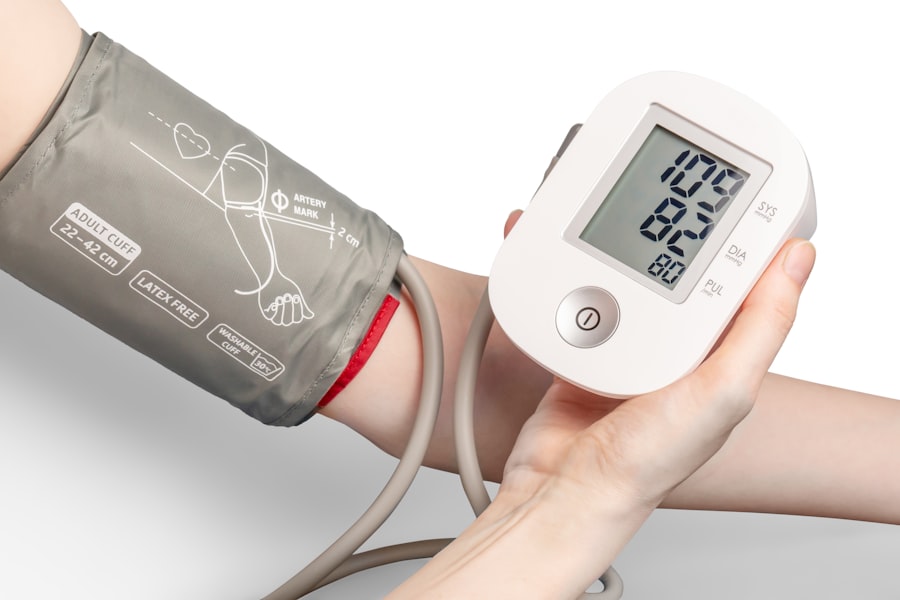
To ensure that your blood pressure readings are as accurate as possible, there are several tips you should keep in mind. First, always use a validated blood pressure monitor that fits properly on your arm or wrist. An ill-fitting cuff can lead to inaccurate readings, so it’s essential to choose one that is appropriate for your size.
Additionally, make sure to follow the manufacturer’s instructions for use carefully. Another important factor is timing; try to take your readings at the same time each day under similar conditions. Avoid measuring after consuming caffeine or engaging in vigorous exercise, as these activities can temporarily elevate your blood pressure.
It’s also advisable to take multiple readings at each session—typically one minute apart—and average them for a more reliable result. Lastly, keep track of any medications or lifestyle changes that may affect your readings so that you can discuss these with your healthcare provider during follow-up appointments.
Setting Goals and Tracking Progress with a Home Log Template
Setting specific goals for your blood pressure management is an effective way to stay motivated and focused on improving your health. When using a home log template, consider establishing both short-term and long-term goals based on your current readings and recommendations from your healthcare provider. For instance, if your current systolic reading is 140 mmHg, you might set a goal to reduce it to 130 mmHg within three months through lifestyle changes.
Tracking progress in your log template is essential for evaluating how well you’re meeting these goals. Regularly reviewing your entries will allow you to see improvements or identify areas where adjustments may be needed. Celebrate small victories along the way—whether it’s achieving a lower reading or successfully implementing healthier habits—as this positive reinforcement can help sustain motivation over time.
Integrating Lifestyle Changes with Blood Pressure Management
Lifestyle changes play a significant role in managing blood pressure effectively. Incorporating healthier habits into your daily routine can lead to substantial improvements in your readings over time. Start by focusing on dietary modifications; adopting a heart-healthy diet rich in fruits, vegetables, whole grains, lean proteins, and healthy fats can have a profound impact on blood pressure levels.
Reducing sodium intake is particularly important for those with hypertension. In addition to dietary changes, regular physical activity is crucial for maintaining healthy blood pressure levels. Aim for at least 150 minutes of moderate-intensity aerobic exercise each week—activities like brisk walking, cycling, or swimming can be beneficial.
Furthermore, managing stress through techniques such as mindfulness meditation or yoga can also contribute positively to blood pressure management. By integrating these lifestyle changes into your daily life and tracking their effects in your home log template, you’ll be better equipped to achieve lasting results.
Consulting with a Healthcare Professional for Blood Pressure Management
While self-monitoring and lifestyle changes are vital components of blood pressure management, consulting with a healthcare professional remains essential for comprehensive care. Regular check-ups allow you to discuss your progress and any concerns regarding your readings or overall health. Your healthcare provider can offer personalized advice based on your unique situation and may recommend additional interventions if necessary.
During these consultations, be sure to bring along your home log template so that you can share detailed information about your readings and any lifestyle changes you’ve implemented. This collaborative approach fosters open communication between you and your healthcare provider and ensures that you’re both on the same page regarding your health goals.
Common Mistakes to Avoid when Using a Home Log Template
While using a home log template can be incredibly beneficial for tracking blood pressure readings, there are common mistakes that you should be aware of to ensure accuracy and effectiveness. One frequent error is neglecting to record readings consistently; sporadic entries can lead to an incomplete picture of your blood pressure trends over time. Make it a habit to check and log your readings daily or as recommended by your healthcare provider.
Another mistake is failing to consider external factors that may influence readings; for example, taking measurements immediately after consuming caffeine or engaging in physical activity can yield inaccurate results. Always aim to measure under similar conditions each time for consistency. Additionally, some individuals may overlook the importance of reviewing their logs regularly; taking the time to analyze trends will help you stay informed about how well you’re managing your blood pressure.
Resources for Finding and Using Home Log Templates for Blood Pressure
Finding an effective home log template for tracking blood pressure is easier than ever thanks to various resources available online and through healthcare providers. Many reputable health organizations offer downloadable templates that are user-friendly and designed specifically for this purpose. Websites such as the American Heart Association provide valuable resources that include printable logs along with tips on how to use them effectively.
In addition to online resources, consider asking your healthcare provider if they have any recommended templates or tools they suggest for tracking blood pressure at home. They may have specific formats they prefer or additional resources tailored to individual needs. By utilizing these resources effectively, you’ll be well-equipped to manage your blood pressure proactively and maintain optimal health over time.
In conclusion, managing blood pressure is an essential aspect of maintaining overall health and well-being. By monitoring at home using a structured log template, setting goals, integrating lifestyle changes, and consulting with healthcare professionals, you empower yourself on this journey toward better health outcomes. Remember that consistency is key; by making these practices part of your daily routine, you’ll be taking significant steps toward achieving optimal blood pressure management.
This tool allows individuals to track their readings over time, providing valuable insights for both patients and healthcare providers. To learn more about health management for seniors, you can check out this informative article on Explore Senior Health.
FAQs
What is a home blood pressure log template?
A home blood pressure log template is a pre-designed form or chart used to record and track blood pressure readings taken at home. It helps individuals monitor their blood pressure over time and share accurate data with healthcare providers.
Why should I use a home blood pressure log template?
Using a log template ensures consistent and organized recording of blood pressure measurements. It helps detect patterns, assess the effectiveness of treatments, and provides valuable information for medical consultations.
What information is typically included in a home blood pressure log template?
A typical template includes fields for the date and time of measurement, systolic and diastolic blood pressure readings, pulse rate, any symptoms experienced, medication taken, and notes or comments.
How often should I record my blood pressure in the log?
The frequency depends on your healthcare provider’s recommendations. Commonly, people measure their blood pressure once or twice daily, such as morning and evening, and record each reading in the log.
Can I use a digital device to record my blood pressure readings?
Yes, many digital blood pressure monitors can store readings electronically. However, transferring these readings to a log template, either printed or digital, can help maintain a comprehensive record.
Is a home blood pressure log template suitable for all patients?
Most individuals monitoring hypertension or other cardiovascular conditions can benefit from using a log template. However, it is best to consult with a healthcare provider to determine the appropriate monitoring plan.
Where can I find a home blood pressure log template?
Templates are available from healthcare providers, medical websites, health apps, and printable resources online. Some hospitals and clinics also provide customized templates for patients.
How do I interpret the readings recorded in the log?
Blood pressure readings are interpreted based on established guidelines, such as those from the American Heart Association. Consistently high or low readings should be discussed with a healthcare professional for proper evaluation.
Can I customize a home blood pressure log template?
Yes, many templates are customizable to include additional fields like medication changes, lifestyle notes, or symptoms, allowing for more personalized tracking.
Is it important to share my home blood pressure log with my doctor?
Yes, sharing your log helps your doctor assess your blood pressure control, adjust medications if needed, and make informed decisions about your treatment plan.