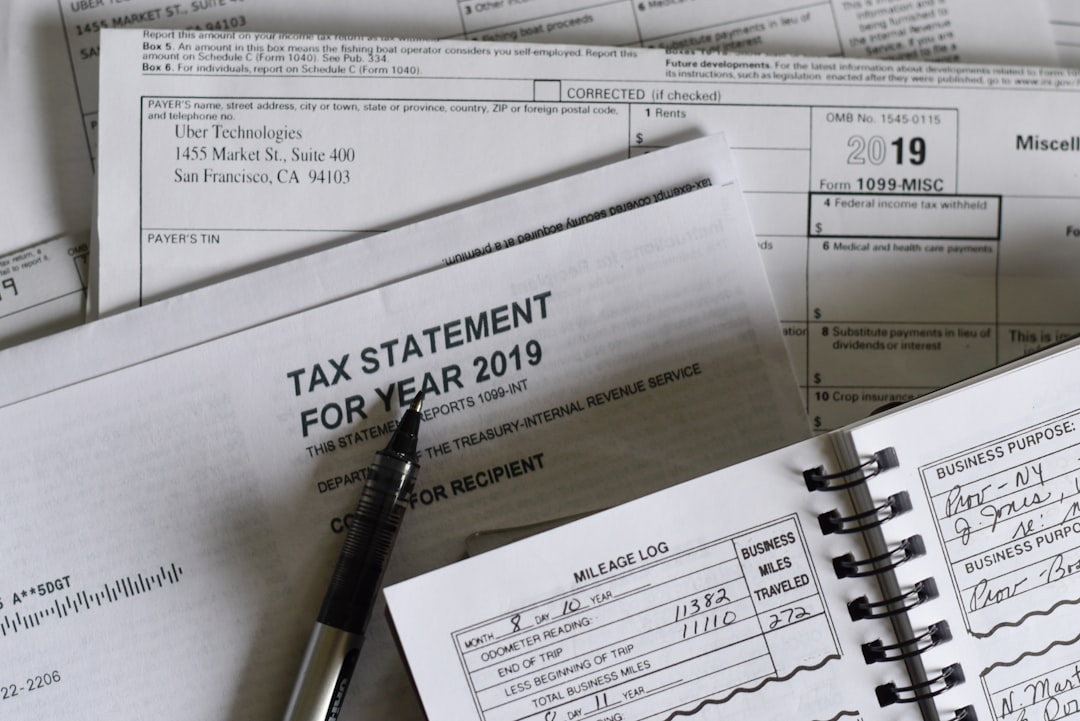
As you approach your golden years, staying informed about the latest tax laws is crucial for effective financial planning. In 2025, several changes have been implemented that specifically impact seniors, and understanding these updates can help you navigate your tax obligations more efficiently. The IRS has made adjustments to various tax brackets, deductions, and credits that can significantly affect your overall tax liability.
By familiarizing yourself with these changes, you can make informed decisions that may lead to substantial savings. One of the most notable aspects of the 2025 tax landscape for seniors is the increased standard deduction. This adjustment is designed to provide relief to older taxpayers, allowing you to reduce your taxable income more effectively.
Additionally, there are new provisions regarding retirement account withdrawals and penalties that may benefit you if you are considering tapping into your savings. By keeping abreast of these developments, you can better strategize your financial moves and ensure that you are taking full advantage of the benefits available to you.
Key Takeaways
- The latest tax laws for seniors in 2025 include changes to deductions, credits, and retirement account contributions.
- Key changes to senior tax deductions in 2025 include adjustments to standard deductions, medical expense deductions, and long-term care insurance premium deductions.
- Strategies for maximizing medical expense deductions involve keeping detailed records, utilizing health savings accounts, and understanding eligible expenses.
- Leveraging charitable contributions for tax benefits can be achieved through donating appreciated assets, utilizing donor-advised funds, and taking advantage of the higher charitable contribution limits.
- Taking advantage of retirement account contributions involves understanding catch-up contributions, Roth IRA conversions, and the impact on tax liabilities.
Key Changes to Senior Tax Deductions in 2025
In 2025, several key changes have been made to tax deductions that directly affect seniors.
Previously, you could only deduct medical expenses that exceeded a certain percentage of your adjusted gross income (AGI).
However, this threshold has been lowered, allowing you to claim a larger portion of your medical expenses as deductions. This change is particularly beneficial for seniors who often face higher healthcare costs as they age. Moreover, the deduction for state and local taxes (SALT) has also seen modifications.
In 2025, seniors may find it easier to deduct these taxes, as the cap on SALT deductions has been lifted for individuals over a certain age. This means that if you reside in a state with high property taxes or income taxes, you can potentially save more on your tax return. Understanding these changes can empower you to maximize your deductions and minimize your tax burden effectively.
Strategies for Maximizing Medical Expense Deductions

As a senior, managing healthcare costs is a significant concern, and maximizing your medical expense deductions can provide much-needed financial relief. One effective strategy is to keep meticulous records of all your medical expenses throughout the year. This includes not only doctor visits and hospital stays but also prescription medications, over-the-counter drugs, and even transportation costs related to medical appointments.
By maintaining detailed documentation, you can ensure that you capture every eligible expense when it comes time to file your taxes. Another approach is to consider bundling your medical expenses into one tax year if possible. For instance, if you anticipate high medical costs in a particular year—such as a planned surgery or extensive treatment—you might choose to schedule those expenses within the same tax year.
This strategy can help you exceed the threshold for deductibility more easily, allowing you to claim a larger deduction on your tax return. By being proactive and strategic about your healthcare spending, you can significantly enhance your tax benefits.
Leveraging Charitable Contributions for Tax Benefits
| Charitable Contribution | Tax Benefit |
|---|---|
| Donating cash | Up to 60% of adjusted gross income |
| Donating property | Up to 30% of adjusted gross income |
| Donating appreciated assets | Avoid capital gains tax |
| Donating to qualified organizations | Eligible for tax deduction |
Charitable giving is not only a way to support causes you care about but also an opportunity to gain tax benefits. In 2025, seniors can take advantage of enhanced deductions for charitable contributions. If you itemize your deductions, you may be able to deduct contributions made to qualified charitable organizations directly from your taxable income.
This can be particularly advantageous if you have a strong philanthropic inclination and want to make a positive impact while also reducing your tax liability. Additionally, consider donating appreciated assets such as stocks or real estate instead of cash. By doing so, you can avoid capital gains taxes on the appreciation while still receiving a deduction for the full market value of the asset at the time of donation.
This strategy not only benefits the charity but also allows you to maximize your tax savings. Engaging in charitable giving with an eye toward tax benefits can create a win-win situation for both your financial situation and the causes you support.
Taking Advantage of Retirement Account Contributions
Retirement accounts play a pivotal role in your financial strategy as a senior, and understanding how contributions can impact your taxes is essential. In 2025, seniors are allowed to contribute more to their retirement accounts than in previous years due to increased contribution limits. This means that if you’re still working or have income from other sources, you can take advantage of these higher limits to bolster your retirement savings while simultaneously reducing your taxable income.
Moreover, if you’re over 70½ years old, you may also benefit from the Qualified Charitable Distribution (QCD) option from your Individual Retirement Account (IRA). This allows you to donate up to $100,000 directly from your IRA to a qualified charity without having to report it as taxable income. This strategy not only helps fulfill your charitable goals but also reduces your taxable income for the year, providing dual benefits that can enhance your overall financial health.
Exploring Long-Term Care Insurance Premium Deductions
Long-term care insurance is an essential consideration for many seniors as they plan for potential future healthcare needs. In 2025, premiums paid for long-term care insurance may be deductible as medical expenses on your tax return, subject to certain limitations based on age and other factors. This deduction can significantly alleviate the financial burden associated with long-term care services, which can be quite costly.
To maximize this benefit, it’s important to ensure that your policy meets IRS requirements for deductibility. Keep thorough records of all premium payments and consult with a tax professional if you’re unsure about eligibility or how much you can deduct based on your specific circumstances. By taking advantage of long-term care insurance premium deductions, you can better prepare for future healthcare needs while also benefiting from potential tax savings.
Utilizing the Senior Tax Credit for Property Taxes
Property taxes can be a significant expense for seniors on fixed incomes, but in 2025, there are provisions in place that allow eligible seniors to claim a tax credit specifically designed for property taxes. This senior tax credit can provide substantial relief by reducing the amount of property taxes owed or offering a direct credit against your state income tax liability. To qualify for this credit, you’ll need to meet specific age and income requirements set by your state.
It’s essential to familiarize yourself with these criteria and ensure that you’re taking full advantage of any available credits. By leveraging this senior tax credit, you can alleviate some of the financial pressure associated with property ownership and maintain greater control over your budget.
Making the Most of Deductions for Home Renovations
As a senior homeowner, making modifications to your living space can enhance both comfort and safety. In 2025, certain home renovations may qualify for tax deductions if they are aimed at improving accessibility or accommodating medical needs. For instance, installing grab bars in bathrooms or widening doorways for wheelchair access may be eligible for deductions under medical expense provisions.
To maximize these deductions, it’s crucial to keep detailed records of all renovation expenses and consult with a tax professional who understands the nuances of home improvement deductions for seniors. By investing in necessary renovations while also benefiting from potential tax savings, you can create a more comfortable living environment while easing your financial burden.
Navigating the Complexities of Estate and Inheritance Taxes
Estate and inheritance taxes can be daunting topics for seniors as they plan their legacies. In 2025, understanding how these taxes work is essential for effective estate planning. While federal estate taxes may not apply to many individuals due to high exemption limits, state inheritance taxes could still impact your heirs significantly depending on where you live.
To navigate these complexities effectively, consider working with an estate planning attorney who specializes in senior issues. They can help you structure your estate in a way that minimizes tax liabilities while ensuring that your wishes are honored after you’re gone. By proactively addressing estate and inheritance taxes now, you can provide peace of mind for yourself and financial security for your loved ones in the future.
Seeking Professional Advice for Optimal Tax Planning
Given the intricacies of tax laws and regulations affecting seniors in 2025, seeking professional advice is often a wise decision. A qualified tax advisor or accountant who specializes in senior taxation can provide invaluable insights tailored to your unique financial situation. They can help identify potential deductions and credits that you may not be aware of and assist in developing a comprehensive tax strategy that aligns with your goals.
Moreover, professional guidance can help you stay compliant with ever-changing tax laws while maximizing your savings opportunities. Whether you’re navigating retirement account contributions or exploring charitable giving strategies, having an expert by your side can make all the difference in achieving optimal tax outcomes.
Tips for Keeping Detailed Records and Documentation for Tax Purposes
Maintaining accurate records is essential when it comes to filing taxes as a senior in 2025. Keeping detailed documentation not only helps ensure compliance but also maximizes potential deductions and credits available to you. Start by organizing all relevant financial documents such as receipts for medical expenses, records of charitable contributions, and statements related to retirement accounts.
Consider using digital tools or apps designed for expense tracking and record-keeping to simplify this process. Regularly updating these records throughout the year will save you time and stress when it comes time to file your taxes. By being diligent about documentation, you’ll be better prepared to take full advantage of all available tax benefits while minimizing any potential issues with the IRS down the line.
By staying informed about key changes in deductions and credits while implementing smart strategies like maximizing medical expense deductions and leveraging charitable contributions, you can navigate this complex landscape with confidence. Seeking professional advice and maintaining detailed records will further enhance your ability to optimize your tax situation as you enjoy this important stage of life.
For seniors looking to maximize their tax savings in 2025, understanding the available deductions is crucial. An insightful article that delves into this topic can be found on Explore Senior Health. This resource provides valuable information on how seniors can take advantage of various tax deductions and credits to reduce their taxable income. For more detailed guidance, you can read the full article by visiting Explore Senior Health. This article is a must-read for seniors aiming to optimize their financial planning and ensure they are not missing out on any potential tax benefits.
WATCH THIS! 👴The RMD Trap That Steals Your Medicare Savings (Hidden Tax on Seniors Exposed)
FAQs
What are senior tax deductions?
Senior tax deductions are specific tax breaks or credits available to individuals who are considered seniors, typically aged 65 and older. These deductions are designed to help seniors reduce their tax burden and save money on their annual tax bill.
What are some common senior tax deductions available in 2025?
Common senior tax deductions in 2025 may include the standard deduction for seniors, additional standard deduction for those who are blind or over 65, medical and dental expenses, retirement savings contributions credit, and property tax relief programs.
Who is eligible for senior tax deductions?
Generally, individuals who are 65 years or older are eligible for senior tax deductions. However, eligibility criteria may vary depending on the specific deduction or credit being claimed. It’s important for seniors to review the IRS guidelines and consult with a tax professional to determine their eligibility.
How can seniors claim tax deductions?
Seniors can claim tax deductions by filing their taxes using Form 1040 or Form 1040-SR and reporting their eligible deductions and credits. It’s important for seniors to keep accurate records and receipts to support their claims and ensure compliance with IRS regulations.
Are there any changes to senior tax deductions in 2025?
Tax laws and regulations are subject to change, so it’s important for seniors to stay informed about any updates or changes to senior tax deductions in 2025. Consulting with a tax professional or staying updated with IRS publications can help seniors understand any changes that may impact their tax deductions.