When it comes to making home improvements that are compliant with Medicaid, it’s essential to grasp the nuances of what qualifies as necessary modifications. Medicaid is designed to assist individuals with disabilities or chronic illnesses, ensuring they can live independently and safely in their homes. However, not all home improvements are eligible for coverage.
To be considered Medicaid-compliant, modifications must be deemed medically necessary and directly related to the individual’s health needs. This means that any changes you make should enhance your ability to perform daily activities without assistance. You should also be aware that Medicaid-compliant home improvements often include features that promote safety and accessibility.
For instance, installing grab bars, widening doorways, or adding ramps can significantly improve your quality of life. Understanding these requirements is crucial, as it allows you to plan effectively and ensure that your modifications align with Medicaid guidelines. By doing so, you can avoid unnecessary expenses and focus on creating a living environment that supports your health and well-being.
Key Takeaways
- Medicaid-compliant home improvements focus on enhancing accessibility and safety for individuals with mobility challenges.
- Key modifications include adapting bathrooms, kitchens, and installing ramps or lifts to create a wheelchair-friendly environment.
- Proper assessment of your home’s accessibility needs is essential before making any changes.
- Selecting Medicaid-approved contractors and understanding the approval process are crucial for funding eligibility.
- Ongoing maintenance ensures that home improvements remain compliant with Medicaid requirements.
Assessing Your Home’s Accessibility Needs
Before embarking on any home improvement project, it’s vital to assess your specific accessibility needs. This process involves evaluating your current living situation and identifying areas that may pose challenges. You might start by considering how you navigate through your home.
Are there stairs that make it difficult for you to move freely? Do narrow hallways restrict your mobility? By taking a close look at these aspects, you can pinpoint the modifications that will have the most significant impact on your daily life.
In addition to physical barriers, think about your personal routines and how they might be affected by your home’s layout. For example, if you have difficulty reaching high shelves or bending down, you may need to consider adjustments in your kitchen or storage areas. Engaging with an occupational therapist or a home accessibility specialist can provide valuable insights into your unique needs.
They can help you create a comprehensive plan that addresses both immediate concerns and long-term goals, ensuring that your home becomes a safe haven tailored to your lifestyle.
Adapting Your Home for Mobility Challenges
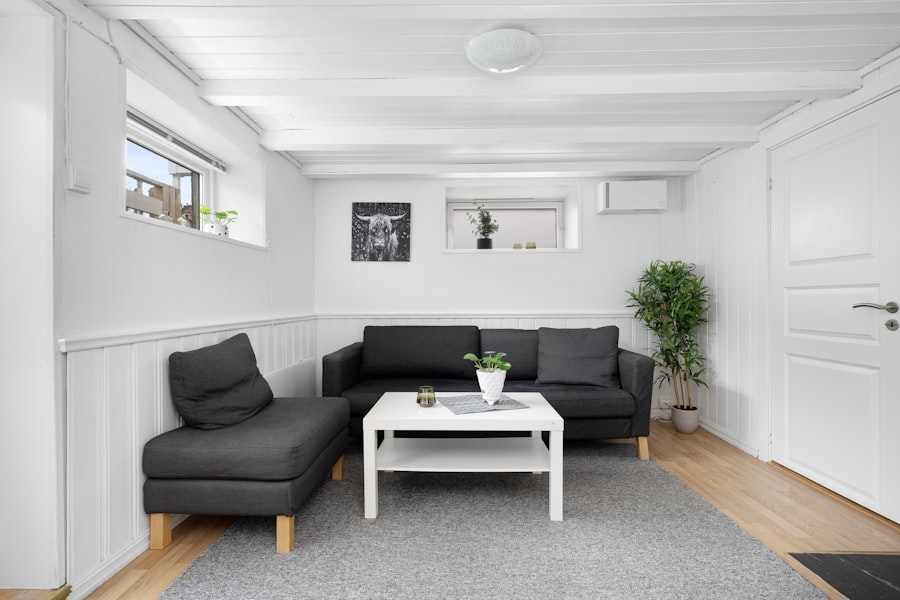
Adapting your home for mobility challenges requires thoughtful planning and execution. One of the first steps is to eliminate tripping hazards, such as loose rugs or cluttered walkways. You may also want to consider flooring options that provide better traction and stability.
Non-slip surfaces can significantly reduce the risk of falls, which is particularly important for individuals with mobility issues. Additionally, ensuring that your home is well-lit can help you navigate safely, especially in areas like staircases and hallways. Another critical aspect of adaptation is the installation of assistive devices.
These can range from simple tools like reachers and grabbers to more complex systems like stairlifts or elevators. Depending on your specific needs, you might find that certain devices enhance your independence and make daily tasks more manageable. It’s essential to choose solutions that not only meet your immediate requirements but also accommodate any potential changes in your mobility over time.
Making Your Bathroom Accessible
| Accessibility Feature | Description | Recommended Dimensions/Specifications | Benefits |
|---|---|---|---|
| Grab Bars | Support bars installed near toilet and in shower/tub area | Diameter: 1.25-1.5 inches; Distance from wall: 1.5 inches; Height: 33-36 inches from floor | Prevents falls, provides stability and support |
| Roll-in Shower | Shower with no curb or threshold for wheelchair access | Minimum size: 60 inches by 30 inches; Shower seat height: 17-19 inches | Allows easy wheelchair access and safe bathing |
| Accessible Sink | Sink with clearance underneath for wheelchair users | Clearance height: at least 27 inches; Depth: 17-19 inches; Knee clearance: 8 inches deep | Enables wheelchair users to use sink comfortably |
| Toilet Height | Comfort height toilet for easier transfers | Height: 17-19 inches from floor to seat | Reduces strain and facilitates transfers |
| Non-Slip Flooring | Flooring material that reduces slipping risk | Slip resistance rating: ADA compliant, COF ≥ 0.6 wet | Prevents slips and falls in wet areas |
| Lever-Style Faucets | Faucets that are easy to operate without tight grasping | Lever handles or touchless operation preferred | Improves usability for people with limited hand strength |
| Lighting | Bright, glare-free lighting for visibility | Minimum 50 foot-candles at sink and shower areas | Enhances safety and ease of use |
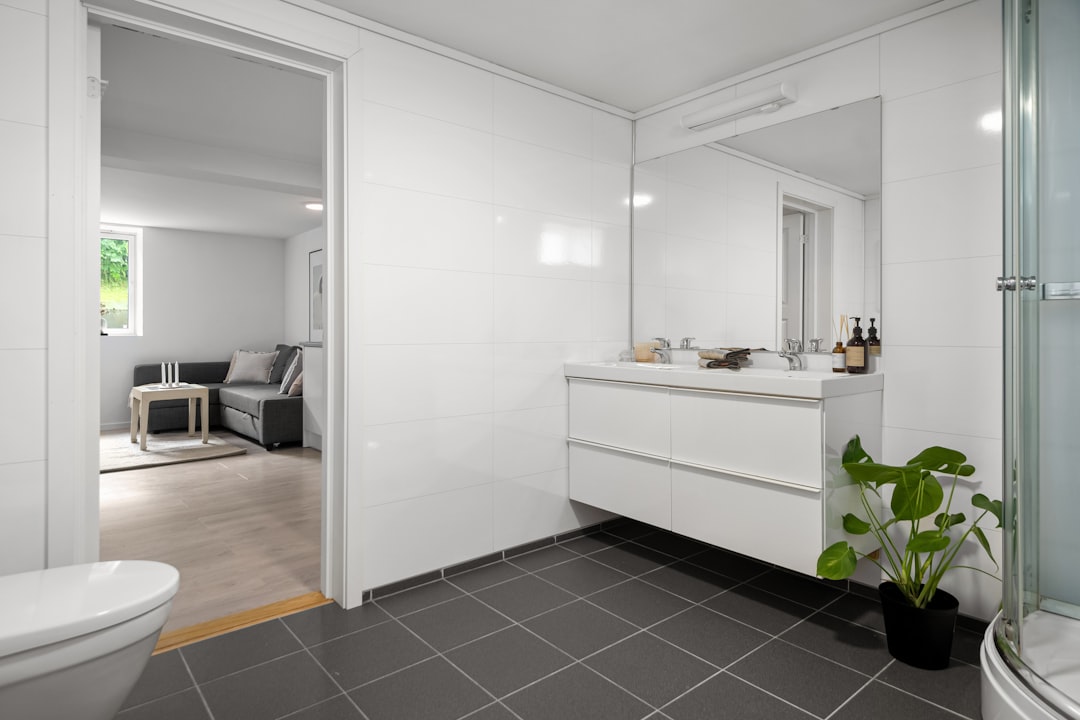
The bathroom is often one of the most challenging areas for individuals with mobility issues. Therefore, making it accessible should be a top priority in your home improvement plans. Start by evaluating the layout of your bathroom and identifying potential obstacles.
For instance, if you have a traditional bathtub, consider replacing it with a walk-in shower that features a low threshold for easy access. This change can significantly reduce the risk of slips and falls while providing a more comfortable bathing experience. In addition to modifying the shower area, installing grab bars near the toilet and sink can offer much-needed support during daily routines.
You might also want to consider a raised toilet seat or a shower bench to enhance comfort and safety. Furthermore, ensuring that all fixtures are within easy reach will make a significant difference in your ability to use the bathroom independently. By focusing on these key areas, you can create a bathroom environment that promotes safety and dignity.
Creating a Wheelchair-Friendly Home
If you or a loved one uses a wheelchair, creating a wheelchair-friendly home is essential for fostering independence and comfort. Start by ensuring that all doorways are wide enough to accommodate wheelchair access; typically, a minimum width of 32 inches is recommended. You may need to remove or adjust doors that are too narrow or install pocket doors to save space.
Additionally, consider the layout of your furniture; arranging it in a way that allows for easy navigation will make a significant difference in daily life. Another important aspect of creating a wheelchair-friendly environment is ensuring that all essential areas of your home are accessible.
You might need to install ramps or lifts in areas where stairs are present, allowing for seamless movement throughout the house. By taking these steps, you can create an inclusive living space that accommodates mobility challenges while promoting independence.
Modifying Your Kitchen for Accessibility
The kitchen is often referred to as the heart of the home, so making it accessible is crucial for maintaining independence in daily living. Start by evaluating the layout of your kitchen and identifying any barriers that may hinder movement or access to essential items. For instance, consider lowering countertops or installing pull-out shelves to make cooking and food preparation more manageable.
These modifications can significantly enhance your ability to work efficiently in the kitchen.
Ensure that frequently used items are within easy reach to minimize strain and effort when cooking or cleaning.
You might also want to invest in adaptive tools such as ergonomic utensils or one-handed kitchen gadgets that simplify tasks. By focusing on these modifications, you can create a kitchen environment that is not only functional but also enjoyable to use.
Installing Ramps and Lifts
Installing ramps and lifts is often necessary for improving accessibility in homes with multiple levels or outdoor spaces. Ramps provide a gentle slope for easy navigation, making it possible for individuals with mobility challenges to enter and exit their homes without assistance. When planning for ramps, consider factors such as slope ratio and surface material; non-slip surfaces are essential for safety during inclement weather.
Lifts are another excellent option for homes with stairs, providing a reliable means of transportation between levels without requiring physical exertion. Whether you opt for a vertical platform lift or a stairlift, ensure that the installation meets all safety standards and guidelines. Consulting with professionals who specialize in accessibility solutions can help you determine the best options for your specific needs while ensuring compliance with Medicaid regulations.
Choosing Medicaid-Approved Contractors
Selecting the right contractors for your home improvements is crucial, especially when seeking Medicaid approval for funding. Not all contractors are familiar with Medicaid guidelines, so it’s essential to choose those who have experience working within this framework. Start by researching local contractors who specialize in accessibility modifications; look for reviews and testimonials from previous clients to gauge their expertise.
When interviewing potential contractors, ask about their familiarity with Medicaid-compliant projects and whether they have worked on similar modifications before. It’s also wise to request references from past clients who have undergone similar renovations. By choosing contractors who understand the intricacies of Medicaid compliance, you can ensure that your home improvements meet all necessary standards while enhancing your living environment.
Navigating the Medicaid Approval Process
Navigating the Medicaid approval process can be daunting, but understanding the steps involved can make it more manageable. Begin by gathering all necessary documentation related to your medical condition and the proposed home improvements. This may include letters from healthcare providers outlining the need for specific modifications based on your health status.
Once you have compiled the required documentation, submit it along with your application for Medicaid funding. Be prepared for potential follow-up questions or requests for additional information from Medicaid representatives. It’s essential to stay organized throughout this process; keeping copies of all correspondence will help you track progress and address any issues promptly.
Funding Your Home Improvements
Funding your home improvements through Medicaid can significantly alleviate financial burdens associated with necessary modifications. However, understanding how funding works is crucial for maximizing benefits. In many cases, Medicaid will cover costs related to medically necessary modifications; this includes materials and labor associated with compliant renovations.
To ensure you receive appropriate funding, maintain clear communication with both your healthcare provider and contractor throughout the process. They can help provide documentation needed for approval while ensuring that all modifications align with Medicaid guidelines. Additionally, explore other funding options such as grants or local assistance programs designed to support individuals with disabilities; these resources can further supplement your budget.
Maintaining Medicaid Compliance
Once you’ve completed your home improvements, maintaining Medicaid compliance is essential for continued eligibility and support. Regularly review any changes in regulations or guidelines related to Medicaid-funded modifications; staying informed will help you avoid potential pitfalls down the line. Additionally, keep thorough records of all renovations made under Medicaid funding; this documentation will be invaluable if questions arise regarding compliance.
It’s also wise to periodically reassess your home’s accessibility needs as circumstances change over time. If new challenges arise or if additional modifications become necessary, consult with healthcare professionals who can guide you through the process of obtaining further funding or approvals from Medicaid. By remaining proactive about compliance and accessibility, you can ensure that your home continues to meet your needs while adhering to Medicaid standards.
For those considering Medicaid-compliant home improvements, it’s essential to understand the various modifications that can help maintain eligibility while enhancing safety and accessibility. A helpful resource on this topic can be found in the article on senior health, which discusses the importance of creating a supportive living environment. You can read more about it in this article: Explore Senior Health.
WATCH THIS! The $50,000 LTCI Trap That Steals Your Kid’s Inheritance
FAQs
What are Medicaid compliant home improvements?
Medicaid compliant home improvements refer to modifications made to a home that meet Medicaid program requirements. These improvements are designed to help individuals with disabilities or chronic illnesses live safely and independently in their own homes while ensuring the changes comply with Medicaid rules for funding and reimbursement.
Who is eligible for Medicaid compliant home improvements?
Eligibility typically depends on the individual’s Medicaid status, medical necessity, and the specific state Medicaid program guidelines. Generally, individuals who qualify for Medicaid and require home modifications to accommodate a disability or medical condition may be eligible for assistance with compliant home improvements.
What types of home improvements are considered Medicaid compliant?
Common Medicaid compliant home improvements include installing wheelchair ramps, grab bars, widened doorways, accessible bathrooms, stair lifts, and other modifications that improve accessibility and safety. The improvements must be medically necessary and approved by Medicaid.
How does one apply for Medicaid compliant home improvements?
Applicants usually need to work with a healthcare provider or case manager to document the medical necessity of the home improvements. Then, they submit an application through their state Medicaid agency, which reviews and approves the request based on program criteria.
Are Medicaid compliant home improvements fully covered by Medicaid?
Coverage varies by state and individual circumstances. Some states may cover the full cost of approved home modifications, while others may require cost-sharing or have limits on the amount reimbursed. It is important to check specific state Medicaid policies.
Can Medicaid compliant home improvements be made before approval?
Generally, Medicaid requires prior approval before making home improvements to ensure they meet program requirements. Making changes without approval may result in denial of reimbursement or coverage.
Do Medicaid compliant home improvements affect property value?
Home modifications may affect property value, but Medicaid focuses on medical necessity rather than real estate considerations. Some improvements may increase accessibility and appeal, while others are specialized and may not significantly impact market value.
Are there limits on the cost or scope of Medicaid compliant home improvements?
Yes, many state Medicaid programs set limits on the amount they will pay for home modifications. These limits vary and may depend on the type of improvement, the individual’s needs, and available funding.
Can Medicaid compliant home improvements be transferred if the home is sold?
Typically, Medicaid does not require repayment or transfer of home improvements if the property is sold. However, some states may have specific rules regarding liens or recovery of Medicaid funds related to home modifications.
Where can I find more information about Medicaid compliant home improvements?
For detailed information, contact your state Medicaid agency or visit their official website. Healthcare providers, social workers, and Medicaid case managers can also provide guidance on eligibility, application processes, and approved home modifications.