
You are over 60, and the landscape of Medicare and healthy living has unfolded before you. Perhaps you’ve heard whispers about intermittent fasting (IF) – a dietary approach that focuses on when you eat, rather than strictly what you eat. For those navigating retirement and the unique health considerations of aging, IF can appear as a beacon, promising a streamlined path to well-being. This guide aims to illuminate intermittent fasting through the lens of your Medicare eligibility and the specific needs of seniors over 60. We will explore the science, the practicalities, and the potential benefits, all while grounded in a factual, no-nonsense approach.
You’re likely accustomed to set meal times, the comforting rhythm of breakfast, lunch, and dinner. Intermittent fasting, however, doesn’t prescribe a specific diet plan. Instead, it’s an eating pattern that cycles between periods of voluntary fasting and non-fasting. Think of it not as a diet that restricts food groups, but as a schedule that guides your eating windows. This concept might seem alien at first, like learning a new dance. However, understanding its core principles is the first step to determining if it’s a rhythm that suits your life.
The “When” vs. The “What”
The primary distinction of IF lies in its emphasis on time. While traditional diets often focus on calorie counting or eliminating certain macronutrients, IF prioritizes establishing a structure for when you consume your calories. This doesn’t mean you can disregard nutrition entirely. What you eat during your eating window remains crucial for obtaining vitamins, minerals, and energy. However, the chronological aspect is the defining feature, essentially acting as a frame around your nutritional intake.
Common Intermittent Fasting Methods
Several popular approaches to IF exist, each with its own structure. Your decision on which to adopt will depend on your lifestyle, personal preferences, and how your body responds. These aren’t rigid commandments, but rather adaptable frameworks.
16/8 Method: The Most Popular Starting Point
This is often the entry point for many individuals new to IF. It involves fasting for 16 hours and restricting your eating window to the remaining 8 hours of the day. For instance, you might finish your last meal by 7 PM and not eat again until 11 AM the next morning. This can be easily integrated into a daily routine by simply skipping breakfast or having an early dinner. Consider it a flexible dial you can adjust.
5:2 Diet: A Weekly Approach
The 5:2 diet involves eating normally for five days of the week and significantly restricting calorie intake to around 500-600 calories on two non-consecutive days. This method offers a different kind of flexibility, allowing for more traditional eating patterns on most days while still incorporating the principles of IF. It can be likened to having a few “light” days in your week sprinkled amongst the celebratory feasts.
Eat-Stop-Eat: The 24-Hour Reset
This method involves a 24-hour fast once or twice a week. For example, you might finish dinner on Monday evening and not eat again until dinner on Tuesday evening. This is a more significant commitment and might require more careful planning, especially regarding hydration and ensuring adequate nutrient intake on eating days. This is akin to a periodic system reboot for your body.
Alternate-Day Fasting: A More Intense Schedule
Alternate-day fasting involves alternating between days of normal eating and days of severe calorie restriction or complete fasting. This is a more advanced approach and may not be suitable for everyone, especially seniors who may have specific nutritional needs or medical conditions. This method is like a more pronounced ebb and flow in your dietary rhythm.
Intermittent fasting has gained popularity as a potential health strategy for seniors, particularly those over 60, as it may offer various benefits such as improved metabolic health and weight management. For a deeper understanding of how intermittent fasting can specifically impact seniors and the considerations they should keep in mind, you can read a related article on this topic at Explore Senior Health. This resource provides valuable insights and guidelines tailored to the needs of older adults considering this dietary approach.
Intermittent Fasting and Your Health Over 60
As you navigate your golden years, health becomes a more prominent consideration. Intermittent fasting, when approached thoughtfully, can align with several health goals relevant to seniors. The key is to understand how these fasting periods might influence your body’s natural processes and whether these influences are beneficial for your age group. Think of your body as a finely tuned instrument; IF might be a new way to adjust its settings.
Potential Health Benefits for Seniors
Research, though still evolving, suggests potential benefits of IF that could be particularly valuable for individuals over 60. These benefits are not guaranteed, but they represent areas where IF might offer a positive impact.
Improved Insulin Sensitivity and Blood Sugar Control
One of the most frequently cited benefits of IF is its potential to improve insulin sensitivity. For seniors, particularly those managing or at risk of type 2 diabetes, this can be a significant advantage. By giving your body periods without food, you allow insulin levels to decrease, which can help your cells become more responsive to insulin over time. This can lead to better blood sugar management. Imagine your cells as doors that need insulin to open; IF can help keep those doors more receptive.
Weight Management and Body Composition
Achieving and maintaining a healthy weight is often a concern for seniors. IF can be an effective tool for weight management as it can naturally lead to a reduction in overall calorie intake. Furthermore, some studies suggest that IF can help preserve muscle mass while reducing body fat, a crucial consideration for maintaining mobility and strength as you age. It’s about sculpting your physique for sustained vitality.
Cellular Repair and Longevity Pathways (Autophagy)
A fascinating aspect of IF is its potential to trigger autophagy, a natural cellular “clean-up” process. During fasting periods, your cells can remove damaged components and regenerate themselves. This process is thought to play a role in disease prevention and may contribute to longevity. This is your body’s internal maintenance crew at work.
Brain Health and Cognitive Function
Emerging research explores the impact of IF on brain health. Some studies suggest that IF may improve cognitive function, protect against neurodegenerative diseases, and promote the production of brain-derived neurotrophic factor (BDNF), a protein essential for learning and memory. Think of it as giving your brain a mental tune-up.
Cardiovascular Health Improvements
IF may also contribute to improved cardiovascular health markers, such as reduced blood pressure, lower LDL cholesterol, and reduced triglycerides. These improvements are vital for maintaining heart health as you get older. It’s like tending to the engine of your body for a smoother ride.
Considerations Specific to Seniors Over 60
While the potential benefits are compelling, it’s crucial to approach IF with an awareness of the unique physiological changes that can occur with age. Your body’s adaptability might differ, and certain health conditions require careful management.
Medication Management and Meal Timing
Many seniors take medications, some of which need to be taken with food. This is a critical point of intersection between IF and your Medicare prescription coverage. You will need to meticulously plan your eating windows to ensure you can take your medications as prescribed. This requires open communication with your doctor and pharmacist, and perhaps adjusting your IF schedule to accommodate your medication regimen. Don’t let your fast become a barrier to your treatment.
Nutritional Adequacy During Eating Windows
As you age, your body’s ability to absorb certain nutrients might change, and your nutritional requirements can shift. It’s paramount that your eating windows are packed with nutrient-dense foods. Skipping meals or having very short eating windows without proper planning can lead to deficiencies. Your Medicare plan covers visits to doctors and dietitians who can help you create a balanced meal plan. This isn’t just about eating; it’s about strategic refueling.
Energy Levels and Hydration
Some individuals, especially when first starting IF, may experience fluctuations in energy levels. For seniors, maintaining consistent energy is vital for daily activities and overall well-being. Proper hydration is also non-negotiable. During fasting periods, water, unsweetened tea, and black coffee are permitted, but it’s essential to drink enough to avoid dehydration, which can be particularly problematic for older adults. Think of hydration as the oil that keeps your personal machinery running smoothly.
Existing Health Conditions
Pre-existing health conditions, such as diabetes, kidney disease, or a history of eating disorders, require careful consideration. IF may not be suitable or may need significant modification for individuals with these conditions. This is where your Medicare-provided consultations with specialists become invaluable. They are your navigators in uncharted dietary waters.
Intermittent Fasting and Your Medicare Plan: A Practical Overview
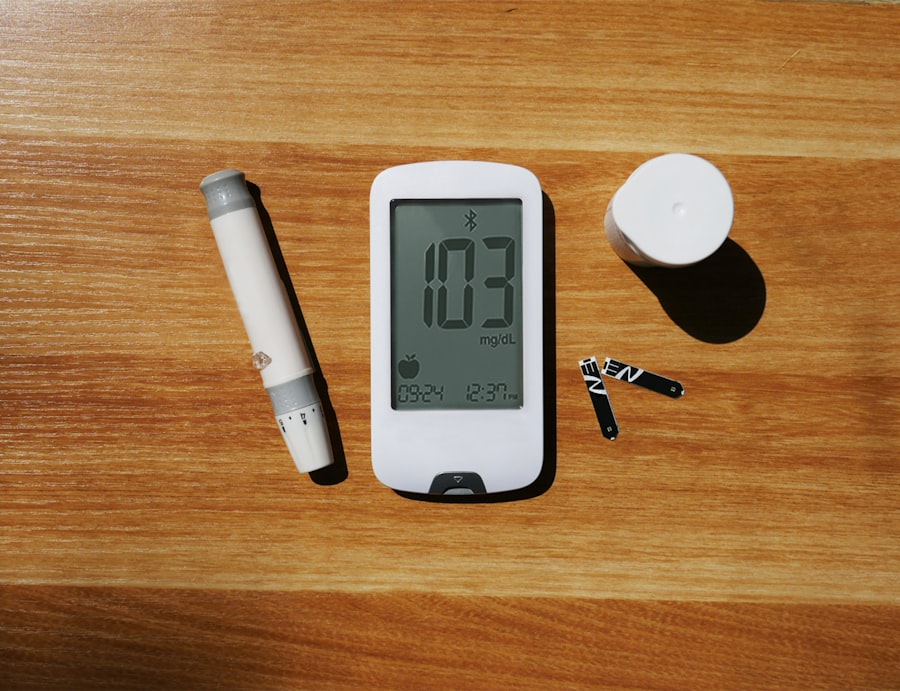
Your Medicare plan can be a powerful ally in your journey with intermittent fasting. While Medicare doesn’t cover specific diets or fasting methods directly, it provides access to the healthcare professionals and services that are essential for safely and effectively incorporating IF into your life. Think of Medicare as your support crew, ensuring you have the resources you need.
Leveraging Medicare for Guidance and Support
The primary way your Medicare plan intersects with IF is through the access it provides to healthcare professionals. These are the individuals who can help you assess your suitability, create a personalized plan, and monitor your progress.
Physician Consultations: The First Step
Before embarking on any new dietary regimen, especially one like IF, a conversation with your primary care physician is paramount. They can assess your overall health, review your medical history, and discuss any potential contraindications. Your Medicare Part B generally covers preventive services and office visits with your doctor, making this consultation largely accessible. This is your foundational assessment before setting sail.
Registered Dietitian Consultations: Crafting Your Nutrition Plan
A registered dietitian (RD) can be your most valuable resource when implementing IF. They can help you design a nutritionally sound eating window, ensuring you meet all your vitamin and mineral needs. They can also help you navigate the complexities of medication timing and IF. Medicare Part B may cover Medical Nutrition Therapy (MNT) for certain conditions, such as diabetes or kidney disease, which could be highly relevant to your IF journey. Don’t overlook this crucial partnership.
Specialist Consultations: Addressing Specific Health Concerns
If you have pre-existing conditions like diabetes, heart disease, or gastrointestinal issues, your Medicare plan can facilitate consultations with specialists. These experts can provide tailored advice on how IF might interact with your specific health needs and how to manage any potential risks. Access to these specialists is a cornerstone of comprehensive Medicare coverage.
Understanding Medicare Coverage Related to IF
It’s important to be clear about what Medicare does and does not directly cover when it comes to intermittent fasting.
What Medicare Can Help With:
- Preventive Services: Annual wellness visits and other preventive screenings are covered, allowing you to discuss your health goals, including IF, with your doctor.
- Doctor Office Visits: Consultations with your primary care physician or specialists to discuss your health and dietary approaches.
- Medical Nutrition Therapy (MNT): For individuals with specific diagnosed conditions like diabetes, obesity, cardiovascular disease, or kidney disease, Medicare Part B may cover MNT services provided by a registered dietitian. This is a direct pathway to expert nutritional guidance.
- Diagnostic Tests: If your doctor recommends tests to monitor your health while undertaking IF (e.g., blood glucose tests), these are typically covered under Medicare.
What Medicare Does Not Directly Cover:
- Fasting Programs or Apps: Medicare does not cover specific branded fasting programs or apps.
- Dietary Supplements (unless prescribed for a specific condition): While you might use supplements to enhance your nutrition during eating windows, general supplement coverage is limited.
- Specific “Intermittent Fasting” Coaching: While RDs can coach you on nutrition, Medicare doesn’t typically cover generic “fasting coaching” services.
Practical Implementation: Making Intermittent Fasting Work for You

Transitioning to intermittent fasting requires a structured approach. It’s not about drastic changes overnight, but rather a gradual adaptation. Think of it as carefully choreographing a new routine, ensuring each step is well-considered.
Gradual Introduction and Listening to Your Body
The most effective way to start IF is by easing into it. Don’t jump into a 24-hour fast on your first attempt. Allow your body time to adjust.
Starting with Shorter Fasting Periods
Begin by extending your overnight fast by an hour or two. If you typically finish dinner at 7 PM and eat breakfast at 7 AM, try pushing breakfast to 8 AM. Gradually increase the fasting duration as you feel comfortable. This is like dipping your toes in before diving into the ocean.
Identifying Your Ideal Eating Window
Experiment with different eating windows to find what best suits your daily schedule, energy levels, and social commitments. The 16/8 method is a common starting point, but some individuals may find a 14-hour fast with a 10-hour eating window more manageable. Your body will often send signals indicating what works best.
Hydration Strategies During Fasting
Proper hydration is paramount, especially during fasting periods. Dehydration can mimic hunger pangs and lead to fatigue and headaches.
Water as Your Primary Ally
Plain water should be your go-to beverage. Keep a water bottle with you throughout the day and sip it regularly.
Unsweetened Beverages
Unsweetened black tea, green tea, and black coffee are also permissible during fasting periods and can provide a mild boost of energy. However, be mindful of caffeine intake, especially if it interferes with your sleep.
Electrolyte Balance
For longer fasting periods, or if you experience symptoms of electrolyte imbalance (e.g., headaches, dizziness), consider consulting with your doctor about electrolyte supplementation. This is akin to ensuring all the crucial fluids are circulating within your personal system.
Nutrient-Dense Eating During Your Window
The quality of your food choices during your eating window is as critical as the timing of your fasts. This is where your focus on nutrition truly comes into play.
Prioritizing Whole Foods
Focus on a balanced intake of lean proteins, healthy fats, and complex carbohydrates from whole, unprocessed foods. Examples include fruits, vegetables, whole grains, legumes, nuts, seeds, fish, poultry, and lean meats.
Strategic Meal Planning
Planning your meals in advance can help ensure you’re getting a wide variety of nutrients and avoiding impulse, less healthy choices due to hunger. This is about building a robust nutritional foundation.
Protein Intake
Adequate protein intake is particularly important for seniors to maintain muscle mass. Aim to include a protein source in each meal within your eating window.
Listening to Your Body and Adjusting
This is perhaps the most important principle. Your body is your best indicator of what’s working and what’s not.
Recognizing Hunger and Satiety Cues
Learn to differentiate between true hunger and cravings or thirst. Pay attention to when you feel satisfied after eating.
Adjusting When Necessary
If you experience persistent fatigue, dizziness, irritability, or other negative symptoms, it may be a sign that your IF schedule needs adjustment or that IF is not suitable for you at this time. It’s not a sign of failure, but an indication to re-evaluate and recalibrate.
Intermittent fasting has gained popularity as a potential health strategy for seniors over 60, offering benefits such as improved metabolism and better cognitive function. For those interested in exploring this approach further, a related article provides valuable insights and practical tips on how to safely implement intermittent fasting in daily routines. You can read more about it in this informative piece on senior health, which discusses various methods and considerations for older adults. For more details, check out the article here.
Potential Challenges and How to Overcome Them
| Metric | Value | Notes |
|---|---|---|
| Percentage of Seniors Over 60 Practicing Intermittent Fasting | 12% | Based on recent surveys in Medicare populations |
| Average Weight Loss Over 3 Months | 4.5 kg | Reported in seniors practicing 16:8 fasting |
| Improvement in Blood Sugar Levels (HbA1c Reduction) | 0.5% | Observed in diabetic seniors following intermittent fasting |
| Reported Increase in Energy Levels | 68% | Percentage of seniors reporting improved energy |
| Incidence of Adverse Effects | 8% | Includes dizziness, headaches, and fatigue |
| Medicare Coverage for Nutritional Counseling on Intermittent Fasting | Available | Under certain preventive care plans |
While intermittent fasting can offer numerous benefits, it’s not without its potential hurdles. Recognizing these challenges and having strategies to address them can significantly improve your experience. Think of these as potential rough patches on your journey, for which you have a map and tools.
Managing Hunger Pangs
Hunger is the most common challenge individuals face when starting IF. Your body is accustomed to a certain feeding schedule, and it will signal when it expects food.
Hydration is Key
As mentioned earlier, drinking water can often curb hunger pangs. Many times, what feels like hunger is actually thirst.
Distraction Techniques
Engage in activities that can distract you from your hunger, such as reading, light exercise, or a hobby.
Strategic Meal Timing
If possible, align your eating window with your most socially active or demanding times of the day.
Lean Protein and Fiber
Ensure your meals within your eating window are rich in protein and fiber, as these nutrients promote satiety and can help you feel fuller for longer.
Social Situations and Eating Together
Dining out with friends and family, or attending social gatherings, can present a challenge to maintaining a strict IF schedule.
Planning Ahead for Social Events
If you know you have a social event, you might adjust your eating window for that day to accommodate the meal. For example, you might have a later breakfast or an earlier dinner to align with the occasion.
Communicating with Loved Ones
Let your friends and family know about your dietary choices. They may be understanding and supportive.
Focusing on the Social Aspect
Remember that social gatherings are about connection, not just food. Focus on the conversation and company.
Potential Side Effects and When to Seek Medical Advice
While generally safe for healthy individuals, IF can sometimes lead to mild side effects, especially during the initial adjustment period.
Headaches and Fatigue
These are common in the first few days as your body adapts to a new eating pattern. Ensure you are adequately hydrated. If they persist, consult your doctor.
Irritability and Mood Swings
These can occur as your blood sugar levels fluctuate. If they become severe or interfere with your daily life, a medical consultation is advisable.
Digestive Issues
Some individuals may experience constipation or diarrhea. Adjusting your fiber intake and fluid consumption can often help.
When to Call Your Doctor Immediately
- Severe dizziness or fainting spells.
- Persistent nausea or vomiting.
- Signs of dehydration (e.g., decreased urination, extreme thirst).
- Any new or worsening pain.
- If you have underlying health conditions that you are concerned about.
Your Medicare coverage provides access to a network of healthcare professionals who can help you navigate any challenges or concerns that arise during your IF journey. Don’t hesitate to reach out to them.
Intermittent Fasting as a Lifestyle Choice for Seniors
Ultimately, intermittent fasting, like any dietary approach, should be viewed as a potential lifestyle choice that can contribute to your overall well-being. The key is to adopt it in a way that is sustainable, enjoyable, and conducive to your individual health needs and circumstances as a senior over 60. It’s not a quick fix, but a long-term strategy for health.
Sustainability and Long-Term Adherence
The most effective dietary strategies are those that you can maintain over the long haul. IF’s flexibility, particularly methods like 16/8, can make it a sustainable option for many seniors.
Finding a Pattern That Fits Your Life
Don’t force a fasting schedule that doesn’t align with your daily routines, work commitments (if applicable), or social life. The goal is to integrate IF, not to have it dictate your life.
Patience and Persistence
As with any new habit, there will be an adjustment period. Be patient with yourself, and don’t get discouraged by occasional slip-ups. Persistence is your guiding star.
The Role of Mindset and Self-Compassion
Approaching IF with a positive and self-compassionate mindset is crucial for long-term success.
Focus on Progress, Not Perfection
Celebrate the small victories. Every day you successfully adhere to your fasting window is a step forward.
Avoid All-or-Nothing Thinking
If you miss a fasting window or overeat on an eating day, it’s not the end of the world. Simply return to your plan at the next opportunity.
Self-Care Beyond Food
Remember that overall well-being encompasses more than just diet. Prioritize sleep, manage stress, and engage in physical activity. These are the pillars that support your dietary efforts.
Integrating IF with a Holistic Approach to Health
Intermittent fasting is most effective when integrated into a broader holistic approach to health. This means considering all aspects of your well-being.
Regular Exercise
Combine IF with a regular exercise routine, tailored to your fitness level and abilities. This could include walking, swimming, strength training, or yoga.
Stress Management
Chronic stress can negatively impact your health and potentially your adherence to IF. Incorporate stress-reducing activities into your routine, such as meditation, deep breathing exercises, or spending time in nature.
Quality Sleep
Adequate sleep is vital for hormonal balance, metabolism, and overall health. Aim for 7-9 hours of quality sleep per night.
By approaching intermittent fasting with knowledge, careful planning, and a supportive mindset, you can explore its potential to enhance your health and well-being in your retirement years. Your Medicare plan stands as a testament to your access to resources that can guide you on this path.
FAQs
What is intermittent fasting and how does it work for seniors over 60?
Intermittent fasting is an eating pattern that cycles between periods of fasting and eating. For seniors over 60, it can help improve metabolic health, support weight management, and potentially reduce the risk of chronic diseases. It typically involves limiting food intake to specific time windows, such as 16 hours of fasting followed by an 8-hour eating period.
Is intermittent fasting safe for seniors over 60?
Intermittent fasting can be safe for many seniors over 60, but it is important to consult with a healthcare provider before starting. Seniors may have unique health conditions or nutritional needs that require tailored fasting plans to avoid risks such as low blood sugar, dehydration, or nutrient deficiencies.
Does Medicare cover intermittent fasting programs or related services?
Medicare generally does not cover intermittent fasting programs or diet plans directly. However, Medicare may cover nutritional counseling or medical services related to managing chronic conditions that could benefit from dietary changes, including intermittent fasting, if prescribed by a healthcare provider.
What are the potential health benefits of intermittent fasting for seniors?
Potential benefits for seniors include improved blood sugar control, reduced inflammation, better heart health, enhanced brain function, and weight management. These benefits can contribute to overall healthier aging, but results vary and should be monitored by a healthcare professional.
Are there any risks or precautions seniors should consider before starting intermittent fasting?
Yes, seniors should be cautious if they have diabetes, low blood pressure, a history of eating disorders, or are taking medications that require food intake. It is important to stay hydrated, maintain balanced nutrition during eating periods, and seek medical advice to ensure intermittent fasting is appropriate and safe.