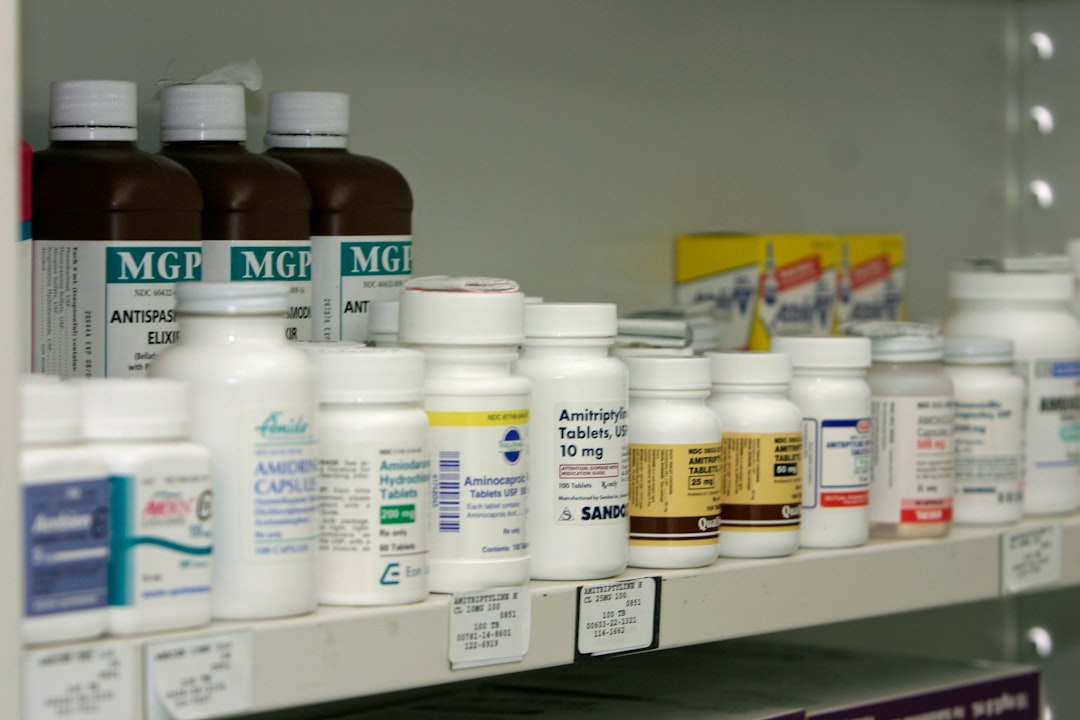
As you age, the complexities of managing your health often increase, particularly when it comes to medication. Older adults frequently take multiple prescriptions, over-the-counter drugs, and supplements, which can lead to a higher risk of medication errors. Understanding the importance of medication safety is crucial for maintaining your health and well-being.
With the right knowledge and tools, you can navigate the intricacies of your medication regimen more effectively, ensuring that you receive the maximum benefit from your treatments while minimizing potential risks. Medication safety is not just about taking the right pills at the right times; it encompasses a broader understanding of how medications interact with each other and how they affect your body as you age. Factors such as changes in metabolism, kidney function, and overall health can influence how your body processes medications.
Therefore, being proactive about medication safety is essential for older adults like you, who may be more vulnerable to adverse effects and complications.
Key Takeaways
- Medication safety is crucial for older adults due to increased risks of medication mismanagement.
- A personalized medication safety checklist helps prevent errors and ensures proper medication use.
- Key checklist components include accurate medication lists, dosage instructions, and monitoring for side effects.
- Collaboration with healthcare providers and clear communication are essential for effective medication safety.
- Utilizing available resources and tools supports older adults in managing their medications safely.
Importance of Medication Safety Checklist for Older Adults
Creating a medication safety checklist is an invaluable tool for older adults. This checklist serves as a practical guide to help you keep track of your medications, dosages, and schedules. By having a clear outline of what you need to take and when, you can significantly reduce the chances of missing doses or taking incorrect amounts.
This simple yet effective strategy can empower you to take control of your health and ensure that you are adhering to your prescribed treatment plan. Moreover, a medication safety checklist can help you identify potential drug interactions and side effects. As you may be aware, certain medications can have adverse effects when taken together.
By keeping a detailed record of all the medications you are taking, including over-the-counter drugs and supplements, you can better communicate with your healthcare provider about any concerns or changes in your health. This proactive approach not only enhances your safety but also fosters a collaborative relationship with your healthcare team.
Understanding the Risks of Medication Mismanagement in Older Adults

The risks associated with medication mismanagement in older adults are significant and multifaceted. One of the most pressing concerns is the potential for adverse drug reactions, which can lead to hospitalization or even death. As you age, your body may respond differently to medications, making it crucial to monitor how you feel after starting a new drug or changing dosages.
Mismanagement can also result in missed doses or taking medications at incorrect times, which can compromise the effectiveness of your treatment. Additionally, cognitive decline is a common issue among older adults that can further complicate medication management. You may find it challenging to remember which medications to take and when, leading to confusion and mistakes.
This cognitive impairment can create a cycle of mismanagement that exacerbates health issues and increases the risk of falls or other accidents. Understanding these risks is the first step toward implementing strategies that promote medication safety in your daily life.
Key Components of a Medication Safety Checklist for Older Adults
A well-structured medication safety checklist should include several key components to ensure comprehensive management of your medications. First and foremost, it should list all medications you are currently taking, including prescription drugs, over-the-counter medications, and dietary supplements. For each entry, include important details such as the dosage, frequency, and purpose of the medication.
This information will serve as a quick reference guide whenever you need it. Another essential component is a section dedicated to tracking any side effects or adverse reactions you may experience. By documenting these occurrences, you can provide valuable information to your healthcare provider during appointments.
Additionally, consider including reminders for regular check-ups or lab tests that may be necessary to monitor your health while on certain medications. This proactive approach will help ensure that you remain informed about your treatment plan and its effectiveness.
Tips for Creating a Personalized Medication Safety Checklist
| Checklist Item | Description | Metric/Indicator | Target/Goal |
|---|---|---|---|
| Medication Review | Regular review of all medications by healthcare provider | Percentage of older adults receiving medication review annually | ≥ 90% |
| Medication Reconciliation | Verification of medication list during care transitions | Percentage of care transitions with completed medication reconciliation | ≥ 95% |
| Adverse Drug Event Monitoring | Tracking and reporting of adverse drug events (ADEs) | Number of ADEs per 1000 older adult patients | Reduce by 20% annually |
| Patient Education | Providing clear instructions and information about medications | Percentage of patients receiving medication education | ≥ 95% |
| Polypharmacy Assessment | Identification and management of polypharmacy (≥5 medications) | Percentage of patients assessed for polypharmacy | ≥ 90% |
| Medication Adherence | Monitoring and support for medication adherence | Percentage of patients with ≥80% medication adherence | ≥ 85% |
| Use of Potentially Inappropriate Medications (PIMs) | Identification and reduction of PIMs in older adults | Percentage of patients prescribed PIMs | ≤ 10% |
| Renal and Hepatic Function Monitoring | Regular assessment of kidney and liver function for dose adjustment | Percentage of patients with recent renal/hepatic function tests | ≥ 90% |
When creating your personalized medication safety checklist, consider tailoring it to fit your unique needs and lifestyle. Start by organizing your medications by time of day or by type (e.g., morning vs. evening medications). This organization can make it easier for you to remember when to take each medication and reduce the likelihood of confusion. You might also want to use color-coding or symbols to differentiate between various types of medications or their purposes. In addition to organization, think about incorporating technology into your checklist. There are numerous apps available that can help you manage your medications more effectively by sending reminders and tracking dosages.
The key is to find a system that works best for you and encourages adherence to your medication regimen.
How to Implement and Use a Medication Safety Checklist
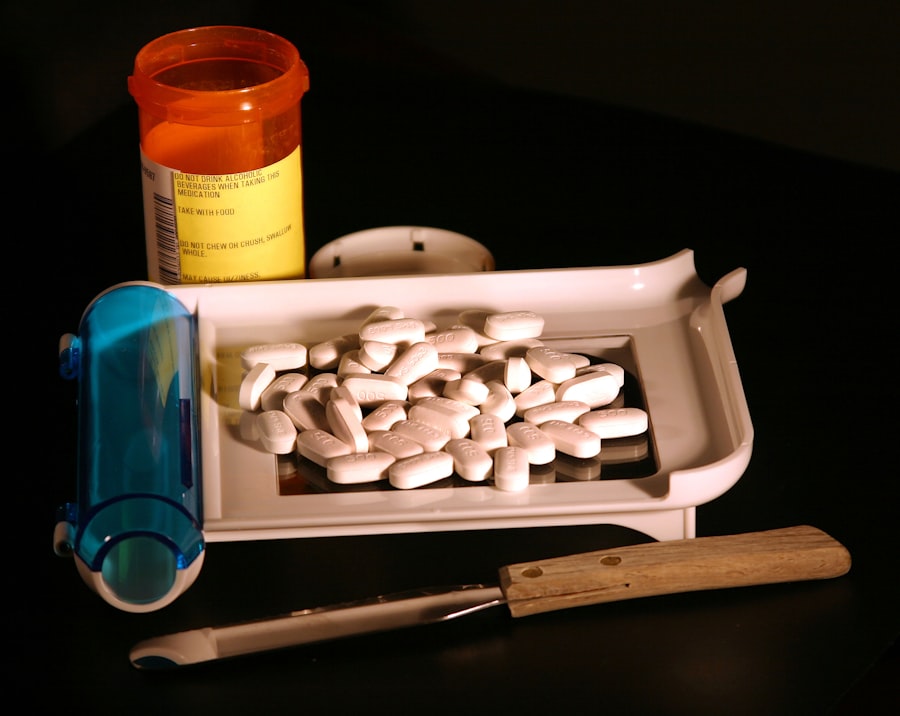
Once you’ve created your medication safety checklist, it’s time to put it into action. Start by reviewing it regularly—ideally daily—to ensure that you’re following your prescribed regimen accurately. You might find it helpful to set specific times each day to check off completed doses or note any changes in how you’re feeling after taking your medications.
This routine will help reinforce good habits and keep you accountable for managing your health. In addition to personal use, consider sharing your checklist with family members or caregivers who may assist you in managing your medications. By involving them in the process, you create an additional layer of support that can help catch any potential errors or misunderstandings regarding your treatment plan.
Open communication with those around you will foster a collaborative environment focused on ensuring your medication safety.
Common Medication Safety Challenges for Older Adults
Despite best efforts, older adults often face several common challenges related to medication safety. One significant issue is polypharmacy—the concurrent use of multiple medications—which increases the risk of drug interactions and side effects. As you may be aware, managing several prescriptions can become overwhelming, leading to confusion about which medications to take at what times.
Another challenge is the potential for financial constraints affecting access to necessary medications. Many older adults are on fixed incomes and may struggle to afford their prescriptions, leading them to skip doses or not fill prescriptions altogether. This situation can have dire consequences for health outcomes and overall well-being.
Recognizing these challenges is essential for developing effective strategies that promote medication safety among older adults.
Resources and Tools for Medication Safety for Older Adults
Fortunately, there are numerous resources available to assist older adults in managing their medications safely. Many healthcare providers offer medication management programs designed specifically for seniors, providing personalized support and guidance on how to navigate complex regimens. Additionally, community organizations often host workshops or seminars focused on medication safety that can provide valuable information.
Online resources are also abundant; websites such as the National Institute on Aging offer comprehensive guides on medication management tailored for older adults. Furthermore, consider utilizing pill organizers or automated dispensers that can simplify the process of taking multiple medications at once. These tools can significantly enhance adherence and reduce the risk of errors in your medication routine.
The Role of Healthcare Providers in Medication Safety for Older Adults
Healthcare providers play a pivotal role in ensuring medication safety for older adults like yourself. They are responsible for prescribing appropriate medications based on individual health needs while considering potential interactions and side effects. Regular check-ups with your healthcare provider are essential for monitoring how well your medications are working and making necessary adjustments.
Moreover, open communication with your healthcare team is vital for addressing any concerns or questions you may have about your medications. Don’t hesitate to discuss any side effects you’re experiencing or inquire about alternatives if you’re struggling with adherence due to cost or complexity. Your healthcare provider is there to support you in achieving optimal health outcomes through safe medication practices.
Strategies for Communicating About Medication Safety with Older Adults
Effective communication about medication safety is crucial for fostering understanding among older adults regarding their treatment plans. When discussing medications with older adults, use clear and simple language that avoids medical jargon. Encourage questions and provide thorough answers to ensure they feel comfortable discussing their concerns.
Additionally, consider using visual aids such as charts or diagrams that illustrate how different medications work together or highlight potential side effects.
By creating an open dialogue about medication safety, you empower older adults to take an active role in managing their health.
Conclusion and Next Steps for Ensuring Medication Safety for Older Adults
In conclusion, ensuring medication safety for older adults is a multifaceted endeavor that requires awareness, organization, and communication. By creating a personalized medication safety checklist and utilizing available resources, you can significantly reduce the risks associated with medication mismanagement. Remember that regular communication with healthcare providers is essential for maintaining optimal health outcomes.
As you move forward, take proactive steps toward implementing these strategies in your daily life. Share what you’ve learned with family members or caregivers who can support you in this journey toward better health management. By prioritizing medication safety, you’re not only safeguarding your well-being but also empowering yourself to live a healthier and more fulfilling life as an older adult.
Ensuring medication safety for older adults is crucial, and a helpful resource on this topic can be found in the article on the Explore Senior Health website. This article provides valuable insights and guidelines that can assist caregivers and healthcare professionals in managing medications effectively. For more information, you can read the article here: Explore Senior Health.
🚨 WATCH THIS IF YOU TAKE ANY “PM” PILLS AFTER 60
FAQs
What is a medication safety checklist for older adults?
A medication safety checklist for older adults is a tool designed to help seniors and their caregivers manage medications safely. It typically includes steps to review medications, check for potential interactions, ensure proper dosages, and monitor side effects.
Why is medication safety important for older adults?
Medication safety is crucial for older adults because they often take multiple medications, which increases the risk of drug interactions, side effects, and medication errors. Age-related changes in metabolism and organ function can also affect how drugs work in their bodies.
What should be included in a medication safety checklist?
A medication safety checklist should include verifying all current medications (prescription, over-the-counter, and supplements), checking for duplicate therapies, confirming dosages and schedules, reviewing potential side effects, ensuring proper storage, and scheduling regular medication reviews with healthcare providers.
How often should older adults review their medications?
Older adults should review their medications regularly, ideally at every healthcare visit or at least every six months. Any changes in health status or new symptoms should prompt an immediate review.
Who can help older adults with medication safety?
Healthcare professionals such as doctors, pharmacists, and nurses can assist with medication safety. Caregivers and family members can also support by helping to organize medications and monitor for side effects.
What are common risks associated with medication use in older adults?
Common risks include adverse drug reactions, drug interactions, incorrect dosages, missed doses, and confusion about medication schedules. These risks can lead to hospitalizations or worsening health conditions.
Can medication safety checklists prevent medication errors?
While medication safety checklists cannot eliminate all errors, they significantly reduce the risk by promoting careful review and management of medications, improving communication with healthcare providers, and increasing patient awareness.
Where can I find a medication safety checklist for older adults?
Medication safety checklists can be found through healthcare providers, pharmacies, senior health organizations, and reputable medical websites. Some healthcare systems also provide personalized checklists during patient visits.