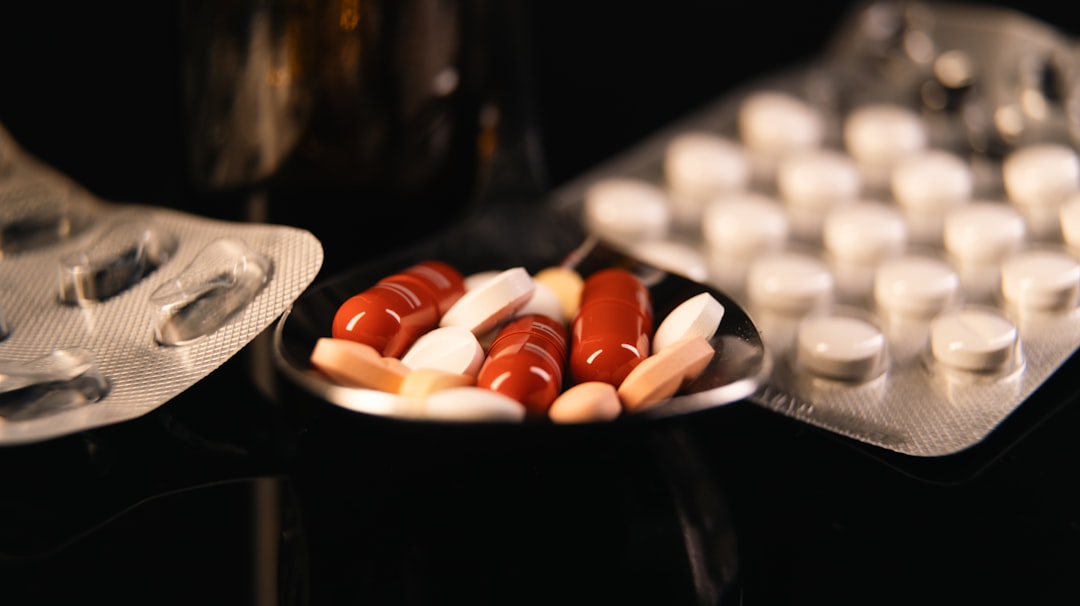
When you think about the medications you take, it’s easy to focus solely on their intended effects. However, it’s crucial to recognize that many of these substances can also have unintended consequences, particularly on your liver. The liver is a vital organ responsible for filtering toxins, metabolizing drugs, and producing essential proteins.
Given its central role in your body’s overall health, understanding how medications can impact liver function is essential. This article aims to shed light on the various medications that can affect the liver, the symptoms of liver damage, and how you can safeguard your liver health while managing your medication regimen. As you navigate your healthcare journey, being informed about the potential risks associated with medications is empowering.
While many drugs are safe and effective when used correctly, some can lead to liver damage, especially when misused or taken inappropriately. By understanding the relationship between medications and liver health, you can make more informed decisions and engage in proactive discussions with your healthcare provider.
Key Takeaways
- Some medications can affect the liver and cause damage, so it’s important to be aware of potential risks.
- Common medications that can cause liver damage include acetaminophen, certain antibiotics, and statins.
- Symptoms of liver damage caused by medications may include jaundice, abdominal pain, and dark urine.
- Risk factors for medications causing liver damage include pre-existing liver disease, excessive alcohol consumption, and certain genetic factors.
- It’s important to monitor liver health while taking medications through regular blood tests and seeking medical attention if any concerning symptoms arise.
Common Medications that Can Cause Liver Damage
Several commonly prescribed medications have been linked to liver damage, and it’s important for you to be aware of them. Acetaminophen, often found in over-the-counter pain relievers, is one of the most notorious culprits. While it is generally safe when taken at recommended doses, exceeding these limits can lead to acute liver failure.
You may not realize that even a few extra pills can push you over the edge, especially if you consume alcohol or have pre-existing liver conditions. Another class of medications that can pose risks includes certain antibiotics and anti-seizure drugs. For instance, isoniazid, used to treat tuberculosis, and valproic acid, prescribed for epilepsy and bipolar disorder, have both been associated with liver toxicity.
If you are taking any of these medications, it’s essential to monitor your liver health closely and discuss any concerns with your healthcare provider.
Symptoms of Liver Damage Caused by Medications
Recognizing the symptoms of liver damage is crucial for early intervention. You may experience a range of signs that could indicate your liver is under stress due to medication use. Common symptoms include fatigue, jaundice (yellowing of the skin and eyes), dark urine, and abdominal pain.
If you notice any of these symptoms, it’s vital to seek medical attention promptly. In addition to these more obvious signs, you might also experience less specific symptoms such as nausea, vomiting, or loss of appetite. These can often be mistaken for other illnesses or side effects of medications themselves.
Therefore, staying vigilant about any changes in your health while on medication is essential for your well-being.
Risk Factors for Medications Causing Liver Damage
| Medication | Risk Factor |
|---|---|
| Acetaminophen | Excessive dosage |
| Statins | High doses |
| Antibiotics | Long-term use |
| Antifungal medications | High doses |
Certain factors can increase your risk of experiencing liver damage from medications. For instance, if you have pre-existing liver conditions such as hepatitis or cirrhosis, your liver may be more susceptible to damage from drugs. Additionally, age plays a role; older adults often have decreased liver function, making them more vulnerable to adverse effects from medications.
Your lifestyle choices can also impact your risk level. Heavy alcohol consumption can exacerbate the effects of many medications on the liver. If you are taking multiple medications simultaneously—a situation known as polypharmacy—you may also be at greater risk due to potential drug interactions that could lead to increased toxicity.
How to Monitor Liver Health While Taking Medications
Monitoring your liver health while on medication is a proactive step you can take to prevent serious complications. Regular blood tests can help assess liver function by measuring levels of enzymes such as alanine aminotransferase (ALT) and aspartate aminotransferase (AST). If you are on medications known to affect the liver, your healthcare provider may recommend more frequent testing to catch any issues early.
In addition to blood tests, being aware of how you feel physically can provide valuable insights into your liver health. Keeping a journal of any symptoms or side effects you experience while taking medication can help you and your healthcare provider identify patterns or concerns that may warrant further investigation.
Treatment for Liver Damage Caused by Medications
If you suspect that you have experienced liver damage due to medication use, seeking medical attention is crucial.
In some cases, supportive care may be all that is needed; this could include hydration and rest while your liver recovers.
For more severe cases of liver damage, additional interventions may be necessary. Your healthcare provider might recommend specific treatments aimed at reducing inflammation or promoting healing within the liver. In extreme situations where liver function is severely compromised, a liver transplant may be considered as a last resort.
Prevention of Liver Damage from Medications
Preventing liver damage from medications starts with education and awareness. Always read labels and follow dosage instructions carefully. If you are unsure about how much medication to take or how often to take it, don’t hesitate to ask your healthcare provider or pharmacist for clarification.
Additionally, consider discussing all medications—prescription and over-the-counter—with your healthcare provider before starting any new treatment. This includes herbal supplements and vitamins, as they can also interact with prescribed medications and potentially harm your liver.
Alternative Medications for Individuals with Liver Concerns
If you have existing liver concerns or a history of medication-related liver damage, it’s essential to explore alternative treatment options with your healthcare provider. Many conditions have multiple treatment pathways; for instance, if you require pain relief but are concerned about acetaminophen’s effects on your liver, there may be alternative analgesics that pose less risk. Your healthcare provider can help identify safer options tailored to your specific health needs while minimizing potential harm to your liver.
This collaborative approach ensures that you receive effective treatment without compromising your overall health.
Importance of Proper Dosage and Usage of Medications
Adhering to proper dosage guidelines is one of the simplest yet most effective ways to protect your liver while taking medications. Overdosing—even unintentionally—can lead to significant health issues. It’s essential to understand that just because a medication is available over-the-counter does not mean it is free from risks; misuse can still lead to serious consequences.
Moreover, using medications as directed by your healthcare provider is vital for ensuring their effectiveness and safety. If you find yourself needing to take more than the recommended dose for relief or if a medication isn’t working as expected, communicate this with your healthcare provider rather than self-adjusting your dosage.
Communicating with Healthcare Providers about Liver Health and Medications
Open communication with your healthcare provider is key when it comes to managing medications and protecting your liver health. Be proactive in discussing any concerns you have about the medications you are taking or any symptoms you experience while on them. Your healthcare provider is there to help you navigate these challenges and can offer valuable insights into managing risks effectively.
Additionally, don’t hesitate to bring up any lifestyle factors that may affect your liver health—such as alcohol consumption or dietary habits—during consultations. This information will help your healthcare provider tailor their recommendations specifically for you.
Conclusion and Summary of Key Points
In conclusion, understanding how medications can affect your liver is crucial for maintaining overall health and well-being. By being aware of common medications that pose risks, recognizing symptoms of liver damage, and identifying risk factors, you empower yourself to take charge of your health. Monitoring your liver function through regular check-ups and blood tests can help catch potential issues early on.
If alternative treatments are necessary due to existing concerns about liver function, don’t hesitate to explore those options with your healthcare team. Ultimately, informed decision-making and proactive communication will help ensure that you maintain a healthy balance between effective treatment and protecting your vital organ—the liver.
When considering the impact of common medications on liver health, it’s crucial to be informed about which drugs may pose risks and how to manage them effectively. Many over-the-counter and prescription medications can affect liver function, sometimes leading to serious complications. For a comprehensive understanding of how these medications interact with the liver, you can explore detailed articles and resources. One such resource is available on