
As you age, your body undergoes various changes that can affect your overall health and well-being. One of the most crucial nutrients for maintaining health is protein. Protein is essential for repairing tissues, producing enzymes and hormones, and supporting immune function.
For seniors, adequate protein intake is particularly important as it helps prevent the natural decline in muscle mass and strength that occurs with aging, a condition known as sarcopenia. Understanding the importance of protein allows you to make informed dietary choices that support your health throughout the aging process. Protein also plays a vital role in maintaining a healthy weight.
As metabolism slows with age, weight management becomes more challenging. A protein-rich diet increases satiety, helping you feel fuller for longer and reducing the likelihood of overeating. Additionally, protein helps maintain energy levels, enabling you to remain active and engaged in daily activities.
By prioritizing protein in your diet, you can improve your quality of life and better support your body’s changing nutritional needs.
Key Takeaways
- Protein is essential for seniors to maintain muscle, bone, cognitive, and immune health.
- Seniors have specific daily protein intake recommendations to support healthy aging.
- Both food sources and supplements can help seniors meet their protein needs.
- Incorporating more protein into the diet requires practical tips and awareness of potential risks.
- Consulting healthcare professionals ensures personalized and safe protein consumption for seniors.
Recommended Daily Protein Intake for Seniors
Determining the right amount of protein for your needs can be a bit complex, as it varies based on factors such as age, sex, activity level, and overall health. Generally, experts recommend that seniors aim for a daily protein intake of around 1.0 to 1.2 grams of protein per kilogram of body weight. This means that if you weigh 70 kilograms (about 154 pounds), you should be consuming between 70 to 84 grams of protein each day.
However, if you are physically active or recovering from an illness or surgery, your protein needs may be higher. It’s important to note that not all proteins are created equal. The quality of the protein you consume matters just as much as the quantity.
High-quality proteins contain all the essential amino acids your body needs to function optimally. These include animal-based sources like meat, fish, eggs, and dairy products, as well as plant-based sources such as legumes, nuts, and whole grains. By focusing on both the amount and quality of protein in your diet, you can better meet your nutritional needs and support your health as a senior. You can find a delicious recipe for fish broth that is both flavorful and easy to make.
Sources of Protein for Seniors

When it comes to incorporating protein into your diet, there are numerous sources to choose from. Animal-based proteins are often considered complete proteins because they contain all nine essential amino acids. Lean meats such as chicken, turkey, and fish are excellent options that provide high-quality protein without excessive saturated fat.
Eggs are another versatile source of protein that can be prepared in various ways to suit your taste preferences. Plant-based proteins are also valuable additions to your diet. Foods like beans, lentils, chickpeas, and quinoa are rich in protein and offer additional health benefits such as fiber and essential vitamins and minerals.
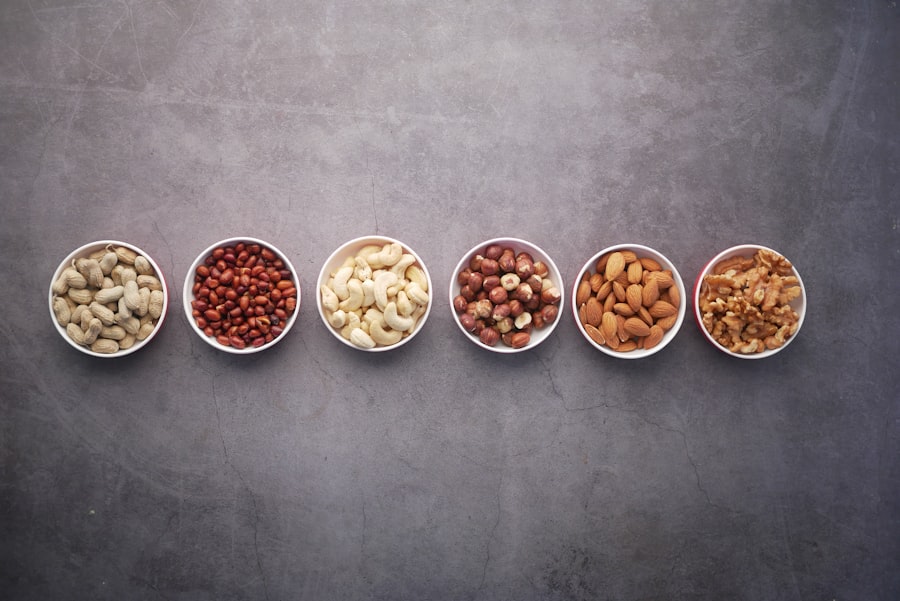
Nuts and seeds are another great option; they not only provide protein but also healthy fats that can support heart health. Incorporating a variety of these sources into your meals can help ensure that you meet your protein needs while enjoying a diverse and balanced diet.
The Role of Protein in Muscle Health and Aging
As you age, maintaining muscle mass becomes increasingly important for overall health and mobility. Protein plays a crucial role in muscle health by providing the building blocks necessary for muscle repair and growth. Engaging in regular physical activity, particularly strength training exercises, combined with adequate protein intake can help counteract the effects of sarcopenia.
This decline in muscle mass can lead to frailty and increased risk of falls and injuries, making it essential to prioritize both exercise and nutrition. Incorporating sufficient protein into your diet can also enhance recovery after physical activity or injury. When you engage in exercise, especially resistance training, small tears occur in your muscle fibers.
Protein helps repair these tears, leading to stronger muscles over time. By ensuring that you consume enough protein before and after workouts or physical activities, you can optimize muscle recovery and maintain your strength as you age.
Protein and Bone Health in Seniors
| Age Group | Recommended Daily Protein Intake | Notes |
|---|---|---|
| 51-70 years | 46 grams/day (women) 56 grams/day (men) |
Based on RDA (Recommended Dietary Allowance) |
| 70+ years | 1.0 to 1.2 grams/kg body weight/day | Higher intake recommended to maintain muscle mass and function |
| Older adults with chronic illness or frailty | 1.2 to 1.5 grams/kg body weight/day | To support recovery and prevent muscle loss |
| Older adults with severe illness or injury | 1.5 to 2.0 grams/kg body weight/day | For enhanced healing and muscle preservation |
Bone health is another critical aspect of aging that can be influenced by dietary choices, particularly protein intake. Adequate protein consumption is essential for maintaining bone density and strength. Research has shown that higher protein intake is associated with better bone health outcomes in older adults.
In addition to supporting bone density directly, protein also plays a role in calcium absorption and metabolism. Calcium is vital for bone health, and a diet rich in protein can enhance its absorption in the body.
Therefore, ensuring that you consume enough protein alongside calcium-rich foods like dairy products or leafy greens can help promote optimal bone health as you age. By prioritizing both nutrients in your diet, you can take proactive steps to protect your bones from age-related deterioration.
Protein and Cognitive Function in Seniors
Cognitive decline is a concern for many seniors as they age, but emerging research suggests that dietary choices can play a significant role in brain health. Protein is essential for the production of neurotransmitters—chemicals that transmit signals in the brain—and adequate intake may support cognitive function. Some studies have indicated that higher protein consumption is associated with better cognitive performance in older adults.
Moreover, certain amino acids found in proteins are linked to improved mood and mental clarity. For instance, tryptophan is an amino acid that helps produce serotonin, a neurotransmitter that regulates mood and sleep patterns. By ensuring that you consume enough high-quality protein sources in your diet, you may be able to support not only your physical health but also your cognitive well-being as you age.
Protein and Immune Function in Seniors
A strong immune system is vital for overall health, especially as you grow older when the immune response may weaken. Protein plays a crucial role in supporting immune function by providing the necessary building blocks for antibodies and immune cells. Adequate protein intake can help bolster your immune system’s ability to fight off infections and illnesses.
In addition to its direct role in immune function, protein-rich foods often contain other essential nutrients such as vitamins and minerals that contribute to overall health. For example, foods like lean meats are rich in zinc, which is known to play a role in immune response. By focusing on a diet rich in high-quality proteins along with other nutrient-dense foods, you can enhance your body’s defenses against illness and maintain better health as you age.
Protein Supplements for Seniors
While whole food sources should be the primary focus for meeting your protein needs, there may be situations where supplements can be beneficial. For seniors who struggle to consume enough protein through their diet due to appetite changes or difficulty chewing and swallowing, protein supplements can provide a convenient solution. These supplements come in various forms such as powders, shakes, or bars and can be easily incorporated into meals or snacks.
However, it’s essential to approach protein supplementation with caution. Not all supplements are created equal; some may contain added sugars or unhealthy fats that could detract from their nutritional value. If you’re considering adding a protein supplement to your routine, it’s wise to choose high-quality products with minimal additives.
Consulting with a healthcare professional can help ensure that you’re making informed choices about supplementation based on your individual needs.
Tips for Incorporating More Protein into Seniors’ Diets
Incorporating more protein into your diet doesn’t have to be complicated or overwhelming. Start by making small changes to your meals and snacks throughout the day. For breakfast, consider adding Greek yogurt or cottage cheese topped with fruit or nuts for an extra protein boost.
At lunch or dinner, aim to fill half your plate with lean proteins such as grilled chicken or fish alongside plenty of vegetables. Snacking is another excellent opportunity to increase your protein intake. Instead of reaching for chips or cookies, opt for snacks like hummus with veggies or a handful of nuts.
You might also consider adding legumes like beans or lentils to soups or salads for added texture and nutrition. By being mindful of your choices throughout the day and seeking out high-protein options, you can easily enhance your overall dietary intake.
Potential Risks of High Protein Diets for Seniors
While protein is essential for health, it’s important to strike a balance when it comes to dietary intake. Consuming excessively high amounts of protein may pose risks for seniors, particularly those with pre-existing kidney conditions or other health issues. High-protein diets can put additional strain on the kidneys as they work to filter waste products from protein metabolism.
Additionally, focusing too heavily on protein at the expense of other nutrients can lead to imbalances in your diet. It’s crucial to maintain a well-rounded approach that includes carbohydrates, healthy fats, vitamins, and minerals alongside adequate protein intake. By prioritizing variety in your meals rather than fixating solely on one macronutrient, you can support overall health while minimizing potential risks associated with high-protein diets.
Consulting with a Healthcare Professional about Protein Needs
Before making significant changes to your diet or increasing your protein intake, it’s always wise to consult with a healthcare professional or registered dietitian. They can help assess your individual nutritional needs based on factors such as age, activity level, medical history, and any specific dietary restrictions you may have. A healthcare professional can provide personalized recommendations tailored to your unique situation and help you develop a balanced eating plan that meets your nutritional goals while considering any potential risks associated with high-protein diets.
By seeking guidance from an expert, you can ensure that you’re making informed choices about your dietary needs as you navigate the aging process. In conclusion, understanding the importance of protein for seniors is vital for maintaining overall health and well-being as you age. By prioritizing adequate protein intake from diverse sources while consulting with healthcare professionals when needed, you can take proactive steps toward supporting muscle health, bone density, cognitive function, immune response, and more throughout your golden years.
Understanding the protein needs of seniors is crucial for maintaining their health and well-being.
Check it out here: Nutritional Needs for Seniors.
WATCH THIS! 💪 Say Goodbye to Weakness: Fish Skin Broth Fights Sarcopenia Better Than Bone Broth!
FAQs
How much protein do seniors need daily?
Seniors generally need about 1.0 to 1.2 grams of protein per kilogram of body weight per day. This is slightly higher than the recommendation for younger adults to help maintain muscle mass and overall health.
Why is protein important for seniors?
Protein is essential for seniors to preserve muscle mass, support immune function, aid in wound healing, and maintain bone health. Adequate protein intake can also help prevent age-related muscle loss known as sarcopenia.
Can seniors get enough protein from diet alone?
Yes, seniors can meet their protein needs through a balanced diet that includes sources like lean meats, dairy, eggs, legumes, nuts, and seeds. In some cases, protein supplements may be recommended by healthcare providers.
Are there risks associated with high protein intake for seniors?
For most healthy seniors, moderate increases in protein intake are safe. However, those with kidney disease or other specific health conditions should consult a healthcare professional before increasing protein consumption.
How can seniors increase their protein intake?
Seniors can increase protein intake by including protein-rich foods in every meal, choosing snacks like yogurt or nuts, and considering protein supplements if recommended by a healthcare provider.
Does protein need change with age?
Yes, protein needs tend to increase slightly with age due to changes in metabolism, muscle mass, and overall health status, making adequate protein intake more important for seniors.
Is plant-based protein sufficient for seniors?
Plant-based proteins can be sufficient if consumed in adequate amounts and variety to provide all essential amino acids. Combining different plant protein sources like beans, grains, and nuts can help meet protein needs.