
You may have noticed that your blood pressure readings tend to be higher in the morning compared to other times of the day. This phenomenon, often referred to as morning blood pressure spikes, is a common occurrence that can have significant implications for your overall health. Understanding why these spikes happen and how they can affect you is crucial for managing your cardiovascular health effectively.
Morning blood pressure spikes can be influenced by various factors, including hormonal changes, sleep patterns, and lifestyle choices. By delving into these aspects, you can gain insights into how to better manage your blood pressure and reduce potential health risks.
For many individuals, these spikes can lead to increased risks of heart disease and stroke. Therefore, it is essential to recognize the importance of monitoring your blood pressure regularly, especially in the morning. By understanding the mechanisms behind these fluctuations, you can take proactive steps to mitigate their effects and promote a healthier lifestyle.
Key Takeaways
- Morning blood pressure spikes are common and can have significant implications for heart health.
- Cortisol, the stress hormone, plays a key role in morning blood pressure spikes.
- Sleep apnea can contribute to morning blood pressure spikes, making it important to address sleep quality.
- Medication timing can impact morning blood pressure spikes, highlighting the importance of following a consistent schedule.
- Stress, anxiety, and morning routine can all influence morning blood pressure spikes, emphasizing the need for a holistic approach to management.
Understanding the Normal Blood Pressure Rhythm
To comprehend morning blood pressure spikes, it is vital to first understand the normal rhythm of blood pressure throughout the day. Blood pressure naturally fluctuates due to various factors, including physical activity, stress levels, and even the time of day. Typically, your blood pressure is lower during sleep and gradually rises upon waking.
This rise is part of the body’s natural circadian rhythm, which prepares you for the day’s activities. As you wake up, your body begins to produce hormones like adrenaline and cortisol, which can lead to an increase in heart rate and blood pressure. This physiological response is designed to help you transition from a state of rest to one of activity.
However, for some individuals, this natural increase can be exaggerated, resulting in significant spikes that may pose health risks. Recognizing this pattern can help you understand your own blood pressure readings and the factors that may contribute to any concerning fluctuations.
The Role of Cortisol in Morning Blood Pressure Spikes
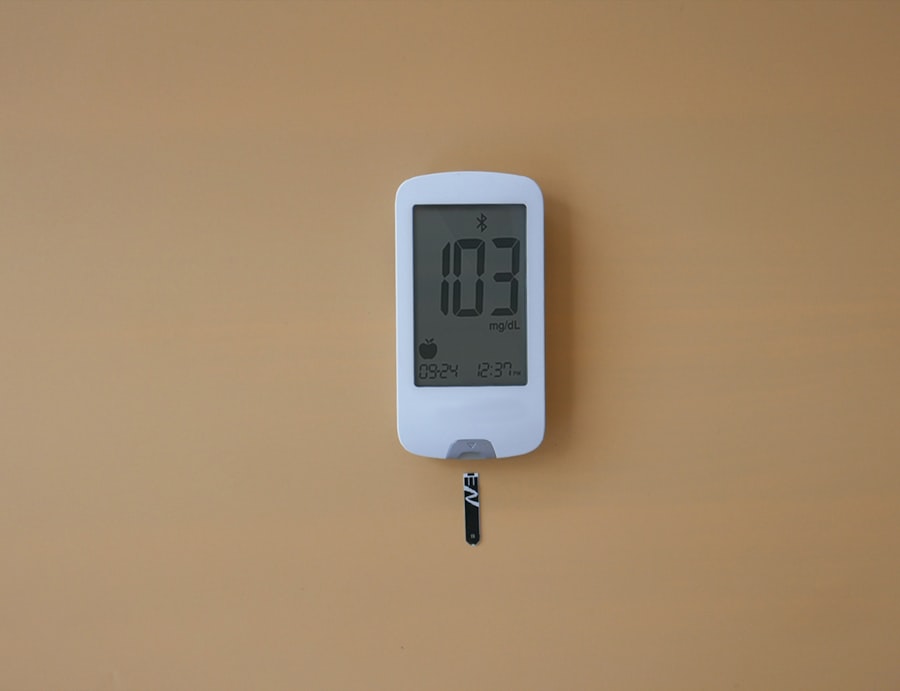
Cortisol, often referred to as the “stress hormone,” plays a pivotal role in regulating various bodily functions, including blood pressure. When you wake up in the morning, cortisol levels typically peak, preparing your body for the day ahead. This surge in cortisol can lead to increased vascular resistance and heart rate, contributing to higher blood pressure readings.
For you, this means that if your cortisol levels are consistently elevated due to stress or other factors, you may experience more pronounced morning blood pressure spikes. Understanding the relationship between cortisol and blood pressure can empower you to take control of your health. If you find that stress is a significant part of your life, consider implementing stress-reduction techniques such as mindfulness meditation or yoga.
By managing your stress levels effectively, you may be able to mitigate the impact of cortisol on your morning blood pressure readings.
Impact of Sleep Apnea on Morning Blood Pressure Spikes
| Participant | Age | Gender | Apnea-Hypopnea Index (AHI) | Morning Blood Pressure Spikes (mmHg) |
|---|---|---|---|---|
| 1 | 45 | Male | 25 | 10 |
| 2 | 52 | Female | 30 | 15 |
| 3 | 60 | Male | 20 | 12 |
| 4 | 48 | Male | 35 | 18 |
Sleep apnea is a condition characterized by interrupted breathing during sleep, which can lead to fragmented sleep and decreased oxygen levels in the body. If you suffer from sleep apnea, you may be at a higher risk for experiencing morning blood pressure spikes. The repeated awakenings caused by this condition can trigger stress responses in your body, leading to elevated cortisol levels and increased blood pressure upon waking.
Moreover, the lack of restorative sleep associated with sleep apnea can exacerbate cardiovascular issues over time. If you suspect that sleep apnea may be affecting your health, it is essential to consult with a healthcare professional for proper diagnosis and treatment options. Addressing sleep apnea not only improves your quality of sleep but can also help stabilize your morning blood pressure readings.
Influence of Medication Timing on Morning Blood Pressure Spikes
The timing of your medication can significantly influence your morning blood pressure levels. Many individuals take antihypertensive medications to manage their blood pressure; however, the effectiveness of these medications can vary depending on when they are taken. If you take your medication at night, it may not provide adequate coverage during the early morning hours when your blood pressure tends to spike.
To optimize the effectiveness of your medication regimen, consider discussing with your healthcare provider whether adjusting the timing of your doses could benefit you. Some studies suggest that taking certain antihypertensive medications in the evening may lead to better control of morning blood pressure spikes. By working closely with your healthcare team, you can develop a personalized plan that addresses your specific needs and helps maintain stable blood pressure throughout the day.
The Connection between Morning Blood Pressure Spikes and Heart Health
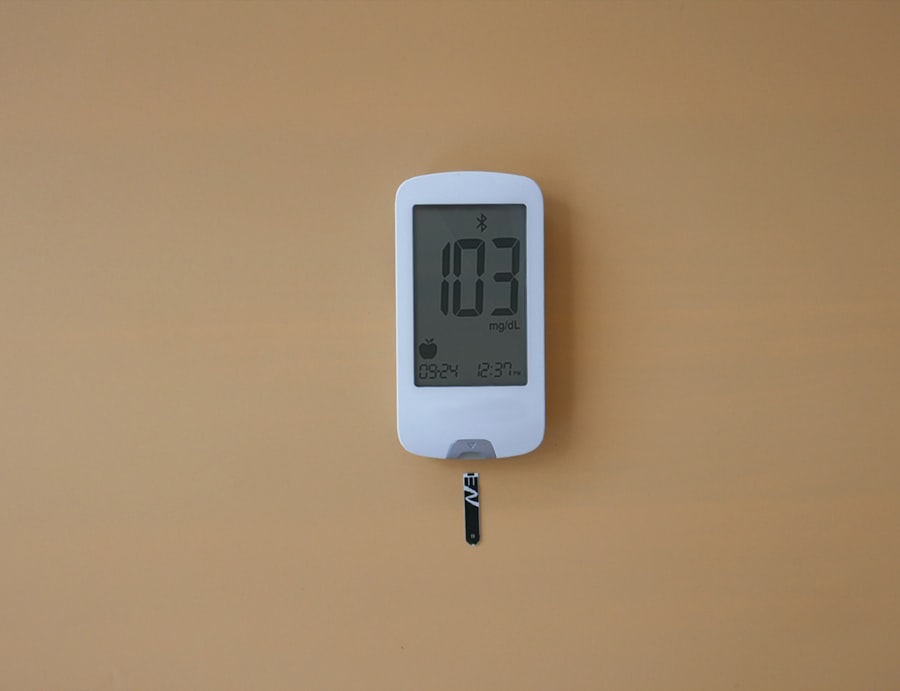
The relationship between morning blood pressure spikes and heart health cannot be overstated. Research has shown that individuals who experience significant fluctuations in their blood pressure upon waking are at an increased risk for cardiovascular events such as heart attacks and strokes. This connection highlights the importance of monitoring not only your average blood pressure but also its variability throughout the day.
If you are concerned about your heart health, it is crucial to take proactive measures to manage your blood pressure effectively. Regular check-ups with your healthcare provider can help identify any concerning trends in your readings. Additionally, adopting a heart-healthy lifestyle—such as engaging in regular physical activity, maintaining a balanced diet, and managing stress—can significantly reduce your risk of cardiovascular complications associated with morning blood pressure spikes.
How Stress and Anxiety Contribute to Morning Blood Pressure Spikes
Stress and anxiety are common contributors to elevated blood pressure levels, particularly in the morning. When you wake up feeling anxious or stressed about the day ahead, your body responds by releasing hormones that can cause your heart rate and blood pressure to rise. This physiological response is part of the body’s fight-or-flight mechanism but can become problematic if it occurs regularly.
To combat the effects of stress on your morning blood pressure readings, consider incorporating relaxation techniques into your daily routine. Practices such as deep breathing exercises, progressive muscle relaxation, or even journaling can help alleviate anxiety and promote a sense of calm as you start your day. By addressing the emotional factors that contribute to morning blood pressure spikes, you can create a more stable environment for your cardiovascular health.
Effect of Morning Routine on Blood Pressure Spikes
Your morning routine plays a significant role in determining how your body responds upon waking. Engaging in activities that promote relaxation and well-being can help mitigate morning blood pressure spikes. For instance, starting your day with gentle stretching or yoga can promote circulation and reduce tension in your body.
Alternatively, rushing through a hectic morning routine filled with stressors may exacerbate any existing fluctuations in your blood pressure. Consider evaluating your current morning routine and making adjustments where necessary. Incorporating mindfulness practices or dedicating time for a healthy breakfast can set a positive tone for the day ahead.
By creating a more balanced and intentional start to your day, you may find that your body responds more favorably when it comes to managing blood pressure levels.
Dietary Factors and Morning Blood Pressure Spikes
Your diet plays a crucial role in regulating blood pressure levels throughout the day. Certain foods can contribute to higher blood pressure readings, particularly if consumed in excess or at inappropriate times. For example, high-sodium foods can lead to fluid retention and increased vascular resistance, resulting in elevated blood pressure upon waking.
To promote healthier morning blood pressure levels, focus on incorporating nutrient-rich foods into your breakfast routine. Foods high in potassium—such as bananas or spinach—can help counteract sodium’s effects on blood pressure. Additionally, whole grains and fiber-rich foods can support overall cardiovascular health by promoting stable energy levels throughout the day.
By being mindful of what you eat in the morning, you can positively influence your blood pressure readings.
Managing Morning Blood Pressure Spikes
Managing morning blood pressure spikes requires a multifaceted approach that encompasses lifestyle changes, medication management, and regular monitoring. Start by keeping a detailed log of your blood pressure readings at different times throughout the day to identify patterns or triggers that may contribute to spikes. This information will be invaluable when discussing strategies with your healthcare provider.
In addition to monitoring your readings, consider adopting healthy lifestyle habits that support stable blood pressure levels. Regular physical activity—such as walking or cycling—can improve cardiovascular health and help regulate blood pressure over time. Furthermore, prioritizing quality sleep and managing stress through relaxation techniques will contribute positively to your overall well-being.
Conclusion and Recommendations for Dealing with Morning Blood Pressure Spikes
In conclusion, understanding morning blood pressure spikes is essential for maintaining optimal cardiovascular health. By recognizing the various factors that contribute to these fluctuations—such as cortisol levels, sleep quality, medication timing, stress management, and dietary choices—you can take proactive steps toward better health outcomes. Regular monitoring of your blood pressure and open communication with healthcare professionals will empower you to make informed decisions about managing this aspect of your health.
As you navigate through daily life, remember that small changes can lead to significant improvements over time. Whether it’s adjusting your morning routine or incorporating stress-reduction techniques into your day-to-day activities, every effort counts toward achieving stable blood pressure levels. By prioritizing both physical and mental well-being, you will be better equipped to handle any challenges that arise while promoting a healthier future for yourself.
A related article on this topic can be found on Explore Senior Health, which provides insights into why blood pressure tends to rise during the early hours. This phenomenon, often referred to as “morning hypertension,” can be influenced by various factors such as the body’s natural circadian rhythm, stress, or even certain medications. For more detailed information, you can read the article by visiting Explore Senior Health. This resource offers valuable advice and tips on managing blood pressure effectively, especially for seniors who may be more susceptible to these fluctuations.
WATCH THIS! The Sleep Position Silently Raising Stroke Risk
FAQs
What causes blood pressure to spike in the morning?
Blood pressure can spike in the morning due to the body’s natural circadian rhythm, which causes a surge in hormones like cortisol and adrenaline upon waking. This can lead to an increase in heart rate and blood pressure.
Is it normal for blood pressure to be higher in the morning?
Yes, it is normal for blood pressure to be higher in the morning. This is known as “morning surge” and is a natural response to the body waking up and preparing for the day.
What are the potential health risks of morning blood pressure spikes?
Consistently high blood pressure in the morning can increase the risk of heart attack, stroke, and other cardiovascular issues. It can also put additional strain on the heart and blood vessels.
How can I manage morning blood pressure spikes?
Managing morning blood pressure spikes can be achieved through lifestyle changes such as regular exercise, a healthy diet, reducing stress, and getting enough sleep. It is also important to follow any treatment plan prescribed by a healthcare professional.