
In a world increasingly reliant on pharmaceuticals, the quest for natural pain relief has gained significant traction. You may find yourself seeking alternatives to conventional medications, especially if you are concerned about their side effects or long-term implications. Natural pain relief methods offer a holistic approach, addressing not just the symptoms but also the underlying causes of discomfort.
By exploring these alternatives, you can empower yourself to take control of your health and well-being. Natural pain relief encompasses a variety of techniques and remedies that draw from nature and traditional practices. These methods can range from herbal supplements to physical therapies, each offering unique benefits.
As you delve into this realm, you may discover that many of these approaches not only alleviate pain but also promote overall wellness. This article will guide you through various natural pain relief options, helping you make informed choices that align with your lifestyle and health goals.
Key Takeaways
- Natural pain relief offers safer alternatives to overusing pain medications.
- Herbal remedies, acupuncture, and acupressure can effectively reduce pain.
- Physical therapy, exercise, and mind-body techniques support long-term pain management.
- Dietary changes and essential oils contribute to holistic pain relief strategies.
- Integrating chiropractic care and massage therapy enhances overall wellness and pain control.
The Dangers of Overusing PM Medications
While over-the-counter and prescription pain medications can provide immediate relief, their overuse can lead to a host of complications.
Prolonged use of pain medications can result in dependency, tolerance, and even withdrawal symptoms when you attempt to stop taking them.
This cycle can trap you in a loop of increasing dosages and escalating health concerns. Moreover, the long-term effects of certain medications can be detrimental to your overall health. For instance, nonsteroidal anti-inflammatory drugs (NSAIDs) can lead to kidney damage or cardiovascular problems if used excessively.
As you consider your options for pain management, it’s crucial to weigh the potential dangers of relying solely on pharmaceuticals. By exploring natural alternatives, you can mitigate these risks while still effectively managing your pain.
Herbal Remedies for Pain Relief
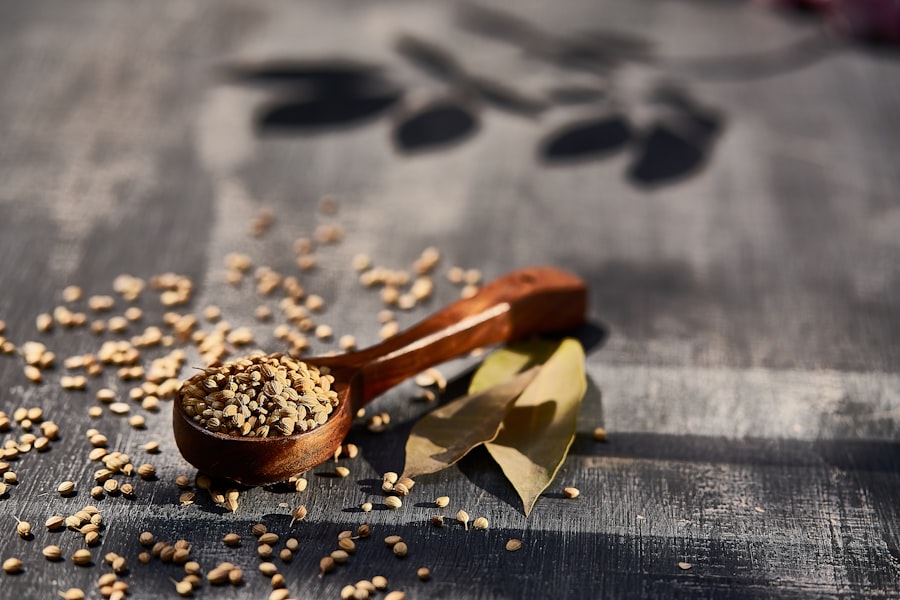
Herbal remedies have been utilized for centuries across various cultures as effective means of pain relief. You may find that certain herbs possess anti-inflammatory properties or analgesic effects that can help alleviate discomfort. For example, turmeric, with its active compound curcumin, is renowned for its ability to reduce inflammation and pain in conditions like arthritis.
Incorporating turmeric into your diet or taking it as a supplement could be a simple yet powerful way to manage your pain naturally. Another popular herbal remedy is ginger, which has been shown to reduce muscle pain and soreness. You might consider brewing ginger tea or adding fresh ginger to your meals for an extra kick of flavor and health benefits.
Additionally, willow bark has been used for centuries as a natural alternative to aspirin, providing relief from headaches and lower back pain. As you explore these herbal options, remember to consult with a healthcare professional to ensure they are safe and appropriate for your specific needs.
Acupuncture and Acupressure for Pain Management
Acupuncture and acupressure are ancient practices rooted in Traditional Chinese Medicine that focus on balancing the body’s energy flow. If you are open to trying these techniques, you may find them effective in managing various types of pain. Acupuncture involves inserting thin needles into specific points on the body to stimulate healing and relieve pain.
Many individuals report significant improvements in conditions such as chronic back pain, migraines, and joint discomfort after undergoing acupuncture treatments.
This method can be easily practiced at home, allowing you to take an active role in your pain management.
You might find it beneficial to learn about key acupressure points that correspond to your specific pain areas. By incorporating these techniques into your routine, you can enhance your overall well-being while effectively addressing your discomfort.
Physical Therapy and Exercise for Pain Relief
| Method | Effectiveness (%) | Duration of Relief | Common Uses | Notes |
|---|---|---|---|---|
| Physical Therapy | 60-80 | Weeks to Months | Muscle pain, joint pain | Improves mobility and strength |
| Acupuncture | 50-70 | Hours to Days | Chronic pain, headaches | May stimulate endorphin release |
| Massage Therapy | 40-60 | Hours to Days | Muscle tension, stress-related pain | Promotes relaxation and circulation |
| Heat Therapy | 30-50 | Minutes to Hours | Muscle stiffness, arthritis | Increases blood flow to affected area |
| Cold Therapy | 30-50 | Minutes to Hours | Acute injuries, inflammation | Reduces swelling and numbs pain |
| Mindfulness Meditation | 40-60 | Long-term with practice | Chronic pain, stress-related pain | Alters pain perception |
| Exercise | 50-70 | Long-term | Chronic pain, arthritis | Releases natural painkillers (endorphins) |
| Transcutaneous Electrical Nerve Stimulation (TENS) | 40-70 | During use | Neuropathic pain, muscle pain | Blocks pain signals to brain |
Engaging in physical therapy and regular exercise can be transformative for those dealing with chronic pain. You may be surprised to learn that movement is often one of the best remedies for alleviating discomfort. A physical therapist can design a personalized program tailored to your needs, focusing on strengthening muscles, improving flexibility, and enhancing overall function.
This proactive approach not only helps relieve pain but also prevents future injuries. Incorporating low-impact exercises such as swimming, walking, or yoga into your daily routine can also yield significant benefits. These activities promote circulation, reduce stiffness, and release endorphins—your body’s natural painkillers.
As you commit to a consistent exercise regimen, you may notice improvements in both your physical and mental health, leading to a more balanced and fulfilling life.
Mind-Body Techniques for Pain Management

The connection between the mind and body is profound, and utilizing mind-body techniques can be an effective way to manage pain. Practices such as mindfulness meditation, deep breathing exercises, and guided imagery can help you cultivate a sense of calm and reduce the perception of pain. By focusing on relaxation and mental clarity, you may find that your body responds more favorably to discomfort.
You might also explore techniques like yoga or tai chi, which combine physical movement with mindfulness. These practices not only enhance flexibility and strength but also promote mental well-being. As you engage in these mind-body techniques, you may discover a newfound resilience against pain, empowering you to navigate life’s challenges with greater ease.
Dietary Changes for Pain Relief
Your diet plays a crucial role in managing pain and inflammation within your body. By making conscious dietary changes, you can support your overall health while alleviating discomfort. You may want to consider incorporating anti-inflammatory foods such as fatty fish rich in omega-3 fatty acids, leafy greens, nuts, and berries into your meals.
These foods can help combat inflammation at its source and provide essential nutrients for healing. Conversely, it’s wise to limit processed foods high in sugar and unhealthy fats, as they can exacerbate inflammation and contribute to chronic pain conditions. You might also explore the benefits of staying hydrated by drinking plenty of water throughout the day.
As you make these dietary adjustments, pay attention to how your body responds; you may find that certain foods either alleviate or aggravate your symptoms.
Essential Oils and Aromatherapy for Pain Relief
Essential oils have gained popularity as natural remedies for various ailments, including pain relief. You might find that certain oils possess analgesic or anti-inflammatory properties that can help ease discomfort when used correctly. For instance, lavender oil is known for its calming effects and can be beneficial for headaches or muscle tension when diffused or applied topically with a carrier oil.
Peppermint oil is another powerful option; its cooling sensation can provide relief from headaches or sore muscles when massaged into the affected area. As you explore aromatherapy, consider creating a personalized blend of essential oils that resonate with you. By incorporating these fragrant remedies into your self-care routine, you may enhance both your physical comfort and emotional well-being.
Chiropractic Care for Pain Management
Chiropractic care focuses on diagnosing and treating musculoskeletal disorders through manual adjustments and manipulations of the spine. If you are experiencing back pain or joint issues, visiting a chiropractor could be a valuable addition to your pain management strategy. You may find that spinal adjustments help restore proper alignment, alleviate pressure on nerves, and improve overall mobility.
In addition to adjustments, chiropractors often provide guidance on exercises and lifestyle changes that can support long-term health. By working collaboratively with a chiropractor, you can develop a comprehensive plan tailored to your specific needs. This holistic approach not only addresses immediate discomfort but also promotes lasting wellness.
Massage Therapy for Pain Relief
Massage therapy is another effective natural remedy for managing pain and promoting relaxation. You might consider scheduling regular massages as part of your self-care routine; they can help release muscle tension, improve circulation, and enhance overall well-being. Different types of massage—such as Swedish, deep tissue, or trigger point therapy—offer varying benefits depending on your specific needs.
As you explore massage therapy options, communicate openly with your therapist about your pain levels and areas of concern. This collaboration will ensure that you receive the most effective treatment tailored to your unique situation. By incorporating massage into your wellness routine, you may experience not only relief from pain but also an improved sense of relaxation and mental clarity.
Integrating Natural Pain Relief Methods into Your Wellness Routine
As you navigate the complexities of managing pain, integrating natural relief methods into your wellness routine can empower you to take charge of your health. By exploring options such as herbal remedies, acupuncture, physical therapy, dietary changes, essential oils, chiropractic care, and massage therapy, you can create a comprehensive approach tailored to your individual needs. Remember that each person’s experience with pain is unique; what works for one individual may not work for another.
It’s essential to remain open-minded and willing to experiment with different techniques until you find what resonates with you. By embracing these natural methods alongside conventional treatments when necessary, you can cultivate a balanced approach to pain management that enhances both your physical comfort and overall quality of life.
For those seeking alternatives to pain relief without the use of prescription medications, exploring non-pharmacological options can be beneficial. A related article on this topic can be found at Explore Senior Health, which discusses various methods and strategies to manage pain effectively while minimizing reliance on pharmaceuticals.
🚨 WATCH THIS IF YOU TAKE ANY “PM” PILLS AFTER 60
FAQs
What are common non-prescription methods for pain relief?
Common non-prescription methods for pain relief include over-the-counter medications like acetaminophen and ibuprofen, physical therapies such as heat or cold application, exercise, massage, and relaxation techniques like deep breathing or meditation.
Can physical therapy help in managing pain without medications?
Yes, physical therapy can be very effective in managing pain by improving mobility, strengthening muscles, and reducing inflammation, which can decrease the need for pain medications.
Are there natural supplements that aid in pain relief?
Some natural supplements, such as turmeric, omega-3 fatty acids, and ginger, have anti-inflammatory properties that may help reduce pain. However, it is important to consult a healthcare provider before starting any supplements.
How does acupuncture work for pain relief?
Acupuncture involves inserting thin needles into specific points on the body to stimulate nerves, muscles, and connective tissue, which may help boost the body’s natural painkillers and improve blood flow, leading to pain relief.
Is exercise beneficial for pain management?
Yes, regular low-impact exercise like walking, swimming, or yoga can help reduce chronic pain by increasing strength, flexibility, and releasing endorphins, which are natural pain relievers.
What role does diet play in pain relief?
A balanced diet rich in anti-inflammatory foods such as fruits, vegetables, whole grains, and lean proteins can help reduce inflammation and may alleviate certain types of pain.
Can psychological techniques help with pain relief?
Yes, psychological approaches such as cognitive-behavioral therapy (CBT), mindfulness, and stress management can help individuals cope with pain by changing pain perception and reducing emotional distress.
When should someone seek medical advice for pain?
If pain is severe, persistent, worsening, or accompanied by other symptoms like fever, numbness, or weakness, it is important to seek medical advice to determine the underlying cause and appropriate treatment.