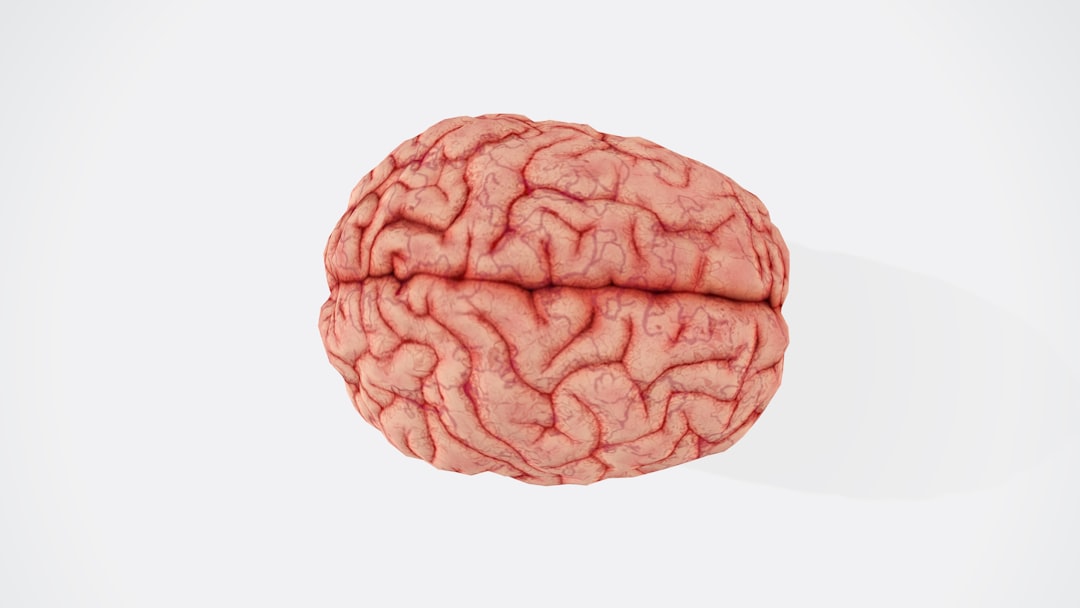
As aging progresses, nutrition plays a critical role in brain health maintenance. The brain requires consistent nutrient intake for optimal function. A balanced diet helps reduce cognitive decline, enhance memory, and improve mental clarity.
Scientific evidence indicates that proper nutrition significantly decreases the risk of neurodegenerative conditions like Alzheimer’s and dementia. Making informed dietary choices actively supports cognitive health. The brain is particularly vulnerable to oxidative stress and inflammation, factors that accelerate cognitive deterioration.
Consuming nutrient-dense foods provides essential elements to combat these challenges. Diets high in vitamins, minerals, and antioxidants protect brain cells from damage and support healthy neural pathways. For seniors, understanding the nutrition-brain health connection is essential for preserving cognitive function throughout the aging process.
Key Takeaways
- Proper nutrition is crucial for maintaining and enhancing brain health in seniors.
- Omega-3 fatty acids and antioxidants play key roles in supporting cognitive function.
- Staying hydrated and managing blood sugar levels are essential for optimal brain performance.
- Gut health significantly influences cognitive abilities in older adults.
- Combining balanced meal planning, physical activity, and professional guidance optimizes brain health outcomes for seniors.
Key Nutrients for Maintaining Brain Health in Seniors
When it comes to maintaining brain health, certain nutrients stand out as particularly beneficial for seniors. For instance, B vitamins, including B6, B12, and folate, are essential for energy production and the synthesis of neurotransmitters. These vitamins play a vital role in mood regulation and cognitive function.
Incorporating foods such as leafy greens, whole grains, and lean proteins into your diet can help ensure you receive adequate amounts of these important nutrients. In addition to B vitamins, antioxidants like vitamins C and E are crucial for protecting your brain from oxidative stress. Foods rich in these vitamins, such as berries, nuts, and citrus fruits, can help neutralize free radicals that may damage brain cells.
Omega-3 fatty acids are another key nutrient that supports brain health by promoting communication between neurons and reducing inflammation. By focusing on a diverse range of nutrient-dense foods, you can create a diet that supports your cognitive function and overall well-being.
The Role of Omega-3 Fatty Acids in Supporting Cognitive Function
Omega-3 fatty acids are often hailed as one of the most important nutrients for brain health, particularly for seniors. These essential fats are primarily found in fatty fish like salmon, mackerel, and sardines, as well as in flaxseeds and walnuts. They play a critical role in maintaining the structure of brain cells and facilitating communication between neurons.
Research has shown that adequate intake of omega-3s is associated with improved memory and cognitive performance. Furthermore, omega-3 fatty acids possess anti-inflammatory properties that can help protect the brain from age-related decline. Chronic inflammation is linked to various neurodegenerative diseases, making it essential to include omega-3-rich foods in your diet.
If you find it challenging to consume enough omega-3s through food alone, consider discussing supplementation options with your healthcare provider. By prioritizing omega-3 fatty acids in your diet, you can take proactive steps toward supporting your cognitive function as you age.
Tips for Incorporating Antioxidant-Rich Foods into a Senior’s Diet
Incorporating antioxidant-rich foods into your diet doesn’t have to be complicated or time-consuming. One effective strategy is to focus on colorful fruits and vegetables. The vibrant hues of berries, spinach, carrots, and bell peppers indicate their high antioxidant content.
Aim to fill your plate with a variety of colors to ensure you’re getting a broad spectrum of nutrients. Smoothies are another excellent way to pack in antioxidants; simply blend your favorite fruits with some leafy greens for a delicious and nutritious treat. Another tip is to experiment with herbs and spices that are known for their antioxidant properties.
Turmeric, for example, contains curcumin, which has been shown to have anti-inflammatory effects. Adding turmeric to soups or stews can enhance both flavor and health benefits. Similarly, green tea is rich in antioxidants and can be a refreshing beverage choice throughout the day.
By making small adjustments to your meals and snacks, you can easily increase your intake of antioxidant-rich foods that support brain health.
The Impact of Hydration on Brain Function in Seniors
| Nutrition Tip | Recommended Foods | Benefits for Senior Brain Health | Suggested Daily Intake |
|---|---|---|---|
| Omega-3 Fatty Acids | Fatty fish (salmon, mackerel), flaxseeds, walnuts | Supports cognitive function, reduces inflammation, may slow cognitive decline | 250-500 mg EPA and DHA combined |
| Antioxidants | Berries, dark leafy greens, nuts, dark chocolate | Protects brain cells from oxidative stress and damage | 1-2 servings of berries daily; 1 cup leafy greens |
| B Vitamins (B6, B12, Folate) | Eggs, dairy, fortified cereals, leafy greens, legumes | Supports neurotransmitter function and reduces homocysteine levels linked to cognitive decline | Varies by vitamin; e.g., B12: 2.4 mcg/day |
| Vitamin D | Fortified milk, fatty fish, egg yolks | May improve cognitive function and mood regulation | 800-1000 IU/day |
| Hydration | Water, herbal teas, soups | Maintains concentration, memory, and overall brain function | 6-8 cups (1.5-2 liters) daily |
| Limit Saturated Fats and Sugars | Reduce processed foods, sugary snacks, fried foods | Helps prevent cognitive decline and supports vascular health | Minimize intake; follow balanced diet guidelines |
Hydration is often overlooked when discussing nutrition and brain health, yet it plays a crucial role in cognitive function. As you age, your body’s ability to sense thirst diminishes, making it easier to become dehydrated without realizing it.
Therefore, it’s essential to make a conscious effort to stay hydrated throughout the day. To ensure you’re drinking enough fluids, consider setting reminders or keeping a water bottle nearby. Herbal teas and broths can also contribute to your daily fluid intake while providing additional nutrients.
If plain water doesn’t appeal to you, try infusing it with fruits or herbs for added flavor. By prioritizing hydration, you can support your brain function and overall health as you age.
Strategies for Managing Blood Sugar Levels to Support Brain Health
Managing blood sugar levels is vital for maintaining brain health in seniors. Fluctuations in blood sugar can lead to mood swings, fatigue, and cognitive difficulties. To stabilize your blood sugar levels, focus on consuming complex carbohydrates rather than simple sugars.
Whole grains, legumes, and vegetables release glucose slowly into the bloodstream, providing a steady source of energy for your brain. In addition to choosing the right carbohydrates, incorporating protein into your meals can help regulate blood sugar levels. Lean meats, fish, eggs, and plant-based proteins like beans and lentils are excellent choices.
Pairing carbohydrates with protein can slow down digestion and prevent spikes in blood sugar. By being mindful of your dietary choices and incorporating these strategies into your meals, you can support both your brain health and overall well-being.
The Connection Between Gut Health and Cognitive Function in Seniors
The connection between gut health and cognitive function is an emerging area of research that highlights the importance of a healthy gut microbiome for seniors. Your gut houses trillions of bacteria that play a crucial role in digestion and overall health. Recent studies suggest that these gut bacteria may also influence brain health by producing neurotransmitters and other compounds that affect mood and cognition.
To promote a healthy gut microbiome, focus on consuming fiber-rich foods such as fruits, vegetables, whole grains, and legumes. Fermented foods like yogurt, kefir, sauerkraut, and kimchi are also beneficial as they contain probiotics that support gut health. By nurturing your gut microbiome through dietary choices, you may enhance not only your digestive health but also your cognitive function as you age.
Meal Planning and Preparation Tips for Seniors to Support Brain Health
Meal planning can be an effective way to ensure you’re meeting your nutritional needs while supporting brain health. Start by creating a weekly menu that includes a variety of nutrient-dense foods from all food groups. This approach not only simplifies grocery shopping but also helps you avoid last-minute unhealthy choices.
Consider batch cooking meals that can be easily reheated throughout the week; this saves time while ensuring you have healthy options readily available. When preparing meals, aim for balance by including sources of protein, healthy fats, whole grains, and plenty of fruits and vegetables. Experimenting with new recipes can also keep mealtime exciting while introducing you to different flavors and nutrients.
Don’t hesitate to involve family members or friends in meal preparation; cooking together can be a fun way to bond while promoting healthy eating habits.
The Importance of Regular Physical Activity for Maintaining Brain Health in Seniors
Regular physical activity is another critical component of maintaining brain health as you age. Exercise increases blood flow to the brain, promoting the delivery of oxygen and nutrients essential for cognitive function. Engaging in physical activity has been linked to improved memory, enhanced mood, and reduced risk of cognitive decline.
Whether it’s walking, swimming, or participating in group classes tailored for seniors, finding an activity you enjoy can make it easier to stay active. Incorporating strength training exercises into your routine is also beneficial for maintaining muscle mass and overall physical health. Resistance training has been shown to have positive effects on cognitive function as well.
Aim for at least 150 minutes of moderate-intensity aerobic activity each week combined with muscle-strengthening activities on two or more days per week. By prioritizing regular physical activity alongside proper nutrition, you can create a holistic approach to supporting your brain health.
Potential Risks and Benefits of Supplements for Senior Brain Health
While whole foods should always be the primary source of nutrients for optimal brain health, supplements may offer additional support when dietary intake falls short. However, it’s essential to approach supplementation with caution. Some supplements may interact with medications or have side effects that could outweigh their benefits.
For instance, high doses of certain vitamins may lead to toxicity rather than improvement in cognitive function. Before considering any supplements for brain health, consult with your healthcare provider to discuss potential risks and benefits tailored to your individual needs. They can help determine if specific supplements are appropriate based on your dietary habits and overall health status.
Remember that supplements should complement a balanced diet rather than replace it; focusing on whole foods should always be the foundation of your nutritional approach.
Seeking Professional Guidance for Tailored Nutrition Plans for Senior Brain Health
As you navigate the complexities of nutrition for brain health as a senior, seeking professional guidance can be invaluable. A registered dietitian or nutritionist can help create a personalized nutrition plan tailored to your specific needs and preferences. They can assess your current dietary habits and identify areas for improvement while considering any medical conditions or medications that may impact your nutritional requirements.
Working with a professional allows you to gain insights into meal planning strategies that align with your lifestyle while ensuring you’re meeting all necessary nutrient needs for optimal brain health. Additionally, they can provide ongoing support and accountability as you make dietary changes over time. By investing in professional guidance, you’re taking proactive steps toward enhancing your cognitive well-being through nutrition.
In conclusion, prioritizing nutrition is essential for maintaining brain health as you age. By focusing on key nutrients like omega-3 fatty acids and antioxidants while managing hydration and blood sugar levels, you can actively support cognitive function throughout your senior years. Incorporating regular physical activity further enhances these efforts while seeking professional guidance ensures you’re making informed choices tailored to your unique needs.
Embrace this journey toward better brain health through mindful nutrition—your future self will thank you!
For seniors looking to enhance their brain health through nutrition, it’s essential to explore various dietary strategies.