You, as a senior, understand the critical role that nutrition plays in maintaining your health and vitality. Oatmeal, a staple for many breakfasts, offers a fantastic foundation. However, to truly unlock its potential, especially as you age, you need to think beyond plain oats. This article will guide you through optimal protein pairings for your oatmeal, transforming a simple bowl into a powerhouse of sustained energy, muscle support, and overall well-being. Think of your oatmeal as a canvas; the protein additions are the vibrant, essential colors that complete the masterpiece of your morning meal.
For you, protein isn’t just about muscle mass; it’s a cornerstone of healthy aging. You’re combating sarcopenia, the age-related loss of muscle mass, and protein is your primary defense. It also plays a vital role in immune function, bone health, and hormone production. Adequate protein intake helps you maintain strength, mobility, and a robust immune system, allowing you to continue enjoying an active and independent life.
Understanding Your Protein Needs
Your protein requirements are likely higher than you might assume. While general recommendations often hover around 0.8 grams of protein per kilogram of body weight, for seniors, particularly those who are active or managing chronic conditions, this figure often needs to be increased to 1.0-1.2 grams/kg. This might translate to 70-84 grams of protein per day for a 70 kg individual. Distributing this intake throughout the day, rather than consuming it all in one large meal, is also more effective for muscle protein synthesis. Your breakfast, therefore, is an excellent opportunity to kickstart your daily protein intake.
Protein’s Impact on Satiety and Blood Sugar
Beyond muscle support, protein is a powerful ally in managing your appetite and blood sugar. When you incorporate sufficient protein into your oatmeal, you’ll find yourself feeling fuller for longer. This satiety helps prevent unwanted snacking and supports healthy weight management. Furthermore, protein slows down the absorption of carbohydrates, leading to a more gradual rise in blood sugar. This is particularly beneficial if you are managing diabetes or pre-diabetes, or simply aiming for sustained energy throughout your morning.
For seniors looking to enhance their breakfast with nutritious options, exploring the best protein pairings for oats can be incredibly beneficial. A related article that provides valuable insights on this topic can be found at Explore Senior Health. This resource offers a variety of suggestions on how to combine oats with protein-rich foods, ensuring that seniors receive a balanced meal that supports their health and well-being.
Dairy-Based Protein Enhancements
Dairy products offer a convenient and highly bioavailable source of protein, meaning your body can readily absorb and utilize their amino acids. Integrating dairy into your oatmeal is a classic and effective strategy.
Greek Yogurt: A Creamy Powerhouse
Greek yogurt, with its thick texture and tangy flavor, is an ideal addition to your oatmeal. It contains significantly more protein than regular yogurt, often boasting 15-20 grams per serving.
How to Incorporate Greek Yogurt
You can stir Greek yogurt directly into your cooked oatmeal for a creamy consistency, or layer it on top like a parfait. Choose plain, unsweetened varieties to avoid added sugars, and then sweeten it naturally with fruit or a touch of honey if desired. The probiotics found in Greek yogurt also contribute to gut health, an added benefit for you.
Choosing the Right Greek Yogurt
Opt for full-fat or low-fat Greek yogurt based on your dietary preferences and health goals. While full-fat options provide more satiety, low-fat versions can be suitable if you are monitoring your saturated fat intake. Always check the label for added sugars, aiming for brands with minimal or no added sweeteners.
Cottage Cheese: A Surprisingly Versatile Option
While perhaps not the first food you envision mixing with oatmeal, cottage cheese is a protein champion. A half-cup serving can provide around 12-14 grams of protein, making it an excellent choice for boosting your breakfast.
Blending for Smoothness
For those who might find the curds of cottage cheese unappealing in oatmeal, a simple solution is to blend it. You can blend an appropriate portion of cottage cheese with a splash of milk or water until smooth, then stir it into your warm oatmeal. This creates a creamy, almost custard-like texture, enriching both the protein content and the mouthfeel of your meal.
Flavored and Unflavored Varieties
Similar to Greek yogurt, choose plain, unsweetened cottage cheese to maintain control over the flavor profile and sugar content. You can then add your preferred fruits, nuts, or spices. The mild flavor of cottage cheese makes it a neutral base that pairs well with a variety of oatmeal toppings.
Milk & Protein Powder: A Dynamic Duo
For an immediate and significant protein boost, milk and protein powder combined offer a powerful solution. This is especially useful if you are looking for a quick and convenient way to increase your protein intake without compromising on flavor or texture.
Utilizing Different Milk Types
Cooking your oatmeal in milk instead of water instantly adds protein. Dairy milk (cow’s milk) provides about 8 grams of protein per cup. If you prefer plant-based alternatives, fortified soy milk offers a comparable protein content. Almond, oat, or rice milks typically have less protein, so you might need to compensate with other additions if you rely solely on these.
Selecting Your Protein Powder
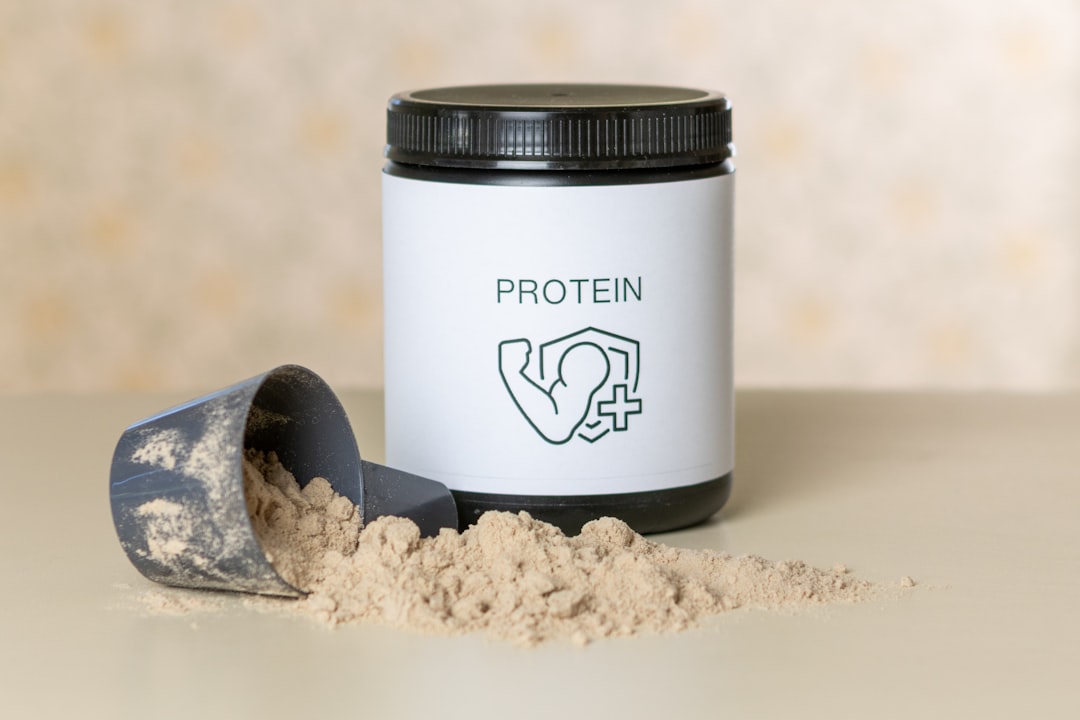
Whey protein is popular due to its high quality and rapid absorption, but casein protein offers a slower release, promoting sustained satiety. Plant-based protein powders, such as pea, rice, or hemp protein, are excellent alternatives if you have dairy sensitivities or follow a vegan diet. Always choose a protein powder with minimal added sugars and artificial ingredients. Stirring a scoop into your oatmeal while it’s still warm, or blending it with a little milk before adding, ensures a smooth consistency.
Egg-Based Protein Integrations

Eggs are often referred to as nature’s perfect protein, and for good reason. They are highly bioavailable, affordable, and incredibly versatile. Incorporating eggs into your oatmeal might sound unconventional, but it’s a brilliant way to add significant protein and healthy fats.
Stirring in Egg Whites for an Invisible Boost
This method provides a lean protein punch without altering the flavor or texture significantly. Egg whites are almost pure protein, providing roughly 3.6 grams per large egg white with virtually no fat or cholesterol.
The “Foolproof” Method
As your oatmeal is nearing the end of its cooking time, and while it’s still hot and simmering, slowly whisk in 1-2 egg whites (or 1/4 to 1/2 cup liquid egg whites) while stirring continuously. The heat will cook the egg whites, integrating them seamlessly into the oats, creating a thicker, creamier texture without any eggy taste. This is analogous to tempering eggs into a custard, where gradual incorporation prevents scrambling.
Whole Eggs for Enhanced Nutrition
Including whole eggs adds not only protein but also healthy fats, vitamins (like B12 and D), and minerals. This contributes to a more nutritionally complete breakfast.
Savory Oatmeal with a Poached or Fried Egg
While many prefer sweet oatmeal, venturing into savory territory opens up exciting protein possibilities. Cook your oatmeal as usual, then top it with a perfectly poached or fried egg. The runny yolk will mix with the oats, adding a rich, umami flavor. This approach pairs well with toppings like sautéed greens, avocado, or a sprinkle of cheese.
Scrambled Egg “Oatmeal” Swirl
You can also scramble an egg or two separately and then gently fold them into your cooked oatmeal. For a uniform mixture, you might scramble the eggs thoroughly and then stir them in. This technique is particularly good if you appreciate the distinct texture of scrambled eggs within your oatmeal.
Plant-Based Protein Powerhouses

If you follow a vegetarian or vegan diet, or simply wish to diversify your protein sources, the plant kingdom offers a wealth of options. These additions also often come with the added benefit of fiber, which is crucial for digestive health, especially for you as a senior.
Nuts and Seeds: Small but Mighty
Nuts and seeds are excellent sources of protein, healthy fats, fiber, and micronutrients. They provide a satisfying crunch and depth of flavor to your oatmeal.
Almonds, Walnuts, and Pecans
A quarter-cup serving of most nuts provides 4-7 grams of protein. Almonds are rich in vitamin E, walnuts offer omega-3 fatty acids, and pecans contain antioxidants. Chop them coarsely for better integration and ease of chewing. Toasting them lightly before adding can enhance their flavor profile. Think of them as small, nutrient-dense packages delivered to your oatmeal.
Chia Seeds, Flaxseeds, and Hemp Seeds
These tiny powerhouses are not only rich in protein but also fiber and omega-3s. A tablespoon of chia seeds provides about 2-3 grams of protein, while flaxseeds offer 2 grams, and hemp seeds lead with an impressive 3-4 grams.
The Gelling Power of Chia and Flax
Chia and flaxseeds form a gel when mixed with liquid, contributing to a thicker, pudding-like oatmeal and helping with satiety. You can stir them into your oatmeal while it’s cooking or soak them overnight with the oats for “overnight oats.” Hemps seeds offer a softer texture and a slightly nutty flavor without the gelling effect.
Nut Butters: Creamy, Delicious Protein
Nut butters are a convenient and delicious way to add a concentrated dose of protein and healthy fats to your oatmeal.
Peanut Butter, Almond Butter, and Cashew Butter
Two tablespoons of most nut butters provide 7-8 grams of protein. Choose natural, unsweetened varieties to avoid added sugars and unhealthy oils. Stir a dollop into your warm oatmeal, or swirl it on top. The way a good nut butter melts into hot oatmeal is almost therapeutic, infusing every spoonful with richness.
Beyond Common Varieties
Don’t limit yourself to just peanut or almond butter. Consider sunflower seed butter for a nut-free option, or tahini (sesame seed paste) for a bolder, savory twist that pairs wonderfully with savory oatmeal preparations.
Legumes: The Unexpected Addition
While less common, some legumes can be surprisingly effective protein additions to oatmeal, particularly in savory preparations.
Lentils: A Hearty Boost
Cooked lentils, particularly red lentils, are mild enough to blend into oatmeal without overpowering the flavor. A half-cup serving of cooked lentils provides about 9 grams of protein. You can cook them separately and then stir them into your savory oatmeal, perhaps alongside some herbs and spices. This might seem unconventional, but it pushes the boundaries of traditional oatmeal and enriches its nutritional density significantly.
Black Beans: For the Adventurous Palate
For a very robust, savory oatmeal, cooked black beans can be mashed or incorporated whole. Roughly 7-8 grams of protein per half-cup. This transforms your oatmeal into a hearty stew-like meal, especially when combined with toppings like salsa, avocado, or a fried egg.
For seniors looking to enhance their oatmeal experience, exploring the best protein pairings can be incredibly beneficial. Incorporating ingredients like Greek yogurt, nuts, or even protein powder can significantly boost the nutritional value of oats, providing essential amino acids that support overall health. If you’re interested in learning more about how to optimize your meals for better nutrition, you can check out this informative article on senior health. For further insights, visit this link to discover additional tips and resources tailored for seniors.
Thoughtful Considerations for Your Oatmeal Pairings
| Protein Pairing | Protein Content (g per serving) | Benefits for Seniors | Recommended Serving Size | Additional Nutrients |
|---|---|---|---|---|
| Greek Yogurt | 15 | Supports muscle maintenance and bone health | 1 cup (245g) | Calcium, Probiotics, Vitamin B12 |
| Almond Butter | 7 | Provides healthy fats and protein for energy | 2 tbsp (32g) | Vitamin E, Magnesium, Fiber |
| Chia Seeds | 5 | Rich in omega-3 fatty acids and fiber | 2 tbsp (28g) | Omega-3, Fiber, Calcium |
| Whey Protein Powder | 20 | High-quality protein for muscle repair | 1 scoop (30g) | Branched-chain amino acids (BCAAs) |
| Cottage Cheese | 14 | Good source of casein protein for slow digestion | 1/2 cup (113g) | Calcium, Phosphorus, Selenium |
As you thoughtfully select your protein additions, keep a few key considerations in mind to maximize both the nutritional benefits and your enjoyment.
Balancing Macronutrients
Your oatmeal should ideally offer a good balance of complex carbohydrates (from the oats), protein, and healthy fats. This trifecta ensures sustained energy, satiety, and the absorption of fat-soluble vitamins. Think of it like building a sturdy tripod; each leg supports the others for overall stability.
The Role of Fiber
Remember that oats are already rich in fiber, and many of the suggested protein pairings (nuts, seeds, legumes) further boost this. Adequate fiber intake is crucial for digestive health, blood sugar control, and even cholesterol management, which are all important for you.
Texture and Flavor Complementarity
The best oatmeal is one that you enjoy regularly. Consider how different textures and flavors will interact. Do you prefer creamy, crunchy, smooth, or chewy? Do you like sweet, savory, or a blend of both? Experiment to find combinations that appeal most to your palate.
Sweet vs. Savory Oatmeal
While sweet oatmeal is traditional, don’t shy away from savory options. A savory bowl can be an excellent way to integrate proteins like eggs, cottage cheese, or even legumes, paired with herbs, spices, and vegetables. This expands your breakfast repertoire and prevents monotony.
Allergen and Dietary Restrictions
Always be mindful of any allergies or dietary restrictions you may have. If you are lactose intolerant, opt for plant-based yogurts, milks, or protein powders. If you have nut allergies, sunflower seed butter or seeds like pumpkin and chia are excellent alternatives. Your health comes first.
Conclusion
Your morning bowl of oatmeal is more than just a quick breakfast; it’s an opportunity to fuel your body with intentional nutrition. By actively incorporating these optimal protein pairings, you are not just adding calories; you are investing in your muscle health, satiety, and overall vitality. Experiment with the various suggestions, find your preferred combinations, and make breakfast a strategic and delicious pillar of your healthy aging journey. This intentional approach to your nutrition will significantly contribute to your continued strength, energy, and independence for years to come.
FAQs
What are the benefits of adding protein to oats for seniors?
Adding protein to oats helps seniors maintain muscle mass, supports bone health, and promotes satiety, which can aid in weight management and overall nutrition.
Which protein sources pair well with oats for seniors?
Good protein pairings for oats include Greek yogurt, cottage cheese, nuts and seeds, protein powders (such as whey or plant-based), and nut butters like almond or peanut butter.
How much protein should seniors aim to add to their oats?
Seniors should aim to add about 15-25 grams of protein per meal, depending on their individual dietary needs and health goals, to support muscle maintenance and overall health.
Are plant-based proteins effective when paired with oats for seniors?
Yes, plant-based proteins such as chia seeds, hemp seeds, flaxseeds, and pea protein powder are effective and provide essential amino acids when combined properly with oats.
Can protein pairings in oats help with managing blood sugar levels in seniors?
Yes, adding protein to oats can slow digestion and help stabilize blood sugar levels, which is beneficial for seniors managing diabetes or insulin resistance.