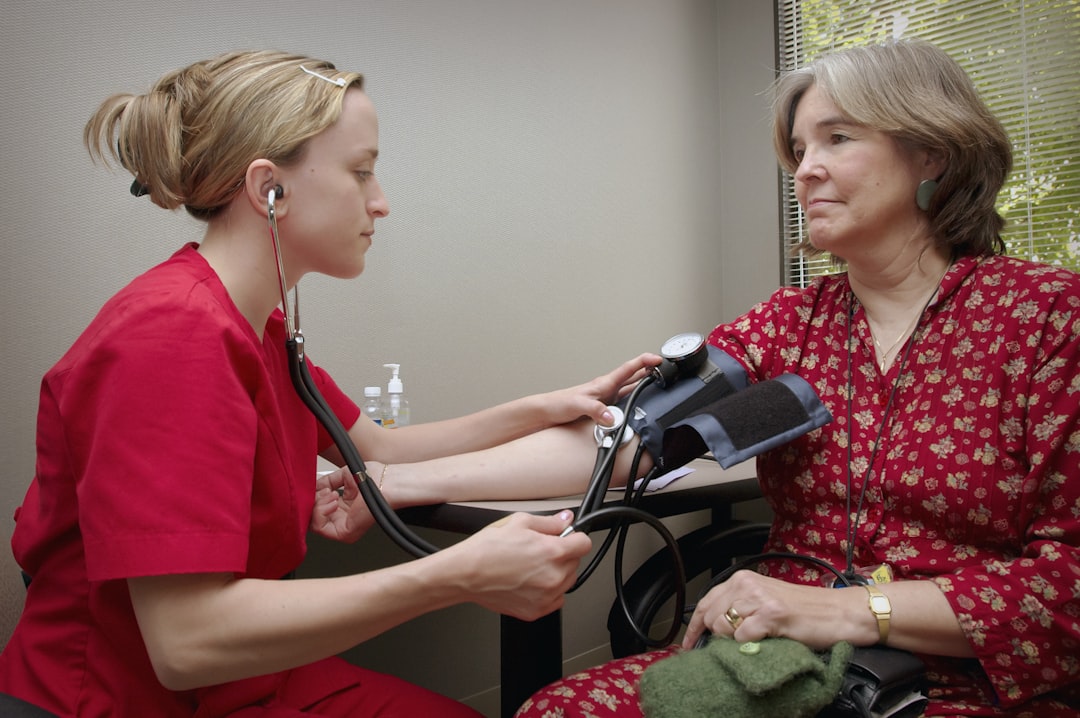
As aging occurs, the body experiences various changes that impact medication effectiveness, particularly blood pressure medications essential for hypertension management and prevention of health complications. Medication optimization is critical for seniors, as properly managed blood pressure can reduce health problems, lower heart disease risk, and improve overall wellbeing. Understanding the importance of optimizing blood pressure medications is fundamental to achieving better health outcomes.
The aging process typically causes decreased kidney function and metabolic changes, altering how medications are processed in the body. Consequently, treatments that were effective in younger years may become less suitable or safe with age. Optimizing blood pressure medications ensures treatment is appropriately tailored to current health status, effectively controlling blood pressure while minimizing potential adverse effects from inappropriate medication use.
Key Takeaways
- Optimizing blood pressure medications in seniors is crucial to balance effectiveness and minimize side effects.
- Common medications include diuretics, ACE inhibitors, beta-blockers, and calcium channel blockers, each with specific considerations for seniors.
- Regular monitoring and adjustments are essential to address changing health conditions and medication responses in elderly patients.
- Lifestyle changes such as diet, exercise, and stress management complement medication and improve blood pressure control.
- Healthcare providers play a key role in managing medication regimens, preventing drug interactions, and providing support resources for seniors.
Common Blood Pressure Medications for Seniors
When it comes to managing high blood pressure, several classes of medications are commonly prescribed to seniors. These include diuretics, ACE inhibitors, beta-blockers, and calcium channel blockers. Diuretics, often referred to as “water pills,” help your body eliminate excess sodium and fluid, which can lower blood pressure.
If you find yourself frequently needing to urinate, this may be a sign that your doctor has prescribed a diuretic to help manage your condition. ACE inhibitors work by relaxing blood vessels, making it easier for your heart to pump blood. They are often favored for their protective effects on the kidneys, especially in seniors who may have underlying kidney issues.
Beta-blockers reduce heart rate and the force of contraction, which can be beneficial if you have a history of heart problems. Calcium channel blockers also play a role in relaxing blood vessels but do so by preventing calcium from entering the cells of the heart and blood vessel walls.
Potential Risks and Side Effects of Blood Pressure Medications for Seniors
While blood pressure medications can be life-saving, they are not without risks and side effects, especially for seniors. You may experience dizziness, fatigue, or even fainting spells as your body adjusts to new medications. These side effects can be particularly concerning if you have other health conditions or are taking multiple medications.
It’s essential to communicate any adverse effects you experience to your healthcare provider so they can make necessary adjustments. Additionally, some medications may interact with others you are taking, leading to increased risks of complications. For instance, certain diuretics can lead to electrolyte imbalances, which can cause muscle cramps or irregular heartbeats.
Being aware of these potential risks allows you to take proactive steps in managing your health and ensuring that your treatment plan is both safe and effective.
Factors Affecting Blood Pressure Medication Effectiveness in Seniors
Several factors can influence how effectively blood pressure medications work in seniors. One significant factor is adherence to the prescribed regimen. If you forget to take your medication or do not follow the dosage instructions closely, it can lead to uncontrolled blood pressure levels.
Establishing a routine or using pill organizers can help you stay on track with your medication schedule. Another critical factor is the presence of comorbidities—other health conditions that may complicate treatment. For example, if you have diabetes or heart disease alongside hypertension, your healthcare provider may need to adjust your medication regimen accordingly.
Additionally, lifestyle factors such as diet, exercise, and stress levels can also impact how well your medications work. By being mindful of these factors, you can play an active role in optimizing your blood pressure management.
Strategies for Optimizing Blood Pressure Medications in Seniors
| Metric | Value | Notes |
|---|---|---|
| Target Systolic BP | 130-139 mmHg | Recommended range for most seniors to reduce risk of stroke and heart disease |
| Target Diastolic BP | 70-79 mmHg | Optimal range to avoid hypotension and maintain organ perfusion |
| Common Medication Classes | ACE inhibitors, Calcium channel blockers, Diuretics | Frequently adjusted based on tolerance and kidney function |
| Adjustment Frequency | Every 4-6 weeks | Allows time to assess response and side effects |
| Side Effect Monitoring | Orthostatic hypotension, electrolyte imbalance | Particularly important in seniors to prevent falls and complications |
| Medication Adherence Rate | Approximately 70% | Adherence can be improved with simplified regimens and education |
| Renal Function Monitoring | Every 3-6 months | Essential when using ACE inhibitors or diuretics |
To optimize blood pressure medications effectively, consider implementing several strategies that can enhance your treatment outcomes. First and foremost, maintaining open communication with your healthcare provider is crucial. Regular check-ups allow for ongoing assessment of your medication’s effectiveness and any necessary adjustments based on your current health status.
Another strategy involves keeping a detailed record of your blood pressure readings at home. This information can provide valuable insights into how well your medications are working and help identify patterns that may require further investigation. Additionally, consider involving family members or caregivers in your medication management process; they can offer support and reminders to help you stay compliant with your treatment plan.
Importance of Regular Monitoring and Adjusting Blood Pressure Medications for Seniors
Regular monitoring of blood pressure is vital for seniors taking medication for hypertension. Your body’s response to medication can change over time due to various factors such as age-related physiological changes or the development of new health conditions. By routinely checking your blood pressure at home or during doctor visits, you can provide essential data that helps guide treatment decisions.
Adjusting medications based on these readings is equally important. If your blood pressure remains consistently high despite treatment, it may indicate that your current regimen is not effective enough. Conversely, if you experience low blood pressure readings or symptoms like dizziness or fainting, it may be necessary to reduce the dosage or switch medications altogether.
Regular monitoring ensures that you receive the most appropriate care tailored to your evolving health needs.
Lifestyle Changes to Complement Blood Pressure Medications in Seniors
While medications play a crucial role in managing high blood pressure, lifestyle changes can significantly enhance their effectiveness. Incorporating a heart-healthy diet rich in fruits, vegetables, whole grains, and lean proteins can help lower blood pressure naturally. Reducing sodium intake is particularly important; even small changes in dietary habits can lead to significant improvements in blood pressure levels.
Physical activity is another essential component of managing hypertension. Engaging in regular exercise—whether it’s walking, swimming, or yoga—can help strengthen your heart and improve circulation.
Additionally, managing stress through relaxation techniques such as meditation or deep breathing exercises can also contribute positively to your overall health and well-being.
The Role of Healthcare Providers in Optimizing Blood Pressure Medications for Seniors
Healthcare providers play a pivotal role in optimizing blood pressure medications for seniors. They are responsible for assessing individual health needs and determining the most appropriate treatment options based on various factors such as age, medical history, and lifestyle choices. Your healthcare provider should regularly review your medication regimen and make adjustments as necessary to ensure optimal management of hypertension.
Moreover, healthcare providers serve as valuable resources for education and support. They can help you understand the importance of adherence to medication schedules and lifestyle changes while addressing any concerns or questions you may have about your treatment plan. Building a strong partnership with your healthcare team empowers you to take an active role in managing your health effectively.
Potential Drug Interactions with Blood Pressure Medications in Seniors
As a senior taking multiple medications, it’s crucial to be aware of potential drug interactions that could affect the efficacy of your blood pressure medications. Certain over-the-counter drugs, supplements, or even herbal remedies may interact negatively with prescribed medications, leading to increased side effects or reduced effectiveness. For instance, non-steroidal anti-inflammatory drugs (NSAIDs) like ibuprofen can raise blood pressure levels when taken alongside certain antihypertensives.
To minimize the risk of drug interactions, always inform your healthcare provider about all medications and supplements you are taking. They can help identify any potential interactions and adjust your treatment plan accordingly. Being proactive about this aspect of your health management ensures that you receive safe and effective care tailored specifically to your needs.
Recognizing the Signs of Poor Blood Pressure Medication Management in Seniors
Recognizing the signs of poor blood pressure medication management is essential for timely intervention. If you notice symptoms such as persistent headaches, dizziness, fatigue, or fluctuations in mood, these could indicate that your blood pressure is not well-controlled or that your medication regimen needs adjustment. Additionally, if you find yourself frequently forgetting doses or feeling overwhelmed by complex medication schedules, it may be time to seek assistance.
Being vigilant about these signs allows you to take action before more serious complications arise. Regularly discussing any concerns with your healthcare provider ensures that you remain on track with your treatment plan and receive the necessary support to manage your hypertension effectively.
Resources and Support for Seniors Managing Blood Pressure Medications
Managing blood pressure medications can be challenging for seniors; however, numerous resources are available to provide support and guidance. Many community organizations offer educational programs focused on hypertension management and healthy living tailored specifically for older adults. These programs often include workshops on nutrition, exercise classes, and support groups where you can connect with others facing similar challenges.
Additionally, online resources such as websites dedicated to senior health provide valuable information about managing hypertension and understanding medication options. Mobile apps designed for medication management can also help you keep track of dosages and remind you when it’s time to take your pills. By utilizing these resources and seeking support from family members or caregivers, you can navigate the complexities of managing blood pressure medications more effectively and confidently.
In conclusion, optimizing blood pressure medications for seniors is a multifaceted process that requires careful consideration of various factors including medication types, potential side effects, lifestyle changes, and regular monitoring. By actively engaging with healthcare providers and utilizing available resources, you can take charge of your health and work towards achieving better outcomes in managing hypertension.
When considering blood pressure medication adjustments for seniors, it’s essential to stay informed about the latest guidelines and recommendations. A helpful resource on this topic can be found in the article on senior health management, which discusses various strategies for effectively managing blood pressure in older adults. You can read more about it in this article: Blood Pressure Management for Seniors.
FAQs
What is blood pressure medication adjustment for seniors?
Blood pressure medication adjustment for seniors involves modifying the type, dosage, or timing of blood pressure drugs to better suit the health needs and conditions of older adults. This process aims to optimize blood pressure control while minimizing side effects.
Why do seniors often need adjustments in their blood pressure medication?
As people age, their bodies process medications differently, and they may develop other health conditions or experience changes in kidney and liver function. These factors can affect how blood pressure medications work, necessitating adjustments to ensure safety and effectiveness.
How frequently should blood pressure medications be reviewed in seniors?
Blood pressure medications should be reviewed regularly, typically every 3 to 6 months, or more frequently if there are changes in health status, side effects, or blood pressure readings. Regular monitoring helps to maintain optimal blood pressure control.
What are common side effects of blood pressure medications in seniors?
Common side effects can include dizziness, fatigue, electrolyte imbalances, and increased risk of falls. Seniors may be more sensitive to these effects, which is why careful adjustment and monitoring are important.
Can blood pressure medication adjustments reduce the risk of falls in seniors?
Yes, appropriate adjustments can reduce side effects like dizziness and low blood pressure, which are risk factors for falls. Managing medication carefully helps maintain balance and overall safety.
Is it safe for seniors to stop or change blood pressure medication without consulting a doctor?
No, seniors should never stop or change their blood pressure medication without consulting their healthcare provider. Sudden changes can lead to uncontrolled blood pressure and increase the risk of serious complications.
What factors do doctors consider when adjusting blood pressure medication for seniors?
Doctors consider factors such as current blood pressure readings, kidney and liver function, presence of other medical conditions, potential drug interactions, side effects, and the senior’s overall health and lifestyle.
Are there non-medication approaches to managing blood pressure in seniors?
Yes, lifestyle changes such as a healthy diet, regular physical activity, weight management, reducing salt intake, limiting alcohol, and managing stress can help control blood pressure and may reduce the need for medication adjustments.
How can seniors monitor their blood pressure at home?
Seniors can use home blood pressure monitors to regularly check their readings. It is important to follow the device instructions carefully and keep a log to share with their healthcare provider for better medication management.
What should seniors do if they experience side effects from blood pressure medication?
If side effects occur, seniors should contact their healthcare provider promptly. The provider may adjust the medication type or dosage to reduce side effects while maintaining blood pressure control.