
Optimizing Brain Health: Tips for a Healthy Mind
Your brain, a command center of intricate networks, is the architect of your thoughts, memories, emotions, and actions. Maintaining its optimal function is not merely about warding off decline; it’s about empowering your capacity to learn, adapt, and thrive throughout your life. This article provides actionable strategies to nurture and enhance your cognitive well-being, treating your brain not as a static organ, but as a dynamic ecosystem requiring consistent care and attention.
The food you consume directly impacts the structure and function of your brain. Think of your brain as a high-performance vehicle; it requires premium fuel to operate efficiently. Introducing suboptimal fuel leads to sluggish performance and potential long-term damage. Optimizing your diet is a fundamental step in providing your brain with the building blocks and energy it needs to perform at its best.
The Macronutrient Blueprint for Brain Function
Your brain relies on a balanced intake of carbohydrates, proteins, and fats to function. These macronutrients are not created equal in terms of their cognitive impact.
Carbohydrates: The Brain’s Primary Energy Source
Your brain’s preferred energy source is glucose, derived from carbohydrates. However, the type of carbohydrate matters.
- Complex Carbohydrates: These, found in whole grains (oats, brown rice, quinoa), legumes, and vegetables, are digested slowly, providing a steady release of glucose into your bloodstream. This sustained energy prevents sharp spikes and crashes in blood sugar, which can impair focus and cognitive function. Imagine a slow-burning log versus a rapidly consuming flash paper – the log provides consistent warmth, much like complex carbs provide sustained brain energy.
- Simple Carbohydrates: These, present in refined sugars, white bread, and processed snacks, are quickly absorbed, leading to rapid glucose spikes followed by dips. This rollercoaster of blood sugar can negatively affect mood, concentration, and memory.
Proteins: The Building Blocks of Neurotransmitters
Proteins are essential for building and repairing brain cells and are the precursors to neurotransmitters, the chemical messengers that allow neurons to communicate.
- Complete Proteins: Sources like lean meats, fish, eggs, and dairy provide all the essential amino acids your body needs.
- Incomplete Proteins: Plant-based sources like beans, nuts, and seeds can be combined to ensure a complete amino acid profile. The production of neurotransmitters like dopamine and serotonin, crucial for mood regulation, motivation, and focus, is directly linked to adequate protein intake.
Healthy Fats: Essential for Brain Structure and Communication
Fats are critical components of neuronal membranes, influencing how brain cells transmit signals.
- Omega-3 Fatty Acids: These are particularly vital. Found in fatty fish (salmon, mackerel, sardines), flaxseeds, chia seeds, and walnuts, omega-3s are crucial for brain cell structure and play a role in reducing inflammation, a factor implicated in neurodegenerative diseases. Consider omega-3s as the lubricant for your brain’s complex machinery, ensuring smooth and efficient communication between its parts.
- Monounsaturated and Polyunsaturated Fats: Found in avocados, olive oil, nuts, and seeds, these fats also support brain health by reducing inflammation and improving cholesterol profiles, indirectly benefiting brain blood flow.
- Saturated and Trans Fats: Limiting intake of these fats, commonly found in fried foods, red meat, and processed snacks, is advisable, as they can negatively impact cardiovascular health, which is intrinsically linked to brain health.
Micronutrients: The Tiny Catalysts for Cognitive Power
Vitamins and minerals, even in small amounts, act as critical cofactors and antioxidants, supporting a myriad of brain processes.
B Vitamins: The Energy Transformers
A group of eight vitamins (B1, B2, B3, B5, B6, B7, B9, B12), B vitamins are indispensable for energy metabolism and the synthesis of neurotransmitters and DNA. Deficiencies in certain B vitamins, particularly B12 and folate (B9), have been linked to cognitive impairment and mood disorders. Good sources include whole grains, leafy green vegetables, eggs, and lean meats.
Antioxidants: The Brain’s Shield Against Damage
Your brain, working tirelessly, produces free radicals as a byproduct of its metabolic activity. These unstable molecules can damage cells, including neurons, contributing to aging and disease. Antioxidants neutralize these free radicals.
- Vitamin C: Found in citrus fruits, berries, bell peppers, and leafy greens, Vitamin C is a potent antioxidant.
- Vitamin E: Present in nuts, seeds, and vegetable oils, Vitamin E protects cell membranes from oxidative damage.
- Flavonoids: These compounds, abundant in berries, dark chocolate, tea, and red wine (in moderation), have strong antioxidant and anti-inflammatory properties that can protect brain cells and improve blood flow. Think of antioxidants as tiny, vigilant guardians patrolling your brain, neutralizing threats before they can cause harm.
Minerals: The Structural and Functional Essentials
- Magnesium: Plays a role in nerve signal transmission and synaptic plasticity, the brain’s ability to adapt and form new connections. Found in leafy greens, nuts, seeds, and whole grains.
- Zinc: Involved in neurotransmitter function and neuronal growth. Sources include oysters, red meat, poultry, and legumes.
- Iron: Essential for oxygen transport to the brain and for the synthesis of myelin, the protective sheath around nerve fibers. Deficiencies can lead to fatigue and cognitive deficits. Found in red meat, spinach, and fortified cereals.
Hydration: The Unsung Hero of Brain Performance
Water is fundamental to all bodily functions, including those of the brain. Dehydration, even mild, can impair concentration, memory, and mood. Your brain is approximately 75% water, and maintaining adequate hydration ensures optimal neuronal function and efficient waste removal. Aim for consistent water intake throughout the day, listening to your body’s thirst cues.
Maintaining brain health is crucial as we age, and understanding the factors that contribute to cognitive decline can help us make informed choices. For more insights on this topic, you can read a related article that discusses various strategies to enhance brain function and overall mental well-being. Check it out here: Exploring Senior Health.
Engaging Your Mind: The Importance of Cognitive Stimulation
Your brain is a muscle, and like any muscle, it benefits from regular exercise. Cognitive stimulation involves actively engaging your mind in activities that challenge your thinking processes and promote neural plasticity, the brain’s remarkable ability to reorganize itself by forming new neural connections.
The Power of Lifelong Learning
Continuous learning is a cornerstone of sustained brain health. It introduces new information, skills, and perspectives, forcing your brain to create new pathways and strengthen existing ones.
- Learning a New Language: This demands the acquisition of new vocabulary, grammar rules, and pronunciation, engaging multiple brain regions simultaneously.
- Mastering a Musical Instrument: This requires fine motor skills, auditory processing, memory, and pattern recognition. The intricate coordination involved provides a comprehensive cognitive workout.
- Taking Up a New Hobby: Whether it’s painting, coding, gardening, or intricate puzzle-solving, any activity that requires learning new skills and problem-solving can be beneficial.
- Reading Widely: Beyond pure enjoyment, reading exposes you to diverse concepts, narratives, and arguments, fostering critical thinking and expanding your knowledge base.
Challenging Your Brain with Puzzles and Games
Specifically designed cognitive challenges can be particularly effective in honing mental agility.
- Crossword Puzzles and Sudoku: These classic puzzles engage your vocabulary, logic, and problem-solving skills.
- Memory Games: Activities that require recalling sequences, faces, or facts can strengthen your working memory and recall abilities.
- Strategy Games: Games like chess, checkers, or complex board games demand foresight, planning, and the anticipation of your opponent’s moves, significantly exercising executive functions.
The Social Brain: Connection as a Cognitive Stimulant
Human beings are social creatures, and social interaction is a powerful form of cognitive stimulation. Engaging with others challenges your communication skills, empathy, and ability to process complex social cues.
- Meaningful Conversations: Discussing ideas, sharing experiences, and actively listening to others requires significant cognitive effort and can spark new insights.
- Joining Clubs or Groups: Participating in activities with like-minded individuals provides opportunities for social engagement and shared learning.
- Mentoring or Teaching: Guiding others reinforces your own knowledge and requires you to explain concepts clearly, further solidifying your understanding.
Moving Your Body: The Undeniable Link Between Physical and Cognitive Health

Physical activity is not just about maintaining a healthy body; it is a potent elixir for a healthy mind. The benefits of exercise extend far beyond cardiovascular health, directly influencing brain function, mood, and the very structure of your brain.
Aerobic Exercise: Boosting Blood Flow and Brain Growth
Aerobic exercise, which elevates your heart rate and breathing for a sustained period, is a powerful neuroenhancer.
- Increased Blood Flow: During aerobic activity, your heart pumps more blood, delivering a richer supply of oxygen and nutrients to your brain. This enhanced circulation is like opening up wider highways for vital resources to reach every corner of your cerebral city.
- Neurogenesis: Regular aerobic exercise is scientifically linked to neurogenesis, the creation of new neurons, particularly in the hippocampus, a brain region crucial for learning and memory.
- BDNF (Brain-Derived Neurotrophic Factor): Exercise stimulates the production of BDNF, a protein that acts like fertilizer for your neurons, promoting their survival, growth, and the formation of new connections.
- Examples: Activities like brisk walking, running, swimming, cycling, and dancing are excellent choices. Aim for at least 150 minutes of moderate-intensity or 75 minutes of vigorous-intensity aerobic activity per week.
Strength Training: Building a Resilient Cognitive Framework
While aerobic exercise often takes center stage, strength training also plays a significant role in optimizing brain health.
- Improved Insulin Sensitivity: Strength training enhances insulin sensitivity, which is crucial because insulin resistance is linked to cognitive decline.
- Reduced Inflammation: Muscle building and repair processes involved in strength training can contribute to a reduction in systemic inflammation, which can negatively impact brain health.
- Enhanced Motor Control and Coordination: Strengthening muscles improves your ability to move efficiently and maintain balance, reducing the risk of falls and injuries that could impact cognitive function.
The Role of Movement in Everyday Life
Beyond structured exercise, incorporating more movement into your daily routine can have cumulative benefits.
- Taking the Stairs: Opting for stairs over elevators adds extra bursts of physical activity.
- Walking or Cycling for Errands: When feasible, replace car journeys with more active modes of transport.
- Regular Breaks for Movement: If your work involves prolonged sitting, set reminders to stand up, stretch, and move around at regular intervals. This prevents sedentary behavior and keeps your bodily systems, including blood flow to the brain, more active.
Prioritizing Rest and Recovery: The Essentiality of Sleep
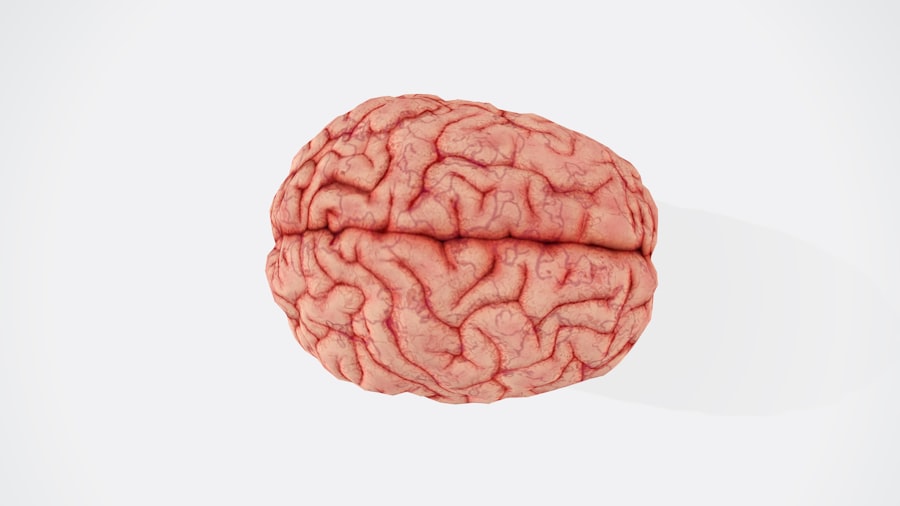
Sleep is not a luxury; it is a fundamental biological necessity for brain health. During sleep, your brain undergoes critical processes of consolidation, repair, and detoxification. Depriving your brain of adequate sleep is akin to starving it of its essential maintenance and restoration periods.
The Sleep Cycle: A Symphony of Restoration
Sleep occurs in cycles, each encompassing different stages, including REM (Rapid Eye Movement) and non-REM sleep.
- Memory Consolidation: During sleep, particularly deep non-REM sleep, your brain consolidates memories, transferring information from short-term to long-term storage.
- Synaptic Pruning: Your brain also prunes away unnecessary neural connections, making established pathways more efficient. This is like a gardener tending to a plant, trimming away weaker branches to allow the stronger ones to flourish.
- Waste Removal: The glymphatic system, a waste clearance pathway in the brain, is significantly more active during sleep, removing toxic byproducts that accumulate during wakefulness, such as beta-amyloid proteins associated with Alzheimer’s disease.
Achieving Optimal Sleep Hygiene
Establishing good sleep habits is paramount for reaping the restorative benefits of sleep.
- Consistent Sleep Schedule: Aim to go to bed and wake up around the same time each day, even on weekends, to regulate your body’s natural sleep-wake cycle (circadian rhythm).
- Create a Relaxing Bedtime Routine: Engage in calming activities before bed, such as reading a book, taking a warm bath, or practicing gentle stretching.
- Optimize Your Sleep Environment: Ensure your bedroom is dark, quiet, and cool. Invest in a comfortable mattress and pillows.
- Limit Screen Time Before Bed: The blue light emitted from electronic devices can interfere with melatonin production, a hormone that regulates sleep. Aim to put away screens at least an hour before bedtime.
- Avoid Stimulants: Limit caffeine and alcohol intake, especially in the hours leading up to bedtime.
The Impact of Sleep Deprivation on Cognitive Function
Insufficient sleep can have immediate and profound negative effects on your cognitive abilities.
- Impaired Concentration and Attention: You will find it harder to focus and maintain attention.
- Reduced Problem-Solving Skills: Your ability to think critically and find solutions will be diminished.
- Memory Lapses: Both learning new information and recalling existing memories become more challenging.
- Mood Disturbances: Increased irritability, anxiety, and even depressive symptoms are common.
- Decreased Reaction Time: This can be particularly dangerous if you are driving or operating machinery.
Maintaining brain health is crucial as we age, and various strategies can support cognitive function. Engaging in regular physical activity, eating a balanced diet rich in antioxidants, and staying socially active are all beneficial practices. For those interested in exploring more about how to enhance brain health, a helpful resource can be found in this article, which provides insights into effective methods for promoting mental well-being in seniors.
Managing Stress and Cultivating Emotional Well-being
| Metric | Description | Recommended Range/Value | Significance for Brain Health |
|---|---|---|---|
| Brain Volume | Measurement of total brain size via MRI | Varies by age; minimal shrinkage with aging | Higher volume generally indicates better cognitive function |
| Neurotransmitter Levels | Concentration of chemicals like dopamine, serotonin | Balanced levels specific to each neurotransmitter | Essential for mood regulation, memory, and cognition |
| Blood Flow to Brain | Cerebral blood flow measured in mL/100g/min | 50-60 mL/100g/min in healthy adults | Ensures oxygen and nutrient delivery to brain cells |
| Inflammation Markers | Levels of cytokines like IL-6, CRP in blood | Low levels preferred | High inflammation linked to neurodegeneration |
| Cognitive Test Scores | Standardized tests measuring memory, attention | Scores within normal range for age group | Reflects functional brain health and performance |
| Sleep Quality | Hours and quality of sleep per night | 7-9 hours of restful sleep | Critical for memory consolidation and brain repair |
| Omega-3 Fatty Acid Levels | Blood levels of EPA and DHA | Higher levels associated with better brain function | Supports neuronal membrane health and reduces inflammation |
Chronic stress is a silent saboteur of brain health, impacting mood, memory, and the very structure of your brain over time. Cultivating emotional resilience and effective stress management techniques are crucial for protecting your cognitive capital.
The Neurobiology of Stress and Its Cognitive Consequences
When faced with stress, your body releases stress hormones like cortisol and adrenaline. While short-term bursts of these hormones can be beneficial, chronic elevation can be detrimental.
- Hippocampal Atrophy: Prolonged exposure to high cortisol levels can lead to shrinkage of the hippocampus, impairing learning and memory.
- Prefrontal Cortex Impairment: The prefrontal cortex, responsible for executive functions like decision-making and impulse control, can also be negatively affected by chronic stress.
- Inflammation: Stress contributes to systemic inflammation, which can damage brain cells and interfere with neurotransmitter function.
Effective Stress Management Techniques
Implementing strategies to mitigate stress is an ongoing process, not a singular event.
- Mindfulness and Meditation: These practices train your brain to focus on the present moment, reducing rumination and promoting a sense of calm. Regular practice can lead to structural changes in brain regions associated with attention and emotional regulation.
- Deep Breathing Exercises: Simple, controlled breathing techniques can activate the parasympathetic nervous system, counteracting the body’s stress response.
- Yoga and Tai Chi: These practices combine physical movement with mindful awareness, offering both physical and mental benefits for stress reduction.
- Spending Time in Nature: Exposure to natural environments has been shown to reduce stress hormones and improve mood.
- Journaling: Writing down your thoughts and feelings can provide an outlet for emotional expression and help you gain perspective on stressors.
- Setting Boundaries: Learning to say “no” and protecting your time and energy are crucial for preventing overwhelm.
Cultivating Positive Emotions and Gratitude
While managing negative emotions is important, actively cultivating positive ones can also bolster brain health.
- Gratitude Practices: Regularly acknowledging things you are thankful for can shift your focus towards positive aspects of your life, reducing stress and improving overall mood.
- Acts of Kindness: Engaging in altruistic behaviors has been linked to increased feelings of happiness and well-being, which can have a positive impact on your brain.
- Savoring Positive Experiences: Intentionally focusing on and appreciating enjoyable moments can enhance their impact on your emotional state and cognitive well-being.
By implementing these strategies, you are not just maintaining your brain; you are actively investing in its future, ensuring that this remarkable organ can continue to serve you with clarity, resilience, and vitality. Your brain is your most precious asset; treat it with the care and attention it deserves.

WATCH NOW ▶️ Brain fog fish oil alternative
FAQs
What are the key factors that contribute to maintaining good brain health?
Maintaining good brain health involves a combination of regular physical exercise, a balanced diet rich in antioxidants and omega-3 fatty acids, adequate sleep, mental stimulation, stress management, and avoiding harmful habits such as smoking and excessive alcohol consumption.
How does physical exercise benefit brain health?
Physical exercise increases blood flow to the brain, promotes the growth of new brain cells, improves memory and cognitive function, and reduces the risk of neurodegenerative diseases like Alzheimer’s. It also helps reduce stress and improve mood, which are important for overall brain health.
Can diet impact brain health, and if so, what foods are recommended?
Yes, diet plays a significant role in brain health. Foods rich in antioxidants (such as berries), healthy fats (like those found in fish, nuts, and olive oil), vitamins (especially B vitamins), and minerals support brain function. Avoiding excessive sugar and processed foods is also beneficial.
What role does sleep play in maintaining brain health?
Sleep is essential for brain health as it helps consolidate memories, clear toxins from the brain, and support cognitive functions. Poor or insufficient sleep is linked to impaired memory, reduced concentration, and increased risk of neurodegenerative diseases.
Are there any mental exercises or activities that can improve brain health?
Yes, engaging in mentally stimulating activities such as puzzles, reading, learning new skills, playing musical instruments, and social interaction can help improve cognitive function, enhance memory, and reduce the risk of cognitive decline.