
As you age, your body undergoes numerous changes, and one of the most significant areas affected is your gut health. The gut, often referred to as the “second brain,” plays a crucial role in your overall well-being. It is home to trillions of microorganisms that contribute to digestion, immune function, and even mental health.
Understanding how these changes impact your gut can empower you to take proactive steps toward maintaining a healthy digestive system. In older adults, the gut microbiome can become less diverse, which may lead to various health issues. You might experience symptoms such as bloating, constipation, or diarrhea more frequently than in your younger years.
Additionally, the aging process can affect the production of digestive enzymes and stomach acid, making it harder for your body to break down food effectively. Recognizing these changes is the first step in addressing them and ensuring that your gut remains healthy as you age.
Key Takeaways
- Gut health in older adults is crucial for overall well-being and can impact various aspects of health.
- A balanced diet rich in fiber, fruits, vegetables, and probiotic-rich foods can promote a healthy gut microbiome.
- Staying adequately hydrated is essential for maintaining good gut health and preventing digestive issues.
- Regular exercise can improve gut motility and promote a healthy gut microbiome in older adults.
- Managing stress through relaxation techniques and mindfulness can positively impact gut health in older adults.
The Role of Diet in Gut Health
Your diet plays a pivotal role in shaping the health of your gut. As you consider what to eat, think about incorporating a variety of foods that promote a balanced microbiome. A diet rich in fruits, vegetables, whole grains, and lean proteins can provide the essential nutrients your body needs while also supporting the growth of beneficial gut bacteria.
You may find that experimenting with different foods can help you discover what works best for your digestive system. Moreover, it’s important to be mindful of processed foods and added sugars, which can negatively impact your gut health. These foods can lead to inflammation and an imbalance in your gut microbiome.
By focusing on whole, nutrient-dense foods, you can create an environment in your gut that fosters good bacteria and helps keep harmful bacteria at bay. This dietary shift not only benefits your gut but can also enhance your overall health and vitality.
Importance of Hydration for Gut Health

Staying hydrated is another essential aspect of maintaining gut health, especially as you age. Water plays a vital role in digestion by helping to break down food and absorb nutrients effectively. When you are adequately hydrated, your body can produce enough mucus in the intestines, which aids in smooth digestion and prevents constipation.
You might notice that when you drink enough water, your digestive system feels more comfortable and efficient. In addition to plain water, consider incorporating hydrating foods into your diet. Fruits and vegetables with high water content, such as cucumbers, oranges, and watermelon, can contribute to your overall hydration levels.
As you age, your sense of thirst may diminish, so it’s crucial to make a conscious effort to drink fluids throughout the day. By prioritizing hydration, you can support your gut health and enhance your overall well-being.
Exercise and Gut Health
| Exercise and Gut Health Metrics | Value |
|---|---|
| Improved Gut Microbiota Diversity | Increased |
| Reduced Risk of Inflammatory Bowel Disease | Decreased |
| Enhanced Intestinal Barrier Function | Improved |
| Reduced Gut Inflammation | Decreased |
| Improved Digestive Health | Enhanced |
Regular physical activity is not only beneficial for your heart and muscles but also plays a significant role in maintaining a healthy gut. Engaging in exercise can stimulate the movement of food through your digestive tract, reducing the risk of constipation and promoting regular bowel movements. You may find that incorporating activities like walking, swimming, or yoga into your routine can have a positive impact on how your gut functions.
Moreover, exercise has been shown to promote a diverse gut microbiome. When you engage in physical activity, you encourage the growth of beneficial bacteria that can improve digestion and boost your immune system. As you explore different forms of exercise, consider what you enjoy most; this will make it easier to stick with a routine that supports both your physical health and gut health.
Managing Stress for a Healthy Gut
Stress can have a profound effect on your gut health, often leading to digestive issues such as bloating or irritable bowel syndrome (IBS). As you navigate the challenges of aging, it’s essential to find effective ways to manage stress. Techniques such as mindfulness meditation, deep breathing exercises, or even spending time in nature can help reduce stress levels and promote a healthier gut.
Additionally, consider engaging in social activities that bring you joy and connection with others. Building strong relationships and maintaining a supportive social network can significantly reduce stress and improve your overall mental well-being. By prioritizing stress management techniques, you can create a more favorable environment for your gut health.
Probiotics and Gut Health
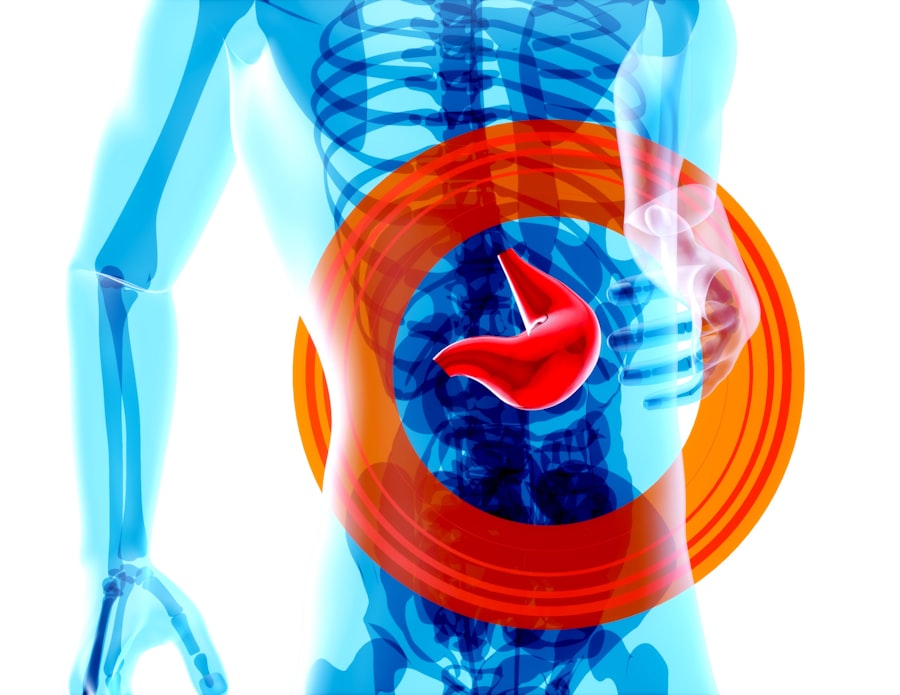
Probiotics are live microorganisms that can provide numerous health benefits when consumed in adequate amounts. These beneficial bacteria can help restore balance to your gut microbiome, especially if you’ve experienced disruptions due to antibiotics or poor dietary choices. You might consider incorporating probiotic-rich foods into your diet, such as yogurt, kefir, sauerkraut, or kimchi.
If you’re not getting enough probiotics from food sources alone, you may want to explore supplements. However, it’s essential to consult with a healthcare professional before starting any new supplement regimen. They can help guide you in choosing the right type and dosage based on your individual needs.
By adding probiotics to your routine, you can support a healthier gut environment and improve your overall digestive health.
Prebiotics and Gut Health
While probiotics are essential for introducing beneficial bacteria into your gut, prebiotics serve as food for these good bacteria. Prebiotics are non-digestible fibers found in various foods that promote the growth of healthy gut flora. Foods rich in prebiotics include garlic, onions, bananas, asparagus, and whole grains.
By including these foods in your diet, you can create an optimal environment for probiotics to thrive. Incorporating prebiotics into your meals is relatively simple; consider adding sliced bananas to your morning oatmeal or tossing some garlic into your favorite stir-fry. As you experiment with different recipes and ingredients, you’ll not only enhance the flavor of your meals but also support the health of your gut microbiome.
Avoiding Gut Irritants
Certain foods and substances can irritate your gut and lead to discomfort or digestive issues. As you become more aware of what affects your body negatively, it’s important to identify potential irritants in your diet. Common culprits include spicy foods, caffeine, alcohol, and artificial sweeteners.
You may want to keep a food diary to track how different foods impact your digestion. By eliminating or reducing these irritants from your diet, you may notice significant improvements in how you feel after meals. Instead of reaching for processed snacks or sugary treats when cravings hit, consider healthier alternatives that are gentler on your digestive system.
This mindful approach to eating can help you cultivate a more harmonious relationship with food and support better gut health.
Getting Adequate Sleep for Gut Health
Sleep is often overlooked when discussing gut health; however, it plays a crucial role in maintaining a balanced microbiome. Poor sleep quality or insufficient sleep can disrupt the natural rhythms of your body and negatively impact digestion. As an older adult, prioritizing good sleep hygiene is essential for both mental clarity and digestive health.
To improve your sleep quality, establish a consistent bedtime routine that allows you to wind down before sleep. This could include activities such as reading a book or practicing relaxation techniques like gentle stretching or meditation.
Seeking Professional Help for Gut Health Concerns
If you’re experiencing persistent digestive issues or have concerns about your gut health, seeking professional help is crucial. A healthcare provider or registered dietitian can offer personalized guidance tailored to your specific needs. They can help identify underlying issues that may be affecting your gut health and recommend appropriate dietary changes or treatments.
Don’t hesitate to discuss any symptoms you’re experiencing openly; this will enable them to provide the best possible care for you. Remember that taking charge of your gut health is an ongoing journey that may require adjustments along the way. With professional support, you can navigate this journey more effectively and achieve better digestive health.
Prioritizing Gut Health in Older Adults
As you age, prioritizing gut health becomes increasingly important for maintaining overall well-being. By understanding the factors that influence gut health—such as diet, hydration, exercise, stress management, probiotics, prebiotics, sleep quality, and professional guidance—you can take proactive steps toward enhancing your digestive system’s function. Embracing these practices not only supports a healthy gut but also contributes to improved energy levels and overall quality of life.
Remember that small changes can lead to significant improvements over time; by making informed choices about what you eat and how you care for yourself, you’re investing in a healthier future for yourself as an older adult. Prioritize your gut health today for a happier tomorrow!
As we age, maintaining gut health becomes increasingly important for overall well-being. Older adults can benefit from incorporating probiotics, staying hydrated, and consuming a fiber-rich diet to support their digestive systems. For more detailed insights and tips on how seniors can enhance their gut health, you can explore a related article on this topic by visiting Explore Senior Health. This resource provides valuable information tailored specifically for older adults looking to improve their digestive health.
Over 60? Ditch THIS Sneaky Veggie Wrecking Digestion, Bloating, and Microbiome Balance.
FAQs
What is gut health?
Gut health refers to the balance and function of the microorganisms that reside in the digestive tract. A healthy gut is important for overall well-being and can impact various aspects of health, including digestion, immunity, and mental health.
Why is gut health important for older adults?
As people age, the composition of the gut microbiota can change, leading to potential imbalances and issues with digestion, nutrient absorption, and immune function. Maintaining good gut health is especially important for older adults to support overall health and well-being.
What are some tips for improving gut health in older adults?
Some tips for improving gut health in older adults include consuming a diverse range of fiber-rich foods, incorporating probiotics and prebiotics into the diet, staying hydrated, managing stress, getting regular exercise, and avoiding excessive use of antibiotics.
What are some examples of fiber-rich foods that can support gut health?
Fiber-rich foods that can support gut health include fruits, vegetables, whole grains, legumes, nuts, and seeds. These foods provide the necessary nutrients for the growth and maintenance of beneficial gut bacteria.
How can probiotics and prebiotics benefit gut health in older adults?
Probiotics are live beneficial bacteria that can be consumed through fermented foods or supplements to help maintain a healthy balance of gut microorganisms. Prebiotics are non-digestible fibers that serve as food for probiotics, helping them thrive in the gut. Both probiotics and prebiotics can support gut health in older adults.
Are there any specific gut health concerns that older adults should be aware of?
Older adults may be more susceptible to conditions such as constipation, irritable bowel syndrome (IBS), and inflammatory bowel disease (IBD) due to changes in gut function and composition. It’s important for older adults to be aware of these potential concerns and take steps to support their gut health.