
Orthostatic hypotension refers to a sudden decrease in blood pressure that occurs when a person stands up from a sitting or lying position. This physiological response happens because gravity causes blood to accumulate in the lower extremities, potentially reducing cerebral blood flow. Common symptoms include dizziness, lightheadedness, and syncope (fainting).
This condition can significantly affect daily functioning and quality of life for those who experience it. Under normal circumstances, the body maintains blood pressure during postural changes through autonomic nervous system reflexes that increase heart rate and constrict blood vessels. In individuals with orthostatic hypotension, these compensatory mechanisms are impaired.
The condition is particularly prevalent among older adults, who often have age-related changes in cardiovascular function. Elderly individuals may also have comorbidities or take medications that exacerbate the condition. Proper identification of orthostatic hypotension and understanding its pathophysiology are essential for appropriate clinical management and patient education regarding preventive strategies.
Key Takeaways
- Orthostatic hypotension is a condition causing a sudden drop in blood pressure upon standing, leading to dizziness and fainting.
- Common causes include dehydration, medications, and underlying health conditions, increasing fall risk especially in older adults.
- Symptoms like lightheadedness and blurred vision require proper diagnosis through blood pressure monitoring.
- Managing the condition involves lifestyle changes, exercise, medication adjustments, and regular medical check-ups.
- Early detection, ongoing monitoring, and seeking professional support are crucial to prevent falls and complications.
Causes and Risk Factors
Several factors can contribute to the development of orthostatic hypotension. One of the most common causes is dehydration, which reduces blood volume and can lead to a drop in blood pressure when standing. Additionally, certain medical conditions such as diabetes, Parkinson’s disease, and heart problems can disrupt the body’s ability to regulate blood pressure effectively.
Medications, particularly those used to treat high blood pressure or depression, can also play a significant role in causing this condition. Risk factors extend beyond medical conditions and medications. Age is a significant factor; as you grow older, your body may become less adept at managing blood pressure changes.
Lifestyle choices, such as excessive alcohol consumption or prolonged bed rest, can further increase your risk. Being aware of these causes and risk factors is essential for prevention and management, allowing you to take proactive steps toward maintaining your health.
Symptoms and Diagnosis
The symptoms of orthostatic hypotension can vary from person to person but often include dizziness, blurred vision, and a feeling of weakness upon standing. You might also experience palpitations or a sense of confusion. These symptoms can be alarming and may lead to falls or injuries if not addressed promptly.
It’s important to pay attention to how your body responds when you change positions, as this awareness can help you identify potential issues early on. Diagnosing orthostatic hypotension typically involves a healthcare provider measuring your blood pressure while you are lying down, sitting, and then standing. A significant drop in blood pressure during these transitions is indicative of the condition.
Your doctor may also conduct additional tests to rule out other underlying health issues that could be contributing to your symptoms. Understanding the diagnostic process can help alleviate any anxiety you may feel about seeking medical attention.
Impact on Fall Risk
One of the most concerning aspects of orthostatic hypotension is its direct correlation with an increased risk of falls. When you experience dizziness or lightheadedness upon standing, the likelihood of losing your balance or fainting rises significantly. This is particularly dangerous for older adults, who may already have a higher propensity for falls due to age-related changes in balance and coordination.
The fear of falling can also lead to a more sedentary lifestyle, creating a vicious cycle that further exacerbates health issues. The consequences of falls can be severe, ranging from minor bruises to serious injuries such as fractures or head trauma. Understanding the impact of orthostatic hypotension on fall risk is crucial for both prevention and management strategies.
By recognizing the potential dangers associated with this condition, you can take proactive measures to safeguard your health and maintain your independence.
Managing Orthostatic Hypotension
| Metric | Description | Value/Range | Relevance to Fall Risk |
|---|---|---|---|
| Prevalence of Orthostatic Hypotension (OH) | Percentage of older adults diagnosed with OH | 6% – 30% (varies by population) | Higher prevalence increases fall risk due to impaired blood pressure regulation |
| Drop in Systolic Blood Pressure | Decrease in systolic BP upon standing | ≥20 mmHg within 3 minutes of standing | Diagnostic criterion for OH; larger drops correlate with higher fall risk |
| Drop in Diastolic Blood Pressure | Decrease in diastolic BP upon standing | ≥10 mmHg within 3 minutes of standing | Diagnostic criterion for OH; contributes to cerebral hypoperfusion and falls |
| Incidence of Falls in OH Patients | Percentage of OH patients experiencing falls annually | 30% – 50% | Significantly higher than in non-OH elderly populations |
| Risk Ratio for Falls with OH | Relative risk of falls in patients with OH compared to those without | 1.5 – 2.5 times higher | Indicates increased likelihood of falls due to OH |
| Time to Blood Pressure Recovery | Time taken for BP to return to baseline after standing | Typically >1 minute in OH patients | Prolonged recovery linked to dizziness and fall risk |
| Symptoms Associated with OH | Common symptoms like dizziness, lightheadedness, syncope | Reported in 40% – 60% of OH cases | Symptoms increase likelihood of falls and injuries |
Managing orthostatic hypotension involves a multifaceted approach that includes lifestyle modifications, medical interventions, and ongoing monitoring. One of the first steps is to ensure adequate hydration; drinking plenty of fluids can help maintain blood volume and prevent drops in blood pressure. Additionally, wearing compression stockings may assist in promoting better blood circulation and reducing pooling in the legs when standing.
In some cases, your healthcare provider may recommend medications specifically designed to address orthostatic hypotension. These medications work by increasing blood volume or enhancing vascular response to changes in posture. It’s essential to work closely with your doctor to find the right balance between managing symptoms and minimizing side effects.
By actively participating in your treatment plan, you can take control of your health and improve your quality of life.
Lifestyle Changes to Reduce Fall Risk
Incorporating lifestyle changes can significantly reduce the risk of falls associated with orthostatic hypotension. One effective strategy is to rise slowly from sitting or lying positions; this allows your body time to adjust to the change in posture and helps prevent sudden drops in blood pressure. Additionally, avoiding prolonged periods of standing still can also be beneficial; if you must stand for an extended time, shifting your weight from one foot to another can promote better circulation.
Nutrition plays a vital role in managing orthostatic hypotension as well. A balanced diet rich in fruits, vegetables, whole grains, and lean proteins can support overall health and well-being. Limiting alcohol intake is also crucial; excessive consumption can lead to dehydration and exacerbate symptoms.
By making these lifestyle adjustments, you can create a safer environment for yourself while actively managing your condition.
Exercise and Physical Therapy
Engaging in regular exercise is one of the most effective ways to manage orthostatic hypotension and reduce fall risk. Physical activity helps improve cardiovascular health, enhances muscle strength, and promotes better balance—all essential components for maintaining stability when transitioning between positions. Low-impact exercises such as walking, swimming, or cycling are excellent options that can be tailored to your fitness level.
Physical therapy may also be beneficial for those struggling with balance issues related to orthostatic hypotension. A physical therapist can design a personalized program that focuses on strengthening core muscles and improving coordination. This targeted approach not only helps mitigate the effects of orthostatic hypotension but also empowers you with tools to enhance your overall mobility and confidence.
Medications and Treatments
When lifestyle changes alone are insufficient in managing orthostatic hypotension, medications may be necessary. Your healthcare provider might prescribe fludrocortisone, which helps increase blood volume by promoting sodium retention in the kidneys. Another option could be midodrine, which works by constricting blood vessels to raise blood pressure when standing.
Discussing potential side effects and monitoring their effectiveness will ensure that you receive the best possible care tailored to your needs. By understanding your treatment options, you can make informed decisions that align with your health goals.
Monitoring and Prevention
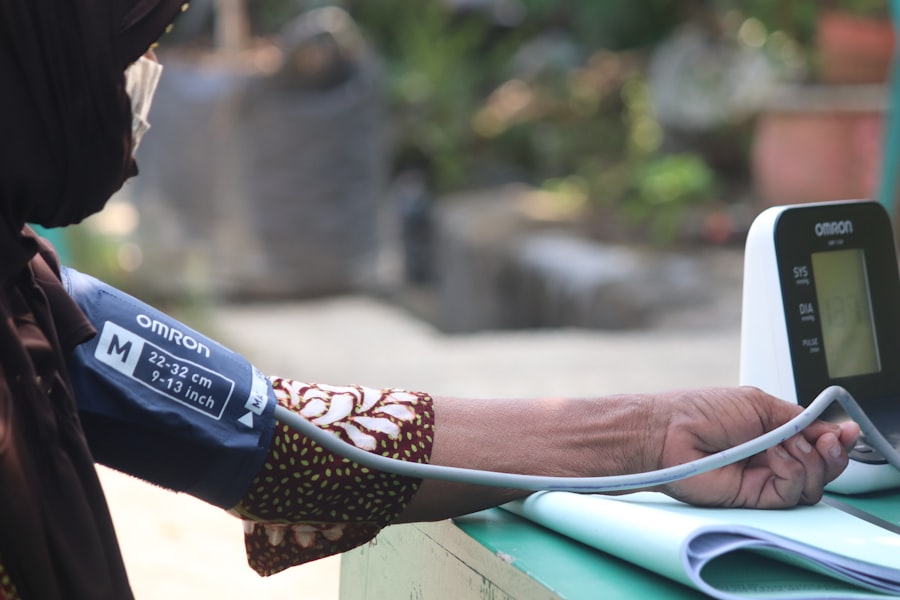
Regular monitoring is crucial for managing orthostatic hypotension effectively. Keeping track of your blood pressure readings at home can provide valuable insights into how well your body responds to various activities throughout the day. You might consider investing in a reliable blood pressure monitor that allows you to measure your levels while sitting and standing.
Preventive measures are equally important; being aware of situations that may trigger symptoms—such as standing up too quickly or becoming dehydrated—can help you avoid potential pitfalls. Educating yourself about orthostatic hypotension will empower you to recognize early warning signs and take action before they escalate into more serious issues.
Importance of Regular Check-ups
Regular check-ups with your healthcare provider are vital for managing orthostatic hypotension effectively. These appointments allow for ongoing assessment of your condition and provide an opportunity for adjustments to your treatment plan as needed. Your doctor can monitor any changes in symptoms or side effects from medications, ensuring that you receive optimal care tailored specifically for you.
During these visits, don’t hesitate to discuss any concerns or questions you may have regarding your condition or treatment options. Open communication fosters a collaborative relationship between you and your healthcare provider, ultimately leading to better health outcomes. By prioritizing regular check-ups, you are taking an active role in managing your health.
Seeking Help and Support
Living with orthostatic hypotension can be challenging, but seeking help and support from healthcare professionals, family members, or support groups can make a significant difference in your journey toward better health. Connecting with others who understand what you’re experiencing can provide emotional support and practical advice on managing symptoms effectively. Don’t hesitate to reach out for assistance when needed; whether it’s discussing concerns with your doctor or seeking guidance from loved ones about daily activities, support is essential for navigating this condition successfully.
By fostering a strong support network, you empower yourself to face the challenges of orthostatic hypotension head-on while maintaining a fulfilling life.
Orthostatic hypotension, a condition characterized by a significant drop in blood pressure upon standing, can significantly increase the risk of falls among older adults. For more information on this topic and its implications for senior health, you can read the related article on fall risk and prevention strategies at this link. Understanding the connection between orthostatic hypotension and falls is crucial for caregivers and healthcare providers in order to implement effective safety measures.
FAQs
What is orthostatic hypotension?
Orthostatic hypotension is a condition characterized by a sudden drop in blood pressure when a person stands up from a sitting or lying position. This can cause dizziness, lightheadedness, and even fainting.
How is orthostatic hypotension related to fall risk?
Orthostatic hypotension increases the risk of falls because the sudden drop in blood pressure can lead to dizziness or loss of balance, making individuals more prone to falling, especially older adults.
Who is most at risk for orthostatic hypotension?
Older adults, people with certain medical conditions such as diabetes or Parkinson’s disease, those taking medications that lower blood pressure, and individuals who are dehydrated or have prolonged bed rest are at higher risk for orthostatic hypotension.
What are common symptoms of orthostatic hypotension?
Common symptoms include dizziness, lightheadedness, blurred vision, weakness, fatigue, and in severe cases, fainting upon standing.
How is orthostatic hypotension diagnosed?
Diagnosis typically involves measuring blood pressure and heart rate while lying down, sitting, and standing to observe any significant drops in blood pressure upon standing.
What are some ways to manage or prevent orthostatic hypotension?
Management strategies include rising slowly from sitting or lying positions, staying hydrated, wearing compression stockings, avoiding alcohol, and adjusting medications under medical supervision.
Can orthostatic hypotension be treated?
Yes, treatment depends on the underlying cause and may include lifestyle changes, medication adjustments, and in some cases, medications specifically aimed at increasing blood pressure.
Why is it important to address orthostatic hypotension in older adults?
Because older adults are more susceptible to falls and related injuries, managing orthostatic hypotension is crucial to reduce fall risk and improve overall safety and quality of life.
When should someone see a doctor about orthostatic hypotension?
If symptoms such as dizziness, fainting, or frequent falls occur, especially after standing up, it is important to seek medical evaluation to determine the cause and appropriate treatment.