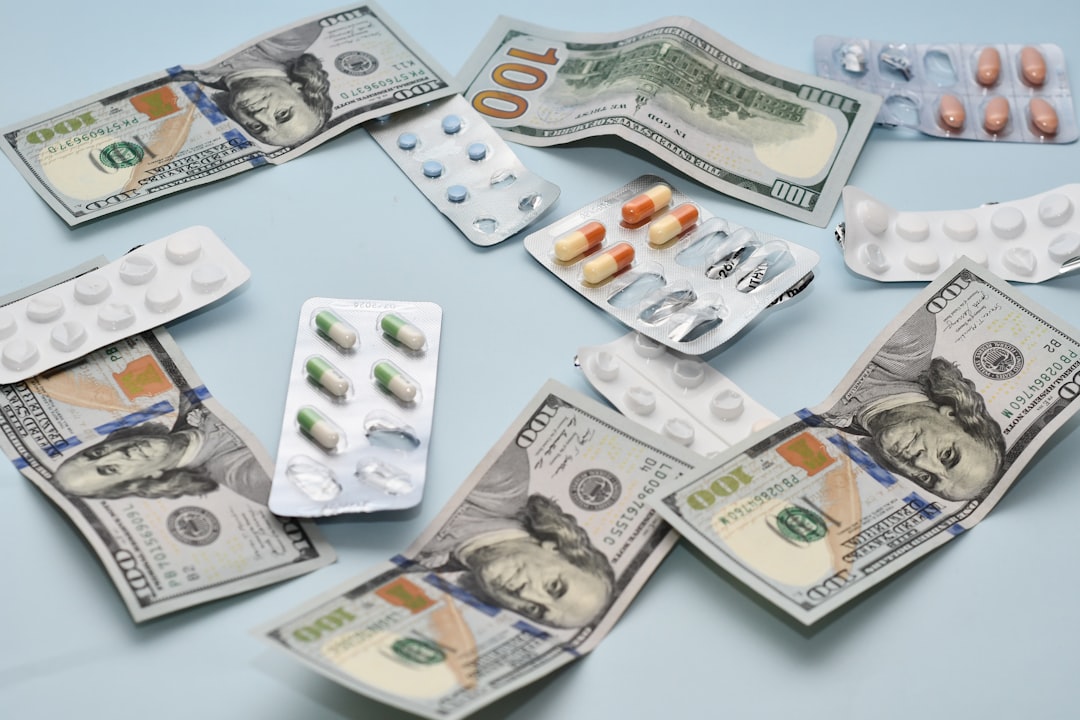
When it comes to managing your healthcare expenses, particularly pharmacy costs, understanding the difference between cash payments and insurance coverage is crucial. You may find yourself at a crossroads when deciding how to pay for your medications, and knowing the nuances of each option can significantly impact your financial well-being. Cash payments typically involve paying the full price of a medication upfront, while insurance often covers a portion of the cost, depending on your plan’s specifics.
This fundamental distinction can influence not only your immediate out-of-pocket expenses but also your long-term healthcare budget. Moreover, the choice between cash and insurance can affect your access to medications. Some pharmacies offer discounts for cash payments, while others may have agreements with insurance companies that provide lower prices for insured customers.
Understanding these dynamics can empower you to make informed decisions that align with your financial situation and healthcare needs. As you navigate this landscape, consider how each option fits into your overall health strategy and budget.
Key Takeaways
- Insurance can lower out-of-pocket pharmacy costs but may involve copays and restrictions.
- Paying cash offers flexibility and can sometimes be cheaper for certain medications.
- Understanding both insurance benefits and cash payment options helps optimize savings.
- Strategies exist to reduce pharmacy expenses whether using insurance or paying cash.
- Making informed choices requires weighing the pros and cons of insurance versus cash payments.
Cash vs Insurance: What You Need to Know
When evaluating whether to pay cash or use insurance for your pharmacy costs, it’s essential to consider the specifics of your insurance plan. Many insurance policies come with deductibles, copayments, and coinsurance that can complicate your out-of-pocket expenses. For instance, if you have a high deductible plan, you may find that you are responsible for a significant portion of your medication costs until you meet that deductible.
In such cases, paying cash might be more economical, especially if the cash price is lower than your insurance copay. On the other hand, insurance can provide substantial savings for those who require ongoing medications or expensive treatments. If you have a chronic condition that necessitates regular prescriptions, using insurance may help mitigate the overall costs over time.
However, it’s important to review your plan’s formulary—the list of covered medications—to ensure that your prescriptions are included. If they are not, you may face higher costs or need to explore alternative treatments. For valuable senior prescription savings tips, visit senior prescription savings tips.
The Impact of Insurance on Pharmacy Costs
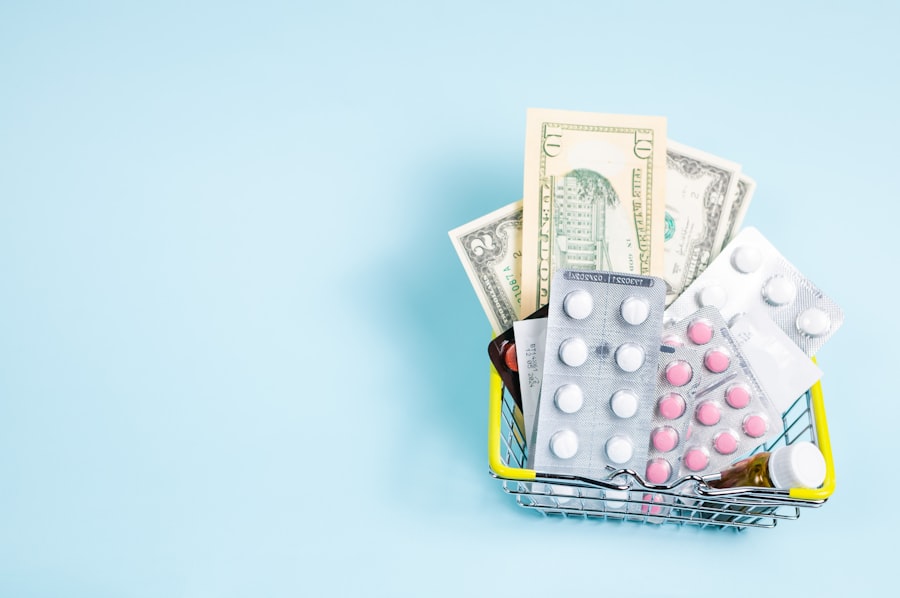
Insurance can significantly influence pharmacy costs in various ways. When you use insurance, the pharmacy typically bills the insurer directly, which can lead to negotiated rates that are often lower than retail prices. This means that for many individuals, using insurance can result in lower out-of-pocket expenses for medications.
However, this benefit is contingent upon having a plan that covers the specific drugs you need and understanding the terms of your coverage. Additionally, insurance plans often have preferred pharmacies that offer even better rates for members. By choosing to fill your prescriptions at these locations, you may save money compared to using a non-preferred pharmacy.
However, it’s essential to weigh these savings against any potential limitations on medication availability or convenience. Understanding how your insurance impacts pharmacy costs can help you make more strategic choices about where and how to fill your prescriptions.
The Benefits of Using Insurance for Pharmacy Costs
One of the primary benefits of using insurance for pharmacy costs is the financial protection it offers against high medication prices. With insurance coverage, you are less likely to face exorbitant out-of-pocket expenses for necessary medications. This is particularly important for individuals with chronic conditions who rely on ongoing treatments.
Insurance can help spread these costs over time, making them more manageable. Moreover, many insurance plans offer additional resources such as medication management programs and access to pharmacists who can provide guidance on drug interactions and adherence strategies. These services can enhance your overall healthcare experience and ensure that you are getting the most out of your medications.
By utilizing insurance, you not only gain financial support but also access to valuable healthcare resources that can improve your health outcomes.
The Drawbacks of Using Insurance for Pharmacy Costs
| Medication | Cash Price | Insurance Price | Average Savings with Insurance | Notes |
|---|---|---|---|---|
| Atorvastatin (Lipitor) | 45.00 | 15.00 | 30.00 | Generic versions often cheaper with insurance |
| Lisinopril | 20.00 | 8.00 | 12.00 | Common blood pressure medication |
| Metformin | 25.00 | 10.00 | 15.00 | Generic diabetes medication |
| Albuterol Inhaler | 60.00 | 25.00 | 35.00 | Respiratory medication, prices vary widely |
| Omeprazole | 30.00 | 12.00 | 18.00 | Used for acid reflux treatment |
Despite its advantages, using insurance for pharmacy costs does come with certain drawbacks.
You may find yourself dealing with confusing terminology, unexpected out-of-pocket expenses, or even denials for coverage on specific medications.
This complexity can lead to frustration and uncertainty about how much you will ultimately pay for your prescriptions. Additionally, some insurance plans impose restrictions on medication access through prior authorizations or step therapy protocols. These requirements can delay treatment and create barriers to obtaining necessary medications promptly.
In some cases, you may find that the medications you need are not covered at all or that you must try less effective alternatives before gaining approval for the preferred treatment. These hurdles can be disheartening and may lead you to reconsider whether using insurance is the best option for managing your pharmacy costs.
The Advantages of Paying Cash for Pharmacy Costs

Paying cash for pharmacy costs can offer several advantages that might appeal to you as a consumer. One of the most significant benefits is transparency in pricing. When you pay cash, you often know exactly what you will pay upfront without worrying about hidden fees or unexpected charges from your insurance provider.
This clarity can help you budget more effectively and avoid surprises at the pharmacy counter. Additionally, many pharmacies offer discounts or loyalty programs for cash payments, which can lead to substantial savings over time. Some pharmacies have special pricing structures that allow cash-paying customers to access lower rates than those billed through insurance.
This can be particularly advantageous if you are purchasing generic medications or if you do not have comprehensive insurance coverage. By opting to pay cash, you may find yourself in a better position financially while still receiving the medications you need.
The Disadvantages of Paying Cash for Pharmacy Costs
While paying cash has its benefits, there are also notable disadvantages that you should consider before making a decision. One major drawback is the potential for higher overall costs, especially if you require expensive medications or have chronic health conditions that necessitate ongoing prescriptions. Without insurance coverage, you may find yourself facing steep prices that could strain your budget.
Furthermore, paying cash means that you miss out on the additional resources and support that often come with insurance plans. For instance, many insurers provide access to medication management services or consultations with pharmacists who can help optimize your treatment plan. By choosing to pay cash, you may lose access to these valuable services that could enhance your healthcare experience and improve adherence to prescribed therapies.
How to Save Money on Pharmacy Costs with Insurance
If you’ve decided to use insurance for your pharmacy costs, there are several strategies you can employ to maximize your savings. First and foremost, familiarize yourself with your plan’s formulary and understand which medications are covered at the lowest cost. This knowledge allows you to make informed choices about which drugs to fill and whether there are more affordable alternatives available.
Additionally, consider utilizing mail-order pharmacies if your insurance plan offers this option. Mail-order services often provide lower prices on maintenance medications and deliver them directly to your home, saving you both time and money. Lastly, don’t hesitate to reach out to your insurer or pharmacist if you’re unsure about coverage or need assistance finding cost-effective options within your plan.
How to Save Money on Pharmacy Costs with Cash Payments
If paying cash is your preferred method for handling pharmacy costs, there are still ways to save money effectively. Start by comparing prices at different pharmacies in your area; prices can vary significantly from one location to another. Some websites and apps allow you to check medication prices across various pharmacies quickly.
Additionally, look for discount programs or coupons offered by pharmaceutical companies or third-party organizations. Many drug manufacturers provide assistance programs for individuals who cannot afford their medications, which can lead to substantial savings when paying cash. By being proactive in seeking out discounts and comparing prices, you can make cash payments more manageable while still ensuring access to necessary medications.
Making Informed Decisions: Choosing Between Cash and Insurance
Ultimately, choosing between cash payments and using insurance for pharmacy costs requires careful consideration of your unique circumstances. Take the time to evaluate your healthcare needs, financial situation, and the specifics of any insurance plans available to you. Consider factors such as the frequency of medication use, potential out-of-pocket expenses under different scenarios, and any additional resources offered by insurers.
It may also be beneficial to consult with healthcare professionals or financial advisors who can provide insights tailored to your situation. By gathering information and weighing the pros and cons of each option thoughtfully, you’ll be better equipped to make an informed decision that aligns with both your health needs and financial goals.
Finding the Right Balance for Your Pharmacy Costs
In conclusion, navigating the world of pharmacy costs requires a nuanced understanding of both cash payments and insurance options. Each method has its advantages and disadvantages that can significantly impact your overall healthcare experience and financial well-being.
Ultimately, finding the right balance between cash payments and insurance will depend on your individual circumstances and preferences. Whether you choose one method over the other or a combination of both, being proactive in managing your pharmacy costs will empower you to take control of your healthcare journey while ensuring access to necessary medications without breaking the bank.
When considering the costs associated with medications, it’s important to understand the difference between pharmacy cash prices and insurance prices. For a deeper insight into this topic, you can read the article on senior health that discusses various aspects of medication pricing and insurance coverage. Check it out here: Understanding Pharmacy Cash Price vs. Insurance.
WATCH THIS! 🛑 STOP Paying $52 When It’s $6 at the Same Pharmacy
FAQs
What is the difference between pharmacy cash price and insurance price?
The pharmacy cash price is the amount you pay out-of-pocket for a medication without using insurance. The insurance price is the cost you pay after your health insurance plan applies its coverage, which may include copayments, coinsurance, or deductibles.
Why might the cash price be lower than the insurance price?
Sometimes, the cash price can be lower than the insurance price due to negotiated discounts, coupons, or pharmacy discount programs. Insurance copays or coinsurance may be higher than these discounted cash prices.
Can I choose to pay the cash price even if I have insurance?
Yes, you can choose to pay the cash price without using your insurance. This might be beneficial if the cash price is lower than your insurance copay or if you want to avoid affecting your insurance deductible.
Does paying the cash price count toward my insurance deductible?
No, payments made using the cash price typically do not count toward your insurance deductible or out-of-pocket maximum since the insurance company is not involved in the transaction.
How can I find the cash price for a medication?
You can find cash prices by asking the pharmacy directly, using online price comparison tools, or checking discount programs and coupons available through various websites or apps.
Are there risks to paying the cash price instead of using insurance?
One risk is that paying cash does not contribute to your insurance deductible or out-of-pocket maximum. Additionally, if you have a chronic condition requiring multiple medications, not using insurance might lead to higher overall costs.
Do all pharmacies offer the same cash prices?
No, cash prices can vary significantly between pharmacies due to differences in pricing strategies, discounts, and agreements with drug manufacturers.
Is it legal to pay cash for prescriptions if I have insurance?
Yes, it is legal to pay cash for prescriptions even if you have insurance. However, some insurance plans may have specific rules or incentives regarding using insurance benefits.
How does insurance affect the final cost of a prescription?
Insurance can lower the cost of a prescription by covering part of the price through copayments, coinsurance, or negotiated discounts with pharmacies. However, the final cost depends on your plan’s coverage, deductible status, and the medication’s formulary tier.
Can using insurance always save me money on prescriptions?
Not always. Depending on your insurance plan’s copayments, deductibles, and the medication’s cash price, paying out-of-pocket without insurance might sometimes be cheaper. It’s important to compare both options.