
As you age, maintaining muscle health becomes increasingly important. After age 60, your body naturally loses muscle mass and strength, a condition called sarcopenia. This gradual decline can result in reduced mobility, increased fall risk, and diminished quality of life.
Understanding the significance of muscle health during this life stage is essential for preserving independence and improving overall well-being. Prioritizing muscle health can enhance physical capabilities, increase confidence, and support mental health. Muscle health also significantly affects metabolic function.
As muscle mass decreases, metabolism slows, making weight gain easier and weight loss more difficult. This can create a cycle of reduced activity and further muscle loss. By maintaining and building muscle, you can regulate your metabolism, manage weight more effectively, and lower your risk of chronic diseases such as diabetes and heart disease.
Recognizing the importance of muscle health after 60 is a fundamental step toward achieving a healthier, more active lifestyle.
Key Takeaways
- Maintaining muscle health after 60 is crucial for overall strength and mobility.
- Strength training and adequate protein intake support muscle maintenance.
- Balanced nutrition, hydration, and proper rest enhance muscle recovery.
- Staying active, managing stress, and incorporating flexibility exercises prevent muscle decline.
- Regular monitoring and professional guidance help optimize muscle health strategies.
Incorporating Strength Training into Your Exercise Routine
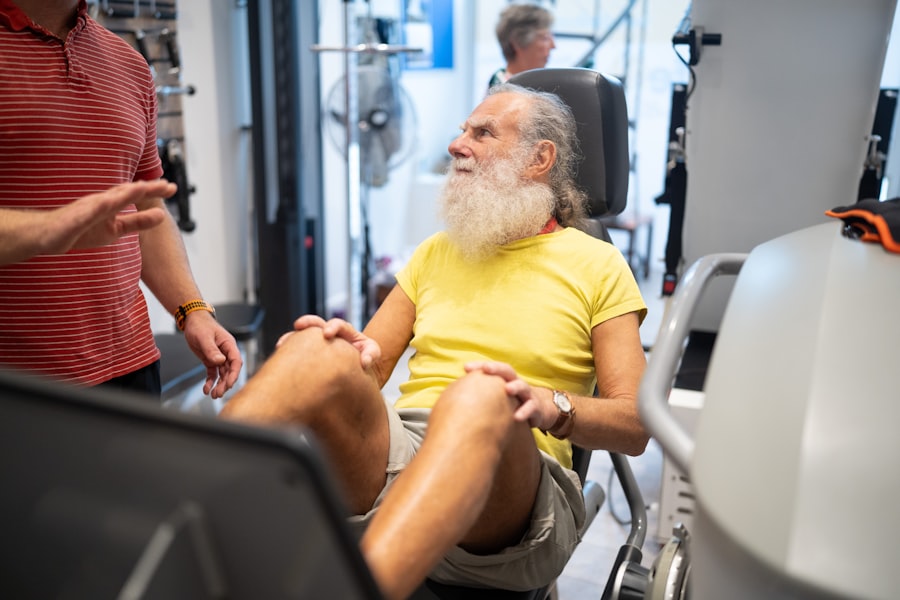
To combat the natural decline in muscle mass, incorporating strength training into your exercise routine is essential. Strength training involves using resistance to stimulate muscle growth and improve strength. This can be achieved through various methods, including free weights, resistance bands, or bodyweight exercises.
You don’t need to lift heavy weights; even light resistance can be effective if performed consistently. Aim for at least two days a week of strength training, focusing on all major muscle groups. When starting a strength training program, it’s important to listen to your body and progress at your own pace.
You might begin with simple exercises like squats, push-ups, or seated leg lifts. As you become more comfortable and confident, you can gradually increase the intensity or complexity of your workouts. Remember that consistency is key; regular strength training will yield the best results over time.
By making strength training a regular part of your routine, you’ll not only enhance your muscle health but also improve your balance, coordination, and overall functional fitness. You can find a delicious recipe for fish broth that is both flavorful and easy to prepare.
Prioritizing Protein Intake for Muscle Maintenance
Protein is a crucial nutrient for maintaining muscle health, especially as you age. As you engage in strength training and other physical activities, your body requires adequate protein to repair and build muscle tissue. It’s essential to prioritize protein intake in your diet to support these processes effectively.
Aim for a balanced intake of high-quality protein sources throughout the day, including lean meats, fish, dairy products, legumes, nuts, and seeds. In addition to quantity, the timing of protein consumption matters as well.
This means that rather than consuming a large amount of protein in one meal, it’s beneficial to include protein-rich foods in each meal and snack. For instance, consider starting your day with eggs or Greek yogurt, enjoying a chicken salad for lunch, and incorporating beans or lentils into your dinner. By prioritizing protein intake in this way, you’ll provide your muscles with the necessary building blocks to thrive.
Maintaining a Balanced and Nutrient-Rich Diet
A balanced and nutrient-rich diet is fundamental for supporting muscle health and overall well-being after 60. While protein is essential, it’s equally important to consume a variety of other nutrients that contribute to muscle function and recovery. Focus on incorporating plenty of fruits and vegetables into your meals, as they provide essential vitamins, minerals, and antioxidants that help combat inflammation and support recovery.
In addition to fruits and vegetables, whole grains should be a staple in your diet. Foods like brown rice, quinoa, and whole-grain bread provide complex carbohydrates that fuel your workouts and daily activities. Healthy fats from sources like avocados, olive oil, and fatty fish are also important for overall health and can help reduce inflammation in the body.
By maintaining a balanced diet rich in diverse nutrients, you’ll not only support your muscle health but also enhance your energy levels and overall vitality.
Hydration and Its Role in Muscle Health
| Prevention Strategy | Description | Recommended Frequency | Expected Benefit |
|---|---|---|---|
| Resistance Training | Engage in weight lifting or bodyweight exercises to stimulate muscle growth and strength. | 2-3 times per week | Increases muscle mass and strength, reduces sarcopenia risk |
| Protein Intake | Consume adequate protein to support muscle repair and growth. | 1.2-1.5 grams per kg of body weight daily | Improves muscle protein synthesis and maintenance |
| Vitamin D Supplementation | Maintain sufficient vitamin D levels to support muscle function. | As per healthcare provider’s advice | Enhances muscle strength and reduces fall risk |
| Regular Physical Activity | Incorporate aerobic and flexibility exercises to maintain overall fitness. | At least 150 minutes per week | Improves endurance and muscle function |
| Adequate Sleep | Ensure quality sleep to aid muscle recovery and hormone regulation. | 7-8 hours per night | Supports muscle repair and growth hormone release |
| Hydration | Maintain proper hydration to support muscle metabolism. | At least 8 cups (2 liters) daily | Prevents muscle cramps and supports function |
| Limit Alcohol Consumption | Reduce alcohol intake to prevent muscle degradation. | Moderate or avoid | Preserves muscle mass and function |
Hydration is often overlooked but plays a critical role in maintaining muscle health. As you age, your body’s ability to sense thirst diminishes, which can lead to dehydration if you’re not proactive about drinking enough fluids. Proper hydration is essential for optimal muscle function; it helps transport nutrients to your muscles and aids in recovery after exercise.
Dehydration can lead to fatigue, cramping, and decreased performance during physical activities. To ensure you stay adequately hydrated, aim to drink water consistently throughout the day rather than waiting until you feel thirsty. Consider carrying a water bottle with you as a reminder to sip regularly.
Additionally, pay attention to your fluid intake during exercise; if you’re engaging in strength training or other physical activities, replenishing lost fluids is crucial for maintaining performance and preventing injury. By prioritizing hydration as part of your daily routine, you’ll support not only your muscle health but also your overall physical performance.
Getting Adequate Rest and Recovery

Rest and recovery are often underestimated components of any fitness regimen but are particularly important for maintaining muscle health after 60. As you engage in strength training or other physical activities, your muscles need time to recover and repair themselves. Without adequate rest, you risk overtraining, which can lead to fatigue, injury, and diminished performance.
Aim for at least one full rest day each week where you allow your muscles to recover from the stresses of exercise. Additionally, consider incorporating active recovery days where you engage in low-impact activities such as walking or gentle stretching. These activities promote blood flow to the muscles without placing excessive strain on them.
Prioritizing rest and recovery will not only enhance your muscle health but also improve your overall fitness levels and reduce the risk of injury.
Avoiding Sedentary Lifestyle and Staying Active
In today’s world, it’s easy to fall into a sedentary lifestyle, especially as you age. However, remaining active is crucial for maintaining muscle health and overall well-being after 60. A sedentary lifestyle can lead to further muscle loss and increased risk of chronic diseases.
To combat this trend, aim to incorporate movement into your daily routine whenever possible. Simple changes can make a significant difference; consider taking the stairs instead of the elevator or going for short walks during breaks throughout the day. Engaging in hobbies that require physical activity—such as gardening or dancing—can also help keep you active while providing enjoyment.
The key is to find activities that you love so that staying active becomes a natural part of your life rather than a chore. By avoiding a sedentary lifestyle and prioritizing movement, you’ll support not only your muscle health but also your mental well-being.
Managing Stress to Prevent Muscle Breakdown
Stress can have detrimental effects on both mental and physical health, including muscle breakdown. When you experience chronic stress, your body produces higher levels of cortisol—a hormone that can lead to muscle loss over time if left unchecked. Therefore, managing stress effectively is essential for preserving muscle health as you age.
Consider incorporating stress-reducing practices into your daily routine. Mindfulness techniques such as meditation or deep breathing exercises can help calm the mind and reduce stress levels. Additionally, engaging in regular physical activity has been shown to alleviate stress while promoting overall well-being.
Finding time for relaxation—whether through reading, spending time with loved ones, or enjoying nature—can also contribute significantly to stress management. By actively managing stress in your life, you’ll create an environment conducive to maintaining muscle health.
Seeking Professional Guidance and Support
As you navigate the journey of maintaining muscle health after 60, seeking professional guidance can be incredibly beneficial. A qualified personal trainer or physical therapist can provide personalized exercise programs tailored to your specific needs and goals. They can help ensure that you’re performing exercises correctly to prevent injury while maximizing effectiveness.
Additionally, consulting with a registered dietitian can offer valuable insights into nutrition tailored specifically for older adults. They can help you create meal plans that prioritize protein intake while ensuring a balanced diet rich in essential nutrients. Having professional support not only enhances your knowledge but also provides accountability on your journey toward better muscle health.
Incorporating Flexibility and Mobility Exercises
Flexibility and mobility exercises are often overlooked but are essential components of a well-rounded fitness routine after 60. As you age, joint stiffness can become more prevalent, making it crucial to incorporate stretching and mobility work into your regimen. These exercises help maintain range of motion in joints while reducing the risk of injury during other physical activities.
Consider adding activities such as yoga or tai chi into your weekly routine; both focus on improving flexibility while promoting relaxation and mindfulness. Simple stretching routines targeting major muscle groups can also be beneficial when performed regularly. By prioritizing flexibility and mobility exercises alongside strength training and cardiovascular activities, you’ll create a comprehensive approach that supports overall muscle health.
Monitoring Progress and Making Adjustments as Needed
Finally, monitoring your progress is essential for ensuring that you’re on track with your goals related to muscle health after 60. Regularly assessing how you feel physically—such as tracking improvements in strength or endurance—can provide valuable insights into what’s working well for you and what may need adjustment. Don’t hesitate to make changes as needed; if certain exercises feel too challenging or if you’re not seeing the desired results from your current routine, consider consulting with a professional for guidance on modifications or new strategies.
Remember that progress may not always be linear; it’s important to celebrate small victories along the way while remaining adaptable in your approach to maintaining muscle health. By understanding the importance of muscle health after 60 and implementing these strategies into your daily life—such as incorporating strength training, prioritizing protein intake, maintaining a balanced diet, staying hydrated, getting adequate rest, avoiding sedentary behavior, managing stress effectively, seeking professional guidance when needed, incorporating flexibility exercises, and monitoring progress—you’ll set yourself up for success in preserving not only your muscle health but also enhancing your overall quality of life as you age gracefully.
To effectively prevent muscle loss after the age of 60, it’s essential to incorporate strength training and a balanced diet rich in protein. For more insights on maintaining overall health as you age, you can check out this related article on senior health topics at Explore Senior Health. This resource provides valuable information on various aspects of health and wellness for seniors, helping you stay active and vibrant in your later years.
WATCH THIS! 💪 Say Goodbye to Weakness: Fish Skin Broth Fights Sarcopenia Better Than Bone Broth!
FAQs
Why is muscle loss common after the age of 60?
As people age, they naturally experience a decline in muscle mass and strength, a condition known as sarcopenia. This occurs due to hormonal changes, reduced physical activity, and changes in protein metabolism.
What are effective ways to prevent muscle loss after 60?
Engaging in regular resistance and strength training exercises, maintaining a balanced diet rich in protein, and ensuring adequate vitamin D and calcium intake are key strategies to prevent muscle loss after 60.
How much protein should someone over 60 consume to maintain muscle mass?
Older adults are generally recommended to consume about 1.0 to 1.2 grams of protein per kilogram of body weight daily to help preserve muscle mass, though individual needs may vary.
Can exercise alone prevent muscle loss in older adults?
While exercise, especially strength training, is crucial, combining it with proper nutrition and lifestyle habits provides the best results in preventing muscle loss.
Are there specific types of exercises recommended for preventing muscle loss after 60?
Yes, resistance training exercises such as weight lifting, bodyweight exercises, and resistance band workouts are particularly effective in maintaining and building muscle mass in older adults.
Is it safe for people over 60 to start a new exercise program to prevent muscle loss?
Generally, yes, but it is advisable to consult with a healthcare provider before starting any new exercise regimen, especially for individuals with existing health conditions.
How does vitamin D affect muscle health in older adults?
Vitamin D plays a role in muscle function and strength. Adequate levels can help reduce the risk of falls and muscle weakness in older adults.
Can muscle loss after 60 be reversed?
To some extent, yes. With consistent strength training and proper nutrition, older adults can regain muscle mass and improve muscle function, although it may take longer than in younger individuals.
What role does hydration play in preventing muscle loss?
Staying well-hydrated supports overall muscle function and recovery, making it an important factor in maintaining muscle health.
Are there any medical treatments available for muscle loss in older adults?
Currently, the primary approach to managing muscle loss is lifestyle-based, including exercise and nutrition. In some cases, healthcare providers may explore medications or supplements, but these are typically adjuncts rather than primary treatments.