
The kidneys are two bean-shaped organs that perform essential functions for maintaining bodily health. These organs filter waste products from the blood, regulate electrolyte balance, and help control blood pressure. Kidney function naturally declines with age, making kidney health increasingly important for older adults.
Impaired kidney function can result in significant health complications and affect overall well-being. The kidneys produce hormones that regulate blood pressure and stimulate red blood cell production. When kidney function deteriorates, patients may develop anemia due to decreased red blood cell production and hypertension from impaired blood pressure regulation.
These complications are particularly significant for older adults who often have existing health conditions. Declining kidney function can lead to chronic kidney disease, which may progress to kidney failure requiring dialysis or transplantation. Maintaining kidney health is essential for preventing the development of chronic diseases and preserving quality of life.
Understanding kidney function and implementing preventive measures are important steps in maintaining long-term kidney health.
Key Takeaways
- Kidney health is crucial for seniors due to increased risk factors and potential complications.
- Regular screening tests help in early detection and management of kidney disease in older adults.
- Diet, lifestyle, and medication management play significant roles in maintaining kidney function.
- Ongoing monitoring and tailored care plans are essential for seniors with chronic kidney conditions.
- Education, awareness, and improved access to resources enhance kidney health outcomes in senior communities.
Risk Factors for Kidney Disease in Seniors
As you age, certain risk factors for kidney disease become more pronounced. One of the most significant factors is the presence of chronic conditions such as diabetes and hypertension. If you have diabetes, high blood sugar levels can damage the blood vessels in your kidneys over time, impairing their ability to filter waste effectively.
Similarly, high blood pressure can cause damage to the kidneys, leading to a gradual decline in function. Being aware of these risks is essential for taking preventive measures. In addition to chronic diseases, lifestyle choices can also impact your kidney health as you age.
Factors such as poor diet, lack of physical activity, and smoking can increase your risk of developing kidney disease. If you find yourself leading a sedentary lifestyle or consuming a diet high in processed foods and sodium, it may be time to reassess your habits. Furthermore, family history plays a role; if kidney disease runs in your family, you may be at a higher risk.
Understanding these risk factors allows you to make informed decisions about your health and seek appropriate medical advice when necessary.
Common Kidney Health Screening Tests for Seniors
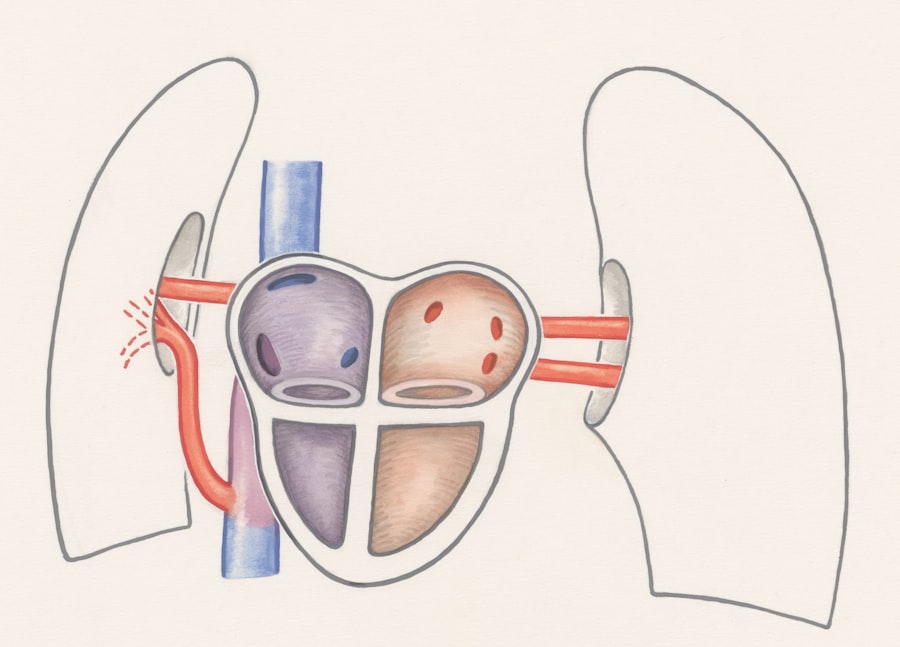
Regular screening is vital for detecting kidney issues early, especially as you age. One common test is the serum creatinine test, which measures the level of creatinine in your blood—a waste product produced by muscle metabolism. Elevated creatinine levels can indicate impaired kidney function.
Another important test is the urinalysis, which examines your urine for abnormalities such as protein or blood that may signal kidney damage. Additionally, the estimated glomerular filtration rate (eGFR) is a crucial measure that assesses how well your kidneys are filtering blood. This test takes into account your age, sex, and serum creatinine levels to provide an estimate of kidney function.
If you are over 60 or have risk factors for kidney disease, discussing these tests with your healthcare provider is essential. Early detection through regular screenings can lead to timely interventions that may slow the progression of kidney disease and improve your overall health.
The Role of Diet and Lifestyle in Kidney Health
Your diet and lifestyle choices significantly influence your kidney health as you age. A balanced diet rich in fruits, vegetables, whole grains, and lean proteins can help support kidney function. Reducing sodium intake is particularly important; high sodium levels can lead to increased blood pressure and put additional strain on your kidneys.
Instead of processed foods, focus on fresh ingredients that nourish your body and promote overall health. Physical activity also plays a crucial role in maintaining kidney health. Regular exercise helps control weight, lowers blood pressure, and improves blood sugar levels—all factors that contribute to healthy kidneys.
If you’re not currently active, consider starting with simple activities like walking or stretching. Even small changes can make a significant difference over time. By adopting a healthier lifestyle and making conscious dietary choices, you can take proactive steps toward preserving your kidney function as you age.
Medications and Kidney Health in Seniors
| Metric | Description | Recommended Frequency | Normal Range | Importance for Seniors |
|---|---|---|---|---|
| Serum Creatinine | Measures waste product in blood to assess kidney function | Annually | 0.6 – 1.2 mg/dL | Detects early kidney impairment |
| Estimated Glomerular Filtration Rate (eGFR) | Estimates kidney filtering capacity | Annually | ≥ 60 mL/min/1.73 m² | Identifies chronic kidney disease stages |
| Urine Albumin-to-Creatinine Ratio (UACR) | Detects protein leakage in urine | Annually | < 30 mg/g | Early marker of kidney damage |
| Blood Pressure | Monitors hypertension, a risk factor for kidney disease | Every visit | < 130/80 mmHg | Controls progression of kidney damage |
| Blood Glucose | Checks for diabetes, a major cause of kidney disease | Annually or as needed | Fasting: 70-99 mg/dL | Prevents diabetic nephropathy |
As you grow older, it’s common to take multiple medications for various health conditions. However, some medications can adversely affect kidney function, making it essential to discuss all medications with your healthcare provider regularly. Nonsteroidal anti-inflammatory drugs (NSAIDs), certain antibiotics, and some blood pressure medications can pose risks to your kidneys if not monitored closely.
It’s also important to be aware of how over-the-counter medications can impact your kidney health. For instance, excessive use of pain relievers like ibuprofen or naproxen can lead to acute kidney injury if taken over extended periods or in high doses. Always consult with your doctor before starting any new medication or supplement, especially if you have existing kidney issues or other chronic conditions.
By being proactive about medication management, you can help protect your kidneys from potential harm.
Importance of Regular Monitoring and Follow-Up for Kidney Health
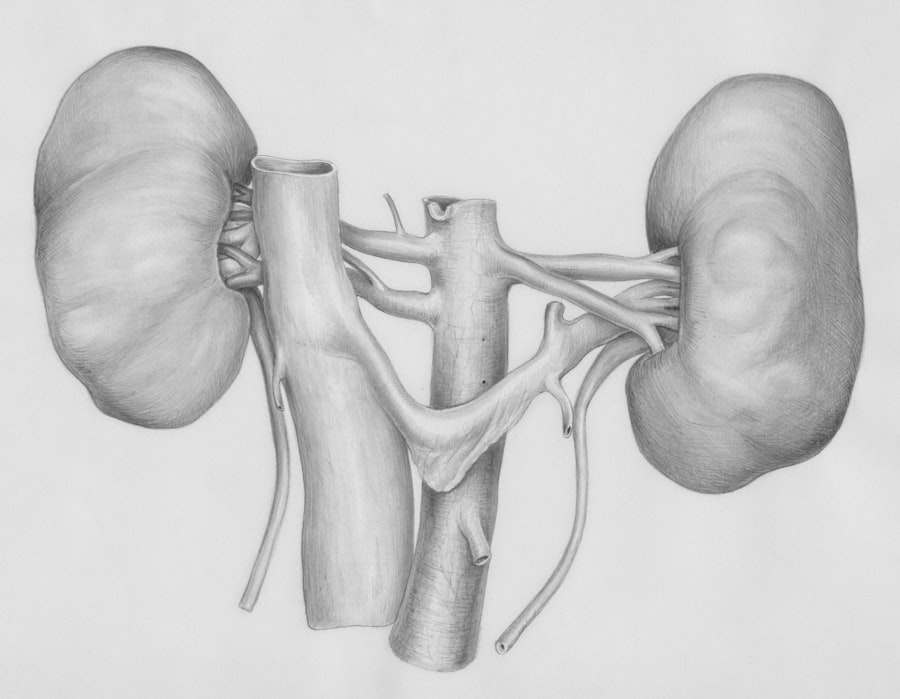
Regular monitoring and follow-up appointments are crucial for maintaining kidney health as you age. If you have risk factors for kidney disease or have already been diagnosed with a condition affecting your kidneys, consistent check-ups with your healthcare provider are essential. These visits allow for ongoing assessment of kidney function through blood tests and urine analysis, ensuring any changes are detected early.
Additionally, follow-up appointments provide an opportunity to discuss any new symptoms or concerns you may have regarding your kidney health. Your healthcare provider can adjust treatment plans as necessary based on your current condition and lifestyle changes.
Addressing Chronic Kidney Disease in Senior Care Plans
If you or a loved one has been diagnosed with chronic kidney disease (CKD), it’s vital to incorporate this condition into your overall care plan. CKD requires a comprehensive approach that includes regular monitoring of kidney function, dietary modifications, and management of coexisting conditions such as diabetes or hypertension. Collaborating with healthcare professionals to create a tailored care plan ensures that all aspects of your health are considered.
In addition to medical management, education about CKD is essential for both patients and caregivers. Understanding the stages of CKD and what they mean for daily life can help you make informed choices about diet, exercise, and medication adherence. Engaging with support groups or educational resources can also provide valuable insights into managing CKD effectively.
By addressing chronic kidney disease within your care plan, you can enhance your quality of life and potentially slow the progression of the disease.
Kidney Health and Coexisting Conditions in Seniors
Kidney health does not exist in isolation; it is often intertwined with other health conditions that may affect seniors. For instance, diabetes is one of the leading causes of kidney disease among older adults. If you have diabetes, managing blood sugar levels is crucial not only for preventing complications related to diabetes but also for protecting your kidneys from damage.
Similarly, cardiovascular diseases are closely linked to kidney health. Poorly functioning kidneys can lead to increased blood pressure and fluid retention, which can exacerbate heart problems. Conversely, heart disease can impact kidney function due to reduced blood flow or damage from medications used to treat heart conditions.
Being aware of these connections allows you to take a holistic approach to your health by addressing all coexisting conditions simultaneously.
Kidney Health Education and Awareness in Senior Communities
Raising awareness about kidney health within senior communities is vital for promoting better health outcomes among older adults. Many seniors may not fully understand the importance of their kidneys or recognize the risk factors associated with kidney disease. Educational programs that focus on prevention strategies, screening options, and lifestyle modifications can empower seniors to take charge of their kidney health.
Community workshops or seminars led by healthcare professionals can provide valuable information on maintaining healthy kidneys as you age. Additionally, distributing educational materials such as brochures or newsletters can help spread awareness about kidney disease prevention and management strategies within senior living facilities or community centers. By fostering an environment of education and support around kidney health, you contribute to a healthier community overall.
Access to Kidney Health Resources for Seniors
Accessing resources related to kidney health is essential for seniors seeking information and support regarding their condition. Many organizations offer educational materials, support groups, and online resources tailored specifically for older adults dealing with kidney issues. Websites like the National Kidney Foundation provide comprehensive information on kidney disease prevention, treatment options, and lifestyle tips.
Local healthcare providers may also offer resources such as nutrition counseling or referrals to specialists who focus on renal care. If you’re unsure where to start looking for resources, consider reaching out to your primary care physician for recommendations tailored to your specific needs. By utilizing available resources effectively, you can enhance your understanding of kidney health and make informed decisions about your care.
Advocating for Improved Kidney Health Screening and Care for Seniors
Advocating for improved kidney health screening and care within senior populations is crucial for addressing the growing prevalence of kidney disease among older adults. As a senior or caregiver, raising awareness about the importance of regular screenings can encourage others to prioritize their kidney health as well. Engaging with local healthcare providers or community organizations can help promote initiatives aimed at increasing access to screening programs specifically designed for seniors.
Additionally, advocating for policy changes that support better access to renal care services can make a significant difference in the lives of many older adults facing kidney issues. By participating in community discussions or joining advocacy groups focused on kidney health, you contribute to a collective effort aimed at improving healthcare outcomes for seniors everywhere. Your voice matters; by speaking up about the need for better screening and care options for older adults with kidney concerns, you help pave the way for healthier futures within your community.
Regular kidney health screening is crucial for seniors, as it can help detect potential issues early and prevent serious complications. For more information on the importance of health screenings for older adults, you can read this insightful article on senior health at Explore Senior Health. This resource provides valuable tips and guidelines for maintaining overall health in the senior population.
WATCH THIS WARNING: 💊 NSAID Kidney Damage: The Hidden Danger Seniors Don’t Know About
FAQs
What is kidney health screening for seniors?
Kidney health screening for seniors involves a series of tests and evaluations designed to assess kidney function and detect any early signs of kidney disease. This typically includes blood tests, urine tests, and sometimes imaging studies.
Why is kidney health screening important for seniors?
As people age, the risk of kidney disease increases due to factors like high blood pressure, diabetes, and natural decline in kidney function. Early detection through screening can help manage and slow the progression of kidney disease.
What tests are commonly used in kidney health screening?
Common tests include serum creatinine to estimate glomerular filtration rate (eGFR), urine albumin-to-creatinine ratio (ACR) to detect protein in urine, and sometimes ultrasound imaging to check kidney structure.
How often should seniors undergo kidney health screening?
The frequency depends on individual risk factors. Seniors with diabetes, hypertension, or a family history of kidney disease may need annual screening, while others might be screened less frequently as advised by their healthcare provider.
Can kidney disease be prevented or managed in seniors?
Yes, early detection through screening allows for lifestyle changes, medication, and management of underlying conditions like diabetes and hypertension, which can prevent or slow kidney disease progression.
Are there any symptoms that indicate the need for kidney health screening?
Kidney disease often has no symptoms in early stages. However, symptoms like swelling, fatigue, changes in urination, or high blood pressure may warrant immediate screening.
Is kidney health screening covered by insurance for seniors?
Many insurance plans, including Medicare, cover kidney health screening for seniors, especially if they have risk factors such as diabetes or hypertension. It is advisable to check with the specific insurance provider.
What lifestyle changes can support kidney health in seniors?
Maintaining a healthy diet, controlling blood pressure and blood sugar, staying hydrated, avoiding smoking, and regular exercise can all support kidney health in seniors.