
Your liver is a remarkable organ, playing a crucial role in your overall health and well-being. It is responsible for filtering toxins from your blood, producing bile to aid digestion, and storing essential nutrients. Given its multifaceted functions, maintaining liver health is vital for your body to operate efficiently.
Unfortunately, many people overlook the importance of this organ, often taking it for granted until issues arise. Understanding how to care for your liver is essential, especially in a world where dietary supplements are increasingly popular. As you navigate the myriad of health products available today, it’s important to recognize that not all supplements are created equal.
While some can provide beneficial nutrients and support, others may pose significant risks to your liver. By prioritizing liver health and being informed about the potential dangers associated with certain dietary supplements, you can make better choices that promote your overall well-being. This article will guide you through the complexities of liver health, the risks associated with dietary supplements, and how to ensure that your choices support rather than harm your liver.
Key Takeaways
- Some dietary supplements can pose significant risks to liver health due to harmful ingredients.
- Identifying safe supplements involves checking ingredient lists and choosing reputable brands.
- Consulting healthcare professionals is crucial before starting any supplement regimen.
- Recognizing early signs of liver damage can prevent serious health complications.
- Supporting liver health includes lifestyle changes and exploring alternative, liver-friendly options.
Understanding the Risks of Dietary Supplements
When you consider incorporating dietary supplements into your routine, it’s essential to understand that these products are not always as safe as they may seem. Many people assume that because supplements are available over-the-counter, they must be harmless. However, this assumption can lead to serious health consequences, particularly for your liver.
The lack of stringent regulation in the supplement industry means that some products may contain harmful ingredients or be manufactured under unsafe conditions. Moreover, the interaction between supplements and medications can also pose risks. If you are taking prescription drugs or have underlying health conditions, certain supplements may exacerbate these issues or lead to adverse reactions.
It’s crucial to approach supplementation with caution and to be aware of the potential risks involved. By educating yourself about these dangers, you can make informed decisions that prioritize your liver health and overall well-being.
Common Supplement Ingredients that Can Harm the Liver
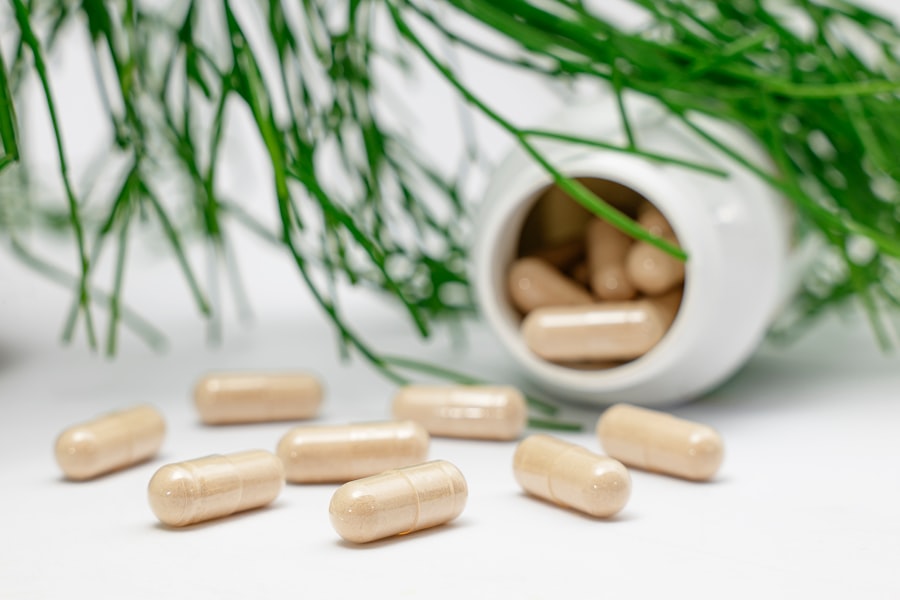
As you explore various dietary supplements, it’s important to be aware of specific ingredients that can be detrimental to your liver. One such ingredient is acetaminophen, commonly found in pain relievers and cold medications. While it is safe when used as directed, excessive consumption can lead to severe liver damage.
Many people unknowingly combine multiple products containing acetaminophen, increasing their risk of toxicity. Another ingredient to watch out for is kava kava, a herbal supplement often marketed for its calming effects. While it may help with anxiety and stress relief, kava has been linked to serious liver damage in some individuals.
Similarly, certain weight loss supplements containing green tea extract or other stimulants can also pose risks. These ingredients may lead to elevated liver enzymes and other complications if consumed in high doses or over extended periods. Being aware of these harmful components can help you make safer choices when selecting supplements.
How to Identify Safe and Unsafe Supplements
| Criteria | Safe Supplements | Unsafe Supplements | Indicators / Metrics |
|---|---|---|---|
| Certification | Third-party tested (e.g., USP, NSF, ConsumerLab) | No third-party testing or certification | Presence of certification seals on label |
| Ingredient Transparency | Full disclosure of ingredients and amounts | Proprietary blends without exact amounts | Label lists all ingredients with dosages |
| Manufacturing Standards | Manufactured in GMP-certified facilities | Unknown or uncertified manufacturing processes | GMP certification mentioned on packaging |
| Health Claims | Claims supported by scientific evidence | Exaggerated or unrealistic health claims | Claims consistent with FDA guidelines |
| Safety Warnings | Clear warnings and dosage instructions | Missing or vague safety information | Presence of warnings and recommended dosage |
| Adverse Effects Reports | Low or no reports of serious side effects | Multiple reports of adverse reactions | Consumer reviews and FDA adverse event database |
| Regulatory Compliance | Complies with FDA and local regulations | Products banned or recalled by authorities | Check FDA warning letters and recalls |
| Price | Reasonable price reflecting quality | Extremely low price indicating possible low quality | Price comparison with similar products |
Identifying safe supplements requires a discerning eye and a bit of research on your part. Start by looking for products that have been tested by third-party organizations for quality and purity. Certifications from reputable entities can provide assurance that the supplement contains what it claims and is free from harmful contaminants.
Additionally, check for transparency in labeling; a reputable brand will clearly list all ingredients and dosages on the packaging. You should also be cautious of products that make exaggerated claims about their benefits. If a supplement promises miraculous results or seems too good to be true, it likely is.
Researching the company behind the product can also provide insight into its credibility. Look for brands with a history of positive customer reviews and a commitment to quality manufacturing practices. By taking these steps, you can better navigate the supplement market and choose products that support your liver health.
Tips for Choosing Reputable Supplement Brands
When it comes to selecting reputable supplement brands, there are several key factors to consider that can guide your decision-making process. First and foremost, prioritize brands that have a solid reputation within the health community.
Reading reviews and testimonials can provide valuable insights into the experiences of others who have used their products. Additionally, consider brands that invest in research and development. Companies that conduct clinical trials or collaborate with scientists to validate their products demonstrate a commitment to safety and efficacy.
Transparency is another critical aspect; reputable brands will openly share information about their sourcing practices, manufacturing processes, and any third-party testing they undergo. By focusing on these criteria, you can make informed choices that align with your health goals while safeguarding your liver.
The Importance of Consulting a Healthcare Professional
Before embarking on any supplementation journey, consulting a healthcare professional is paramount.
They can help you assess whether specific supplements are appropriate for you and guide you in selecting safe options that won’t interfere with any medications you may be taking.
Moreover, healthcare professionals can monitor your liver function through regular blood tests if you choose to incorporate supplements into your routine. This proactive approach allows for early detection of any potential issues related to liver health, enabling timely intervention if necessary. By prioritizing professional guidance, you can navigate the complex world of dietary supplements with confidence and ensure that your choices support your overall well-being.
Signs and Symptoms of Liver Damage from Supplements
Being aware of the signs and symptoms of liver damage is crucial for early detection and intervention. If you experience unexplained fatigue, jaundice (yellowing of the skin or eyes), dark urine, or abdominal pain, these could be indicators of liver distress. Additionally, if you notice unusual changes in your appetite or weight loss without trying, it’s essential to seek medical attention promptly.
Other symptoms may include nausea, vomiting, or swelling in the abdomen due to fluid retention. If you suspect that a supplement may be contributing to these issues, it’s vital to stop taking it immediately and consult a healthcare professional for further evaluation. Recognizing these warning signs early on can make a significant difference in preventing more severe liver damage and ensuring your long-term health.
Steps to Take if You Suspect Liver Damage
If you suspect that you may be experiencing liver damage due to supplement use, taking immediate action is crucial. First and foremost, discontinue any supplements that you believe may be causing harm. This step is essential in preventing further damage while allowing your body time to recover.
Next, schedule an appointment with your healthcare provider as soon as possible for a thorough evaluation. During your visit, be prepared to discuss your supplement use in detail, including dosages and duration of use. Your doctor may recommend blood tests to assess liver function and determine if any damage has occurred.
Depending on the results, they may suggest lifestyle changes or additional treatments to support your recovery. Taking these proactive steps can help safeguard your liver health and set you on a path toward healing.
Lifestyle Changes to Support Liver Health
In addition to being mindful of supplement use, adopting lifestyle changes can significantly enhance your liver health. One of the most effective ways to support your liver is by maintaining a balanced diet rich in whole foods such as fruits, vegetables, whole grains, lean proteins, and healthy fats. These nutrient-dense foods provide essential vitamins and minerals that promote optimal liver function.
Regular physical activity is another key component of liver health. Engaging in moderate exercise helps maintain a healthy weight and reduces the risk of fatty liver disease—a condition that can lead to serious complications if left unchecked. Additionally, staying hydrated by drinking plenty of water supports overall bodily functions, including those of the liver.
By making these lifestyle adjustments, you can create an environment conducive to optimal liver health.
Alternative Ways to Support Liver Function
Beyond dietary changes and exercise, there are alternative methods you can explore to support liver function naturally. Herbal remedies such as milk thistle have gained popularity for their potential protective effects on the liver due to their antioxidant properties. However, it’s essential to consult with a healthcare professional before incorporating any herbal supplements into your routine.
Mindfulness practices such as yoga or meditation can also contribute positively to liver health by reducing stress levels—an often-overlooked factor in overall wellness. Stress management techniques help lower cortisol levels in the body, which can have beneficial effects on various organs, including the liver. By exploring these alternative approaches alongside traditional methods, you can create a holistic strategy for supporting your liver function.
Prioritizing Liver Health in Supplement Use
In conclusion, prioritizing liver health is essential as you navigate the world of dietary supplements. By understanding the risks associated with certain ingredients and being vigilant about choosing reputable brands, you can make informed decisions that protect this vital organ. Consulting with healthcare professionals ensures that your supplement choices align with your individual health needs while allowing for early detection of any potential issues.
Remember that maintaining a healthy lifestyle—through balanced nutrition, regular exercise, and stress management—plays a significant role in supporting liver function as well. By taking proactive steps today, you can safeguard your liver health for years to come while enjoying the benefits of supplementation responsibly. Your liver deserves care and attention; by prioritizing its health, you are investing in your overall well-being.
To learn more about how to protect your liver from potentially harmful supplements, you can read the article available on Explore Senior Health. This resource provides valuable insights into maintaining liver health and making informed choices about dietary supplements. For more information, visit Explore Senior Health.
FAQs
What are common supplements that can harm the liver?
Some supplements known to potentially harm the liver include high doses of vitamin A, green tea extract, kava, and certain bodybuilding supplements containing anabolic steroids or other hepatotoxic ingredients.
How can I protect my liver while taking supplements?
To protect your liver, use supplements as directed, avoid high doses, choose reputable brands, consult a healthcare professional before starting new supplements, and avoid combining multiple supplements that may stress the liver.
Are natural or herbal supplements safer for the liver?
Not necessarily. Some natural or herbal supplements can also cause liver damage, especially if taken in large amounts or combined with other medications. Always research and consult a healthcare provider before use.
What symptoms indicate liver damage from supplements?
Symptoms may include fatigue, jaundice (yellowing of skin or eyes), dark urine, abdominal pain, nausea, and unexplained weight loss. If you experience these, seek medical advice promptly.
Can liver damage from supplements be reversed?
Mild liver damage may be reversible if the harmful supplement is discontinued early. However, severe or prolonged damage can lead to permanent liver injury. Early detection and medical intervention are crucial.
Is it safe to take multiple supplements at the same time?
Taking multiple supplements can increase the risk of liver stress or damage due to interactions or cumulative effects. Always discuss your supplement regimen with a healthcare professional to ensure safety.
How can I choose safe supplements to protect my liver?
Select supplements from reputable manufacturers that provide transparent ingredient lists and third-party testing. Avoid products with unknown or unverified ingredients, and consult healthcare providers for personalized advice.
Does alcohol consumption affect liver safety when taking supplements?
Yes, alcohol can increase the risk of liver damage when combined with certain supplements. It is advisable to limit or avoid alcohol consumption while taking supplements that may impact liver health.
Are there supplements that support liver health?
Some supplements like milk thistle, N-acetylcysteine (NAC), and certain antioxidants are believed to support liver health, but their effectiveness varies and should be used under medical supervision.
When should I consult a doctor regarding supplement use and liver health?
Consult a doctor before starting any new supplement, especially if you have pre-existing liver conditions, take medications, or experience symptoms of liver distress during supplement use.