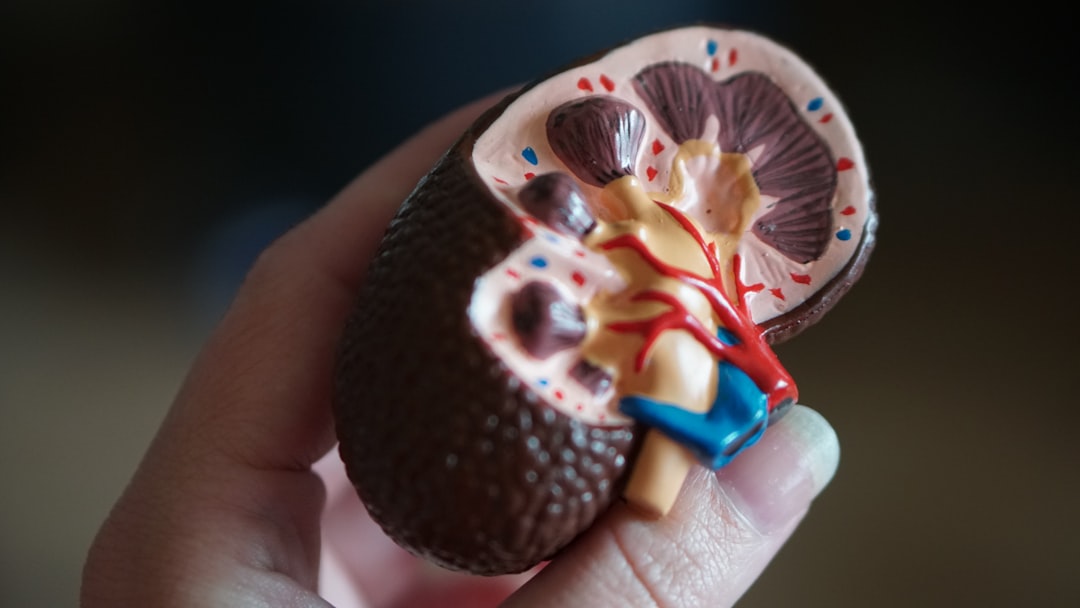
As you navigate the natural process of aging, your body undergoes various physiological changes. One significant area of consideration is the health of your kidneys, vital organs responsible for filtering waste products from your blood, maintaining electrolyte balance, and producing hormones. Simultaneously, if you are pursuing muscle-building endeavors, commonly referred to as hypertrophy training, you must be acutely aware of the potential impacts on your renal system. This article will guide you through the intricate relationship between aging, muscle building, and kidney health, offering evidence-based strategies to protect your kidneys while you continue to pursue your fitness goals.
Your kidneys, like many other organs, experience a gradual decline in function with age. This process, known as renal senescence, is characterized by several key changes that reduce the kidneys’ efficiency and resilience.
Anatomical and Physiological Alterations
As you age, your kidneys undergo structural and functional modifications. The total number of nephrons, the fundamental filtering units, decreases significantly. This reduction is not uniform; some nephrons are lost entirely, while others become sclerotic, meaning they harden and lose their filtering capacity.
- Glomerular Filtration Rate (GFR) Reduction: The GFR is a crucial indicator of kidney function, measuring how much blood your kidneys filter per minute. After the age of 30-40, your GFR typically begins to decline by approximately 1 mL/min/1.73 m² per year. This progressive decrease means your kidneys become less efficient at clearing waste products, making them more susceptible to damage from various stressors.
- Reduced Renal Blood Flow: The blood supply to your kidneys diminishes with age due to changes in the renal arteries, which can become stiffer and narrower. This reduced blood flow further impairs their ability to filter waste and maintain homeostasis.
- Impaired Concentrating Ability: Your kidneys’ ability to concentrate urine declines with age, increasing the risk of dehydration. This is due to a reduction in the number of collecting ducts and a blunting of the kidney’s response to antidiuretic hormone.
- Decreased Vitamin D Activation: The kidneys play a vital role in activating vitamin D. As their function declines, so does vitamin D activation, potentially contributing to bone health issues and other systemic problems.
Increased Susceptibility to Injury
The aging kidney, with its reduced functional reserve, becomes more vulnerable to various insults. Conditions that might be well-tolerated by a younger kidney can lead to significant damage in an older one.
- Hypertension and Diabetes: These chronic conditions, prevalent in older populations, are major drivers of kidney disease. Uncontrolled blood pressure and elevated blood glucose levels inflict damage on the delicate filtering structures, accelerating the decline in kidney function.
- Medication Nephrotoxicity: Many commonly prescribed medications, including non-steroidal anti-inflammatory drugs (NSAIDs), certain antibiotics, and contrast dyes used in imaging, can be nephrotoxic. The aging kidney, with its diminished filtering capacity, is less able to efficiently clear these substances, increasing the risk of drug-induced kidney injury.
- Acute Kidney Injury (AKI): Episodes of severe dehydration, infections, or acute illness can precipitate AKI. While potentially reversible, AKI can leave a lasting scar on kidney function, particularly in older individuals with pre-existing renal decline.
As we age, it becomes increasingly important to take care of our kidneys while pursuing fitness goals, such as building muscle. A related article that offers valuable insights on this topic can be found at Explore Senior Health. This resource provides tips on maintaining kidney health through proper hydration, balanced nutrition, and safe exercise practices, ensuring that seniors can effectively build muscle without compromising their kidney function.
Muscle Building and the Kidneys: A Balancing Act
Engaging in muscle-building activities offers numerous health benefits, including improved bone density, better glycemic control, and enhanced functional independence. However, the pursuit of significant muscle mass, especially through certain dietary and supplement practices, can impose additional demands on your kidneys.
Protein Intake: A Double-Edged Sword
Protein is foundational for muscle growth and repair. While adequate protein intake is crucial, excessive consumption, particularly in individuals with pre-existing kidney compromise, can be a concern. Your kidneys are responsible for processing the byproducts of protein metabolism, such as urea.
- Metabolic Load: When you consume protein, it is broken down into amino acids. The nitrogenous waste products generated from amino acid metabolism, primarily urea, must be filtered and excreted by your kidneys. A higher protein intake translates to a greater metabolic load on these organs.
- The “Healthy Kidney” Perspective: For individuals with healthy kidneys, studies generally indicate that a high-protein diet (e.g., 1.6-2.2 grams per kilogram of body weight per day) does not cause harm. The kidneys possess a remarkable adaptive capacity to handle increased protein loads.
- The “Compromised Kidney” Perspective: If you have pre-existing kidney disease, even mild, a high-protein diet can accelerate the decline in renal function. The increased filtration burden can stress already damaged nephrons, leading to further scarring and reduced GFR. It is crucial to consult with a healthcare professional to determine appropriate protein intake in such scenarios.
Supplementation: Navigating the Minefield
The supplement industry offers a vast array of products marketed for muscle growth. While some are well-researched and generally safe, others can pose risks to kidney health, especially when used indiscriminately or in excessive dosages.
- Creatine: Creatine is one of the most studied and effective supplements for muscle growth and strength. It works by increasing the availability of adenosine triphosphate (ATP), your muscles’ primary energy currency. While some early concerns existed about creatine causing kidney damage, extensive research has largely refuted this in individuals with healthy kidneys. However, it can slightly elevate serum creatinine levels, which can sometimes be misinterpreted as kidney dysfunction. If you have pre-existing kidney disease, creatine supplementation should be approached with caution and under medical supervision.
- Anabolic Androgenic Steroids (AAS): These powerful synthetic hormones are sometimes abused by individuals seeking rapid muscle gains. AAS use is associated with a range of severe side effects, including significant kidney damage. This damage can manifest as focal segmental glomerulosclerosis, acute kidney injury, and even chronic kidney disease. The risks associated with AAS far outweigh any potential benefits for muscle growth.
- Other Supplements: Certain unproven or unregulated supplements, particularly those sold through dubious channels, may contain undeclared ingredients, contaminants, or excessive dosages of active compounds that can be nephrotoxic. For example, some ‘pre-workout’ blends have contained ingredients that, at high doses, could impact kidney function or blood pressure. Exercise extreme caution and stick to reputable brands and supplements with robust scientific backing.
Strategies for Kidney Protection While Building Muscle
Your journey to build muscle can coexist with the commitment to safeguard your kidneys. This requires a holistic approach that integrates mindful dietary choices, intelligent training practices, and regular health monitoring.
Optimal Hydration: The Kidney’s Lifeline
Think of your kidneys as sophisticated filters. Just as a water filter needs a steady flow of water to function effectively, your kidneys require adequate hydration to efficiently flush out waste products and maintain their delicate balance.
- Daily Fluid Intake: Aim for a consistent and sufficient intake of water and other hydrating fluids throughout the day. The exact amount varies based on your activity level, climate, and individual physiology, but generally, 8-12 glasses (2-3 liters) is a good starting point. During intense workouts or in hot environments, your fluid requirements will increase significantly.
- Monitoring Urine Color: A simple yet effective indicator of hydration status is your urine color. Pale yellow urine typically signifies good hydration, while dark yellow or amber urine suggests a need for more fluids.
- Electrolyte Balance: While water is paramount, don’t neglect electrolyte balance, especially if you are sweating profusely during workouts. Replenishing electrolytes lost through sweat, such as sodium and potassium, is crucial for preventing imbalances that can stress the kidneys. This can be achieved through a balanced diet or, in some cases, electrolyte-rich beverages.
Prudent Protein Management: Quantity and Quality
As discussed, protein is essential but warrants careful consideration, especially with advancing age and the goal of kidney protection.
- Individualized Protein Targets: Instead of blindly following general recommendations, determine your individualized protein needs. For muscle maintenance and growth in older adults, a daily intake of 1.2-1.6 grams of protein per kilogram of body weight is often recommended. If you have any kidney concerns, consult a nephrologist or registered dietitian to tailor your protein intake.
- Distribute Protein Throughout the Day: Spreading your protein intake across multiple meals and snacks can optimize muscle protein synthesis and potentially reduce the burden on your kidneys at any single time.
- Lean Protein Sources: Prioritize lean protein sources such as poultry, fish, eggs, dairy products, and plant-based proteins like legumes, tofu, and tempeh. These sources provide essential amino acids without excessive saturated fat or other compounds that can contribute to systemic inflammation or cardiovascular issues, which indirectly impact kidney health.
Smart Supplementation and Medication Awareness
Approach supplementation with a critical eye and always prioritize your kidney health.
- “Food First” Philosophy: Whenever possible, obtain your nutrients from whole, unprocessed foods. Supplements should complement, not replace, a balanced diet.
- Consult a Healthcare Professional: Before adding new supplements, especially if you have pre-existing health conditions or are taking medications, consult your doctor or a registered dietitian. They can assess potential interactions and contraindications.
- Avoid Nephrotoxic Medications: Be acutely aware of medications that can negatively impact kidney function. If you must take NSAIDs for pain relief, use them sparingly and for the shortest duration possible. Always inform your prescribing physician about all your medications and supplements to avoid harmful interactions.
- Scrutinize Herbal and “Natural” Remedies: The label “natural” does not equate to “safe.” Many herbal supplements can have potent pharmacological effects and some are known to be nephrotoxic. Do your research and consult credible sources before consuming such products.
Regular Health Monitoring: Your Early Warning System
Regular check-ups and monitoring are your best defense against silent kidney decline. Early detection allows for timely interventions that can slow or even halt the progression of kidney disease.
- Annual Physicals: Schedule annual physical examinations that include blood and urine tests. Key indicators of kidney function include:
- Serum Creatinine: A waste product from muscle metabolism filtered by the kidneys. Elevated levels can indicate reduced kidney function.
- Estimated Glomerular Filtration Rate (eGFR): Calculated from creatinine levels, age, sex, and race, eGFR provides a more accurate measure of kidney function than creatinine alone.
- Urine Albumin-to-Creatinine Ratio (UACR): This test detects albumin, a type of protein, in your urine. The presence of albumin (albuminuria) is an early and sensitive marker of kidney damage.
- Blood Pressure Control: Hypertension is a leading cause of kidney disease. Regularly monitor your blood pressure and work with your healthcare provider to keep it within a healthy range (typically below 120/80 mmHg).
- Blood Sugar Management: If you have diabetes, strict control of your blood glucose levels is paramount in preventing diabetic nephropathy, a significant complication affecting the kidneys.
- Listen to Your Body: Pay attention to any unusual symptoms, such as persistent fatigue, swelling in your ankles or feet, changes in urination patterns, or loss of appetite. These can sometimes be subtle signs of kidney issues and warrant medical evaluation.
Training Principles for Kidney Health

Your exercise routine also plays a role in supporting overall health, including kidney function. While building muscle, you can adopt training principles that are both effective and kidney-friendly.
Progressive Resistance Training: The Foundation
Progressive resistance training is the cornerstone of muscle building and offers a host of benefits that indirectly support kidney health.
- Improved Metabolic Health: Resistance training helps improve insulin sensitivity and glycemic control, reducing the risk of type 2 diabetes, a major contributor to kidney disease.
- Blood Pressure Regulation: Regular strength training can contribute to lower blood pressure, easing the burden on the delicate renal vasculature.
- Bone Health: As you age, maintaining strong bones is crucial. Resistance training enhances bone density, which is particularly relevant given the kidney’s role in vitamin D activation and calcium homeostasis.
- Avoid Overtraining: While intensity is important for muscle growth, avoid overtraining, which can lead to excessive muscle breakdown (rhabdomyolysis) in extreme cases. Rhabdomyolysis releases muscle contents, including myoglobin, into the bloodstream, which can overwhelm and severely damage the kidneys. Ensure adequate rest and recovery between sessions.
Cardiovascular Exercise: Complementing Strength
Integrating cardiovascular exercise into your routine offers synergistic benefits for kidney health.
- Enhanced Blood Flow: Aerobic exercise improves overall cardiovascular health, leading to better blood circulation throughout your body, including to your kidneys.
- Weight Management: Maintaining a healthy body weight reduces the risk of obesity-related conditions like diabetes and hypertension, both detrimental to kidney function.
- Reduced Systemic Inflammation: Regular moderate-intensity cardiovascular exercise can help reduce chronic systemic inflammation, which is implicated in the progression of various kidney diseases.
As individuals age, it becomes increasingly important to focus on both muscle building and kidney health. Engaging in regular exercise can help maintain muscle mass, but it’s essential to adopt strategies that protect aging kidneys during this process. For more insights on this topic, you can check out a related article that offers valuable tips on maintaining kidney health while pursuing fitness goals. To learn more, visit this resource for helpful advice and information.
Conclusion
| Metric | Recommendation | Details | Target Range/Value |
|---|---|---|---|
| Protein Intake | Moderate consumption | Consume 0.8-1.2 grams of protein per kg body weight daily to support muscle growth without overloading kidneys | 0.8-1.2 g/kg/day |
| Hydration | Maintain adequate fluid intake | Drink enough water to support kidney filtration and muscle recovery, typically 2-3 liters per day | 2-3 liters/day |
| Blood Pressure | Keep within healthy range | High blood pressure can damage kidneys; aim for normal levels through diet and exercise | < 130/80 mmHg |
| Creatinine Levels | Monitor regularly | Indicator of kidney function; elevated levels may suggest kidney stress or damage | 0.6-1.3 mg/dL (varies by lab) |
| Exercise Type | Incorporate resistance training with moderate intensity | Build muscle without excessive strain; avoid overtraining which can stress kidneys | 3-4 sessions/week, moderate intensity |
| Electrolyte Balance | Maintain balanced intake | Monitor sodium, potassium, and phosphorus to avoid kidney overload | Sodium < 2300 mg/day; Potassium 2000-3500 mg/day |
| Rest and Recovery | Ensure adequate sleep and rest days | Supports muscle repair and reduces kidney stress | 7-9 hours sleep/night; 1-2 rest days/week |
Protecting your aging kidneys while pursuing muscle-building goals is not a mutually exclusive endeavor. It demands an informed, proactive, and individualized approach. By understanding the physiological changes that occur in the aging kidney, being mindful of your protein intake and supplement choices, prioritizing optimal hydration, and committing to regular health monitoring, you can construct a robust framework for both muscular development and renal longevity. Remember, your kidneys are silent workhorses, and their sustained function is paramount to your overall health and well-being. Treat them with the respect and care they deserve as you continue to build strength and vitality throughout your golden years.
FAQs
1. How does aging affect kidney function?
As we age, kidney function naturally declines due to a decrease in the number of functioning nephrons and reduced blood flow. This can make the kidneys less efficient at filtering waste and maintaining fluid and electrolyte balance.
2. Can building muscle impact kidney health in older adults?
Building muscle through resistance training is generally safe for older adults and can improve overall health. However, excessive protein intake or overtraining without proper hydration may strain aging kidneys, so it is important to balance exercise and nutrition carefully.
3. What dietary considerations help protect aging kidneys while building muscle?
A balanced diet with adequate but not excessive protein, sufficient hydration, and limited sodium and processed foods supports kidney health. Consulting a healthcare provider or dietitian can help tailor protein intake to individual kidney function and muscle-building goals.
4. How important is hydration for kidney health during muscle building?
Proper hydration is crucial as it helps kidneys filter waste efficiently and prevents dehydration-related kidney stress. Older adults should monitor fluid intake, especially during and after exercise, to maintain optimal kidney function.
5. Are there specific exercises recommended to protect kidneys while building muscle?
Low to moderate intensity resistance training combined with aerobic exercise is recommended. Avoiding extreme or high-intensity workouts that cause excessive muscle breakdown or dehydration can help protect aging kidneys while promoting muscle growth.