
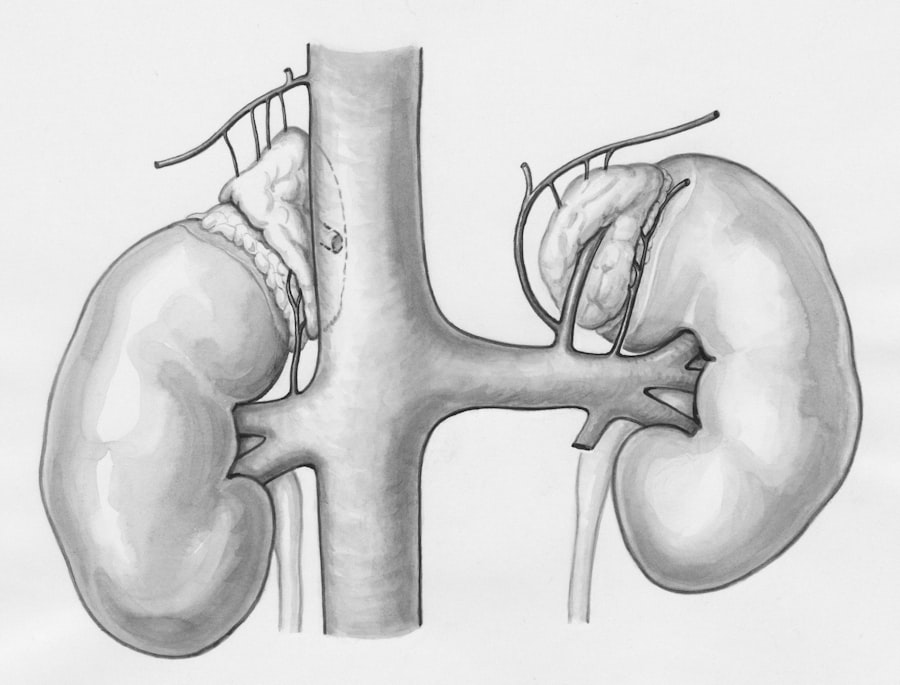
The kidneys are two bean-shaped organs that perform essential functions in maintaining physiological balance. They filter waste products and excess substances from the blood, regulate electrolyte concentrations, control fluid balance, and help manage blood pressure through hormone production. These organs process approximately 120-150 quarts of blood daily, producing 1-2 quarts of urine to eliminate toxins and maintain proper chemical balance.
Kidney dysfunction can result in systemic complications affecting multiple organ systems. Impaired kidney function may lead to cardiovascular disease, bone mineral disorders, anemia, and electrolyte imbalances. The kidneys also produce hormones such as erythropoietin, which stimulates red blood cell production, and calcitriol, the active form of vitamin D that regulates calcium absorption.
Early detection of kidney disease is critical, as symptoms often do not appear until significant kidney damage has occurred. Common indicators of kidney problems include persistent fatigue, edema in the extremities, changes in urination frequency or appearance, elevated blood pressure, and decreased appetite. Regular monitoring through blood tests measuring creatinine levels and estimated glomerular filtration rate (eGFR), along with urine analysis, can detect kidney dysfunction before symptoms develop.
Preventive measures include maintaining adequate hydration, controlling blood pressure and blood sugar levels, avoiding excessive use of nephrotoxic medications, and following a balanced diet with appropriate protein intake.
Key Takeaways
- Maintaining kidney health is crucial, especially for individuals managing chronic pain.
- Lifestyle changes, including diet, hydration, and exercise, play a significant role in protecting kidney function.
- Certain medications used in chronic pain management can affect kidney health and require careful monitoring.
- Avoiding harmful substances and seeking professional medical advice are essential steps to preserve kidney function.
- Regular monitoring and prioritizing kidney health can improve overall outcomes in chronic pain management.
Chronic Pain Management and its Impact on Kidney Function
Chronic pain can significantly affect your quality of life, but managing it often comes with its own set of challenges, particularly concerning kidney health. Many pain management strategies involve medications that can have adverse effects on kidney function. Nonsteroidal anti-inflammatory drugs (NSAIDs), for instance, are commonly used to alleviate pain but can lead to kidney damage if used excessively or over long periods.
Understanding this relationship is vital for anyone dealing with chronic pain. You may find yourself in a difficult position where the need for pain relief conflicts with the need to protect your kidneys. This is why it’s essential to work closely with healthcare professionals who can help you navigate these challenges.
They can provide alternative pain management options that are less harmful to your kidneys, such as physical therapy or certain types of medications that have a lower risk profile. By being proactive and informed, you can manage your chronic pain while also safeguarding your kidney health.
Lifestyle Changes to Protect Your Kidneys
Making lifestyle changes can have a profound impact on your kidney health. You might start by focusing on your diet, as what you eat plays a significant role in how well your kidneys function. Incorporating more fruits and vegetables into your meals can provide essential nutrients while reducing the intake of processed foods high in sodium and unhealthy fats.
Additionally, maintaining a healthy weight through balanced nutrition can alleviate stress on your kidneys. Another important lifestyle change involves regular physical activity. Engaging in exercise not only helps you maintain a healthy weight but also improves circulation and reduces blood pressure—two factors that are crucial for kidney health.
You don’t have to commit to an intense workout regimen; even moderate activities like walking or yoga can make a difference. By integrating these lifestyle changes into your daily routine, you can take significant steps toward protecting your kidneys and enhancing your overall well-being.
The Role of Medications in Kidney Health
Medications can be a double-edged sword when it comes to kidney health. While some medications are necessary for managing chronic conditions and improving quality of life, others can pose risks to kidney function. It’s essential to be aware of the medications you are taking and their potential side effects on your kidneys.
For instance, certain antibiotics and blood pressure medications may require careful monitoring to ensure they do not adversely affect kidney function. You should always communicate openly with your healthcare provider about all the medications you are taking, including over-the-counter drugs and supplements. This dialogue will help them assess any potential risks and make necessary adjustments to your treatment plan.
In some cases, they may recommend alternative therapies or additional monitoring to safeguard your kidney health while still effectively managing your other health concerns.
Importance of Hydration in Kidney Function
| Metric | Description | Recommended Value/Range | Notes |
|---|---|---|---|
| Estimated Glomerular Filtration Rate (eGFR) | Measures kidney function | > 60 mL/min/1.73 m² | Lower values indicate reduced kidney function; monitor regularly in chronic pain patients on NSAIDs |
| Serum Creatinine | Waste product measured to assess kidney function | 0.6 – 1.2 mg/dL | Elevated levels may indicate kidney impairment |
| Blood Urea Nitrogen (BUN) | Measures urea levels in blood | 7 – 20 mg/dL | High BUN can suggest kidney dysfunction or dehydration |
| Urine Albumin-to-Creatinine Ratio (UACR) | Detects proteinuria indicating kidney damage | < 30 mg/g | Higher values suggest kidney damage; important for early detection |
| Hydration Status | Maintaining adequate fluid intake | At least 1.5 – 2 liters/day | Helps reduce kidney stress, especially when using pain medications |
| NSAID Usage | Nonsteroidal anti-inflammatory drugs impact on kidneys | Use lowest effective dose for shortest duration | Chronic use increases risk of kidney damage; consider alternatives |
| Blood Pressure | Control of hypertension to protect kidneys | < 130/80 mmHg | High blood pressure accelerates kidney damage; monitor regularly |
| Blood Sugar Control (HbA1c) | Important for diabetic patients with chronic pain | < 7% | Good glycemic control reduces risk of diabetic nephropathy |
Staying hydrated is one of the simplest yet most effective ways to support your kidney health. Your kidneys require adequate fluid intake to function optimally, as they rely on water to help filter waste from the blood and produce urine. When you are dehydrated, your kidneys may struggle to perform these essential tasks, leading to an increased risk of kidney stones and other complications.
You might find it helpful to establish a daily hydration goal based on your activity level and climate conditions. Drinking water throughout the day rather than waiting until you feel thirsty can help ensure that you remain adequately hydrated. Additionally, incorporating hydrating foods like fruits and vegetables into your diet can further support your fluid intake.
By prioritizing hydration, you can significantly enhance your kidney function and overall health.
The Impact of Diet on Kidney Health
Your diet has a profound impact on kidney health, influencing everything from waste filtration to blood pressure regulation. A diet high in sodium can lead to increased blood pressure, which puts additional strain on your kidneys. Conversely, a diet rich in whole foods—such as fruits, vegetables, whole grains, and lean proteins—can provide the nutrients necessary for optimal kidney function while minimizing harmful substances.
You may also want to consider reducing your intake of processed foods and added sugars, as these can contribute to obesity and other conditions that negatively affect kidney health. Instead, focus on incorporating foods that are known to be beneficial for kidney function, such as berries, leafy greens, and fatty fish rich in omega-3 fatty acids. By making conscious dietary choices, you can take significant steps toward protecting your kidneys and enhancing your overall well-being.
Exercise and Kidney Health
Regular exercise is another cornerstone of maintaining kidney health. Engaging in physical activity helps improve circulation, lowers blood pressure, and supports weight management—all factors that contribute positively to kidney function. You don’t need to engage in high-intensity workouts; even moderate activities like walking or swimming can yield significant benefits.
Incorporating exercise into your routine doesn’t have to be daunting; find activities that you enjoy so that staying active becomes a natural part of your life. Whether it’s joining a local sports team or simply taking daily walks in nature, the key is consistency. By prioritizing exercise, you not only enhance your kidney health but also improve your overall physical and mental well-being.
Monitoring Kidney Function in Chronic Pain Management
Monitoring kidney function is particularly important for individuals managing chronic pain.
Blood tests measuring creatinine levels and urine tests assessing protein levels are common methods used to evaluate kidney health.
You should be proactive about scheduling these tests as part of your chronic pain management plan. Keeping an open line of communication with your healthcare team will enable them to adjust medications or recommend lifestyle changes based on your kidney function results. By staying vigilant about monitoring your kidneys, you can take control of both your chronic pain and overall health.
Avoiding Harmful Substances for Kidney Health
Certain substances can be detrimental to kidney health, making it essential for you to be aware of what you consume. For instance, excessive alcohol consumption can lead to dehydration and increased blood pressure, both of which negatively impact kidney function. Similarly, recreational drugs can cause significant harm to the kidneys and should be avoided altogether.
You should also be cautious with over-the-counter medications like NSAIDs, which can lead to kidney damage if taken excessively or without proper guidance from a healthcare provider. By being mindful of what you put into your body and avoiding harmful substances, you can significantly reduce the risk of kidney-related complications.
Seeking Professional Help for Kidney Health
When it comes to maintaining kidney health, seeking professional help is crucial. Your healthcare provider can offer personalized advice tailored to your specific needs and circumstances. They can help you navigate the complexities of chronic pain management while ensuring that your kidneys remain protected.
Don’t hesitate to reach out for support if you have concerns about your kidney health or if you’re experiencing symptoms that may indicate a problem. Early intervention is key in preventing more serious complications down the line. By working closely with healthcare professionals, you empower yourself to take charge of both your chronic pain management and kidney health.
Prioritizing Kidney Health in Chronic Pain Management
In conclusion, prioritizing kidney health is essential for anyone managing chronic pain. The intricate relationship between pain management strategies and kidney function necessitates a proactive approach that includes lifestyle changes, regular monitoring, and open communication with healthcare providers.
Ultimately, making informed choices about medications and seeking professional guidance will empower you to manage chronic pain effectively while safeguarding your kidney health. Remember that small changes can lead to significant improvements over time; by prioritizing kidney health today, you set the stage for a healthier tomorrow.
For individuals managing chronic pain, protecting kidney health is crucial, as certain pain medications can have adverse effects on renal function. A related article that discusses strategies for kidney protection in the context of chronic pain management can be found at this link. It provides valuable insights into maintaining kidney health while effectively addressing pain, making it a useful resource for those navigating these challenges.
WATCH THIS WARNING: 💊 NSAID Kidney Damage: The Hidden Danger Seniors Don’t Know About
FAQs
What is the relationship between chronic pain and kidney health?
Chronic pain often requires long-term use of medications, some of which can affect kidney function. Protecting the kidneys is important to prevent damage caused by certain pain medications and underlying health conditions.
Which pain medications are known to impact kidney function?
Nonsteroidal anti-inflammatory drugs (NSAIDs), such as ibuprofen and naproxen, are commonly used for chronic pain but can reduce blood flow to the kidneys and potentially cause kidney damage if used excessively or over a long period.
How can individuals with chronic pain protect their kidneys?
To protect kidney health, individuals should use pain medications as directed, avoid overuse of NSAIDs, stay well-hydrated, manage underlying conditions like diabetes and hypertension, and regularly monitor kidney function with their healthcare provider.
Are there alternative pain management options that are safer for the kidneys?
Yes, alternatives such as acetaminophen, physical therapy, acupuncture, and certain prescription medications may be safer for kidney health. It is important to consult a healthcare professional to determine the best pain management strategy.
How often should kidney function be monitored in people with chronic pain?
The frequency of kidney function monitoring depends on individual risk factors, medication use, and overall health. Typically, healthcare providers recommend regular blood and urine tests to assess kidney function, especially when using medications that may affect the kidneys.
Can lifestyle changes help in protecting the kidneys while managing chronic pain?
Yes, maintaining a healthy diet, controlling blood pressure and blood sugar levels, avoiding smoking, limiting alcohol intake, and staying physically active can all contribute to better kidney health and overall well-being.
When should someone with chronic pain seek medical advice regarding kidney protection?
If experiencing symptoms such as swelling, changes in urination, fatigue, or if there is a history of kidney disease or risk factors, individuals should consult their healthcare provider promptly to evaluate kidney function and adjust pain management plans accordingly.