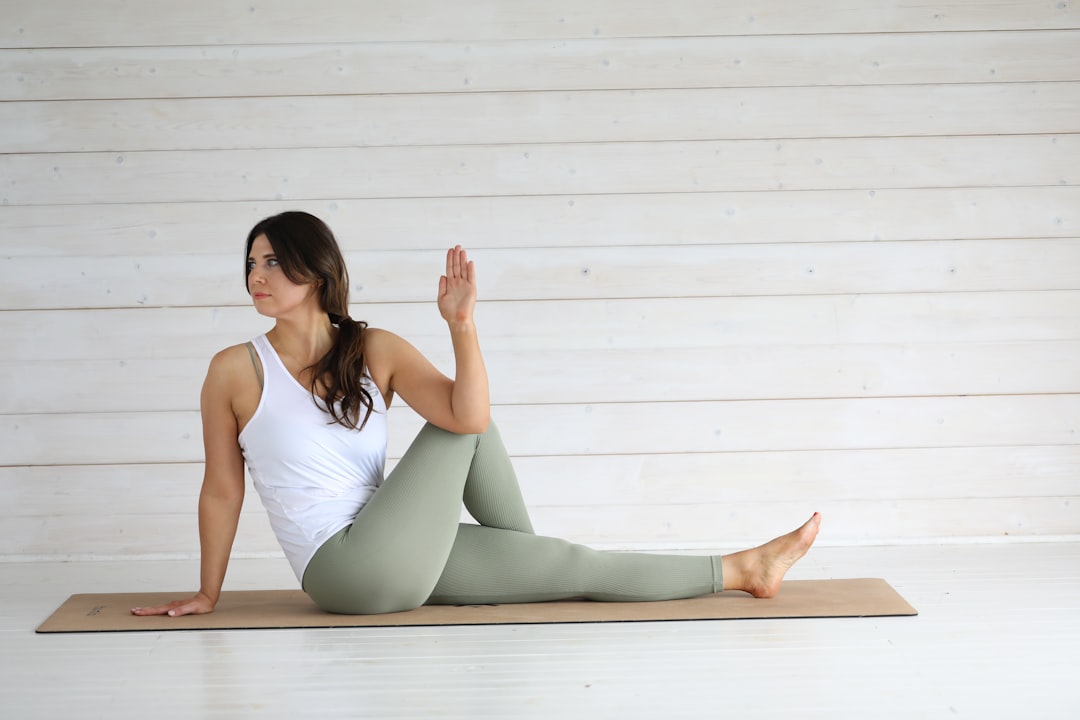
You’ve reached a milestone in life, and with it, perhaps a renewed awareness of your body’s capabilities and limitations. After 60, the concept of “core strength” often takes on a different hue. It’s no longer solely about aesthetic abs or impressive powerlifting feats, but rather about functional independence, injury prevention, and maintaining an active, fulfilling life. You might find yourself experiencing new aches, a slightly less stable gait, or a general feeling of diminished vigor. Rebuilding your core strength at this stage isn’t just beneficial; it’s foundational. Think of your core not as a single muscle, but as the sturdy, central pillar of your house – essential for holding everything else together. Neglect this pillar, and the entire structure eventually weakens.
Your core is a complex network of muscles that extends far beyond the “six-pack” most commonly associated with it. This intricate musculature wraps around your trunk, providing stability for your spine, pelvis, and hips. At age 60 and beyond, several physiological changes begin to impact your core’s structure and function. Understanding these changes is the first step toward effective rebuilding.
Age-Related Muscular Changes
As you age, you naturally experience sarcopenia, the progressive loss of muscle mass and strength. This process accelerates after the age of 50, directly impacting your core muscles. You might notice a decrease in overall strength, making tasks like lifting groceries or getting up from a low chair more challenging.
Connective Tissue Alterations
Ligaments and tendons, which play a crucial role in maintaining joint stability, also undergo changes. They can become less elastic, potentially reducing your range of motion and making you more susceptible to strains and sprains. Your core is intimately connected to these structures, and their health is paramount.
Bone Density and Postural Shifts
Osteoporosis, a condition characterized by bone weakening, becomes more prevalent with age. This can affect the vertebrae in your spine, making it less resilient. Additionally, decades of habitual postures and movements can lead to kyphosis (a forward curvature of the upper back) or lordosis (an exaggerated inward curve of the lower back), further compromising your core’s optimal function and placing undue stress on your spinal column.
Neuromuscular Control
Your nervous system’s ability to coordinate muscle movements, known as neuromuscular control, can also decline with age. This means your brain might not be communicating as effectively with your core muscles, leading to poorer balance and increased risk of falls. Re-establishing this connection is a key component of core strengthening.
Rebuilding core strength after the age of 60 is essential for maintaining balance, stability, and overall health. A related article that offers valuable insights and exercises tailored for seniors can be found at Explore Senior Health. This resource provides practical tips and guidance to help older adults safely enhance their core strength, ultimately improving their quality of life and independence.
The Benefits of a Strong Core After 60
A strong core is not merely a luxury; it is a fundamental component of healthy aging. The benefits extend far beyond a more stable posture, impacting almost every aspect of your daily life. Consider your core as the engine room of a ship; a well-maintained engine room ensures smooth sailing and prevents breakdowns.
Enhanced Balance and Fall Prevention
One of the most critical benefits for individuals over 60 is improved balance. Your core muscles act as your body’s natural stabilizers. When they are strong, they help you maintain an upright position, navigate uneven terrain, and react quickly to prevent a stumble from becoming a fall. A robust core significantly reduces your risk of debilitating fractures and injuries often associated with falls.
Reduced Back Pain
Chronic lower back pain is a pervasive issue in the aging population. Often, this pain stems from a weak or imbalanced core. Strong abdominal and back muscles provide natural support for your spine, reducing the load on your vertebrae and intervertebral discs. By acting as a natural brace, your core can alleviate existing pain and prevent future episodes.
Improved Posture
A strong core helps you maintain an upright and aligned posture. This not only makes you appear more confident and energetic but also reduces strain on your neck, shoulders, and lower back. Good posture improves respiratory function by allowing your lungs to expand more fully and can even positively impact your overall mood.
Greater Functional Independence
Imagine the ease with which you can get out of bed, reach for an object on a high shelf, or carry groceries. These everyday activities rely heavily on your core strength. By strengthening these muscles, you enhance your ability to perform daily tasks with less effort and greater safety, thereby preserving your independence and quality of life.
Enhanced Performance in Hobbies and Sports
Whether you enjoy golfing, gardening, swimming, or simply walking your dog, a strong core will improve your performance and endurance. It acts as the power center for most movements, transferring force efficiently throughout your body. This allows you to engage in your favored activities with greater enjoyment and less risk of injury.
Principles of Core Rebuilding for Seniors
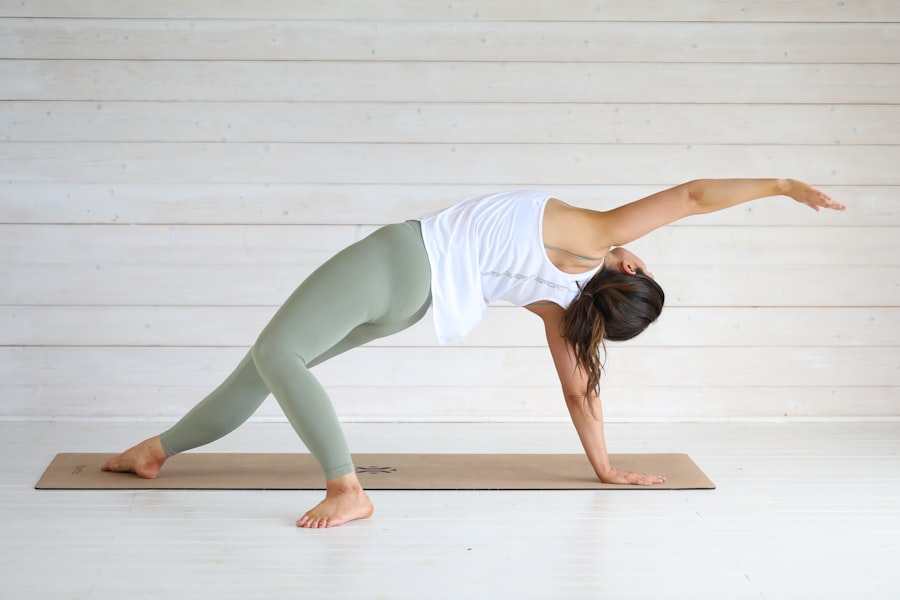
Rebuilding your core strength after 60 requires a nuanced approach, prioritizing safety, consistency, and intelligent progression. It’s not about intensity or striving for immediate dramatic results. Instead, focus on gradual, sustained effort, much like sculpting a piece of art – precision and patience yield the best results.
Start with Foundational Stability
Before attempting dynamic or power-focused exercises, you must establish a strong foundation of stability. This involves isolating and activating the deeper core muscles, such as the transverse abdominis and multifidus, which often become dormant over time. Think of these as the deep, unseen roots of a tree that anchor it firmly.
Prioritize Proper Form Over Reps
Incorrect form can negate the benefits of an exercise and significantly increase your risk of injury. Focus on slow, controlled movements and perfect technique. If you feel strain in your neck or lower back, adjust your position or reduce the range of motion. Consider working with a qualified fitness professional who specializes in senior fitness.
Incorporate Mind-Body Connection
Consciously engage your core muscles during exercises. This isn’t just about moving; it’s about actively thinking about the muscles you are working. Visualize your navel drawing toward your spine or your core acting as a supportive corset. This mind-body connection enhances neuromuscular recruitment and improves exercise effectiveness.
Gradual Progression
Do not attempt to do too much too soon. Begin with a manageable number of repetitions and sets, and slowly increase them as your strength improves. When an exercise becomes easy, you can consider variations that offer a slightly greater challenge, but always prioritize stability and control.
Listen to Your Body
Pain is a signal. Differentiate between muscle fatigue (a burning sensation that subsides relatively quickly) and sharp, persistent pain, which indicates something is wrong. Rest when needed, and do not push through pain. Recovery is as important as exertion, particularly as you age.
Key Exercises for Core Strengthening After 60
The following exercises are suitable for individuals over 60 and can be modified to suit various fitness levels. Remember to start slowly, focus on proper form, and breathe deeply throughout each movement. It’s like learning a new language – begin with basic vocabulary before attempting complex sentences.
Pelvic Tilts
- How To: Lie on your back with your knees bent and feet flat on the floor, about hip-width apart. Your spine should be in a neutral position, with a slight curve in your lower back. Gently press your lower back into the floor by contracting your abdominal muscles and tilting your pelvis upward. You should feel your tailbone lift slightly. Hold for a few seconds, then release back to a neutral spine.
- Benefits: Activates the transverse abdominis and helps to re-establish awareness of pelvic movement, which is crucial for spinal stability.
- Modifications: If lying on the floor is uncomfortable, perform this exercise while seated in a sturdy chair.
Abdominal Bracing
- How To: Lie on your back with your knees bent and feet flat, or sit tall in a chair. Place your hands on your lower abdomen. Take a deep breath, and as you exhale, imagine drawing your navel towards your spine without moving your back or pelvis. You should feel tension in your deep abdominal muscles under your hands. Maintain normal breathing while holding the contraction.
- Benefits: Strengthens the deep abdominal muscles, particularly the transverse abdominis, which acts like a natural corset for your spine.
- Modifications: Can be practiced in various positions: lying, seated, or even standing.
Bird-Dog
- How To: Start on your hands and knees, with your hands directly under your shoulders and knees under your hips. Your back should be flat and in a neutral position. Engage your core. Slowly extend one arm straight forward while simultaneously extending the opposite leg straight back, keeping your hips level and avoiding any arching or sagging of your back. Hold for a few seconds, then slowly return to the starting position. Alternate sides.
- Benefits: Improves balance, strengthens the core stabilizers, and enhances coordination.
- Modifications: Begin by extending only an arm or only a leg. As you gain strength, progress to extending both simultaneously. Perform near a wall or chair for balance support if needed.
Dead Bug
- How To: Lie on your back with your knees bent and feet flat. Lift your arms straight up towards the ceiling, and lift your legs so your knees are bent at a 90-degree angle directly over your hips (tabletop position). Your lower back should be pressed gently into the floor. Slowly lower your right arm towards the floor behind your head while simultaneously extending your left leg straight out in front of you, keeping it just above the floor. Control the movement, keeping your core engaged and your lower back flat. Return to the starting position and alternate sides.
- Benefits: Excellent for improving core stability, particularly anti-extension (preventing your lower back from arching).
- Modifications: Perform with only leg extensions or only arm extensions initially. Reduce the range of motion for arms/legs if lower back arches.
Wall Slides (for Posture Correction)
- How To: Stand with your back against a wall, heels about 6 inches from the wall. Your head, shoulders, and hips should be in contact with the wall. Gently draw your chin down slightly (think of making a double chin) to lengthen your neck. Press your lower back lightly into the wall, engaging your core. Slowly raise your arms with elbows bent, keeping your wrists, forearms, and elbows in contact with the wall as much as possible, sliding them up like you’re making a snow angel. Only go as high as you can without your back arching away from the wall.
- Benefits: Improves upper back and shoulder mobility, strengthens postural muscles, and reinforces core engagement while maintaining spinal alignment.
- Modifications: If you can’t keep your arms/wrists on the wall, focus on keeping just your elbows on the wall. Gradually work towards full contact.
Rebuilding core strength after the age of 60 is essential for maintaining balance and preventing falls, and a great resource for this topic can be found in an article on senior health. Engaging in exercises that focus on stability and strength can significantly enhance overall well-being. For more insights on effective strategies and exercises tailored for seniors, you can read the article at Explore Senior Health. This resource provides valuable information that can help you on your journey to improved core strength and health.
Integrating Core Work into Your Lifestyle
| Metric | Description | Recommended Range/Value | Notes |
|---|---|---|---|
| Core Muscle Endurance | Duration holding a plank position | 20-60 seconds | Start with shorter holds and gradually increase time |
| Frequency of Core Exercises | Number of core workouts per week | 3-4 sessions | Allow rest days for muscle recovery |
| Repetitions per Exercise | Number of reps per core exercise set | 8-15 reps | Focus on controlled movements and proper form |
| Sets per Exercise | Number of sets per core exercise | 2-3 sets | Adjust based on individual endurance and strength |
| Balance and Stability Improvement | Time standing on one leg without support | 20-30 seconds | Improves core stability and reduces fall risk |
| Flexibility | Range of motion in trunk rotation and bending | Within comfortable pain-free range | Incorporate stretching to enhance core mobility |
| Progress Tracking | Weekly improvement in endurance or reps | 5-10% increase per week | Helps maintain motivation and adjust training |
Core strengthening shouldn’t be confined to specific exercise sessions; it should be woven into the fabric of your daily life. Think of it as adding small, reinforcing stitches to a garment that ultimately makes it stronger and more durable.
Daily Movement and Active Living
Regular physical activity is paramount. Walking, gardening, dancing, and swimming all engage your core muscles, sometimes without you even realizing it. Aim for at least 150 minutes of moderate-intensity aerobic activity per week, as recommended by health organizations.
Mindful Core Engagement
Practice engaging your core consciously throughout the day. When you sit in a chair, gently draw your navel towards your spine to sit taller. When you lift an object, brace your core before you lift. This constant, subtle engagement helps to build muscle memory and reinforce proper movement patterns.
Incorporate Flexibility and Mobility
A strong core is most effective when paired with good flexibility and mobility in surrounding areas, especially the hips and spine. Incorporate gentle stretching and mobility exercises, such as cat-cow stretches or hip circles, into your routine. This ensures your core muscles can function through their full range of motion without restriction.
Nutrition and Hydration
Muscle growth and repair are heavily dependent on adequate protein intake. Ensure your diet includes lean proteins, fruits, vegetables, and whole grains. Proper hydration is also crucial for muscle function and overall joint health. Without the right fuel, your engine cannot perform optimally.
Consistency is Key
The most effective exercise program is the one you stick with. Rather than sporadic intense sessions, aim for consistent, shorter workouts. Two to three core-focused sessions per week, combined with daily mindful engagement, will yield significant and lasting results. Remember, rebuilding is a journey, not a destination. Your core is a lifelong project, constantly adapting and requiring ongoing attention. By committing to this process, you are investing directly in your future well-being, maintaining your independence, and ensuring your later years are characterized by strength, stability, and vitality.
WATCH NOW ▶️ STOP Working Out: The 3-Step “Kitchen Protocol” to Rebuild Muscle After 60
FAQs
What are the benefits of rebuilding core strength after 60?
Rebuilding core strength after 60 helps improve balance, stability, posture, and overall mobility. It can reduce the risk of falls, alleviate back pain, and enhance the ability to perform daily activities independently.
What types of exercises are recommended for core strengthening in people over 60?
Low-impact exercises such as pelvic tilts, seated marches, modified planks, bridges, and gentle yoga or Pilates are commonly recommended. These exercises focus on engaging the abdominal muscles, lower back, and pelvic floor safely.
How often should someone over 60 work on core strengthening exercises?
It is generally advised to perform core strengthening exercises 2 to 3 times per week, allowing rest days in between for muscle recovery. Consistency over time is key to rebuilding and maintaining core strength.
Are there any precautions to consider when rebuilding core strength after 60?
Yes, it is important to start slowly and avoid exercises that cause pain or discomfort. Consulting with a healthcare provider or physical therapist before beginning a new exercise routine is recommended, especially for individuals with existing health conditions.
Can improving core strength help with other health issues common in older adults?
Yes, strengthening the core can help improve posture, reduce lower back pain, enhance respiratory function, and support better balance, which may decrease the likelihood of falls and related injuries in older adults.