
Red yeast rice is a traditional Chinese culinary and medicinal product that has gained popularity in the Western world as a natural remedy for lowering cholesterol levels. This fermented rice, which is produced by the fermentation of rice with a specific type of mold called Monascus purpureus, contains several compounds known as monacolins. Among these, monacolin K is particularly noteworthy because it is chemically identical to the active ingredient in statin medications, which are commonly prescribed to manage high cholesterol.
As you explore the potential benefits and risks associated with red yeast rice, it’s essential to understand its historical context and how it has been utilized in various cultures. In addition to its cholesterol-lowering properties, red yeast rice has been used in traditional medicine for centuries to improve digestion and promote overall health. The growing interest in natural supplements has led many individuals to consider red yeast rice as an alternative or complementary approach to managing their cholesterol levels.
However, as you delve deeper into this topic, it becomes crucial to examine how red yeast rice interacts with statin medications, especially since both aim to achieve similar health outcomes. Understanding this interaction can help you make informed decisions about your health and wellness.
Key Takeaways
- Red yeast rice contains natural statins that can interact with prescribed statin medications, increasing the risk of side effects.
- Combining red yeast rice with statins may lead to serious complications such as muscle pain, liver damage, and other adverse symptoms.
- Users should take precautionary measures and consult healthcare professionals before using red yeast rice alongside statin drugs.
- Alternative cholesterol-lowering options exist and should be discussed with a doctor to avoid harmful interactions.
- Awareness, education, and regulatory oversight are essential to ensure safe use and prevent risks associated with red yeast rice and statin combinations.
Understanding Statin Medication
Statins are a class of medications widely prescribed to lower cholesterol levels in individuals at risk of cardiovascular diseases. They work by inhibiting an enzyme in the liver responsible for producing cholesterol, thereby reducing the overall levels of low-density lipoprotein (LDL) cholesterol in the bloodstream. Statins have been shown to significantly decrease the risk of heart attacks and strokes, making them a cornerstone in the management of hyperlipidemia.
If you are currently taking statins or considering them as part of your health regimen, it’s important to understand how they function and their potential side effects. While statins are effective for many people, they are not without their drawbacks. Some individuals may experience side effects such as muscle pain, liver enzyme abnormalities, and digestive issues.
These adverse effects can lead some patients to seek alternative treatments, including natural supplements like red yeast rice. However, before making any changes to your medication or supplement routine, it’s essential to weigh the benefits against the risks and consult with a healthcare professional.
The Potential Interaction Between Red Yeast Rice and Statins
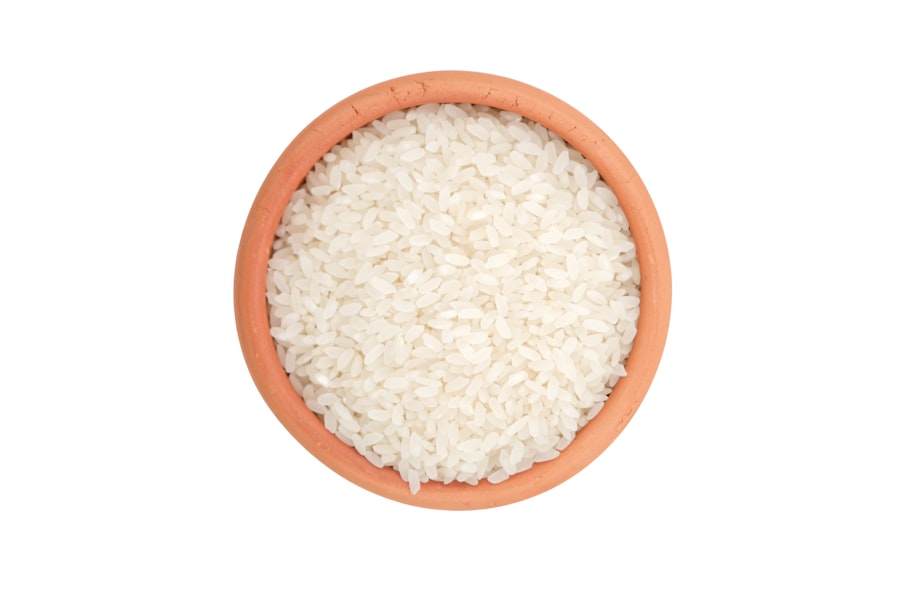
The interaction between red yeast rice and statin medications is a topic of considerable interest and concern among healthcare providers and patients alike. Since red yeast rice contains monacolin K, which mimics the action of statins, combining these two can lead to an additive effect on cholesterol reduction. While this may seem beneficial at first glance, it raises questions about safety and efficacy.
If you are considering using red yeast rice alongside statins, it’s crucial to understand how these substances may interact within your body. Research indicates that taking red yeast rice while on statin therapy could potentially enhance the cholesterol-lowering effects.
Therefore, if you are contemplating this dual approach, it is vital to discuss it with your healthcare provider to ensure that you are making a safe and informed choice regarding your health.
Risks and Complications of Red Yeast Rice and Statin Interaction
| Risk/Complication | Description | Potential Severity | Notes |
|---|---|---|---|
| Increased Myopathy Risk | Muscle pain, weakness, or inflammation due to combined statin and red yeast rice effects | Moderate to Severe | Both contain monacolin K, which can amplify muscle toxicity |
| Rhabdomyolysis | Severe muscle breakdown leading to kidney damage | Severe | Rare but life-threatening; risk increases with combined use |
| Liver Toxicity | Elevated liver enzymes and potential liver damage | Moderate | Both agents metabolized by liver; monitoring recommended |
| Drug Interaction | Increased blood levels of statins due to red yeast rice components | Moderate | May increase side effects and toxicity |
| Gastrointestinal Issues | Nausea, abdominal discomfort, or diarrhea | Mild to Moderate | Common side effects of both supplements and statins |
| Allergic Reactions | Rashes, itching, or swelling | Mild to Severe | Possible with either agent; monitor for symptoms |
The risks associated with combining red yeast rice and statin medications cannot be overlooked. One of the primary concerns is the potential for increased muscle-related side effects, known as myopathy. This condition can range from mild muscle aches to severe muscle damage, which may lead to rhabdomyolysis—a serious condition that can result in kidney failure.
If you experience any unusual muscle pain or weakness while using both red yeast rice and statins, it’s essential to seek medical attention promptly. Additionally, there are concerns regarding liver function when using red yeast rice in conjunction with statins. Both substances can affect liver enzymes, leading to elevated levels that may indicate liver damage.
Regular monitoring of liver function tests is advisable if you choose to use these two treatments together. By being aware of these risks, you can take proactive steps to safeguard your health while managing your cholesterol levels effectively.
Common Symptoms of Red Yeast Rice and Statin Interaction
If you decide to use red yeast rice alongside statin medications, it’s important to be vigilant about any symptoms that may arise from this combination. Common symptoms of interaction include muscle pain or weakness, fatigue, and digestive issues such as nausea or diarrhea. These symptoms can vary in intensity and may not always be immediately linked to the use of both substances.
Therefore, keeping a detailed record of any changes in your health can be beneficial for discussions with your healthcare provider. In some cases, individuals may also experience elevated liver enzymes without any noticeable symptoms. This is why regular blood tests are crucial for anyone using red yeast rice in conjunction with statins.
By being proactive about monitoring your health, you can catch any potential issues early on and make necessary adjustments to your treatment plan.
Precautionary Measures for Red Yeast Rice and Statin Users
If you are considering using red yeast rice while on statin therapy, there are several precautionary measures you should take to minimize risks. First and foremost, consult with your healthcare provider before starting any new supplement. They can provide personalized advice based on your medical history and current medications.
Additionally, it’s wise to start with a low dose of red yeast rice and monitor your body’s response closely. Another important precaution is to maintain regular follow-up appointments with your healthcare provider for monitoring purposes. This includes routine blood tests to check liver function and cholesterol levels.
By staying informed about your health status, you can make timely adjustments to your treatment plan if necessary.
Medical Advice and Consultation for Red Yeast Rice and Statin Users
Seeking medical advice is crucial when considering the use of red yeast rice alongside statin medications. Your healthcare provider can help you weigh the potential benefits against the risks based on your individual health profile. They may also recommend alternative approaches or lifestyle changes that could help manage your cholesterol levels without the need for combining these two treatments.
In addition to discussing your options with a healthcare professional, consider seeking guidance from a registered dietitian or nutritionist who specializes in cardiovascular health. They can provide valuable insights into dietary changes that may complement your treatment plan and help you achieve optimal results without unnecessary risks.
Alternative Options for Red Yeast Rice and Statin Users
If you find that combining red yeast rice with statins is not suitable for you due to potential interactions or side effects, there are alternative options available for managing cholesterol levels. Lifestyle modifications such as adopting a heart-healthy diet rich in fruits, vegetables, whole grains, and healthy fats can significantly impact your cholesterol levels positively. Regular physical activity is also essential; engaging in moderate exercise can help raise high-density lipoprotein (HDL) cholesterol while lowering LDL cholesterol.
Additionally, other natural supplements may offer benefits without the same risks associated with red yeast rice and statins. For instance, omega-3 fatty acids found in fish oil have been shown to improve lipid profiles and support heart health. Before trying any new supplement or treatment option, however, it’s essential to consult with your healthcare provider to ensure safety and efficacy.
Legal and Regulatory Considerations for Red Yeast Rice and Statin Interaction
The legal and regulatory landscape surrounding red yeast rice is complex and varies by region. In some countries, red yeast rice is classified as a dietary supplement, while in others, it may be considered a drug due to its active ingredient monacolin K being identical to that found in prescription statins. This distinction can affect how products are marketed and sold, as well as their quality control standards.
As a consumer, it’s important to be aware of these regulations when purchasing red yeast rice products. Look for reputable brands that adhere to good manufacturing practices (GMP) and have undergone third-party testing for quality assurance. By choosing high-quality products, you can reduce the risk of contamination or inconsistent dosages that could impact your health.
Public Awareness and Education on Red Yeast Rice and Statin Interaction
Public awareness regarding the interaction between red yeast rice and statin medications is crucial for promoting safe health practices. Many individuals may not be aware of the potential risks associated with combining these two treatments or may assume that natural supplements are always safe because they are derived from plants or fungi. Educational initiatives aimed at informing the public about these interactions can empower individuals to make informed choices about their health.
Healthcare providers also play a vital role in educating patients about the implications of using red yeast rice alongside statins. By fostering open communication between patients and providers, individuals can better understand their treatment options and make decisions that align with their health goals.
Conclusion and Recommendations for Red Yeast Rice and Statin Users
In conclusion, while red yeast rice presents an appealing natural alternative for managing cholesterol levels, its interaction with statin medications warrants careful consideration. If you are currently using statins or contemplating their use alongside red yeast rice, it’s essential to consult with your healthcare provider for personalized advice tailored to your unique health needs. Regular monitoring of liver function and cholesterol levels will help ensure that you remain on track toward achieving optimal heart health.
Ultimately, whether you choose to incorporate red yeast rice into your regimen or explore alternative options, prioritizing open communication with healthcare professionals will empower you to make informed decisions about your health journey. By staying educated about potential interactions and risks, you can navigate your path toward better cardiovascular health with confidence.
Recent studies have highlighted the potential interaction risks between red yeast rice and statin medications, raising concerns for individuals who may be using both for cholesterol management. For more detailed information on this topic, you can refer to the article available at