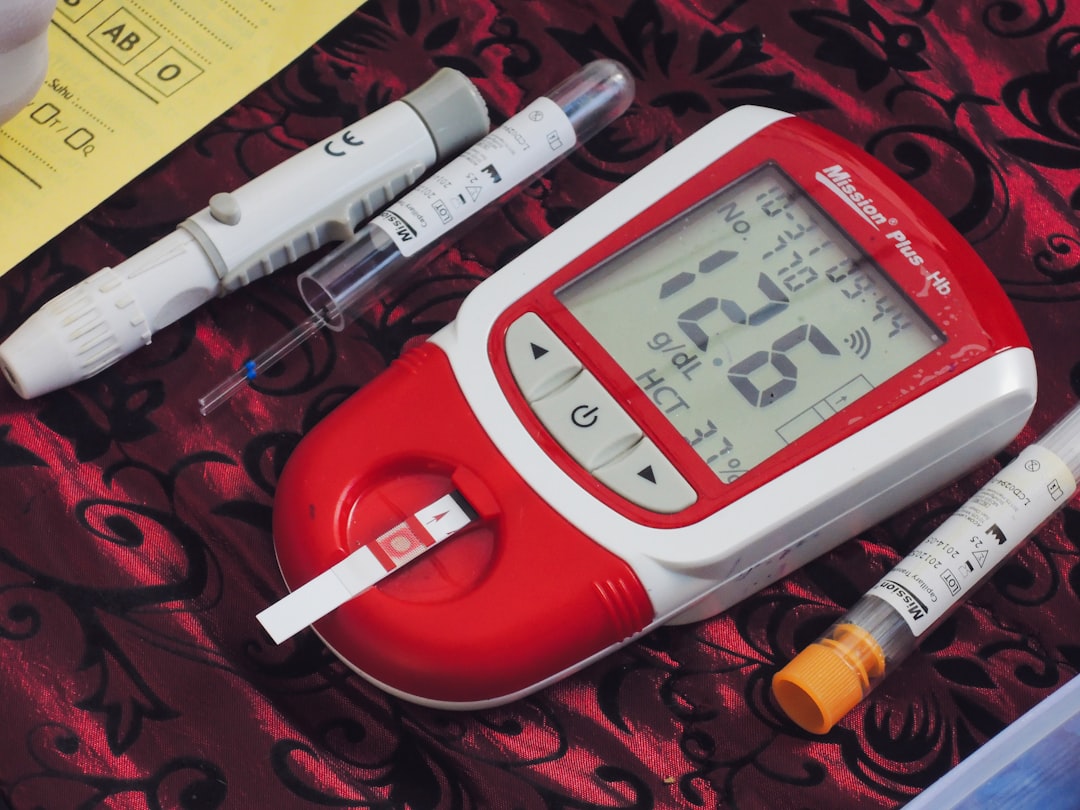
Blood pressure measures the force exerted by circulating blood against arterial walls as the heart pumps blood throughout the body. This measurement is recorded in millimeters of mercury (mmHg) and consists of two values: systolic pressure, representing arterial pressure during heart contractions, and diastolic pressure, indicating arterial pressure during the heart’s resting phase between beats. A reading of 120/80 mmHg is classified as normal blood pressure.
Blood pressure serves as a vital indicator of cardiovascular health. Understanding these measurements becomes increasingly important with age, as they provide valuable information about overall health status and inform decisions regarding lifestyle modifications and medical treatment. Age-related physiological changes affect blood pressure readings.
Arterial walls typically become less elastic over time, while cardiac efficiency may decline, resulting in altered blood pressure patterns. These changes necessitate awareness of healthy blood pressure ranges and recognition that readings may vary throughout life. Regular blood pressure monitoring enables early detection of trends and potential cardiovascular issues.
Consistent tracking facilitates timely medical interventions, which can substantially improve long-term health outcomes and quality of life.
Key Takeaways
- Monitoring blood pressure is crucial for older adults to prevent health complications.
- Both high and low blood pressure pose significant risks in the elderly population.
- Lifestyle changes, such as diet and exercise, play a key role in managing blood pressure.
- Medications may be necessary but should be carefully managed under medical supervision.
- Regular home monitoring and knowing when to seek medical help are essential for maintaining healthy blood pressure.
Importance of Monitoring Blood Pressure in Older Adults
Monitoring your blood pressure regularly is vital, particularly as you enter your senior years. Aging can bring about various physiological changes that may affect how your body regulates blood pressure. By keeping track of your readings, you can gain valuable insights into your cardiovascular health and detect any abnormalities early on.
This proactive approach allows you to work closely with healthcare providers to manage any potential issues before they escalate into more serious conditions. Moreover, consistent monitoring empowers you to take charge of your health. You can identify patterns in your blood pressure readings that may correlate with lifestyle factors such as diet, exercise, and stress levels.
By understanding how different factors influence your blood pressure, you can adopt strategies that promote a healthier lifestyle and reduce the risk of complications associated with hypertension or hypotension.
Risks of High Blood Pressure in Older Adults

High blood pressure, or hypertension, poses significant risks for older adults. It is often referred to as a “silent killer” because it typically presents no symptoms until serious complications arise. As you age, the likelihood of developing hypertension increases, which can lead to severe health issues such as heart disease, stroke, and kidney damage.
The strain that high blood pressure places on your cardiovascular system can result in long-term damage to your arteries and organs, making it essential for you to monitor and manage this condition effectively. Additionally, high blood pressure can exacerbate other health conditions that are common in older adults, such as diabetes and arthritis. The interplay between these conditions can complicate treatment plans and lead to a decline in overall health.
By recognizing the risks associated with high blood pressure and taking steps to manage it, you can significantly reduce the likelihood of developing these complications and maintain a better quality of life.
Risks of Low Blood Pressure in Older Adults
While high blood pressure often garners more attention, low blood pressure, or hypotension, can also pose serious risks for older adults. When your blood pressure drops too low, it can lead to symptoms such as dizziness, fainting, and fatigue. These symptoms can increase the risk of falls and injuries, which are particularly concerning for older individuals who may already have compromised mobility or balance.
Understanding the signs of low blood pressure is crucial for you to prevent accidents and maintain your independence. Moreover, low blood pressure can be indicative of underlying health issues or side effects from medications. For instance, certain medications used to treat high blood pressure or other conditions may inadvertently lower your blood pressure too much.
This highlights the importance of regular monitoring and communication with your healthcare provider about any symptoms you experience. By staying informed about the risks associated with low blood pressure, you can take proactive steps to address any concerns before they lead to more significant health problems.
Factors Affecting Blood Pressure in Older Adults
| Age Group | Systolic BP (mm Hg) | Diastolic BP (mm Hg) | Notes |
|---|---|---|---|
| 60-69 years | 90-139 | 60-89 | Optimal range for most older adults |
| 70-79 years | 90-145 | 60-89 | Upper systolic limit slightly higher due to arterial stiffness |
| 80+ years | 90-150 | 60-90 | Higher systolic BP may be acceptable; monitor for symptoms |
| General Recommendation | Below 140 | Below 90 | Target for most older adults to reduce cardiovascular risk |
Several factors can influence your blood pressure as you age. Lifestyle choices play a significant role; for instance, diet, physical activity levels, and stress management are all critical components that can either elevate or lower your blood pressure. A diet high in sodium and saturated fats can contribute to hypertension, while regular exercise and a balanced diet rich in fruits, vegetables, and whole grains can help maintain healthy levels.
Being mindful of these factors allows you to make adjustments that promote better cardiovascular health. In addition to lifestyle factors, certain medical conditions and medications can also impact your blood pressure. Chronic illnesses such as diabetes or kidney disease may affect how your body regulates blood pressure.
Furthermore, medications prescribed for various health issues can have side effects that alter your readings. It’s essential for you to have open discussions with your healthcare provider about any medications you are taking and how they may influence your blood pressure. By understanding these factors, you can take a more comprehensive approach to managing your health.
Safe Blood Pressure Range for Older Adults

For older adults, a safe blood pressure range is generally considered to be below 130/80 mmHg. However, individual targets may vary based on personal health conditions and risk factors. It’s important for you to consult with your healthcare provider to determine what range is appropriate for you based on your unique circumstances.
Regular monitoring will help you stay within this range and alert you to any significant changes that may require medical attention. Maintaining a safe blood pressure range is crucial for reducing the risk of cardiovascular events such as heart attacks or strokes. By understanding what constitutes a healthy range for you personally, you can take proactive steps to manage your blood pressure effectively.
This might include lifestyle modifications or medication adjustments as recommended by your healthcare provider.
Recommended Lifestyle Changes for Managing Blood Pressure
Making lifestyle changes is one of the most effective ways for you to manage your blood pressure. Incorporating regular physical activity into your routine can significantly benefit cardiovascular health. Aim for at least 150 minutes of moderate aerobic exercise each week, such as walking or swimming.
Additionally, strength training exercises twice a week can help improve overall fitness and support healthy blood pressure levels. Dietary changes are equally important in managing blood pressure. Adopting a heart-healthy diet like the DASH (Dietary Approaches to Stop Hypertension) diet emphasizes fruits, vegetables, whole grains, lean proteins, and low-fat dairy while reducing sodium intake.
Limiting alcohol consumption and avoiding tobacco products are also crucial steps in maintaining healthy blood pressure levels. By making these lifestyle changes, you empower yourself to take control of your health and reduce the risk of complications associated with high or low blood pressure.
Medications for Managing Blood Pressure in Older Adults
In some cases, lifestyle changes alone may not be sufficient to manage your blood pressure effectively. Your healthcare provider may prescribe medications tailored to your specific needs and health conditions. Common classes of antihypertensive medications include diuretics, ACE inhibitors, beta-blockers, and calcium channel blockers.
Each class works differently to lower blood pressure by either reducing fluid volume or relaxing blood vessels.
Regular follow-ups with your healthcare provider will help ensure that the prescribed medication is effective and that any necessary adjustments are made over time.
Being proactive about managing your medication regimen will contribute significantly to maintaining healthy blood pressure levels.
Monitoring and Managing Blood Pressure at Home
Monitoring your blood pressure at home is an excellent way to stay informed about your cardiovascular health between doctor visits. Home blood pressure monitors are widely available and easy to use; however, it’s important to choose a reliable device that fits properly on your arm or wrist. Familiarize yourself with the correct technique for taking readings—such as sitting quietly for a few minutes before measuring—to ensure accuracy.
Keeping a log of your readings will help you track trends over time and provide valuable information for discussions with your healthcare provider. If you notice significant fluctuations or consistently high or low readings, don’t hesitate to reach out for medical advice. By actively monitoring your blood pressure at home, you take an important step toward managing your health effectively.
When to Seek Medical Attention for Blood Pressure Concerns
Knowing when to seek medical attention for blood pressure concerns is crucial for maintaining your health as an older adult. If you experience symptoms such as severe headaches, chest pain, shortness of breath, or sudden dizziness or fainting spells, it’s essential to seek immediate medical care. These symptoms could indicate a hypertensive crisis or other serious conditions requiring prompt intervention.
Additionally, if you notice consistent readings above 130/80 mmHg or below 90/60 mmHg at home, it’s wise to consult with your healthcare provider for further evaluation. Regular check-ups will help ensure that any potential issues are addressed early on before they develop into more serious complications.
Maintaining a Healthy Blood Pressure Range in Older Adults
Maintaining a healthy blood pressure range is vital for older adults seeking to enhance their quality of life and reduce the risk of serious health complications. By understanding the importance of monitoring blood pressure regularly and recognizing the risks associated with both high and low readings, you empower yourself to take control of your cardiovascular health. Lifestyle changes such as adopting a balanced diet and engaging in regular physical activity play a significant role in managing blood pressure effectively.
Furthermore, staying informed about medications and monitoring techniques will enable you to work collaboratively with healthcare providers toward achieving optimal health outcomes. Remember that being proactive about your health is key; by taking these steps now, you can enjoy a healthier future filled with vitality and well-being.
Maintaining a safe blood pressure range is crucial for older adults to reduce the risk of cardiovascular diseases and other health complications. For more detailed information on this topic, you can refer to the article on senior health guidelines available at Explore Senior Health. This resource provides valuable insights into managing blood pressure effectively as we age.
FAQs
What is considered a safe blood pressure range for older adults?
A safe blood pressure range for most older adults is generally considered to be below 130/80 mm Hg, according to current guidelines. However, individual targets may vary based on overall health and medical conditions.
Why is monitoring blood pressure important for older adults?
Monitoring blood pressure is crucial for older adults because high blood pressure increases the risk of heart disease, stroke, kidney problems, and other health issues. Early detection and management help prevent complications.
How does blood pressure change with age?
Blood pressure tends to increase with age due to stiffening of the arteries and other physiological changes. This makes regular monitoring important to ensure it stays within a safe range.
Are blood pressure targets different for older adults compared to younger people?
Yes, blood pressure targets for older adults may be slightly higher or individualized based on their health status, frailty, and risk factors. Doctors often balance the benefits of lowering blood pressure with potential side effects.
What lifestyle changes can help maintain a safe blood pressure range in older adults?
Healthy lifestyle changes include a balanced diet low in salt, regular physical activity, maintaining a healthy weight, limiting alcohol intake, quitting smoking, and managing stress.
When should an older adult see a doctor about their blood pressure?
Older adults should consult a healthcare provider if their blood pressure readings are consistently above 130/80 mm Hg or if they experience symptoms like headaches, dizziness, chest pain, or shortness of breath.
Can medications help control blood pressure in older adults?
Yes, medications can be prescribed to help manage high blood pressure in older adults. Treatment plans are personalized to minimize side effects and interactions with other medications.
Is low blood pressure a concern for older adults?
Yes, blood pressure that is too low can cause dizziness, falls, and fainting in older adults. It is important to maintain blood pressure within a safe range to avoid these risks.
How often should older adults check their blood pressure?
Older adults should check their blood pressure regularly, as advised by their healthcare provider. This may range from daily monitoring at home to periodic checks during medical visits.
Can other health conditions affect blood pressure targets in older adults?
Yes, conditions such as diabetes, kidney disease, and heart problems can influence blood pressure goals and treatment strategies in older adults.