
As you age, the complexity of your health can increase, often leading to the prescription of multiple medications. While these medications can be essential for managing various health conditions, they can also lead to a phenomenon known as polypharmacy, where the risks of adverse effects and drug interactions become significant. This is particularly concerning for seniors, whose bodies may metabolize drugs differently than younger individuals.
You may find that what once worked well for you can become less effective or even harmful over time. Therefore, understanding the need for medication tapering becomes crucial in ensuring your overall well-being.
For seniors, this process is not just about reducing the number of pills taken; it’s about enhancing quality of life. You might experience improved cognitive function, reduced side effects, and a greater sense of autonomy as you transition to a more manageable medication regimen. Recognizing the importance of this process can empower you to take charge of your health and advocate for a more tailored approach to your medication management.
Key Takeaways
- Medication tapering in seniors requires careful assessment to ensure safety and effectiveness.
- Personalized taper plans developed with healthcare professionals are essential for successful medication reduction.
- Non-pharmacological interventions and alternative therapies can support seniors during the tapering process.
- Monitoring withdrawal symptoms and adjusting the taper plan based on individual responses helps manage risks.
- Involving family, caregivers, and providing emotional support creates a safe environment and promotes long-term success.
Identifying Safe Medication Tapering Strategies for Seniors
When considering medication tapering, it’s essential to identify strategies that are safe and effective for your unique situation. One of the first steps you can take is to review your current medications with your healthcare provider. This review should include an assessment of each medication’s necessity, potential side effects, and interactions with other drugs you may be taking.
You might find that some medications are no longer needed or that their dosages can be safely reduced. This collaborative approach ensures that you are not only informed but also actively involved in your treatment plan. Another strategy involves creating a tapering schedule that is gradual and manageable.
You may want to start by reducing the dosage of one medication at a time rather than attempting to taper multiple medications simultaneously. This method allows you to monitor how your body responds to each change, making it easier to identify any adverse effects or withdrawal symptoms. Keeping a journal during this process can be beneficial; you can document your experiences, feelings, and any physical changes you notice.
This information will be invaluable when discussing your progress with your healthcare provider.
Consulting with Healthcare Professionals for a Personalized Taper Plan

Consulting with healthcare professionals is a critical step in developing a personalized taper plan that suits your specific needs. Your primary care physician or a geriatric specialist can provide insights into the best approach for tapering your medications safely. During these consultations, it’s important to communicate openly about your concerns, experiences with medications, and any side effects you may have encountered.
This dialogue will help your healthcare provider tailor a tapering plan that considers your medical history and current health status. In addition to physicians, pharmacists can also play a vital role in this process. They possess extensive knowledge about medications and can offer guidance on potential interactions and side effects.
You might find it helpful to schedule a medication review with your pharmacist, who can help clarify any questions you have about your tapering plan. By involving multiple healthcare professionals in your tapering journey, you create a support network that enhances your safety and well-being.
Exploring Alternative Therapies and Non-Pharmacological Interventions
As you embark on the journey of medication tapering, exploring alternative therapies and non-pharmacological interventions can provide additional support. Many seniors find that complementary therapies such as acupuncture, yoga, or meditation can help alleviate symptoms associated with withdrawal or the conditions being treated. These practices not only promote relaxation but also enhance overall well-being, making it easier for you to cope with the changes in your medication regimen.
Additionally, lifestyle modifications such as diet and exercise can significantly impact your health during this transition. You might consider incorporating more whole foods into your diet or engaging in regular physical activity tailored to your abilities. These changes can improve your physical health and boost your mood, making the tapering process feel less daunting.
By embracing a holistic approach that includes both medical and lifestyle interventions, you empower yourself to navigate this journey with confidence.
Monitoring and Managing Withdrawal Symptoms during Tapering
| Medication | Initial Dose | Tapering Schedule | Duration | Monitoring Parameters | Common Side Effects |
|---|---|---|---|---|---|
| Prednisone | 20 mg daily | Reduce by 2.5 mg every week | 8 weeks | Blood pressure, blood glucose, signs of adrenal insufficiency | Fatigue, muscle weakness, mood changes |
| Diazepam | 5 mg twice daily | Reduce by 1 mg every 1-2 weeks | 6-8 weeks | Withdrawal symptoms, anxiety levels, sedation | Dizziness, confusion, tremors |
| Gabapentin | 300 mg three times daily | Reduce by 100 mg every 3-7 days | 3-4 weeks | Neuropathic pain, dizziness, mood changes | Drowsiness, peripheral edema, coordination issues |
| Sertraline | 50 mg daily | Reduce by 25 mg every 2 weeks | 4-6 weeks | Mood, withdrawal symptoms, sleep patterns | Headache, nausea, irritability |
| Metoprolol | 50 mg twice daily | Reduce by 12.5 mg every 1-2 weeks | 4-6 weeks | Heart rate, blood pressure, signs of angina | Bradycardia, fatigue, dizziness |
Monitoring and managing withdrawal symptoms is an essential aspect of the tapering process. As you reduce your medication dosage, it’s common to experience various physical and emotional symptoms. These may include anxiety, insomnia, or changes in appetite.
Being aware of these potential withdrawal symptoms allows you to prepare for them and seek help when necessary. You might find it helpful to establish a support system that includes family members or friends who can assist you during this time. Keeping track of any symptoms you experience can also be beneficial when discussing your progress with healthcare providers.
You may want to create a symptom diary where you note the onset, duration, and intensity of any withdrawal symptoms. This information will help your healthcare team make informed decisions about adjusting your taper plan if needed. Remember that experiencing some discomfort is normal during this process; however, if symptoms become overwhelming or unmanageable, don’t hesitate to reach out for support.
Adjusting the Taper Plan Based on Individual Responses and Needs
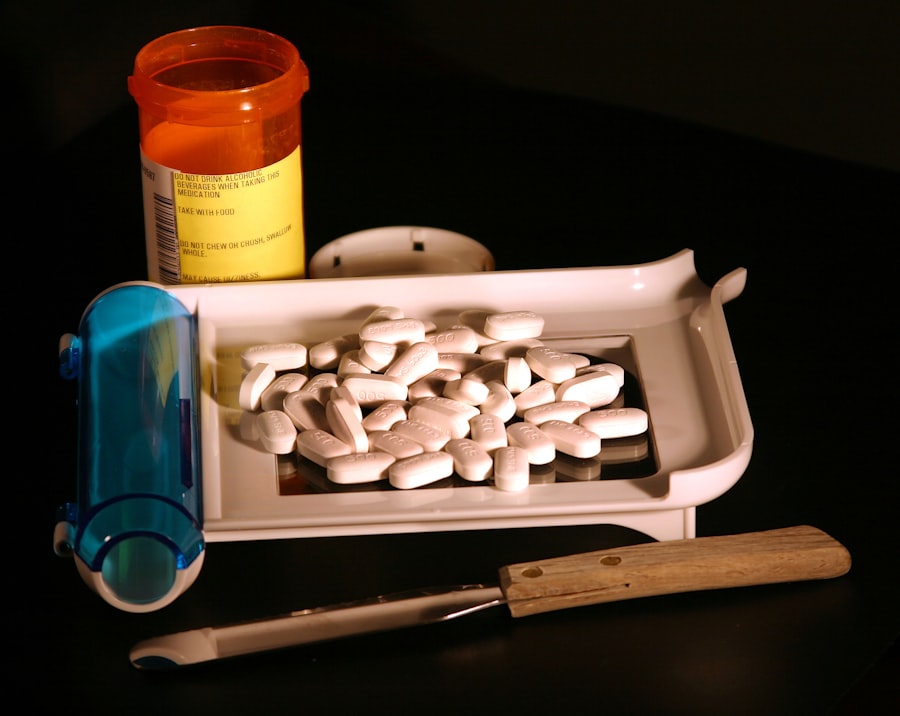
Flexibility is key when it comes to adjusting your taper plan based on individual responses and needs. Each person’s body reacts differently to medication changes, so what works for one individual may not work for another. As you progress through the tapering process, it’s essential to remain in close communication with your healthcare provider about how you’re feeling and any challenges you encounter.
They may recommend slowing down the tapering process if you experience significant withdrawal symptoms or if underlying health issues resurface. You might also find that certain medications require more careful management than others. For instance, tapering off antidepressants or anti-anxiety medications often necessitates a more gradual approach due to the potential for severe withdrawal symptoms.
Your healthcare provider will guide you through these nuances, ensuring that your taper plan is tailored specifically to your needs and circumstances.
Involving Family and Caregivers in the Tapering Process
Involving family members and caregivers in the tapering process can provide additional support and encouragement as you navigate this journey. Open communication with those close to you about your goals and challenges can foster understanding and empathy. They can help monitor your progress, remind you of appointments, and provide emotional support during difficult times.
You might consider scheduling family meetings where everyone can discuss their concerns and share insights about how best to support you.
When they understand the benefits of reducing medications and how it aligns with improving your quality of life, they are more likely to be supportive of your decisions.
Their involvement not only strengthens your support network but also reinforces the idea that you are not alone in this journey.
Addressing the Psychological and Emotional Aspects of Medication Tapering
The psychological and emotional aspects of medication tapering are often overlooked but are crucial for a successful transition. As you reduce medications that may have been providing comfort or stability, feelings of anxiety or uncertainty may arise. It’s essential to acknowledge these emotions rather than suppress them.
You might find it helpful to engage in mindfulness practices or seek counseling services to address any psychological challenges that surface during this time. Support groups can also be an excellent resource for sharing experiences with others who are going through similar situations. Connecting with peers who understand what you’re facing can provide validation and encouragement as you navigate the complexities of tapering medications.
Remember that it’s okay to seek help; addressing emotional well-being is just as important as managing physical health during this process.
Ensuring a Supportive and Safe Environment for Seniors during Tapering
Creating a supportive and safe environment is vital as you undergo medication tapering. This environment should be conducive to both physical safety and emotional well-being. You might consider decluttering your living space to minimize hazards that could lead to falls or accidents as you adjust to changes in medication levels.
Additionally, ensuring that you have easy access to necessary resources—such as transportation for medical appointments—can alleviate stress during this transition. Emotional support is equally important; surrounding yourself with positive influences can make a significant difference in how you cope with the challenges of tapering. Engaging in social activities or hobbies that bring joy can help distract from any discomfort associated with reducing medications.
By fostering an environment that prioritizes both safety and emotional health, you set yourself up for success as you navigate this journey.
Managing Co-occurring Health Conditions during Tapering
Managing co-occurring health conditions while tapering medications requires careful consideration and coordination among healthcare providers. If you have multiple health issues—such as diabetes, hypertension, or arthritis—it’s essential to ensure that all aspects of your health are being addressed during the tapering process. You might find it beneficial to have regular check-ins with all relevant specialists who can collaborate on creating a comprehensive care plan tailored specifically for you.
Communication is key when managing co-occurring conditions during tapering; make sure all healthcare providers are aware of any changes in medications or symptoms you experience. This collaborative approach ensures that adjustments are made holistically rather than in isolation, ultimately leading to better health outcomes as you work towards reducing your medication regimen.
Celebrating Success and Supporting Seniors in Maintaining a Reduced Medication Regimen
As you progress through the tapering process, celebrating small successes along the way is essential for maintaining motivation and positivity. Each step towards reducing medications is an achievement worth recognizing—whether it’s successfully completing a week on a lower dose or feeling better overall without certain medications. You might consider rewarding yourself with small treats or activities that bring joy as a way to acknowledge these milestones.
Supporting seniors in maintaining a reduced medication regimen involves ongoing education and encouragement from both healthcare providers and loved ones. Regular follow-ups with healthcare professionals can help ensure that any lingering concerns are addressed promptly while reinforcing positive behaviors related to health management. By fostering an environment of support and celebration around these achievements, you empower yourself—and others—to embrace a healthier lifestyle free from unnecessary medications.
In conclusion, navigating the complexities of medication tapering as a senior requires careful planning, open communication with healthcare professionals, and support from family members and caregivers. By understanding the need for tapering, identifying safe strategies, exploring alternative therapies, monitoring withdrawal symptoms, adjusting plans based on individual responses, addressing psychological aspects, ensuring safety, managing co-occurring conditions, and celebrating successes along the way, you set yourself up for a successful transition towards improved health and well-being.
When considering a medication taper plan for seniors, it’s essential to understand the potential challenges and benefits involved. A helpful resource that provides insights into managing medications for older adults can be found in this article on senior health. For more information, you can read the article here: Medication Management for Seniors. This resource offers valuable guidance on how to approach medication adjustments safely and effectively.
🚨 WATCH THIS IF YOU TAKE ANY “PM” PILLS AFTER 60
FAQs
What is a medication taper plan for seniors?
A medication taper plan for seniors is a structured approach to gradually reduce the dosage of a medication over time. This helps minimize withdrawal symptoms and adverse effects, ensuring a safer transition off the drug.
Why is tapering medication important for seniors?
Tapering is important because seniors often have altered metabolism and increased sensitivity to medications. Gradual dose reduction helps prevent withdrawal symptoms, adverse reactions, and potential health risks associated with abrupt discontinuation.
Which medications commonly require tapering in seniors?
Medications that often require tapering include benzodiazepines, opioids, antidepressants, corticosteroids, and certain blood pressure drugs. These medications can cause withdrawal symptoms or rebound effects if stopped suddenly.
How is a medication taper plan developed for a senior patient?
A healthcare provider assesses the senior’s medical history, current medications, and overall health. They then create a personalized taper schedule that gradually reduces the medication dose over weeks or months, monitoring for side effects or withdrawal symptoms.
Can seniors taper medications on their own?
No, seniors should not taper medications without medical supervision. Improper tapering can lead to serious health complications. Always consult a healthcare professional before making any changes to medication regimens.
What are common side effects during medication tapering?
Side effects vary depending on the medication but may include anxiety, irritability, nausea, dizziness, fatigue, or return of original symptoms. Close monitoring by a healthcare provider helps manage these effects.
How long does a medication taper plan usually take?
The duration varies based on the medication type, dosage, and individual patient factors. Tapering can take days, weeks, or several months to ensure safety and comfort.
What should caregivers do during a senior’s medication tapering process?
Caregivers should monitor the senior for any changes in behavior, symptoms, or side effects, ensure medication is taken as prescribed, and communicate regularly with healthcare providers to report concerns.
Are there alternatives to tapering for stopping medications?
In some cases, medications can be stopped abruptly if deemed safe by a healthcare provider. However, tapering is generally preferred to reduce risks, especially in seniors.
Where can seniors and caregivers find support during medication tapering?
Support can be found through healthcare providers, pharmacists, senior care organizations, and support groups. Educational resources and counseling may also be available to assist with the process.