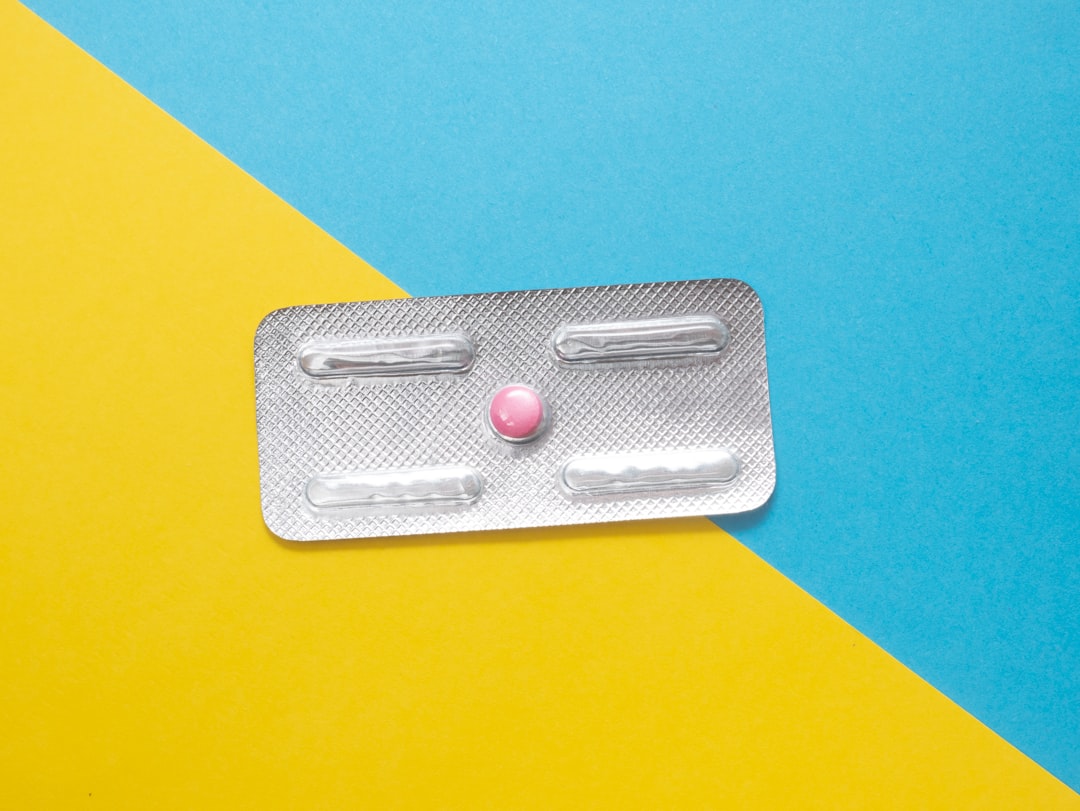
Prescription splitting is a cost-reduction strategy where patients divide higher-dose medications into smaller therapeutic doses. This practice is most effective when the required dose is lower than the smallest commercially available tablet strength, allowing patients to purchase higher-dose tablets and split them to achieve the prescribed amount. The financial benefit occurs because pharmaceutical pricing often does not increase proportionally with dose strength.
For example, a 20mg tablet may cost only slightly more than a 10mg tablet, making it more economical to purchase the 20mg strength and split it in half when a 10mg dose is prescribed. Certain medications are not appropriate for splitting due to their pharmaceutical design. Extended-release formulations, enteric-coated tablets, capsules, and medications with narrow therapeutic windows should not be divided.
Splitting these preparations can alter their pharmacokinetic properties, potentially leading to dose dumping, reduced efficacy, or increased adverse effects. Additionally, some tablets may not split evenly, resulting in inconsistent dosing. Healthcare providers and pharmacists can determine whether a specific medication is suitable for splitting based on its formulation, therapeutic index, and the patient’s clinical needs.
Proper pill-splitting devices should be used to ensure accurate division when this practice is deemed appropriate.
Key Takeaways
- Prescription splitting involves dividing pills to reduce medication costs while maintaining proper dosage.
- Benefits include significant savings and reduced medication waste when done correctly.
- Safe splitting requires using appropriate tools and consulting healthcare providers to avoid dosage errors.
- Not all medications are suitable for splitting; understanding which ones can be safely divided is crucial.
- Always discuss prescription splitting with your doctor and consider legal, insurance, and health monitoring aspects.
Benefits of Prescription Splitting
One of the most significant benefits of prescription splitting is the potential for substantial cost savings. Many insurance plans have different copayment structures based on the dosage of medication. By opting for a higher-dose pill and splitting it, you may find that you can reduce your overall medication costs significantly.
This is especially true for chronic conditions requiring long-term medication, where every dollar saved can add up over time. In addition to financial savings, prescription splitting can also lead to increased convenience. When you split pills, you may find that you have fewer prescriptions to manage, which can simplify your medication routine.
By reducing the number of pills you need to take, you can streamline your daily regimen and potentially improve adherence to your treatment plan. For valuable senior prescription savings tips, visit senior prescription savings tips.
How to Safely Split Prescription Medications
To safely split prescription medications, it is crucial to use the right techniques and tools. First and foremost, always consult with your healthcare provider or pharmacist before attempting to split any medication. They can provide guidance on whether your specific medication is appropriate for splitting and offer advice on how to do it safely.
If you receive the green light, consider investing in a pill splitter, which is designed to cut pills evenly and accurately. When splitting pills, ensure that you do so in a clean and well-lit environment. Place the pill in the splitter and apply even pressure to achieve a clean cut.
Avoid using your hands or improvised tools, as this can lead to uneven halves or fragments that may not provide the correct dosage. After splitting, store the remaining halves in a safe place, away from moisture and direct sunlight, to maintain their efficacy.
Tips for Maximizing Savings through Prescription Splitting
To maximize your savings through prescription splitting, start by researching the cost differences between various dosages of your medication. Many pharmacies offer price comparisons online, allowing you to see how much you could save by choosing a higher-dose pill and splitting it. Additionally, consider using discount cards or programs offered by pharmacies that can further reduce your costs.
Another effective strategy is to keep an eye on your medication supply and refill schedule. By planning ahead and ensuring that you have enough medication on hand, you can avoid last-minute purchases at higher prices. If you notice that your medication is running low, check with your pharmacy about any upcoming sales or promotions that could help you save even more when purchasing higher doses for splitting.
Potential Risks and Side Effects of Prescription Splitting
| Metric | Description | Typical Value | Notes |
|---|---|---|---|
| Cost Savings Percentage | Average reduction in medication cost by splitting higher-dose pills | 20% – 50% | Depends on medication pricing and insurance coverage |
| Medication Types Suitable | Types of medications commonly safe for splitting | Tablets (non-extended release) | Avoid splitting capsules, extended-release, or coated pills |
| Accuracy of Splitting | Percentage of dose accuracy when using a pill splitter | 90% – 95% | Using a quality pill splitter improves accuracy |
| Risk of Dose Variation | Potential variation in dose due to uneven splitting | 5% – 10% | May affect medications with narrow therapeutic index |
| Frequency of Pill Splitting | Recommended frequency to split pills for safety | Once per dose | Split immediately before use to maintain stability |
| Consultation Rate | Percentage of patients advised by healthcare providers to split pills | 30% – 40% | Depends on provider awareness and patient eligibility |
| Patient Adherence Impact | Effect of pill splitting on medication adherence | Neutral to Slight Improvement | Some patients find splitting manageable, others may struggle |
While prescription splitting can offer financial benefits, it is not without its risks. One of the primary concerns is the potential for incorrect dosing. If a pill is not split evenly or if you accidentally take an incorrect half, it could lead to underdosing or overdosing, both of which can have serious health implications.
This is why it’s vital to use proper tools and techniques when splitting medications. Additionally, some medications may have specific formulations that make them unsuitable for splitting. For instance, extended-release or enteric-coated pills should never be split, as doing so can alter their intended release mechanism and lead to adverse effects.
Always consult with your healthcare provider about any potential risks associated with splitting your specific medications.
Discussing Prescription Splitting with Your Healthcare Provider
Open communication with your healthcare provider is essential when considering prescription splitting. Schedule an appointment or bring up the topic during your next visit to discuss whether this practice is appropriate for your treatment plan. Your provider can help assess your medications and determine which ones may be suitable for splitting based on their formulation and your health needs.
During this discussion, be prepared to ask questions about the potential benefits and risks associated with prescription splitting. Your healthcare provider may also provide insights into alternative cost-saving strategies or suggest other medications that could be more affordable without compromising your treatment outcomes.
Choosing the Right Medications for Splitting
Not all medications are created equal when it comes to prescription splitting.
Generally, medications that are scored—meaning they have a line down the middle—are designed to be split easily.
However, even if a pill is scored, it’s still important to confirm with your healthcare provider that it’s safe to split. Common types of medications that may be appropriate for splitting include certain antihypertensives, antidepressants, and cholesterol-lowering drugs. However, always avoid splitting medications that are time-released or coated unless specifically advised by a healthcare professional.
By carefully selecting which medications to split, you can maximize both safety and savings.
Tools and Devices for Accurate Prescription Splitting
Investing in the right tools can make a significant difference in how effectively you split your medications. A pill splitter is an essential device designed specifically for this purpose; it ensures an even cut and minimizes the risk of crumbling or uneven halves. Many pharmacies sell pill splitters at an affordable price, making them accessible for anyone looking to manage their prescriptions more effectively.
In addition to pill splitters, consider using a pill organizer to keep track of your split doses. This can help prevent confusion about which half of a pill you need to take at any given time and ensure that you adhere to your prescribed regimen without missing doses.
Legal and Insurance Considerations for Prescription Splitting
Before engaging in prescription splitting, it’s important to understand any legal or insurance implications associated with this practice. Some insurance plans may have specific policies regarding medication splitting, including whether they will cover higher-dose prescriptions if they are being split for cost-saving purposes. It’s advisable to contact your insurance provider directly to clarify their stance on this issue.
Additionally, be aware of any state regulations regarding prescription medications. While most states allow patients to split their prescriptions as long as they do so safely and under guidance from a healthcare provider, there may be exceptions or specific rules in place that you should familiarize yourself with.
Alternatives to Prescription Splitting for Maximizing Savings
If prescription splitting isn’t suitable for your situation or if you’re looking for additional ways to save on medications, there are several alternatives worth considering. One option is to explore generic versions of your prescribed medications; generics often provide the same therapeutic benefits at a fraction of the cost. Discussing this option with your healthcare provider can help identify suitable alternatives.
Another strategy is to utilize patient assistance programs offered by pharmaceutical companies or non-profit organizations. These programs often provide free or discounted medications to eligible individuals based on income or other criteria. Researching these options can open doors to significant savings without compromising your health.
Monitoring and Managing Your Health with Split Prescription Medications
Once you begin using split prescription medications, it’s essential to monitor your health closely. Keep track of how well the medication is working for you and any side effects you may experience after starting this new regimen. Maintaining an open line of communication with your healthcare provider will allow them to make necessary adjustments based on your feedback.
Additionally, consider keeping a medication journal where you document when you take each dose and any changes in symptoms or side effects. This record can be invaluable during follow-up appointments and will help ensure that you remain on track with your treatment plan while maximizing the benefits of prescription splitting safely and effectively.
For those looking to save on prescription costs, it’s essential to consider the practice of prescription splitting, which can be a safe and effective way to reduce expenses. To learn more about this topic and ensure you’re making informed decisions, check out the related article on senior health at Explore Senior Health. This resource provides valuable insights into the benefits and precautions associated with prescription splitting.
WATCH THIS! 🛑 STOP Paying $52 When It’s $6 at the Same Pharmacy
FAQs
What is prescription splitting?
Prescription splitting is the practice of dividing a prescribed medication dose into smaller portions, often by cutting tablets, to extend the supply and reduce medication costs.
Is prescription splitting safe?
Prescription splitting can be safe if done correctly and under the guidance of a healthcare professional. Not all medications are suitable for splitting, especially those with special coatings or extended-release formulations.
Which medications should not be split?
Medications that are time-released, enteric-coated, or capsules should generally not be split, as altering their form can affect how the drug is absorbed and its effectiveness.
How can I safely split my prescriptions?
Use a proper pill splitter rather than cutting tablets by hand. Always consult your doctor or pharmacist before splitting any medication to ensure it is safe and appropriate.
Can prescription splitting save money?
Yes, prescription splitting can reduce medication costs by allowing patients to purchase higher-dose tablets, which are often less expensive per dose, and split them to achieve the prescribed dose.
Do I need a doctor’s approval to split my medication?
Yes, it is important to get approval from your healthcare provider before splitting any medication to ensure it is safe and will not affect treatment outcomes.
Are all tablets designed to be split?
No, only tablets scored by the manufacturer or those specifically indicated as safe to split should be divided. Unscored tablets may not split evenly, leading to inaccurate dosing.
What are the risks of improper prescription splitting?
Improper splitting can lead to incorrect dosing, reduced effectiveness, increased side effects, or damage to the medication’s protective coating, potentially compromising safety.
Can prescription splitting affect medication effectiveness?
Yes, splitting certain medications can alter their release mechanism or stability, which may reduce their effectiveness or increase side effects.
Where can I get a pill splitter?
Pill splitters are available at most pharmacies, medical supply stores, and online retailers. They are inexpensive and designed to help split tablets accurately and safely.