
As you age, the health of your bones becomes increasingly crucial. Bone density naturally decreases over time, making you more susceptible to fractures and osteoporosis. This decline can lead to significant health issues, including chronic pain, loss of mobility, and a decreased quality of life.
Understanding the importance of maintaining strong bones is essential for you to enjoy an active and fulfilling lifestyle as you grow older. By prioritizing bone health, you can help prevent injuries and maintain your independence. Moreover, the impact of bone health extends beyond physical well-being.
Strong bones contribute to your overall stability and balance, reducing the risk of falls that can lead to serious injuries. Engaging in activities that promote bone strength not only enhances your physical capabilities but also boosts your confidence.
Key Takeaways
- Senior bone health is crucial to prevent fractures and maintain mobility.
- Calcium, vitamin D, magnesium, and vitamin K are key nutrients supporting bone strength.
- Supplements can help address common nutrient deficiencies in seniors.
- Choosing the right supplements and understanding potential risks is essential.
- Combining supplements with healthy lifestyle habits and medical advice optimizes bone health.
Common Nutrient Deficiencies in Seniors
As you age, your body undergoes various changes that can affect nutrient absorption and metabolism. This often leads to common deficiencies that can compromise your bone health. For instance, many seniors struggle with inadequate intake of calcium and vitamin D, both of which are vital for maintaining bone density.
A lack of these nutrients can result in weakened bones, making you more prone to fractures and other complications. In addition to calcium and vitamin D, other nutrients such as magnesium and vitamin K are frequently overlooked in the diets of older adults. Magnesium plays a crucial role in converting vitamin D into its active form, which is essential for calcium absorption.
Vitamin K, on the other hand, is important for bone mineralization and helps prevent calcium from being deposited in the arteries. By being aware of these common deficiencies, you can take steps to ensure that your diet is rich in the nutrients necessary for optimal bone health.
The Role of Supplements in Senior Bone Health

Supplements can play a significant role in supporting your bone health as you age. While a balanced diet is the best way to obtain essential nutrients, it can sometimes be challenging to meet all your nutritional needs through food alone. This is where supplements come into play.
They can help fill the gaps in your diet, ensuring that you receive adequate amounts of vital nutrients that support bone strength. Incorporating supplements into your routine can be particularly beneficial if you have specific dietary restrictions or health conditions that limit your nutrient intake. For example, if you follow a vegan diet or have lactose intolerance, you may find it difficult to get enough calcium from food sources.
In such cases, supplements can provide a convenient and effective way to ensure that you are meeting your nutritional requirements for maintaining healthy bones.
Calcium and Vitamin D: Essential Nutrients for Bone Health
| Nutrient | Recommended Daily Intake | Primary Sources | Role in Bone Health | Deficiency Risks |
|---|---|---|---|---|
| Calcium | 1000 mg (adults) | Dairy products, leafy greens, fortified foods | Provides structural strength to bones and teeth | Osteoporosis, increased fracture risk |
| Vitamin D | 600-800 IU (adults) | Sunlight exposure, fatty fish, fortified milk | Enhances calcium absorption and bone mineralization | Rickets in children, osteomalacia in adults |
Calcium is often referred to as the building block of bones, and for good reason. It is essential for maintaining bone density and strength throughout your life. As you age, your body may not absorb calcium as efficiently, making it even more important to ensure you’re getting enough through your diet or supplements.
Dairy products, leafy greens, and fortified foods are excellent sources of calcium, but if these are lacking in your diet, a supplement may be necessary. Vitamin D works hand-in-hand with calcium to promote bone health. It helps your body absorb calcium effectively and plays a role in bone remodeling.
Unfortunately, many seniors do not get enough sunlight exposure to produce adequate vitamin D naturally. This deficiency can lead to weakened bones and increased risk of fractures. Therefore, supplementing with vitamin D is often recommended for older adults to ensure optimal calcium absorption and overall bone health.
Magnesium and Vitamin K: Supporting Nutrients for Bone Health
While calcium and vitamin D are often highlighted for their roles in bone health, magnesium and vitamin K are equally important yet frequently overlooked. Magnesium is involved in over 300 biochemical reactions in the body, including those related to bone formation. It helps regulate calcium levels and contributes to the structural development of bones.
A deficiency in magnesium can lead to decreased bone density and an increased risk of fractures. Vitamin K also plays a critical role in bone health by aiding in the regulation of calcium within the bones and blood. It helps activate proteins that are essential for bone mineralization, ensuring that calcium is properly utilized in building strong bones.
Including foods rich in magnesium and vitamin K—such as nuts, seeds, green leafy vegetables, and fermented foods—can significantly enhance your bone health. If dietary sources are insufficient, consider discussing supplementation options with your healthcare provider.
Choosing the Right Supplements for Senior Bone Health
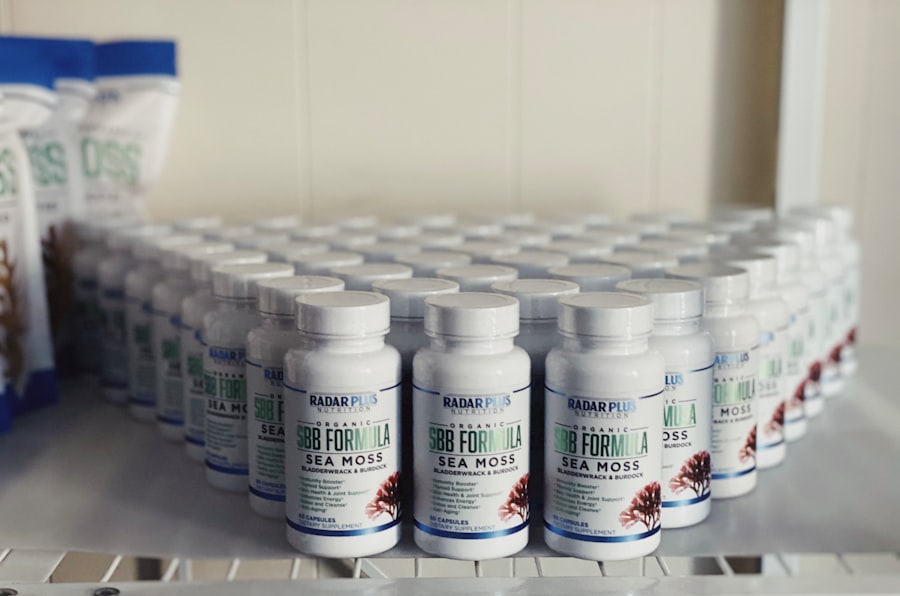
When it comes to selecting supplements for bone health, it’s essential to choose wisely. Not all supplements are created equal; some may contain fillers or additives that could be harmful or ineffective. Look for high-quality products from reputable brands that provide transparency about their ingredients and manufacturing processes.
Reading labels carefully can help you identify supplements that contain the right forms of nutrients that are easily absorbed by your body. Additionally, consider the dosage recommendations provided on the supplement packaging or by your healthcare provider. It’s important not to exceed recommended dosages, as excessive intake of certain nutrients can lead to adverse effects.
A well-rounded approach that includes a combination of calcium, vitamin D, magnesium, and vitamin K may be beneficial for supporting your bone health effectively.
Potential Risks and Interactions of Bone Health Supplements
While supplements can be beneficial for enhancing bone health, they are not without risks. Some supplements may interact with medications you are currently taking or may not be suitable for individuals with certain health conditions. For instance, excessive calcium intake can lead to kidney stones or cardiovascular issues if not monitored properly.
Therefore, it’s crucial to consult with a healthcare professional before starting any new supplement regimen. Additionally, some individuals may experience gastrointestinal discomfort or allergic reactions to specific ingredients found in supplements. Being aware of these potential risks allows you to make informed decisions about which supplements are right for you.
Always prioritize safety by discussing any concerns with your doctor or pharmacist before incorporating new supplements into your routine.
Incorporating Supplements into a Senior’s Daily Routine
Integrating supplements into your daily routine can be straightforward with a little planning. Consider setting a specific time each day to take your supplements—perhaps alongside a meal when you’re more likely to remember them. This consistency will help ensure that you don’t forget to take them regularly.
You might also find it helpful to use a pill organizer or set reminders on your phone to keep track of your supplement intake. Moreover, pairing supplements with nutrient-rich foods can enhance their effectiveness. For example, taking vitamin D with a meal that contains healthy fats can improve absorption.
By creating a routine that incorporates both supplements and nutritious foods, you can maximize the benefits for your bone health while making it an enjoyable part of your day.
Lifestyle Factors to Support Bone Health in Seniors
In addition to supplements, several lifestyle factors play a crucial role in supporting bone health as you age. Regular physical activity is one of the most effective ways to strengthen bones and improve overall health. Weight-bearing exercises such as walking, dancing, or resistance training stimulate bone formation and help maintain bone density.
Aim for at least 150 minutes of moderate-intensity exercise each week to reap the benefits. Nutrition also plays a vital role in supporting bone health beyond just supplementation. A balanced diet rich in fruits, vegetables, whole grains, lean proteins, and healthy fats provides the essential nutrients needed for strong bones.
Staying hydrated is equally important; water helps transport nutrients throughout your body and supports overall cellular function. By adopting a holistic approach that combines exercise, nutrition, and supplementation, you can significantly enhance your bone health as you age.
Consulting with a Healthcare Professional for Personalized Recommendations
Before embarking on any new supplement regimen or making significant lifestyle changes, it’s wise to consult with a healthcare professional who understands your unique needs as a senior. They can provide personalized recommendations based on your medical history, current medications, and specific health goals. This tailored approach ensures that you receive guidance that aligns with your individual circumstances.
Your healthcare provider may also recommend specific tests to assess your nutrient levels or bone density status. These assessments can help identify any deficiencies or areas where improvement is needed. By working closely with a healthcare professional, you empower yourself with knowledge and support that can lead to better outcomes for your bone health.
Empowering Seniors to Prioritize Bone Health with Safe Supplements
In conclusion, prioritizing bone health is essential for maintaining an active and fulfilling lifestyle as you age. By understanding the importance of key nutrients like calcium, vitamin D, magnesium, and vitamin K—and recognizing common deficiencies—you can take proactive steps toward enhancing your bone strength through diet and supplementation. Choosing high-quality supplements while being mindful of potential risks will further empower you on this journey.
Incorporating healthy lifestyle factors such as regular exercise and balanced nutrition will complement your efforts in supporting bone health. Remember that consulting with a healthcare professional is crucial for personalized guidance tailored to your unique needs. By taking these steps together, you can confidently prioritize your bone health and enjoy the benefits of an active life well into your senior years.
For seniors looking to maintain strong bones, it’s essential to consider safe supplements that can support bone health. A related article that provides valuable insights on this topic can be found at Explore Senior Health. This resource offers guidance on the best supplements and practices to help seniors enhance their bone density and overall well-being.
FAQs
What are safe supplements for bone health in seniors?
Safe supplements for bone health in seniors typically include calcium, vitamin D, magnesium, and sometimes vitamin K2. These nutrients help maintain bone density and reduce the risk of fractures when taken in appropriate doses.
Why is calcium important for seniors’ bone health?
Calcium is a vital mineral that supports bone strength and structure. As people age, calcium absorption decreases, making supplementation important to prevent bone loss and osteoporosis.
How does vitamin D contribute to bone health in older adults?
Vitamin D helps the body absorb calcium efficiently and supports bone remodeling. Seniors often have lower vitamin D levels due to reduced sun exposure, so supplementation can be beneficial.
Are there any risks associated with taking bone health supplements?
Yes, excessive intake of supplements like calcium can lead to kidney stones or cardiovascular issues. It is important for seniors to consult healthcare providers before starting any supplement regimen.
Can supplements replace a healthy diet for bone health?
No, supplements should complement a balanced diet rich in fruits, vegetables, lean proteins, and whole grains. Proper nutrition along with supplements provides the best support for bone health.
How can seniors ensure they are taking the right dosage of supplements?
Seniors should follow recommended daily allowances and consult with healthcare professionals to tailor supplement doses based on individual health status and needs.
Are there any natural alternatives to supplements for improving bone health?
Yes, weight-bearing exercises, a diet rich in calcium and vitamin D, and lifestyle changes like quitting smoking and limiting alcohol can naturally support bone health.
When should seniors consider taking bone health supplements?
Seniors should consider supplements if they have a diagnosed deficiency, osteoporosis, or are at high risk for bone fractures, always under medical advice.
Can supplements interact with medications commonly taken by seniors?
Yes, some supplements can interact with medications such as blood thinners or diuretics. It is important to discuss all supplements with a healthcare provider to avoid adverse interactions.
How long does it take to see benefits from bone health supplements?
Improvements in bone density may take several months to a year of consistent supplementation combined with lifestyle changes. Regular monitoring by a healthcare provider is recommended.