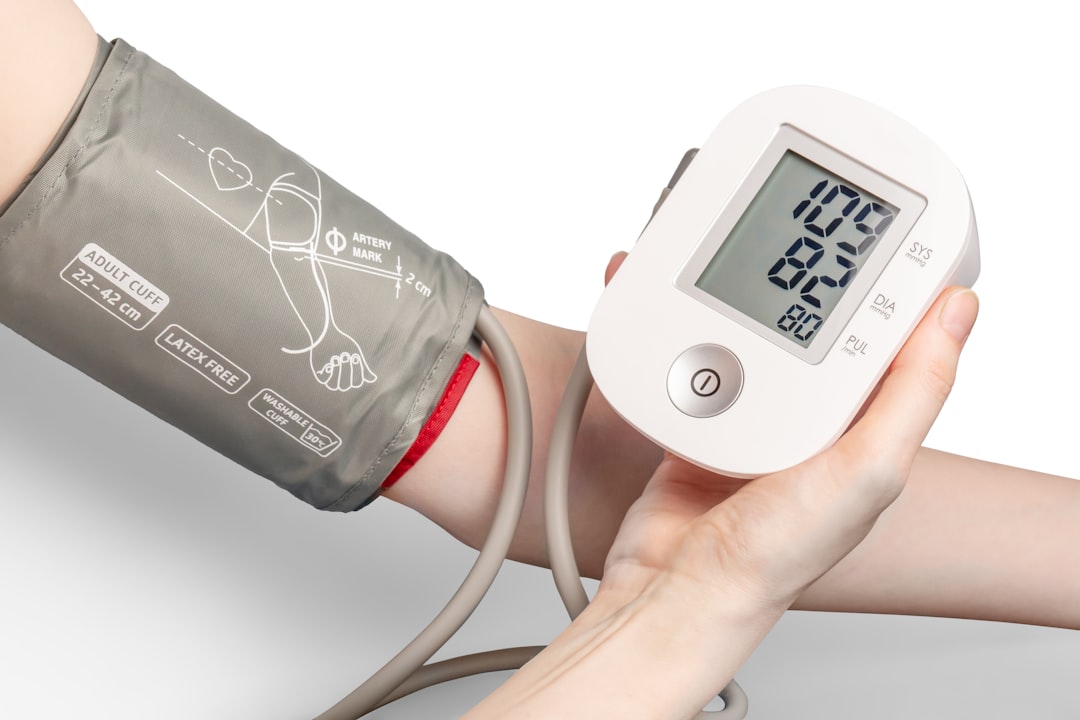
Systolic blood pressure is a critical component of overall cardiovascular health. It represents the pressure in arteries when the heart contracts, pushing blood through the circulatory system. This measurement is expressed in millimeters of mercury (mmHg) and is typically the higher number in a blood pressure reading.
For example, in a reading of 120/80 mmHg, 120 represents the systolic pressure. This measurement provides important information about cardiac function and blood delivery efficiency to organs and tissues. Systolic blood pressure reflects the force exerted by circulating blood against arterial walls.
This pressure fluctuates based on various factors, including physical activity, stress levels, and time of day. With aging, arteries often become less elastic, potentially leading to higher systolic readings. Monitoring this vital sign is particularly important for maintaining health as individuals age.
Key Takeaways
- Systolic blood pressure measures the force of blood against artery walls during heartbeats and varies with age.
- Normal systolic blood pressure for seniors typically ranges between 90 and 120 mmHg, but this can shift with aging.
- Both high and low systolic blood pressure pose significant health risks for seniors, including heart disease and dizziness.
- Regular monitoring and lifestyle changes, such as diet and exercise, are crucial for managing systolic blood pressure in older adults.
- Medication management and timely medical attention are essential to maintain safe systolic blood pressure levels in seniors.
Normal Systolic Blood Pressure Range
The normal range for systolic blood pressure is generally considered to be between 90 and 120 mmHg. When your systolic pressure falls within this range, it indicates that your heart is functioning efficiently and that your arteries are healthy. However, it’s important to note that what is considered “normal” can vary slightly depending on individual health conditions and lifestyle factors.
For instance, some healthcare professionals may suggest that a systolic reading below 130 mmHg is acceptable for most adults, while others may have stricter guidelines. Understanding where you fall within this range can help you take proactive steps toward maintaining or improving your cardiovascular health. Regular monitoring of your blood pressure can provide valuable insights into your overall well-being.
If you find that your systolic readings consistently fall outside the normal range, it may be time to consult with a healthcare professional to discuss potential lifestyle changes or treatments.
How Systolic Blood Pressure Changes with Age
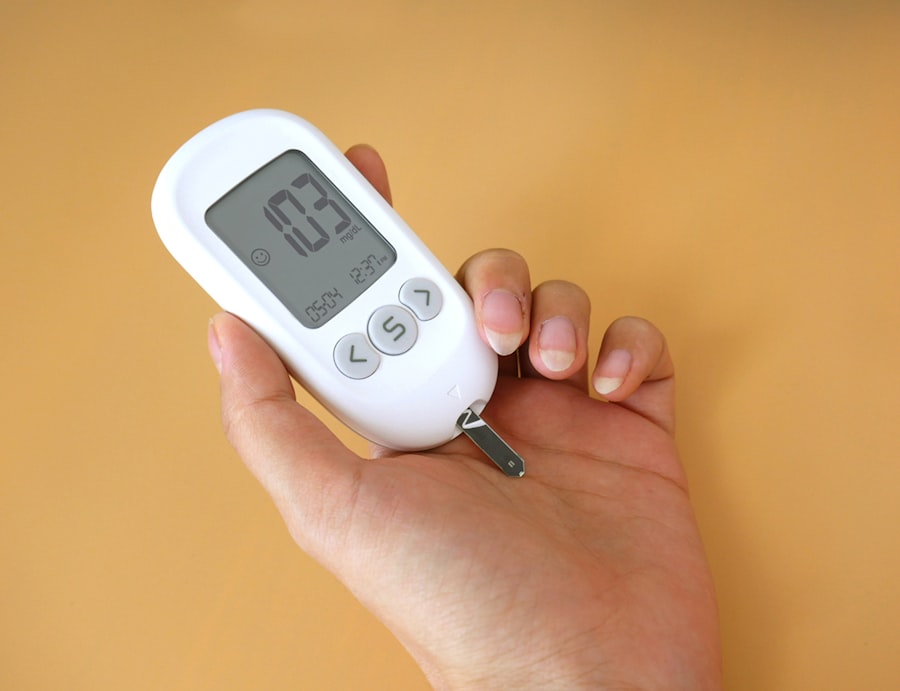
As you age, it’s common for your systolic blood pressure to gradually increase. This change can be attributed to several factors, including the natural stiffening of arteries and the accumulation of plaque within the arterial walls. These physiological changes can lead to higher resistance against blood flow, resulting in elevated systolic readings.
It’s not unusual for older adults to experience systolic pressures that exceed 140 mmHg, which may be classified as hypertension. Understanding this trend is crucial for seniors, as elevated systolic blood pressure can significantly impact overall health. Regular monitoring becomes increasingly important as you age, allowing you to identify any concerning trends early on.
By being aware of how your systolic blood pressure changes over time, you can take proactive measures to manage it effectively.
Risks of High Systolic Blood Pressure in Seniors
High systolic blood pressure poses several risks, particularly for seniors. One of the most significant concerns is the increased likelihood of cardiovascular diseases, such as heart attacks and strokes. When your systolic pressure remains elevated over time, it places undue strain on your heart and blood vessels, leading to potential damage.
This damage can manifest in various ways, including heart failure or kidney problems. In addition to cardiovascular risks, high systolic blood pressure can also contribute to cognitive decline in older adults. Research has shown that hypertension may be linked to an increased risk of dementia and other cognitive impairments.
Risks of Low Systolic Blood Pressure in Seniors
| Age Group | Safe Systolic Blood Pressure Range (mm Hg) | Notes |
|---|---|---|
| 60-69 years | 120-139 | Optimal range to reduce cardiovascular risk |
| 70-79 years | 130-149 | Higher targets may be acceptable depending on health status |
| 80 years and older | 140-160 | Individualized targets recommended; avoid too low to prevent falls |
While high systolic blood pressure is often a focus of concern, low systolic readings can also pose significant risks for seniors. Hypotension, or low blood pressure, can lead to dizziness, fainting, and falls—issues that are particularly dangerous for older adults who may already be at risk for fractures or other injuries. When your systolic pressure drops too low, it can result in inadequate blood flow to vital organs, leading to serious complications.
Moreover, low systolic blood pressure can be indicative of underlying health issues such as dehydration, heart problems, or endocrine disorders.
They can help determine the cause and recommend appropriate interventions to ensure your safety and well-being.
Factors Affecting Systolic Blood Pressure in Seniors
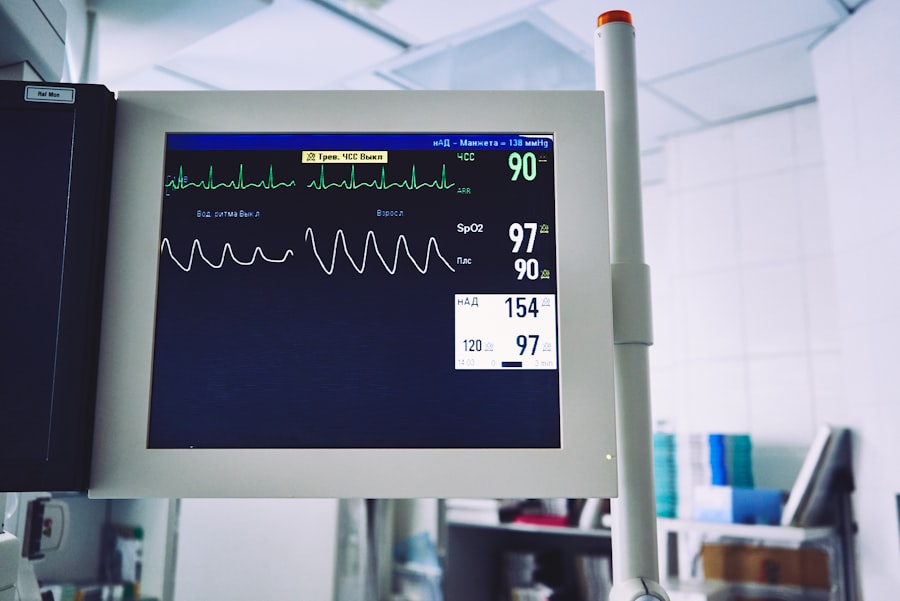
Several factors can influence your systolic blood pressure as you age. Lifestyle choices play a significant role; for instance, diet and exercise habits can greatly impact your cardiovascular health. A diet high in sodium and saturated fats can contribute to elevated blood pressure levels, while regular physical activity can help maintain healthy readings.
Additionally, weight management is crucial; being overweight or obese increases the strain on your heart and can lead to higher systolic pressures. Other factors include medication use and existing health conditions. Certain medications may affect blood pressure levels, either raising or lowering them depending on their purpose.
Chronic conditions such as diabetes or kidney disease can also have a direct impact on your blood pressure readings. Understanding these factors allows you to take a more comprehensive approach to managing your systolic blood pressure effectively.
Monitoring Systolic Blood Pressure in Seniors
Regular monitoring of your systolic blood pressure is essential for maintaining optimal health as you age. Home blood pressure monitors are widely available and can provide a convenient way for you to keep track of your readings between doctor visits. By measuring your blood pressure at different times throughout the day and under various conditions—such as after exercise or during periods of stress—you can gain valuable insights into how your body responds to different stimuli.
It’s also important to keep a record of your readings and share them with your healthcare provider during appointments. This information can help them assess trends over time and make informed decisions regarding your treatment plan. If you notice any significant changes in your readings or experience symptoms such as headaches or dizziness, don’t hesitate to reach out for professional guidance.
Lifestyle Changes to Maintain Safe Systolic Blood Pressure
Making lifestyle changes can have a profound impact on maintaining safe systolic blood pressure levels. One of the most effective strategies is adopting a heart-healthy diet rich in fruits, vegetables, whole grains, lean proteins, and healthy fats. Reducing sodium intake is particularly important; aim for less than 2,300 mg per day or even lower if recommended by your healthcare provider.
Incorporating regular physical activity into your routine is another key factor in managing blood pressure. Aim for at least 150 minutes of moderate aerobic exercise each week—activities like walking, swimming, or cycling can be beneficial. Additionally, managing stress through techniques such as mindfulness meditation or yoga can help lower blood pressure levels by promoting relaxation and reducing tension.
Medication Management for Systolic Blood Pressure in Seniors
For some seniors, lifestyle changes alone may not be sufficient to manage systolic blood pressure effectively. In such cases, medication may be necessary to help control elevated readings. There are various classes of antihypertensive medications available, each with its own mechanism of action and potential side effects.
Your healthcare provider will work with you to determine the most appropriate medication based on your individual health profile and any other medications you may be taking. It’s crucial to adhere to prescribed medication regimens and communicate openly with your healthcare provider about any side effects or concerns you may have. Regular follow-ups will allow for adjustments as needed and ensure that you are receiving optimal care tailored to your specific needs.
When to Seek Medical Attention for Systolic Blood Pressure Concerns
Knowing when to seek medical attention for systolic blood pressure concerns is vital for maintaining your health as a senior. If you consistently record high systolic readings—typically above 140 mmHg—it’s essential to consult with a healthcare professional for further evaluation and management options. Additionally, if you experience symptoms such as severe headaches, chest pain, shortness of breath, or vision changes alongside high readings, seek immediate medical attention.
Conversely, if you notice symptoms associated with low blood pressure—such as dizziness or fainting—it’s equally important to reach out for help. These symptoms could indicate an underlying issue that requires prompt attention. Being proactive about your health will empower you to take control of your cardiovascular well-being.
Maintaining Safe Systolic Blood Pressure for Seniors
Maintaining safe systolic blood pressure levels is crucial for seniors looking to preserve their overall health and quality of life. By understanding what systolic blood pressure means and how it changes with age, you can take proactive steps toward managing it effectively. Regular monitoring, lifestyle changes, and medication management are all essential components of a comprehensive approach to maintaining healthy blood pressure levels.
As you navigate the complexities of aging and health management, remember that knowledge is power. By staying informed about the factors affecting your systolic blood pressure and recognizing when to seek medical attention, you can take charge of your cardiovascular health and enjoy a fulfilling life well into your senior years.
Maintaining a safe systolic blood pressure is crucial for seniors to reduce the risk of cardiovascular diseases and other health complications. For more insights on this topic, you can refer to the article available at Explore Senior Health, which provides valuable information on managing blood pressure effectively in older adults.
FAQs
What is considered a safe systolic blood pressure for seniors?
A safe systolic blood pressure for most seniors is generally considered to be below 130 mm Hg. However, individual targets may vary based on overall health, age, and medical conditions.
Why is monitoring systolic blood pressure important for seniors?
Monitoring systolic blood pressure is crucial for seniors because high blood pressure increases the risk of heart disease, stroke, kidney problems, and other health issues. Maintaining a safe level helps reduce these risks.
How does systolic blood pressure differ from diastolic blood pressure?
Systolic blood pressure measures the pressure in the arteries when the heart beats, while diastolic blood pressure measures the pressure when the heart is at rest between beats. Both are important for assessing cardiovascular health.
Can systolic blood pressure targets change with age?
Yes, systolic blood pressure targets can change with age. Older adults may have slightly higher target ranges due to changes in blood vessel elasticity, but treatment goals should be personalized by healthcare providers.
What lifestyle changes can help seniors maintain a safe systolic blood pressure?
Seniors can maintain safe systolic blood pressure by following a balanced diet low in salt, engaging in regular physical activity, managing stress, avoiding tobacco, limiting alcohol intake, and adhering to prescribed medications.
When should a senior seek medical advice regarding their systolic blood pressure?
Seniors should seek medical advice if their systolic blood pressure consistently reads above 130 mm Hg, if they experience symptoms like dizziness, chest pain, or shortness of breath, or if they have concerns about their blood pressure management.
Are there risks associated with too low systolic blood pressure in seniors?
Yes, systolic blood pressure that is too low (hypotension) can cause dizziness, fainting, and falls, which are particularly dangerous for seniors. Blood pressure targets should balance reducing cardiovascular risk without causing hypotension.
How often should seniors check their systolic blood pressure?
Seniors should check their blood pressure regularly, as advised by their healthcare provider. This may range from daily monitoring at home to periodic checks during medical visits, depending on their health status.