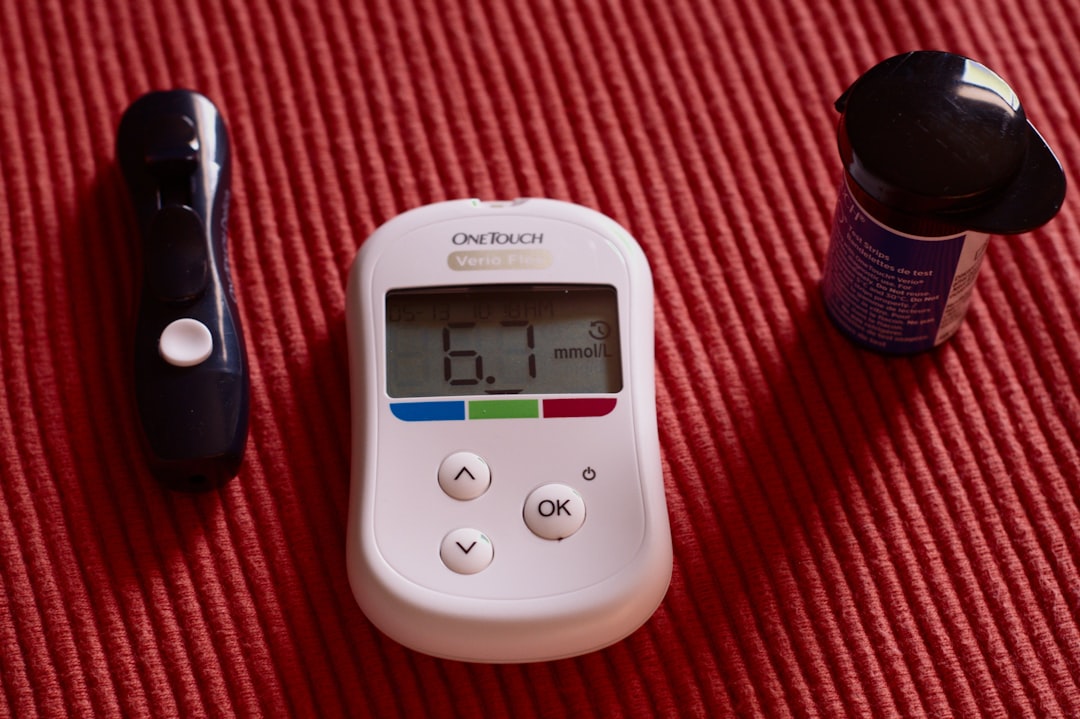
Systolic blood pressure is a critical indicator of cardiovascular health. It measures the pressure in arteries during heart contraction, when blood is pumped through the circulatory system. This measurement is expressed in millimeters of mercury (mmHg) and appears as the first number in a blood pressure reading.
For example, in a reading of 120/80 mmHg, 120 represents the systolic pressure. This measurement provides important information about cardiac function and blood delivery efficiency to organs and tissues. Systolic blood pressure reflects the force blood exerts against arterial walls during circulation.
This pressure varies based on multiple factors including physical activity, stress, and diurnal rhythms. Understanding systolic blood pressure helps individuals recognize its health significance and the importance of maintaining normal ranges. Abnormal values—either elevated or decreased—can indicate serious health conditions, highlighting the necessity of regular monitoring and management of this vital health parameter.
Key Takeaways
- Systolic blood pressure measures the force of blood against artery walls during heartbeats.
- Normal systolic blood pressure typically ranges between 90 and 120 mmHg.
- Both high and low systolic blood pressure pose significant health risks, especially for seniors.
- Lifestyle changes and medications are essential for maintaining safe systolic blood pressure levels in older adults.
- Regular monitoring and check-ups are crucial for preventing complications related to systolic blood pressure in seniors.
Normal Systolic Blood Pressure Range
The normal range for systolic blood pressure is generally considered to be between 90 and 120 mmHg. When your systolic pressure falls within this range, it indicates that your heart is functioning efficiently and that your arteries are healthy. Maintaining a systolic blood pressure within these parameters is crucial for reducing the risk of cardiovascular diseases, such as heart attacks and strokes.
It’s important to note that individual variations can occur based on age, sex, and overall health, but these figures serve as a reliable guideline for most adults. If you find that your systolic blood pressure consistently falls below 90 mmHg or exceeds 120 mmHg, it may be time to consult with a healthcare professional. Regular monitoring can help you understand where you stand in relation to these benchmarks.
By being aware of your numbers, you can take proactive steps to maintain or improve your cardiovascular health. Remember, knowledge is power when it comes to managing your blood pressure effectively.
High Systolic Blood Pressure and its Risks
High systolic blood pressure, often referred to as hypertension, occurs when your readings consistently exceed 130 mmHg. This condition can pose significant risks to your health, as it places extra strain on your heart and blood vessels. Over time, this increased pressure can lead to serious complications such as heart disease, kidney damage, and even stroke.
Understanding the implications of high systolic blood pressure is essential for taking control of your health and making informed decisions about lifestyle changes or medical interventions. The risks associated with high systolic blood pressure are particularly concerning for seniors. As you age, your arteries may become stiffer and less elastic, which can exacerbate hypertension.
This makes it even more critical for you to monitor your blood pressure regularly and seek medical advice if you notice elevated readings. By addressing high systolic blood pressure early on, you can significantly reduce the likelihood of developing severe health issues down the line.
Low Systolic Blood Pressure and its Risks
On the other end of the spectrum lies low systolic blood pressure, or hypotension, which is defined as a reading below 90 mmHg. While it may seem less concerning than hypertension, low systolic blood pressure can also lead to various health complications. Symptoms such as dizziness, fainting, and fatigue can arise when your blood pressure drops too low, indicating that your organs may not be receiving adequate blood flow.
This condition can be particularly dangerous for seniors, who may already be at risk for falls and other injuries. Low systolic blood pressure can result from several factors, including dehydration, certain medications, or underlying health conditions such as heart problems or endocrine disorders. If you experience symptoms associated with hypotension or have consistently low readings, it’s essential to consult with a healthcare professional.
They can help identify the underlying cause and recommend appropriate treatment options to ensure that your blood pressure remains within a safe range.
Safe Systolic Blood Pressure Range for Seniors
| Age Group | Safe Systolic Blood Pressure Range (mm Hg) | Notes |
|---|---|---|
| 60-69 years | 120-139 | Optimal range to reduce cardiovascular risk |
| 70-79 years | 130-149 | Higher targets may be acceptable based on health status |
| 80 years and older | 130-150 | Individualized targets recommended; avoid hypotension |
For seniors, maintaining a safe systolic blood pressure range is crucial for overall health and well-being. While the general guideline for normal systolic blood pressure remains between 90 and 120 mmHg, many healthcare professionals suggest that seniors aim for slightly higher targets—typically around 130 mmHg—due to age-related changes in vascular health. This adjusted target acknowledges that older adults may experience natural fluctuations in their blood pressure and that slightly higher readings may still be considered safe.
It’s important for you to work closely with your healthcare provider to determine the most appropriate target for your individual circumstances. Factors such as existing health conditions, medications, and overall lifestyle will play a role in establishing what constitutes a safe systolic blood pressure range for you. Regular monitoring and open communication with your healthcare team will empower you to make informed decisions about managing your blood pressure effectively.
Factors Affecting Systolic Blood Pressure in Seniors
Several factors can influence systolic blood pressure in seniors, making it essential for you to be aware of these variables. Age-related changes in the cardiovascular system often lead to increased stiffness in arteries, which can elevate systolic readings. Additionally, lifestyle factors such as diet, physical activity levels, and stress management play significant roles in determining your blood pressure levels.
For instance, a diet high in sodium can contribute to hypertension, while regular exercise can help lower it. Medications are another critical factor affecting systolic blood pressure in seniors. Many older adults take multiple medications for various health conditions, which can interact with one another and impact blood pressure readings.
It’s vital for you to keep an updated list of all medications you are taking and discuss any concerns with your healthcare provider. By understanding these influencing factors, you can take proactive steps to manage your systolic blood pressure effectively.
Monitoring Systolic Blood Pressure
Regular monitoring of your systolic blood pressure is essential for maintaining optimal cardiovascular health. You can measure your blood pressure at home using a digital monitor or visit a healthcare professional for regular check-ups. Home monitoring allows you to track fluctuations over time and provides valuable data that can inform discussions with your doctor about potential lifestyle changes or medication adjustments.
When monitoring at home, it’s important to follow specific guidelines to ensure accurate readings. Sit quietly for at least five minutes before taking a measurement, keep your arm at heart level, and avoid caffeine or smoking beforehand. By establishing a routine for monitoring your systolic blood pressure, you empower yourself with knowledge about your health status and can take timely action if any concerning trends arise.
Lifestyle Changes to Maintain Safe Systolic Blood Pressure
Making lifestyle changes can significantly impact your ability to maintain safe systolic blood pressure levels. One of the most effective strategies is adopting a heart-healthy diet rich in fruits, vegetables, whole grains, lean proteins, and healthy fats while minimizing sodium intake. The DASH (Dietary Approaches to Stop Hypertension) diet is particularly beneficial for lowering high blood pressure and promoting overall cardiovascular health.
Aim for at least 150 minutes of moderate-intensity exercise each week—activities like walking, swimming, or cycling can help lower systolic blood pressure effectively. Furthermore, managing stress through techniques such as mindfulness meditation or yoga can also contribute positively to your overall well-being and help regulate your blood pressure levels.
Medications for Controlling Systolic Blood Pressure
In some cases, lifestyle changes alone may not be sufficient to control high systolic blood pressure effectively. If this is true for you, your healthcare provider may prescribe medications designed specifically to lower blood pressure. Common classes of antihypertensive medications include diuretics, ACE inhibitors, beta-blockers, and calcium channel blockers.
Each class works differently to help manage your blood pressure levels. It’s essential to adhere strictly to any prescribed medication regimen and communicate openly with your healthcare provider about any side effects or concerns you may have.
Remember that managing high systolic blood pressure often requires a combination of medication and lifestyle changes for optimal results.
Risks of Uncontrolled Systolic Blood Pressure in Seniors
Uncontrolled systolic blood pressure poses significant risks for seniors that cannot be overlooked. Chronic hypertension can lead to severe complications such as heart disease, stroke, kidney failure, and vision loss due to damage to the retina from high-pressure levels. These conditions not only affect quality of life but can also lead to increased healthcare costs and dependence on others for daily activities.
Moreover, uncontrolled low systolic blood pressure can result in inadequate blood flow to vital organs, leading to symptoms like dizziness or fainting spells that increase the risk of falls—a major concern among older adults. By understanding these risks associated with uncontrolled systolic blood pressure, you are better equipped to take proactive measures in managing your cardiovascular health effectively.
Importance of Regular Check-ups for Seniors’ Systolic Blood Pressure
Regular check-ups are vital for seniors when it comes to monitoring systolic blood pressure effectively. These appointments provide an opportunity for healthcare providers to assess not only your current readings but also any underlying health issues that may affect your cardiovascular system. During these visits, you can discuss any symptoms or concerns you may have experienced since your last appointment.
Additionally, regular check-ups allow for timely adjustments in treatment plans—whether that involves changing medications or recommending further lifestyle modifications based on recent trends in your blood pressure readings. By prioritizing these appointments and maintaining open communication with your healthcare team, you empower yourself to take charge of your health and ensure that any potential issues are addressed promptly. In conclusion, understanding systolic blood pressure is essential for maintaining good health as you age.
By being proactive about monitoring and managing this vital sign through lifestyle changes and regular check-ups with healthcare professionals, you can significantly reduce the risks associated with both high and low readings while promoting overall well-being.
Maintaining a safe systolic blood pressure is crucial for seniors to reduce the risk of cardiovascular diseases and other health complications. For more insights on this topic, you can refer to the article available on Explore Senior Health, which provides valuable information on managing blood pressure effectively. To read more, visit Explore Senior Health.
FAQs
What is considered a safe systolic blood pressure for seniors?
A safe systolic blood pressure for most seniors is generally considered to be below 130 mm Hg. However, individual targets may vary based on overall health, presence of other medical conditions, and a healthcare provider’s recommendations.
Why is monitoring systolic blood pressure important for seniors?
Monitoring systolic blood pressure is crucial for seniors because high systolic pressure increases the risk of heart disease, stroke, and other cardiovascular problems. Maintaining a safe level helps reduce these risks and promotes overall health.
How does aging affect systolic blood pressure?
As people age, arteries tend to become stiffer, which can cause systolic blood pressure to rise. This natural change makes it important for seniors to regularly check their blood pressure and manage it appropriately.
What lifestyle changes can help maintain a safe systolic blood pressure in seniors?
Lifestyle changes such as a balanced diet low in salt, regular physical activity, maintaining a healthy weight, limiting alcohol intake, and avoiding smoking can help seniors maintain a safe systolic blood pressure.
When should seniors seek medical advice about their systolic blood pressure?
Seniors should consult a healthcare provider if their systolic blood pressure consistently measures above 130 mm Hg or if they experience symptoms like headaches, dizziness, chest pain, or shortness of breath.
Can medications help control systolic blood pressure in seniors?
Yes, medications prescribed by a healthcare provider can effectively help control systolic blood pressure in seniors, especially when lifestyle changes alone are insufficient.
Is a lower systolic blood pressure always better for seniors?
Not necessarily. While lower systolic blood pressure reduces cardiovascular risk, excessively low levels can cause dizziness, falls, or inadequate blood flow to organs. Blood pressure targets should be individualized.
How often should seniors check their systolic blood pressure?
Seniors should check their blood pressure regularly, as advised by their healthcare provider. This may range from daily monitoring at home to periodic checks during medical visits, depending on their health status.