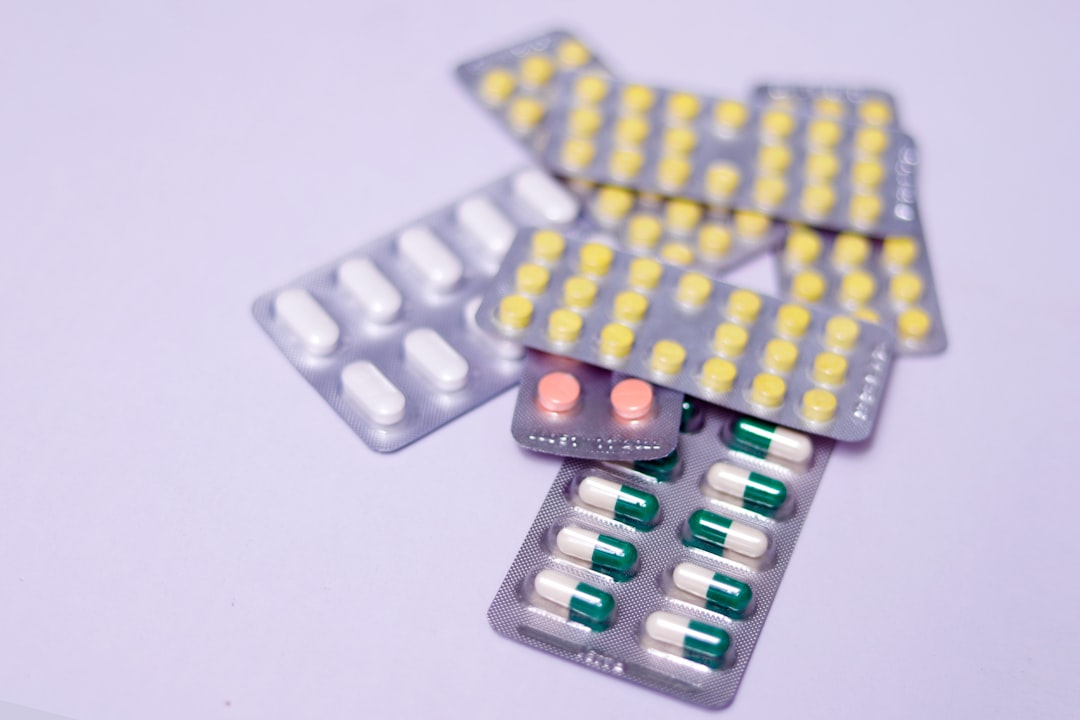
You’re likely aware that as you get older, your body changes. These changes can sometimes make it necessary to adjust the medications you take. Perhaps a new health concern has arisen, or an existing medication is no longer proving as effective or is causing unwelcome side effects. Whatever the reason, when you need to switch medications, doing so safely is paramount. This isn’t about finding a “miracle cure” or a “wonder drug”; it’s about making informed choices that maintain or improve your health while minimizing potential risks. This guide is designed to equip you with the knowledge to navigate medication swaps with confidence, working collaboratively with your healthcare providers to ensure the best possible outcome.
Switching medications isn’t a simple one-for-one replacement. There are complex factors at play that require careful consideration. Your body’s ability to metabolize and eliminate drugs can shift with age, meaning a dose that was once appropriate might become too high or too low. Furthermore, the interactions between different medications, including over-the-counter remedies and supplements, become more critical. A seemingly minor change can have ripple effects throughout your system.
The Role of Age in Medication Metabolism
As you age, your physiological processes can slow down. This includes the function of your liver and kidneys, the primary organs responsible for breaking down and clearing medications from your body. A slower metabolism means drugs may stay in your system for longer periods, increasing the risk of accumulation and the potential for adverse effects. This is why a medication that was safe and effective in your 50s might require a different dosage or even a different drug altogether in your 70s or 80s. Understanding this fundamental biological shift is the first step in appreciating the need for careful medication management.
Potential for Drug Interactions
You might be taking multiple medications for various conditions, a common scenario for many seniors. Each medication has its own profile of potential interactions with other drugs. When you introduce a new medication, or replace an existing one, you are essentially changing the chemical landscape within your body. This can lead to:
- Additive effects: Two drugs work together to produce a stronger effect than either would alone, potentially leading to over-sedation, excessive bleeding, or other dangerous outcomes.
- Antagonistic effects: One drug can reduce the effectiveness of another, leading to a loss of therapeutic benefit for one or both conditions.
- Increased toxicity: A new drug might interfere with the metabolism or excretion of another, leading to dangerously high levels of the original drug in your bloodstream.
It is crucial to remember that interactions are not limited to prescription drugs. Over-the-counter medications, herbal supplements, and even certain foods can all play a role in how your body processes pharmaceuticals.
The Importance of Consistent Monotoring
The effectiveness and safety of any medication, especially when making a switch, rely heavily on regular monitoring. This involves not just checking if the new medication is working, but also looking for any signs of new problems or worsening of existing ones. This proactive approach allows for timely adjustments to your treatment plan.
What Constitutes Effective Monitoring?
Monitoring goes beyond simply taking a pill. It involves:
- Symptom tracking: Keeping a detailed log of any changes you experience, both positive and negative. This includes new complaints, changes in existing symptoms, and general well-being.
- Scheduled appointments: Attending all your doctor’s appointments as scheduled. These are vital opportunities for your healthcare provider to assess your progress and address any concerns.
- Laboratory tests: Your doctor may order blood work or other tests to check specific markers, such as kidney or liver function, or drug levels in your blood.
- Observing for side effects: Being aware of common and uncommon side effects associated with both the old and new medications is essential.
For seniors looking to ensure their medication management is both safe and effective, exploring safer medication swaps can be crucial. A related article that provides valuable insights on this topic is available at Explore Senior Health. This resource offers guidance on how to navigate medication changes, potential interactions, and the importance of consulting healthcare professionals to optimize health outcomes for older adults.
Consulting Your Healthcare Team: The Cornerstone of Safe Swaps
You are not alone in navigating medication changes. Your healthcare team, comprising your primary care physician, specialists, and pharmacists, is your most valuable resource. Open and honest communication with them is not optional; it’s a fundamental requirement for safe and effective medication management.
Discussing Your Medical History Thoroughly
Before any medication swap, it’s imperative to have a comprehensive discussion about your entire medical history with your doctor. This includes not just current diagnoses and medications, but also past illnesses, allergies, and any previous adverse reactions to medications.
Key Information to Share:
- All current prescriptions: Bring a complete list of all your current prescription medications, including the dosage and how often you take them.
- Over-the-counter medications and supplements: Don’t forget to mention any vitamins, herbal remedies, or over-the-counter pain relievers, cold medicines, or antacids you use regularly.
- Allergies: Have you ever had a bad reaction to any medication, including rashes, hives, difficulty breathing, or gastrointestinal issues?
- Past medical conditions: Disclose any significant past illnesses or surgeries, even if they seem unrelated to your current concerns.
- Lifestyle factors: Be open about your diet, alcohol consumption, and smoking habits, as these can influence medication effectiveness and safety.
Understanding the Rationale for the Change
It’s your right to understand why a medication swap is being recommended. Don’t hesitate to ask clarifying questions. A direct and informed approach leads to greater adherence and better outcomes.
Questions to Ask Your Doctor:
- “Why is this new medication being recommended instead of my current one?”
- “What are the potential benefits of this new medication for my specific condition?”
- “Are there any potential risks or side effects I should be aware of with this new medication?”
- “How will this new medication interact with my other current medications?”
- “What is the expected timeline for this new medication to start working?”
- “What symptoms should I be looking out for that might indicate the new medication is not working or is causing problems?”
The Pharmacist’s Crucial Role
Your pharmacist is a medication expert and an indispensable member of your healthcare team. They are readily available for questions about drug interactions, proper administration, and potential side effects.
Leveraging Your Pharmacist’s Expertise:
- Drug interaction checks: Your pharmacist can perform comprehensive checks for interactions between all your medications, including those you might have overlooked sharing with your doctor.
- Dosage clarification: They can confirm correct dosages and how to take your medication (e.g., with or without food, time of day).
- Side effect management: If you experience side effects, your pharmacist can offer advice on managing them or suggest when to contact your doctor.
- Understanding generic vs. brand-name drugs: They can explain the differences and similarities between generic and brand-name medications and address any concerns you may have.
Strategies for a Smooth Transition

A successful medication swap involves more than just getting a new prescription. It requires a well-planned approach to minimize disruption and ensure continuity of care. This involves careful planning of the switch itself and diligent follow-up.
Gradual Tapering and Cross-Over Periods
In many cases, abruptly stopping one medication and immediately starting another can lead to withdrawal symptoms or a sudden worsening of your condition. Your doctor may recommend a gradual tapering off the old medication while simultaneously introducing the new one, often with a period where you might be taking both, at reduced doses.
When is Gradual Transition Necessary?
- Certain classes of drugs: Medications like antidepressants, blood pressure medications, and some pain relievers often require gradual tapering.
- Managing withdrawal symptoms: Abrupt cessation of some drugs can lead to physical and psychological withdrawal effects, which can be unpleasant and even dangerous.
- Minimizing rebound effects: Some conditions might temporarily worsen when a medication is stopped abruptly, a phenomenon known as a rebound effect.
Dosage Adjustments and Titration
Once you start a new medication, the initial dose may not be the optimal one for you. Many medications require a titration period, where the dosage is gradually increased (or sometimes decreased) over time until the desired therapeutic effect is achieved with minimal side effects.
The Concept of Titration:
- Finding the minimum effective dose: The goal is to find the lowest possible dose that effectively manages your condition.
- Monitoring for efficacy and tolerability: Your doctor will assess how well the medication is working and how you are tolerating it at each dosage level.
- Individualized approach: Titration schedules are highly individualized and depend on the specific drug, your condition, and your body’s response.
Close Follow-Up and Patient Education
The transition period is critical, and close follow-up with your healthcare team is essential. Proactive education empowers you to be an active participant in your care.
The Importance of Proactive Education:
- Understanding your new medication: Know its name, purpose, dosage, how to take it, and potential side effects.
- Recognizing warning signs: Be aware of any symptoms that require immediate medical attention.
- Knowing when to contact your doctor: Establish clear guidelines for when to call your doctor or pharmacist.
Recognizing and Managing Potential Side Effects
Even with the most careful planning, side effects can occur. Being prepared to identify and manage them is key to a successful medication swap. Early intervention can prevent minor issues from becoming significant health concerns.
Common vs. Serious Side Effects
It’s important to distinguish between minor, manageable side effects and those that warrant immediate medical attention. Your doctor or pharmacist can help you understand this distinction for your specific medications.
Examples of Side Effects:
- Common (often manageable): Dry mouth, mild nausea, drowsiness, minor skin irritation.
- Serious (require immediate medical attention): Severe allergic reactions (difficulty breathing, swelling), chest pain, significant dizziness, vision changes, unusual bleeding or bruising, severe abdominal pain.
Reporting Side Effects Promptly
Don’t downplay or ignore any new or unusual symptoms you experience. Prompt reporting to your healthcare provider allows for timely adjustments to your treatment plan.
What to Report:
- New symptoms: Any symptom that wasn’t present before starting the new medication.
- Worsening of existing symptoms: If a pre-existing condition seems to be getting worse.
- Unpleasant but manageable symptoms: Even if not immediately dangerous, these can impact your quality of life.
- Changes in mood or behavior: Some medications can affect mental health.
Strategies for Managing Minor Side Effects
Often, minor side effects can be managed with simple adjustments or supportive measures.
Practical Management Tips:
- For dry mouth: Sip water frequently, chew sugar-free gum, or use artificial saliva products.
- For mild nausea: Take medication with food, avoid greasy or spicy foods, and try eating smaller, more frequent meals.
- For drowsiness: Avoid driving or operating heavy machinery until you know how the medication affects you, and consider taking it before bedtime if appropriate.
As the population of seniors continues to grow, ensuring their safety during medication swaps becomes increasingly important. A related article discusses various strategies to facilitate safer medication transitions for older adults, providing valuable insights for caregivers and healthcare professionals alike. For more information on this topic, you can read the full article on safer medication practices for seniors at Explore Senior Health. This resource emphasizes the need for clear communication and thorough medication reviews to minimize risks associated with changes in prescriptions.
Long-Term Medication Management and Review
| Medication | Potential Side Effects | Alternative Medication |
|---|---|---|
| Warfarin | Bleeding risk | Rivaroxaban |
| Diazepam | Increased fall risk | Buspirone |
| Metoprolol | Bradycardia | Carvedilol |
Medication management is not a one-time event; it’s an ongoing process. Regular reviews of your medication regimen are crucial to ensure its continued appropriateness and effectiveness.
The Need for Regular Medication Reviews
As your health status evolves, so too should your medication. What was effective a year ago may no longer be the best approach today.
Benefits of Regular Reviews:
- Identifying unnecessary medications: Polypharmacy (taking multiple medications) is a common concern, and reviews can help eliminate drugs that are no longer needed.
- Optimizing dosages: Your body’s response to medication can change over time, necessitating dosage adjustments.
- Detecting new interactions: As new medications are added or lifestyle factors change, new drug interactions can emerge.
- Ensuring adherence: Reviews provide an opportunity to address any challenges you might be facing with taking your medications as prescribed.
Creating a Comprehensive Medication List
Maintaining an up-to-date and accurate list of all your medications is fundamental to good medication management.
What Your List Should Include:
- Medication name: Both brand and generic names.
- Dosage: The amount of the medication you take.
- Frequency: How often you take it.
- Route of administration: (e.g., oral, topical, injection).
- Indication: Why you are taking it.
- Prescribing physician: Who prescribed it.
- Start date: When you began taking it.
Proactive Planning for Future Health Needs
As you age, you may face new health challenges or require different types of care. Being prepared with a clear understanding of your current medications will make these transitions smoother. This proactive approach to medication management contributes significantly to your overall health and well-being.
FAQs
What are safer medication swaps for seniors?
Safer medication swaps for seniors refer to the process of changing a medication to a safer alternative that has fewer side effects, lower risk of interactions, and is better suited for the individual’s age and health condition.
Why are safer medication swaps important for seniors?
Safer medication swaps are important for seniors because as people age, their bodies may become more sensitive to certain medications, and they may be at a higher risk for adverse drug reactions and interactions. Safer medication swaps can help reduce these risks and improve overall health outcomes.
How can healthcare professionals ensure safer medication swaps for seniors?
Healthcare professionals can ensure safer medication swaps for seniors by conducting a thorough review of the individual’s medical history, current medications, and any potential drug interactions. They can also consider the senior’s age, kidney and liver function, and any other health conditions before making a medication swap.
What are some common examples of safer medication swaps for seniors?
Common examples of safer medication swaps for seniors may include switching from a medication with a high risk of falls to one with a lower risk, changing from a medication that causes drowsiness to a non-sedating alternative, or replacing a medication that may harm kidney function with a safer option.
What are the potential benefits of safer medication swaps for seniors?
The potential benefits of safer medication swaps for seniors include reduced risk of adverse drug reactions, improved medication adherence, better management of chronic conditions, and overall improved quality of life.