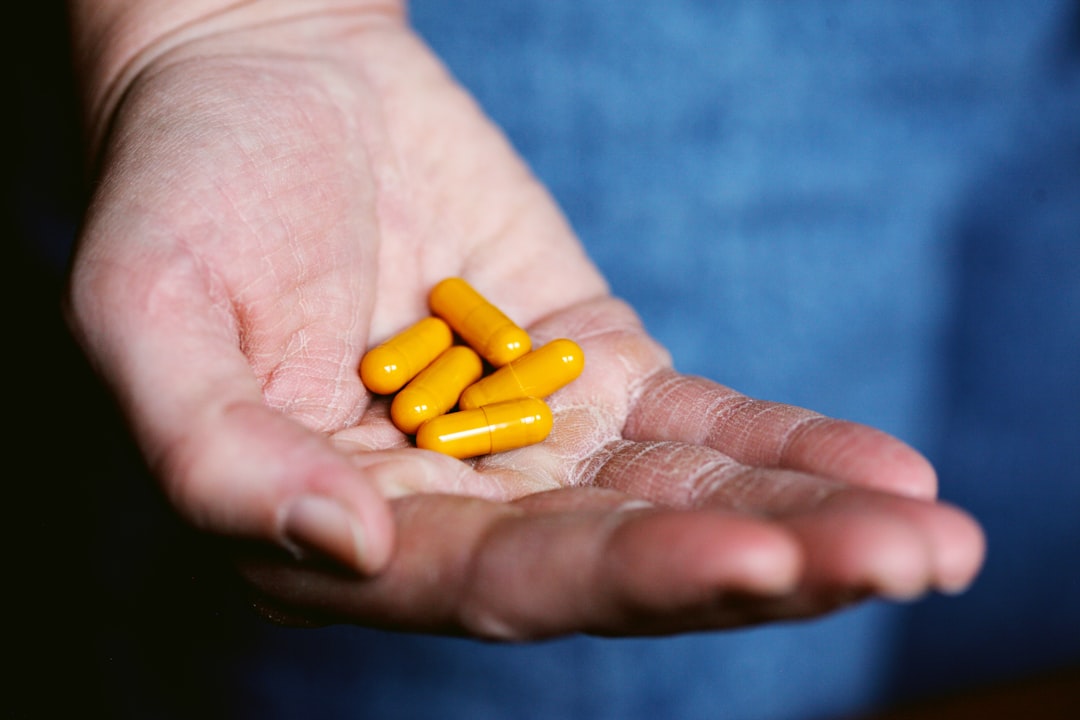
Chronic pain prevalence increases substantially with advancing age. Common sources include arthritis, neuropathy, and post-surgical complications. Effective pain management is essential for preserving quality of life in older adults.
Research indicates that multi-modal approaches often yield superior and more durable outcomes. Recent clinical evidence highlights distinct challenges in geriatric pain management.
Older adults demonstrate altered pharmacokinetics and pharmacodynamics compared to younger populations, affecting medication absorption, distribution, metabolism, and elimination. Age-related physiological changes, including decreased renal function, altered body composition, and increased medication sensitivity, require specialized treatment protocols. Additionally, polypharmacy and comorbid conditions common in elderly patients increase the risk of drug interactions and adverse effects.
These factors necessitate individualized treatment plans that balance therapeutic efficacy with safety considerations.
Key Takeaways
- Pain management in the elderly requires addressing unique challenges and risks associated with aging.
- Non-drug methods like exercise, physical therapy, and nutrition play a crucial role in relieving pain safely.
- Alternative therapies can complement traditional treatments to improve pain outcomes in older adults.
- Careful medication management is essential to minimize opioid risks and ensure safer pharmacological options.
- Holistic approaches that include mental health support enhance overall pain relief and quality of life for the elderly.
Common Pain Management Challenges in the Elderly Population
One of the primary challenges you may encounter in managing pain as an elderly individual is the presence of multiple chronic conditions. Many older adults suffer from comorbidities, which can complicate treatment plans. For instance, if you have arthritis and diabetes, the medications prescribed for one condition may adversely affect the other.
This interplay can make it difficult to find a balanced approach to pain relief that does not exacerbate other health issues. Additionally, cognitive decline is another significant factor that can hinder effective pain management in older adults. You might find it challenging to communicate your pain levels accurately or understand the instructions for medications.
This can lead to under-treatment or over-treatment of pain, both of which can have serious consequences. It’s crucial to have open lines of communication with healthcare providers who understand these challenges and can help you navigate them effectively.
Non-Pharmacological Pain Relief Options for the Elderly
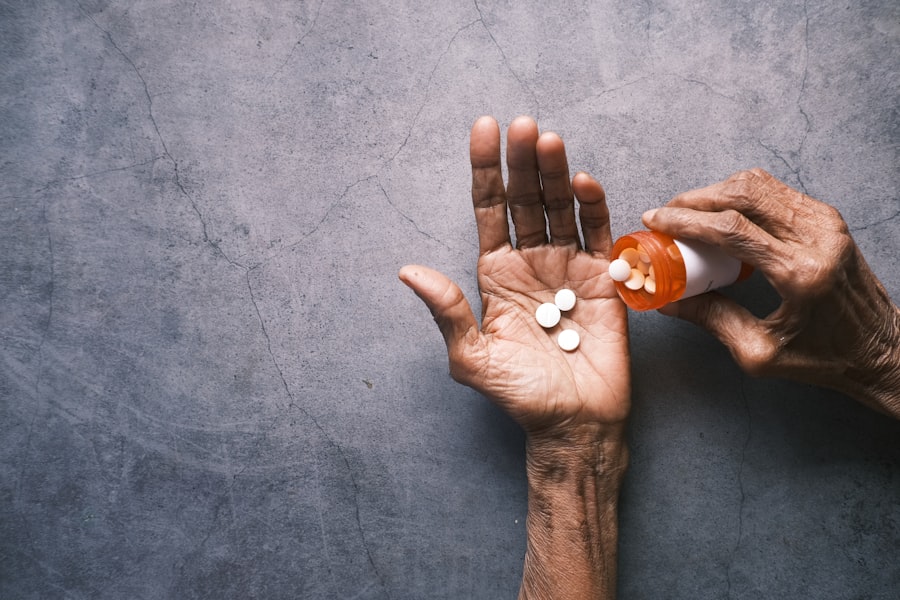
When considering pain relief options, you may want to explore non-pharmacological methods that can be effective without the risks associated with medications. Techniques such as mindfulness meditation, acupuncture, and massage therapy have gained popularity for their ability to alleviate pain without side effects. These approaches focus on enhancing your overall well-being and can be particularly beneficial if you are wary of taking medications.
Another valuable non-pharmacological option is cognitive-behavioral therapy (CBT). This therapeutic approach helps you develop coping strategies for managing pain and can significantly improve your quality of life. By changing negative thought patterns related to pain, you may find that your perception of discomfort diminishes.
Engaging in activities that promote relaxation and mental clarity can also contribute to a more holistic approach to pain management.
Importance of Exercise and Physical Therapy for Pain Management
Exercise is often touted as a cornerstone of effective pain management for older adults.
Low-impact exercises such as walking, swimming, or yoga can help strengthen muscles and improve flexibility, which is essential for reducing discomfort associated with conditions like arthritis.
Physical therapy is another critical component of managing pain through exercise. A trained physical therapist can design a personalized program tailored to your specific needs and limitations. They can guide you through exercises that not only alleviate pain but also enhance your overall physical function.
By committing to a regular exercise routine, you may find that your pain becomes more manageable over time, allowing you to engage in activities you enjoy.
The Role of Nutrition in Pain Relief for the Elderly
| Alternative Pain Relief | Effectiveness | Common Uses | Potential Side Effects | Notes for Elderly |
|---|---|---|---|---|
| Acetaminophen (Paracetamol) | Moderate | Mild to moderate pain, osteoarthritis | Liver toxicity (high doses) | Preferred over NSAIDs; monitor liver function |
| Topical NSAIDs (e.g., diclofenac gel) | Moderate | Localized joint pain, arthritis | Skin irritation, minimal systemic effects | Lower systemic risk than oral NSAIDs |
| Physical Therapy | Variable | Chronic musculoskeletal pain | Minimal | Improves mobility and reduces pain |
| Heat and Cold Therapy | Moderate | Muscle pain, stiffness | Skin irritation or burns if misused | Safe when used properly; monitor skin condition |
| Low-dose Opioids | High | Severe pain unresponsive to other treatments | Constipation, sedation, risk of dependence | Use with caution; monitor closely |
| Non-pharmacological Methods (e.g., acupuncture, massage) | Variable | Chronic pain management | Minimal | May complement other treatments |
| Gabapentinoids (e.g., gabapentin) | Moderate | Neuropathic pain | Dizziness, sedation | Start low, go slow; monitor for falls |
Nutrition plays a vital role in managing pain and inflammation in older adults. You may not realize that certain foods can either exacerbate or alleviate pain symptoms. For instance, incorporating anti-inflammatory foods such as fatty fish, nuts, fruits, and vegetables into your diet can help reduce inflammation in the body, potentially leading to decreased pain levels.
Moreover, staying hydrated is essential for overall health and can impact how your body responds to pain. Dehydration can lead to muscle cramps and fatigue, which may worsen your perception of pain. By focusing on a balanced diet rich in nutrients and staying adequately hydrated, you can create a supportive environment for your body to heal and manage discomfort more effectively.
Alternative Therapies for Pain Relief in the Elderly
In addition to traditional methods of pain management, alternative therapies have gained traction among older adults seeking relief from chronic pain. You might consider exploring options such as aromatherapy or herbal remedies, which have been used for centuries to promote relaxation and alleviate discomfort. Essential oils like lavender or peppermint can provide soothing effects when used in diffusers or topical applications.
Another alternative therapy worth considering is chiropractic care. Many older adults have found relief from musculoskeletal pain through spinal adjustments and manipulations performed by trained chiropractors. This hands-on approach can help realign the spine and improve overall mobility, contributing to a reduction in pain levels.
As with any treatment, it’s essential to consult with your healthcare provider before trying alternative therapies to ensure they are safe and appropriate for your specific situation.
Understanding the Risks of Opioid Use in the Elderly
While opioids may seem like a quick solution for managing severe pain, they come with significant risks, especially for older adults. You may be aware that this class of medications can lead to dependency and addiction, but they also pose other dangers such as increased risk of falls and cognitive impairment. As your body ages, it becomes more sensitive to medications, making it crucial to weigh the benefits against potential harms carefully.
Moreover, the elderly population often experiences polypharmacy—taking multiple medications simultaneously—which increases the risk of adverse drug interactions when opioids are involved. If you are prescribed opioids for pain management, it’s essential to have regular check-ins with your healthcare provider to monitor their effectiveness and any side effects you may experience.
Safer Pharmacological Pain Relief Options for the Elderly
Fortunately, there are safer pharmacological options available for managing pain in older adults without resorting to opioids. Nonsteroidal anti-inflammatory drugs (NSAIDs) like ibuprofen or naproxen can be effective for mild to moderate pain relief while posing fewer risks than opioids. However, it’s important to use these medications judiciously, as they can also have side effects such as gastrointestinal issues or kidney problems.
Acetaminophen is another commonly recommended option for older adults dealing with chronic pain. It is generally considered safer than NSAIDs when taken at appropriate doses. Always consult with your healthcare provider before starting any new medication regimen to ensure it aligns with your overall health needs and existing conditions.
Importance of Proper Medication Management for Elderly Patients
Effective medication management is crucial for older adults dealing with chronic pain. You may find that keeping track of multiple prescriptions can be overwhelming, but it’s essential for ensuring safety and efficacy in treatment. Utilizing pill organizers or medication management apps can help you stay organized and adhere to prescribed regimens.
Regular consultations with healthcare providers are also vital in managing medications effectively. These check-ins allow you to discuss any side effects or concerns you may have about your current treatment plan. Your healthcare provider can make necessary adjustments based on your feedback and overall health status, ensuring that you receive optimal care tailored specifically for you.
Addressing Mental Health and Emotional Well-being in Pain Management for the Elderly
Pain does not exist in isolation; it often intertwines with mental health issues such as depression and anxiety, particularly in older adults. You may find that chronic pain exacerbates feelings of isolation or hopelessness, making it even more challenging to cope with discomfort. Addressing mental health alongside physical pain is essential for achieving comprehensive relief.
Engaging in social activities or support groups can provide emotional support and help combat feelings of loneliness associated with chronic pain. Additionally, seeking professional help from therapists or counselors who specialize in geriatric care can equip you with coping strategies tailored to your unique situation. By prioritizing both mental health and physical well-being, you create a more balanced approach to managing pain effectively.
Holistic Approaches to Pain Relief for the Elderly
In conclusion, navigating the complexities of pain relief as an elderly individual requires a multifaceted approach that considers both physical and emotional well-being. By exploring non-pharmacological options alongside safer pharmacological alternatives, you empower yourself to take control of your pain management journey. Remember that effective communication with healthcare providers is key; they can guide you through various treatment options tailored specifically for your needs.
Ultimately, embracing a holistic approach that includes exercise, nutrition, alternative therapies, and mental health support will enhance your quality of life as you age. By prioritizing comprehensive care strategies, you can find effective ways to manage chronic pain while enjoying a fulfilling life filled with activities that bring you joy and satisfaction.
For elderly individuals seeking safer pain relief alternatives, it’s essential to explore various options that minimize the risk of side effects. A related article that provides valuable insights on this topic can be found at Explore Senior Health. This resource discusses different pain management strategies tailored for seniors, emphasizing the importance of personalized care and the potential benefits of non-pharmacological approaches.
FAQs
What are safer pain relief alternatives for the elderly?
Safer pain relief alternatives for the elderly include non-pharmacological methods such as physical therapy, acupuncture, heat and cold therapy, and relaxation techniques. When medication is necessary, options like acetaminophen or topical analgesics are often preferred over nonsteroidal anti-inflammatory drugs (NSAIDs) or opioids due to their lower risk of side effects.
Why is it important to consider safer pain relief options for elderly individuals?
Elderly individuals are more susceptible to side effects and complications from certain pain medications, such as gastrointestinal bleeding from NSAIDs or respiratory depression from opioids. Age-related changes in metabolism and the presence of multiple health conditions increase the risk of adverse reactions, making safer alternatives essential.
Are over-the-counter pain medications safe for elderly people?
Some over-the-counter pain medications, like acetaminophen, are generally considered safe when used as directed. However, NSAIDs such as ibuprofen and naproxen should be used cautiously due to increased risks of stomach ulcers, kidney damage, and cardiovascular issues in the elderly. It is important to consult a healthcare provider before starting any medication.
Can physical therapy help with pain management in the elderly?
Yes, physical therapy is an effective and safe method for managing pain in elderly individuals. It helps improve mobility, strengthen muscles, and reduce pain without the risks associated with medications. Tailored exercise programs can address specific pain conditions such as arthritis or back pain.
What role do topical pain relievers play in safer pain management for the elderly?
Topical pain relievers, such as creams, gels, or patches containing ingredients like capsaicin or lidocaine, provide localized pain relief with minimal systemic absorption. This reduces the risk of side effects and drug interactions, making them a safer option for elderly patients.
Are alternative therapies like acupuncture or massage effective for elderly pain relief?
Alternative therapies such as acupuncture and massage have been shown to provide pain relief for some elderly individuals, particularly for chronic conditions like osteoarthritis or neuropathic pain. These therapies are generally safe when performed by trained professionals and can be used alongside conventional treatments.
How can lifestyle changes contribute to safer pain management in the elderly?
Lifestyle changes such as maintaining a healthy weight, engaging in regular low-impact exercise, eating a balanced diet, and managing stress can help reduce pain and improve overall function. These non-drug approaches support long-term pain management and reduce reliance on medications.
When should an elderly person consult a healthcare provider about pain management?
An elderly person should consult a healthcare provider if pain is persistent, worsening, or interfering with daily activities. Professional evaluation is important to identify the underlying cause, develop a safe and effective pain management plan, and monitor for potential medication side effects or interactions.