
As you age, the importance of sleep cannot be overstated. Quality sleep is essential for maintaining overall health and well-being, particularly in the elderly population. Sleep aids can play a crucial role in helping you achieve restful nights, but safety must always be a priority.
With age, your body undergoes various changes that can affect sleep patterns, making it vital to choose sleep aids that are both effective and safe. The right sleep aid can help you fall asleep faster, stay asleep longer, and wake up feeling refreshed, which is essential for your physical and mental health. Moreover, safe sleep aids can significantly improve your quality of life.
When you experience restful sleep, you are more likely to have better cognitive function, improved mood, and enhanced physical health. This is particularly important as you navigate the challenges of aging. By prioritizing safe sleep aids, you can ensure that your sleep is restorative rather than disruptive, allowing you to engage more fully in daily activities and maintain your independence.
Key Takeaways
- Safe sleep aids are crucial for the elderly to ensure a peaceful and restful sleep, which is essential for overall health and well-being.
- Common sleep issues in the elderly population include insomnia, sleep apnea, and restless leg syndrome, which can significantly impact their quality of life.
- Conventional sleep aids for the elderly come with risks and dangers, including dependency, adverse side effects, and potential interactions with other medications.
- Natural and non-pharmacological sleep aids, such as melatonin, valerian root, and relaxation techniques, offer safer alternatives for improving sleep in the elderly.
- Herbal remedies and supplements, along with mindfulness practices and creating a comfortable sleep environment, can contribute to better sleep quality for the elderly without the risks associated with conventional sleep aids.
Common Sleep Issues in the Elderly Population
As you grow older, you may find that sleep issues become more prevalent. Insomnia, for instance, is a common complaint among the elderly, characterized by difficulty falling asleep or staying asleep. You might also experience frequent awakenings during the night or wake up too early in the morning.
These disturbances can lead to daytime fatigue, irritability, and a decline in overall health. Understanding these common sleep issues is the first step toward finding effective solutions. Another prevalent issue is sleep apnea, a condition that causes breathing interruptions during sleep.
This can lead to fragmented sleep and a host of other health problems if left untreated. Restless leg syndrome is another condition that can disrupt your sleep, causing uncomfortable sensations in your legs that make it difficult to relax. Recognizing these issues is crucial for addressing them effectively and ensuring that you can enjoy the restorative benefits of a good night’s sleep.
Risks and Dangers of Conventional Sleep Aids for the Elderly
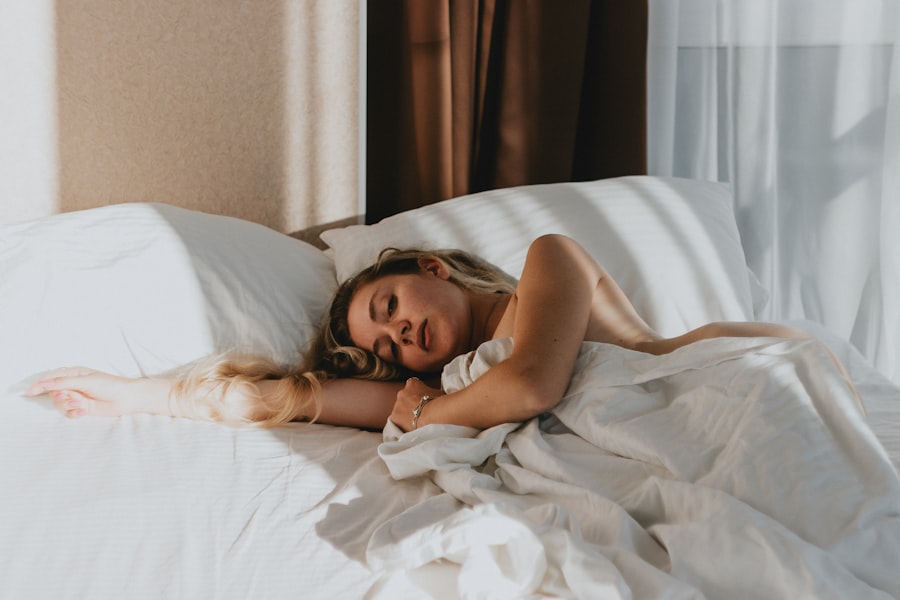
While conventional sleep aids may seem like a quick fix for your sleep troubles, they come with significant risks, especially for the elderly. Many prescription medications can lead to dependency, making it difficult for you to fall asleep without them. Additionally, these medications often have side effects that can be particularly harmful to older adults, such as dizziness, confusion, and an increased risk of falls.
These side effects can compromise your safety and overall well-being. Furthermore, long-term use of conventional sleep aids can lead to cognitive decline and other serious health issues. You may find that while these medications help you fall asleep initially, they do not address the underlying causes of your sleep problems.
Instead of relying on these potentially harmful substances, it’s essential to explore safer alternatives that promote natural sleep patterns without compromising your health.
Natural and Non-Pharmacological Sleep Aids for the Elderly
| Method | Effectiveness | Side Effects |
|---|---|---|
| Regular Exercise | Effective | None |
| Aromatherapy | Varies | Minimal |
| Acupuncture | Varies | Minimal |
| Relaxation Techniques | Effective | None |
In your quest for better sleep, consider exploring natural and non-pharmacological sleep aids. These alternatives often come with fewer side effects and can be just as effective in promoting restful sleep. Techniques such as cognitive behavioral therapy for insomnia (CBT-I) have gained popularity as effective methods for addressing sleep issues without medication.
CBT-I focuses on changing negative thought patterns and behaviors related to sleep, helping you develop healthier sleep habits. Additionally, lifestyle changes can significantly impact your ability to fall asleep and stay asleep. Establishing a consistent bedtime routine, limiting screen time before bed, and creating a calming pre-sleep environment can all contribute to improved sleep quality.
By incorporating these non-pharmacological approaches into your daily routine, you can foster a more conducive atmosphere for restful nights.
Herbal Remedies and Supplements for Better Sleep in the Elderly
Herbal remedies and dietary supplements have gained traction as popular alternatives to conventional sleep aids. You might find that certain herbs like valerian root, chamomile, and passionflower can promote relaxation and improve sleep quality. These natural options often have fewer side effects compared to prescription medications and can be an excellent addition to your nightly routine.
Before incorporating any herbal remedies or supplements into your regimen, it’s essential to consult with a healthcare professional. They can help you determine which options are safe and effective for your specific needs. Additionally, they can guide you on proper dosages and potential interactions with any medications you may already be taking.
Relaxation Techniques and Mindfulness Practices for Improved Sleep
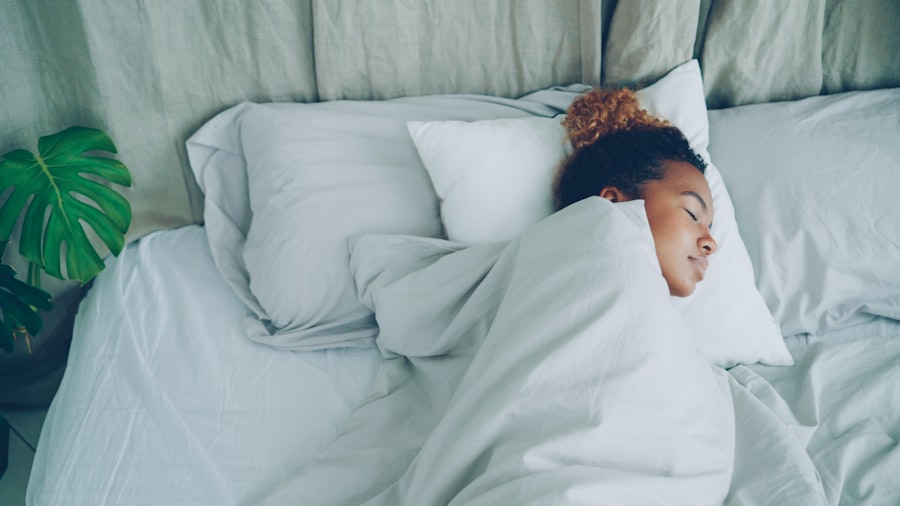
Incorporating relaxation techniques and mindfulness practices into your daily routine can significantly enhance your ability to fall asleep peacefully. Techniques such as deep breathing exercises, progressive muscle relaxation, and guided imagery can help calm your mind and prepare your body for rest. By dedicating time each day to these practices, you may find it easier to unwind at night.
Mindfulness meditation is another powerful tool that can improve your overall well-being and promote better sleep. By focusing on the present moment and letting go of racing thoughts or worries about the future, you create a mental space conducive to relaxation. Regular practice of mindfulness can lead to reduced anxiety levels and improved emotional regulation, both of which are essential for achieving restful sleep.
Creating a Comfortable Sleep Environment for the Elderly
Your sleep environment plays a crucial role in determining the quality of your rest. To create a comfortable space conducive to sleep, consider factors such as lighting, temperature, and noise levels. A dark room with minimal distractions will help signal to your body that it’s time to wind down.
You might also want to invest in blackout curtains or an eye mask if light is an issue. Temperature regulation is equally important; keeping your bedroom cool can promote better sleep quality. Additionally, consider using white noise machines or earplugs if noise disturbances are a concern.
A comfortable mattress and supportive pillows tailored to your preferences will also enhance your sleeping experience. By taking these steps to optimize your sleep environment, you set the stage for more restful nights.
The Role of Diet and Exercise in Promoting Better Sleep for the Elderly
Your diet and exercise habits significantly influence your ability to achieve quality sleep. Consuming a balanced diet rich in fruits, vegetables, whole grains, lean proteins, and healthy fats can positively impact your overall health and well-being. Certain foods contain nutrients that promote better sleep; for example, foods rich in magnesium or tryptophan may help regulate sleep patterns.
Regular physical activity is another key component in promoting better sleep. Engaging in moderate exercise during the day can help reduce anxiety levels and improve mood, making it easier for you to relax at night. However, it’s essential to avoid vigorous exercise close to bedtime, as this may have the opposite effect by increasing alertness.
Striking a balance between diet and exercise will contribute significantly to enhancing your overall sleep quality.
Consultation with Healthcare Professionals for Safe Sleep Aid Recommendations
Before embarking on any new approach to managing your sleep issues, consulting with healthcare professionals is crucial. They can provide personalized recommendations based on your medical history and current health status. Whether you’re considering herbal remedies or lifestyle changes, having professional guidance ensures that you’re making informed decisions that prioritize your safety.
Your healthcare provider may also conduct assessments to identify any underlying conditions contributing to your sleep problems. By addressing these root causes rather than merely treating symptoms with over-the-counter or prescription medications, you increase your chances of achieving long-term improvements in your sleep quality.
Incorporating Technology for Monitoring and Improving Sleep in the Elderly
In today’s digital age, technology offers various tools that can help monitor and improve your sleep patterns. Sleep tracking devices or apps can provide valuable insights into your sleeping habits by recording data such as duration and quality of sleep cycles. This information allows you to identify trends or patterns that may be affecting your rest.
Additionally, smart home devices can create an optimal sleeping environment by adjusting lighting or temperature based on your preferences. Some devices even offer guided meditation or relaxation sounds designed specifically for promoting better sleep. By leveraging technology thoughtfully, you can take proactive steps toward improving your overall sleep experience.
Finding the Right Balance for Safer and Peaceful Sleep in the Elderly
In conclusion, achieving safe and peaceful sleep as you age requires a multifaceted approach that prioritizes both safety and effectiveness. By understanding common sleep issues faced by the elderly population and recognizing the risks associated with conventional sleep aids, you empower yourself to seek out safer alternatives. Exploring natural remedies, relaxation techniques, dietary adjustments, and consulting healthcare professionals will guide you toward finding the right balance for restful nights.
Creating a comfortable sleeping environment and incorporating technology into your routine further enhances your ability to achieve quality rest. Remember that every individual is unique; what works for one person may not work for another. Therefore, remain open-minded as you explore various strategies until you discover what best suits your needs for safer and more peaceful sleep in this important stage of life.
When considering safer sleep aids for the elderly, it’s crucial to explore options that minimize risks and enhance overall well-being. Many seniors face challenges with sleep due to various health conditions or medications, making it essential to choose sleep aids that are both effective and safe. An insightful article on this topic can be found on Explore Senior Health, which provides valuable information on how to manage sleep issues in older adults. For more detailed guidance, you can read the related article by visiting Explore Senior Health. This resource offers comprehensive advice on selecting appropriate sleep aids and highlights the importance of consulting healthcare professionals to tailor solutions to individual needs.
WATCH THIS! The Nighttime Pill That Skyrockets Senior Stroke Risk
FAQs
What are safer sleep aids for elderly?
Safer sleep aids for elderly are medications or supplements that can help older adults improve their sleep quality without posing significant risks or side effects.
What are some common safer sleep aids for elderly?
Common safer sleep aids for elderly include melatonin, valerian root, chamomile tea, and certain prescription medications such as low-dose trazodone or suvorexant.
What should elderly individuals consider before using sleep aids?
Elderly individuals should consider consulting with their healthcare provider before using sleep aids, as certain medications or health conditions may interact with sleep aids or pose risks.
What are the potential risks of using sleep aids for elderly?
Potential risks of using sleep aids for elderly include drowsiness, confusion, falls, and interactions with other medications. It’s important for elderly individuals to use sleep aids under the guidance of a healthcare provider.
Are there non-medication alternatives for improving sleep in elderly individuals?
Yes, non-medication alternatives for improving sleep in elderly individuals include practicing good sleep hygiene, establishing a regular sleep schedule, engaging in relaxation techniques, and creating a comfortable sleep environment.