
Sarcopenia is a condition characterized by progressive loss of muscle mass and strength, primarily associated with aging.
This condition can result in significant functional decline, making routine daily activities more difficult and increasing the risk of falls and fractures.
Although sarcopenia is often considered an inevitable consequence of aging, research demonstrates that it can be influenced by multiple factors, including lifestyle choices, nutritional intake, and underlying health conditions. Sarcopenia is not limited to elderly populations. While older adults face higher risk due to natural age-related muscle loss, younger individuals can also develop sarcopenia, particularly those with sedentary lifestyles or chronic illnesses.
Additional contributing factors include hormonal changes, insufficient protein consumption, and certain medications. Identifying at-risk populations enables early intervention and implementation of management strategies to reduce the impact of this condition.
Key Takeaways
- Sarcopenia is the age-related loss of muscle mass and strength, primarily affecting older adults and increasing risk of disability.
- Diagnosis involves recognizing symptoms, muscle mass and strength testing, along with imaging and biomarker assessments.
- Treatment includes exercise, physical therapy, nutritional support, and sometimes pharmacological interventions.
- A combined approach using multiple therapies is most effective for managing sarcopenia.
- Prevention focuses on maintaining an active lifestyle, proper nutrition, and early intervention, especially in elderly populations.
Recognizing the Symptoms: How to diagnose Sarcopenia
Recognizing the symptoms of sarcopenia is crucial for timely diagnosis and intervention. You might notice a gradual decrease in your muscle strength or endurance, making it harder to perform tasks that were once easy. Activities like climbing stairs, lifting objects, or even standing up from a seated position may become increasingly difficult.
Additionally, you may experience unintentional weight loss or a noticeable change in body composition, where you feel less toned or more frail than before. To diagnose sarcopenia effectively, healthcare professionals often rely on a combination of clinical assessments and patient history. You may be asked about your physical activity levels, dietary habits, and any recent changes in your health status.
A thorough physical examination will help assess your muscle strength and functionality. If you suspect you are experiencing symptoms of sarcopenia, it is essential to consult with a healthcare provider who can guide you through the diagnostic process. You can find a delicious recipe for fish broth that is both flavorful and easy to make.
The Role of Muscle Mass and Strength Testing in Diagnosis
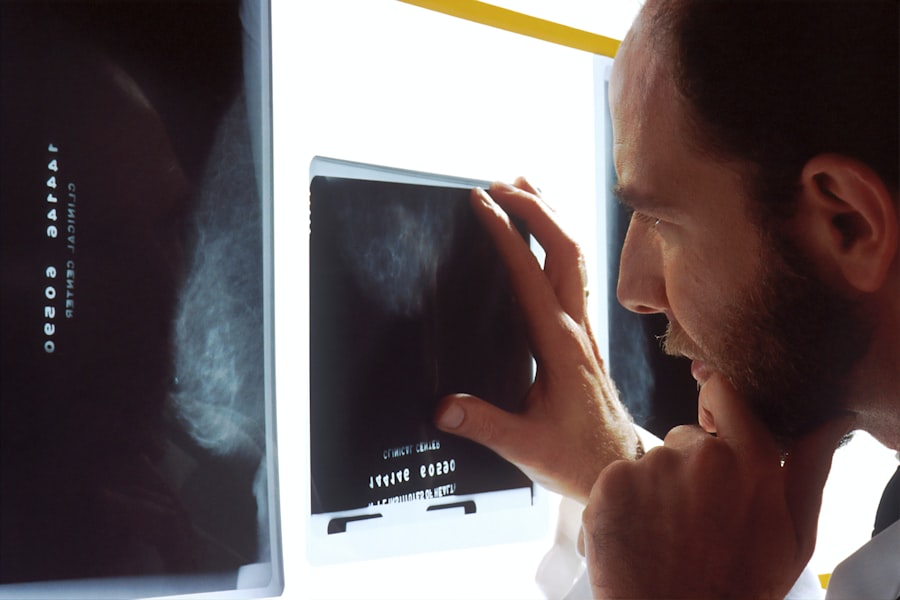
Muscle mass and strength testing play a pivotal role in diagnosing sarcopenia. You may undergo various assessments to evaluate your muscle mass, including bioelectrical impedance analysis (BIA) or dual-energy X-ray absorptiometry (DEXA). These tests measure body composition and can help determine the amount of lean muscle mass you possess relative to your total body weight.
A significant reduction in muscle mass can indicate the presence of sarcopenia. Strength testing is equally important in the diagnostic process. You might be asked to perform simple tasks such as grip strength tests or timed up-and-go tests.
These assessments provide valuable insights into your functional capabilities and overall muscle strength. If your results indicate lower-than-normal muscle mass or strength for your age group, your healthcare provider may diagnose you with sarcopenia and recommend appropriate interventions.
Imaging and Biomarkers: Additional tools for diagnosing Sarcopenia
In addition to muscle mass and strength testing, imaging techniques and biomarkers are becoming increasingly important in diagnosing sarcopenia. Advanced imaging modalities such as magnetic resonance imaging (MRI) or computed tomography (CT) scans can provide detailed images of muscle tissue, allowing for a more accurate assessment of muscle quality and quantity. If you undergo these imaging tests, they can reveal not only the amount of muscle you have but also its distribution and composition.
Biomarkers are another emerging tool in the diagnosis of sarcopenia. Researchers are exploring various biological markers that could indicate muscle health or predict the onset of sarcopenia. For instance, levels of certain proteins in the blood may correlate with muscle mass and function.
While these methods are still under investigation, they hold promise for enhancing diagnostic accuracy and enabling earlier detection of sarcopenia.
Treatment Options: Exercise and Physical Therapy
| Aspect | Details | Metrics/Criteria | Treatment Options |
|---|---|---|---|
| Diagnosis | Muscle Mass Measurement |
– Dual-energy X-ray absorptiometry (DXA): Appendicular lean mass index (ALMI) – Bioelectrical impedance analysis (BIA): Skeletal muscle mass index (SMI) – MRI/CT scans for muscle cross-sectional area |
– Resistance and aerobic exercise programs – Nutritional supplementation (protein, vitamin D, amino acids) – Pharmacological agents (e.g., myostatin inhibitors, selective androgen receptor modulators) – Physical therapy and lifestyle modifications |
| Diagnosis | Muscle Strength Assessment |
– Handgrip strength: Men: <30 kg Women: <20 kg – Chair stand test: >15 seconds for 5 rises |
|
| Diagnosis | Physical Performance |
– Gait speed: <0.8 m/s over 4 meters – Short Physical Performance Battery (SPPB) score: ≤8 points |
When it comes to treating sarcopenia, exercise and physical therapy are among the most effective interventions available. Engaging in regular physical activity can help you build and maintain muscle mass while improving strength and functionality. Resistance training, in particular, has been shown to be highly beneficial for individuals with sarcopenia.
You might consider incorporating weightlifting or bodyweight exercises into your routine to stimulate muscle growth. Physical therapy can also play a vital role in your treatment plan. A physical therapist can design a personalized exercise program tailored to your specific needs and abilities.
They will guide you through exercises that focus on strength training, balance, and flexibility, helping you regain confidence in your physical capabilities. By committing to a consistent exercise regimen under professional guidance, you can significantly improve your quality of life and combat the effects of sarcopenia.
Nutritional Interventions: Diet and supplementation for Sarcopenia

Nutrition is a critical component in managing sarcopenia effectively.
Aim to include high-quality protein sources such as lean meats, fish, dairy products, legumes, and nuts in your meals.
Research suggests that older adults may require higher protein intake than younger individuals to support muscle health. In addition to protein, certain dietary supplements may also be beneficial in combating sarcopenia. For instance, vitamin D plays a crucial role in muscle function, and many older adults are deficient in this essential nutrient.
Omega-3 fatty acids have also been linked to improved muscle health. If you’re considering supplementation, it’s advisable to consult with a healthcare professional who can recommend appropriate dosages based on your individual needs.
Pharmacological Treatments: Medications for Sarcopenia
While exercise and nutrition are foundational elements in managing sarcopenia, pharmacological treatments are also being explored as potential options. Currently, there are no specific medications approved solely for treating sarcopenia; however, some drugs may help address underlying conditions contributing to muscle loss. For example, hormone replacement therapies may be considered for individuals with hormonal imbalances that affect muscle mass.
Research is ongoing into various pharmacological agents that could promote muscle growth or prevent its loss. Some studies have investigated the use of anabolic steroids or selective androgen receptor modulators (SARMs) as potential treatments for sarcopenia. While these options show promise, they also come with risks and side effects that must be carefully weighed against potential benefits.
Combining Therapies: Multifaceted approach to treating Sarcopenia
A multifaceted approach is often the most effective strategy for treating sarcopenia. By combining exercise, nutritional interventions, and pharmacological treatments when appropriate, you can create a comprehensive plan tailored to your specific needs. This holistic approach addresses multiple aspects of the condition, maximizing your chances of improving muscle mass and strength.
Collaboration with healthcare professionals is essential in developing this multifaceted treatment plan. Your primary care physician, dietitian, and physical therapist can work together to ensure that all aspects of your health are considered. By integrating various therapies into your routine, you can enhance your overall well-being while effectively managing the challenges posed by sarcopenia.
Prevention Strategies: How to reduce the risk of Sarcopenia
Preventing sarcopenia is an achievable goal with proactive strategies that focus on maintaining muscle health throughout life. One of the most effective ways to reduce your risk is by staying physically active from an early age. Engaging in regular exercise—particularly resistance training—can help build a strong foundation of muscle mass that will serve you well as you age.
In addition to exercise, maintaining a balanced diet rich in protein and essential nutrients is crucial for preventing sarcopenia. You should prioritize whole foods over processed options and ensure you’re getting adequate vitamins and minerals that support overall health. Staying socially active and engaged can also contribute positively to your mental well-being, which indirectly supports physical health by encouraging an active lifestyle.
Managing Sarcopenia in Older Adults: Special considerations for elderly patients
Managing sarcopenia in older adults requires special considerations due to the unique challenges this population faces. You may encounter additional health issues or mobility limitations that complicate treatment plans. Therefore, it’s essential to approach management with sensitivity and adaptability.
Tailoring exercise programs to accommodate any physical limitations while still promoting strength gains is vital. Moreover, addressing comorbidities such as osteoporosis or cardiovascular disease is crucial when managing sarcopenia in older adults. A comprehensive assessment by healthcare professionals will help identify any underlying conditions that need attention alongside sarcopenia treatment.
By taking a holistic view of health in older adults, you can ensure that interventions are safe and effective while improving overall quality of life.
Future Research and Developments: Promising new treatments for Sarcopenia
The field of sarcopenia research is rapidly evolving, with promising developments on the horizon that could revolutionize treatment options. Researchers are exploring innovative therapies aimed at enhancing muscle regeneration and function through various mechanisms. For instance, gene therapy approaches are being investigated as potential ways to stimulate muscle growth at the cellular level.
Additionally, advancements in biomarker research may lead to more precise diagnostic tools that allow for earlier detection of sarcopenia before significant muscle loss occurs. As our understanding of this condition deepens, new pharmacological agents targeting specific pathways involved in muscle metabolism may emerge as viable treatment options. Staying informed about these developments will empower you to make educated decisions regarding your health as new therapies become available.
In conclusion, understanding sarcopenia is crucial for recognizing its impact on health as you age. By being proactive about diagnosis and treatment options—including exercise, nutrition, and emerging therapies—you can take significant steps toward maintaining muscle health and overall well-being throughout your life.
Sarcopenia, the age-related loss of muscle mass and strength, poses significant challenges for older adults, making early diagnosis and effective treatment options crucial. For a comprehensive overview of the latest strategies in diagnosing and managing sarcopenia, you can refer to this informative article on senior health: Explore Senior Health. This resource provides valuable insights into the condition and highlights various interventions that can help mitigate its effects.
WATCH THIS! 💪 Say Goodbye to Weakness: Fish Skin Broth Fights Sarcopenia Better Than Bone Broth!
FAQs
What is sarcopenia?
Sarcopenia is a progressive loss of skeletal muscle mass and strength, commonly associated with aging. It can lead to decreased mobility, increased risk of falls, and reduced quality of life.
How is sarcopenia diagnosed?
Sarcopenia diagnosis typically involves assessing muscle mass, muscle strength, and physical performance. Common methods include grip strength tests, gait speed measurements, and imaging techniques like DXA (dual-energy X-ray absorptiometry) or MRI to evaluate muscle mass.
What are the main causes of sarcopenia?
The primary causes include aging, physical inactivity, inadequate nutrition (especially protein deficiency), chronic diseases, hormonal changes, and inflammation.
What treatment options are available for sarcopenia?
Treatment focuses on resistance exercise training, nutritional interventions (such as increased protein intake and vitamin D supplementation), and addressing underlying medical conditions. In some cases, pharmacological treatments are being researched but are not yet standard.
Can sarcopenia be prevented?
Yes, sarcopenia can be delayed or prevented through regular physical activity, particularly strength training, maintaining a balanced diet rich in protein, and managing chronic health issues effectively.
Is sarcopenia reversible?
While sarcopenia is a progressive condition, muscle mass and strength can often be improved with appropriate exercise and nutritional strategies, especially if intervention occurs early.
Who is at risk for developing sarcopenia?
Older adults, individuals with sedentary lifestyles, those with chronic illnesses, malnutrition, or hormonal imbalances are at higher risk for sarcopenia.
Are there any medications approved specifically for sarcopenia?
Currently, there are no medications specifically approved for sarcopenia treatment. Research is ongoing to find effective pharmacological therapies.
How does nutrition impact sarcopenia?
Adequate protein intake is crucial for muscle maintenance and repair. Deficiencies in protein, vitamin D, and other nutrients can exacerbate muscle loss associated with sarcopenia.
What role does exercise play in managing sarcopenia?
Exercise, especially resistance and strength training, is the most effective intervention to improve muscle mass, strength, and physical function in individuals with sarcopenia.