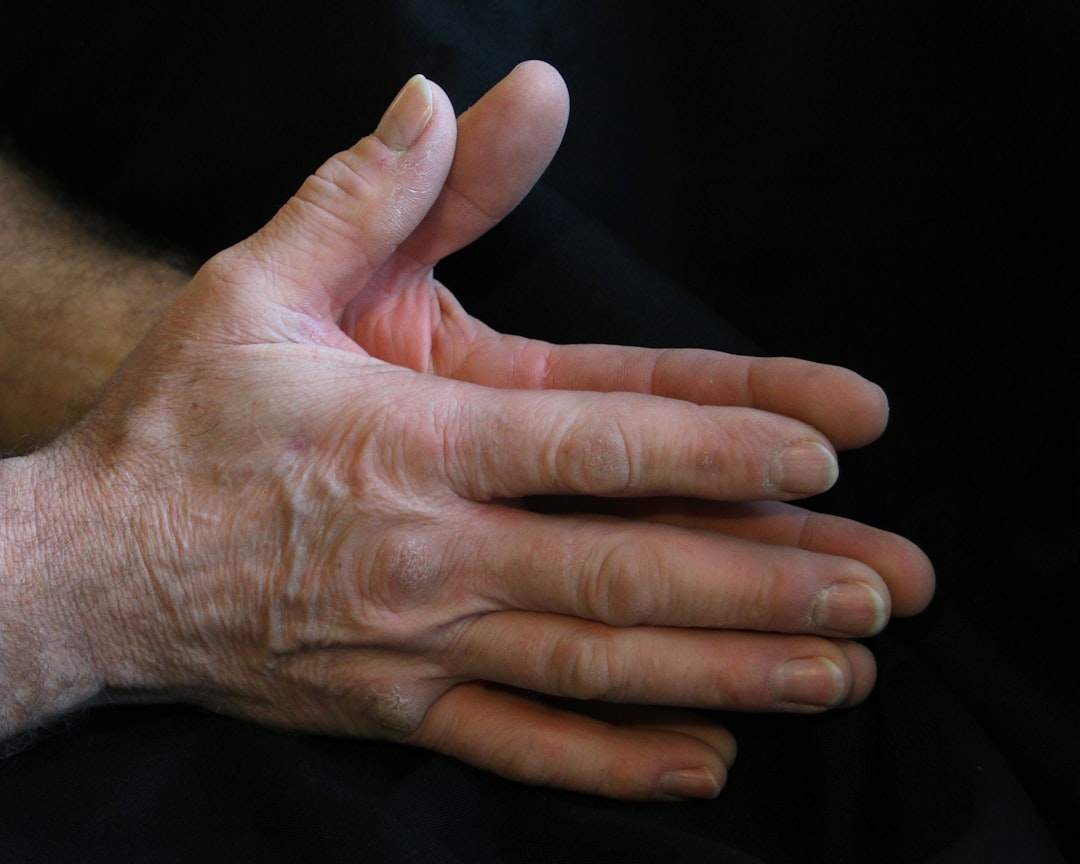
As individuals age, the probability of developing arthritis pain increases substantially. Arthritis, characterized by joint inflammation and stiffness, exists in several forms, including osteoarthritis and rheumatoid arthritis. Comprehending the characteristics of arthritis pain is essential for effective management.
The pain typically ranges from a dull ache to intense discomfort, often worsening with movement or weather changes. Identifying these patterns enables anticipation of flare-ups and implementation of proactive pain relief strategies. Arthritis pain extends beyond physical discomfort to impact emotional health.
Restricted mobility and persistent pain may contribute to feelings of isolation and depression. Acknowledging these emotional components is crucial to understanding the complete arthritis experience. A comprehensive understanding of both physical and emotional aspects of arthritis pain facilitates more effective communication with healthcare providers and helps in establishing appropriate support networks.
Key Takeaways
- Understanding arthritis pain in seniors is crucial for effective management and improving quality of life.
- Lifestyle changes, including diet and exercise, play a significant role in reducing arthritis pain.
- Physical therapy and targeted exercises help maintain joint mobility and alleviate discomfort.
- Alternative therapies and mind-body techniques can complement traditional treatments for pain relief.
- Professional guidance ensures personalized treatment plans and access to assistive devices and advanced therapies.
Lifestyle Changes for Arthritis Pain Management
Making lifestyle changes can significantly impact your experience with arthritis pain. One of the most effective strategies is to maintain a healthy weight. Excess weight puts additional stress on your joints, particularly those in the lower body, such as the knees and hips.
By adopting a balanced diet and engaging in regular physical activity, you can shed excess pounds and reduce the strain on your joints. This not only alleviates pain but also enhances your overall quality of life. In addition to weight management, consider incorporating routines that promote joint health.
This might include practicing good posture, using ergonomic furniture, or modifying your daily activities to minimize joint strain. Simple adjustments, such as using a reacher to grab items from high shelves or sitting while preparing meals, can make a significant difference in how you manage daily tasks. By being mindful of your movements and making small changes, you can create a more arthritis-friendly environment.
Exercise and Physical Therapy for Arthritis Pain Relief
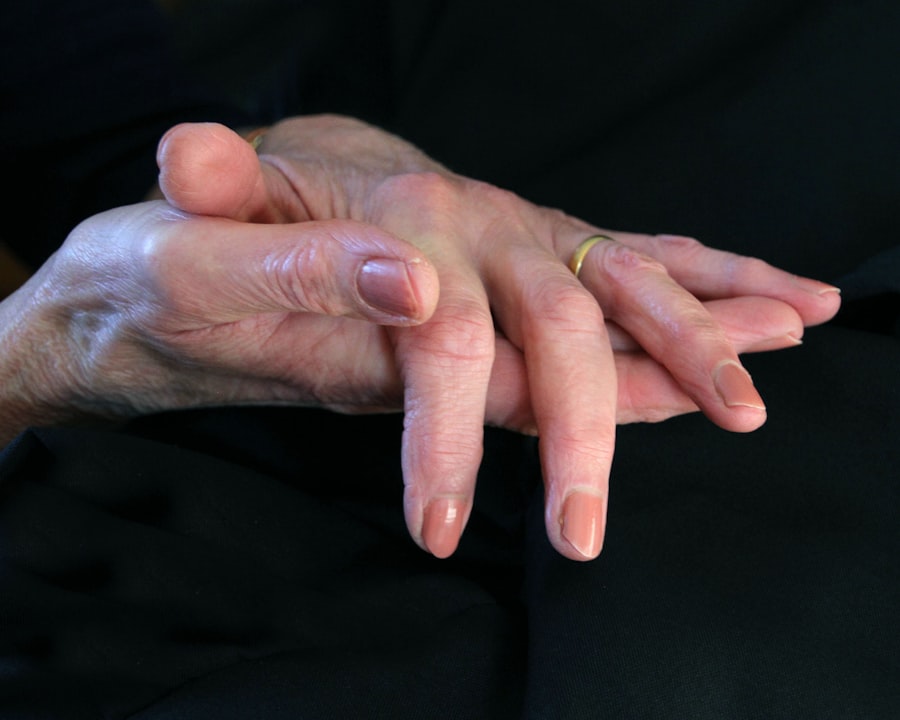
Engaging in regular exercise is one of the most effective ways to manage arthritis pain. While it may seem counterintuitive to move when you’re experiencing discomfort, gentle exercises can help strengthen the muscles around your joints, improve flexibility, and enhance overall mobility. Activities such as swimming, walking, or cycling are low-impact options that can provide significant benefits without putting undue stress on your joints.
Physical therapy is another valuable resource for managing arthritis pain. A trained physical therapist can design a personalized exercise program tailored to your specific needs and limitations. They can teach you proper techniques to ensure that you are exercising safely and effectively.
Additionally, physical therapists often employ modalities such as ultrasound or electrical stimulation to help reduce pain and inflammation, further enhancing your ability to engage in physical activity.
Dietary Changes for Arthritis Pain Management
Your diet plays a crucial role in managing arthritis pain. Certain foods have anti-inflammatory properties that can help reduce swelling and discomfort in your joints. Incorporating more fruits, vegetables, whole grains, and healthy fats into your meals can provide essential nutrients that support joint health.
Foods rich in omega-3 fatty acids, such as salmon, walnuts, and flaxseeds, are particularly beneficial for their anti-inflammatory effects. Conversely, some foods may exacerbate inflammation and should be limited or avoided. Processed foods high in sugar and unhealthy fats can contribute to increased pain levels.
By being mindful of what you eat and making conscious choices about your diet, you can create a nutritional plan that supports your overall health while specifically targeting arthritis pain management.
Alternative Therapies for Arthritis Pain Relief
| Method | Effectiveness (%) | Average Pain Reduction (0-10 scale) | Common Benefits | Notes |
|---|---|---|---|---|
| Physical Therapy | 70 | 3-4 | Improved mobility, muscle strength | Customized exercises recommended |
| Heat and Cold Therapy | 60 | 2-3 | Reduced stiffness, inflammation relief | Use heat for stiffness, cold for inflammation |
| Acupuncture | 50 | 2-3 | Pain relief, improved joint function | Multiple sessions often needed |
| Weight Management | 65 | 3-5 | Reduced joint stress, improved function | Long-term lifestyle change required |
| Assistive Devices (canes, braces) | 55 | 2-3 | Improved stability, reduced joint load | Proper fitting essential |
| Mind-Body Techniques (meditation, yoga) | 45 | 1-3 | Stress reduction, improved coping | Best combined with physical activity |
Exploring alternative therapies can offer additional avenues for managing arthritis pain. Acupuncture, for instance, has gained popularity as a complementary treatment for various types of pain, including arthritis. This ancient practice involves inserting thin needles into specific points on the body to stimulate energy flow and promote healing.
Many individuals report experiencing reduced pain levels and improved mobility after undergoing acupuncture sessions. Another alternative therapy worth considering is massage therapy. Therapeutic massage can help alleviate muscle tension around the joints, improve circulation, and promote relaxation.
By working with a skilled massage therapist who understands the nuances of arthritis pain, you can experience relief that complements other treatment modalities. These alternative approaches can be valuable additions to your overall pain management strategy.
Mind-Body Techniques for Arthritis Pain Management
Mind-body techniques are powerful tools for managing arthritis pain by addressing both the physical and emotional aspects of your experience. Practices such as meditation, yoga, and tai chi can help you cultivate mindfulness and reduce stress levels. These techniques encourage relaxation and promote a sense of well-being, which can be particularly beneficial when dealing with chronic pain.
Incorporating mindfulness into your daily routine can also enhance your ability to cope with discomfort. By focusing on the present moment and acknowledging your feelings without judgment, you may find that your perception of pain shifts. This mental shift can empower you to take control of your pain management journey and foster a more positive outlook on life despite the challenges posed by arthritis.
Assistive Devices for Arthritis Pain Relief
Utilizing assistive devices can significantly improve your quality of life when dealing with arthritis pain. These tools are designed to help you perform daily activities with greater ease and less discomfort. For instance, grab bars in the bathroom can provide stability while bathing or using the toilet, reducing the risk of falls and injuries.
Other assistive devices include ergonomic kitchen tools that require less grip strength or specialized footwear designed to provide better support for your feet and joints. By integrating these devices into your daily routine, you can maintain independence while minimizing strain on your joints. It’s essential to explore various options available to find what works best for you.
Home Remedies for Arthritis Pain Management
Home remedies can offer immediate relief from arthritis pain without the need for medication or invasive treatments. One popular remedy is the use of Epsom salt baths; soaking in warm water mixed with Epsom salt can help relax muscles and reduce inflammation in the joints. Additionally, applying topical treatments such as capsaicin cream may provide localized relief by blocking pain signals.
Another effective home remedy is the use of essential oils like lavender or peppermint for their soothing properties.
These simple yet effective remedies can be easily incorporated into your daily routine to help manage arthritis pain naturally.
Managing Arthritis Pain with Heat and Cold Therapy
Heat and cold therapy are two effective methods for managing arthritis pain that you can easily implement at home. Heat therapy helps increase blood flow to the affected area, which can alleviate stiffness and promote relaxation of tense muscles.
On the other hand, cold therapy is beneficial for reducing inflammation and numbing sharp pain sensations. Applying ice packs or cold compresses to swollen joints can help decrease swelling and provide temporary relief from acute pain episodes. Alternating between heat and cold therapy allows you to customize your approach based on your symptoms at any given time.
Herbal and Supplement Options for Arthritis Pain Relief
Herbal remedies and dietary supplements have gained popularity as adjuncts in managing arthritis pain. Turmeric, known for its anti-inflammatory properties due to its active compound curcumin, is often recommended for those suffering from joint pain. You might consider incorporating turmeric into your cooking or taking it in supplement form after consulting with a healthcare professional.
Glucosamine and chondroitin supplements are also commonly used by individuals with arthritis to support joint health. These compounds are believed to help maintain cartilage integrity and reduce joint pain over time. However, it’s essential to discuss any supplement regimen with your doctor before starting to ensure safety and efficacy based on your individual health needs.
Seeking Professional Help for Arthritis Pain Management
While self-management strategies are valuable, seeking professional help is crucial for comprehensive arthritis pain management. Your primary care physician or a rheumatologist can provide an accurate diagnosis and develop a tailored treatment plan that addresses your specific needs. They may recommend medications ranging from over-the-counter anti-inflammatories to prescription options based on the severity of your condition.
Additionally, working with a multidisciplinary team that includes physical therapists, nutritionists, and mental health professionals can enhance your overall approach to managing arthritis pain. These experts can provide guidance on exercise regimens, dietary modifications, and coping strategies that align with your lifestyle goals. By collaborating with professionals who understand the complexities of arthritis, you empower yourself to take control of your health journey effectively.
In conclusion, managing arthritis pain requires a multifaceted approach that encompasses lifestyle changes, exercise, dietary adjustments, alternative therapies, mind-body techniques, assistive devices, home remedies, heat and cold therapy, herbal options, and professional guidance. By exploring these various strategies and finding what works best for you, you can significantly improve your quality of life while living with arthritis.
For seniors dealing with arthritis pain, exploring non-pharmaceutical management options can be beneficial. A related article that provides valuable insights on this topic can be found at Explore Senior Health. This resource offers various strategies and tips for managing arthritis pain without relying on medication, helping seniors maintain a better quality of life.
WATCH THIS WARNING: 💊 NSAID Kidney Damage: The Hidden Danger Seniors Don’t Know About
FAQs
What are common non-pill methods for managing arthritis pain in seniors?
Common non-pill methods include physical therapy, regular low-impact exercise, hot and cold therapy, acupuncture, massage, and the use of assistive devices to reduce joint strain.
How does physical therapy help with arthritis pain?
Physical therapy helps by improving joint mobility, strengthening muscles around the joints, and reducing stiffness, which can alleviate pain and improve function.
Can exercise worsen arthritis pain in seniors?
When done correctly, low-impact exercises such as swimming, walking, or cycling can reduce arthritis pain and improve joint health. However, high-impact or strenuous activities may worsen symptoms, so it is important to consult a healthcare provider before starting an exercise program.
What role does diet play in managing arthritis pain without medication?
A balanced diet rich in anti-inflammatory foods like fruits, vegetables, whole grains, and omega-3 fatty acids may help reduce inflammation and joint pain. Maintaining a healthy weight also reduces stress on joints.
Are alternative therapies like acupuncture effective for arthritis pain?
Some studies suggest that acupuncture can provide relief for arthritis pain by stimulating nerves and muscles, though results vary among individuals. It is considered a complementary approach rather than a replacement for conventional treatments.
How can heat and cold therapy help seniors with arthritis?
Heat therapy can relax muscles and increase blood flow to the affected area, reducing stiffness. Cold therapy can numb sharp pain and reduce inflammation and swelling. Alternating between the two may provide additional relief.
What assistive devices can help seniors manage arthritis pain?
Devices such as braces, splints, canes, and specially designed footwear can help support joints, improve mobility, and reduce pain during daily activities.
Is stress management important in arthritis pain control?
Yes, stress can exacerbate pain perception. Techniques such as meditation, deep breathing exercises, and counseling can help manage stress and improve overall pain management.
When should a senior consult a healthcare professional about arthritis pain?
Seniors should seek medical advice if pain worsens, limits daily activities, or if they experience new symptoms such as swelling, redness, or fever, to ensure proper diagnosis and treatment planning.