As the leaves begin to paint the landscape in fiery hues and the air grows crisp, autumn presents a beautiful, yet potentially hazardous, season for seniors. The shift in weather and the natural changes that accompany this time of year can subtly increase risks, making fall prevention a paramount concern. You, as a senior, are navigating a period of life where maintaining independence and vitality is key, and addressing fall risks is a crucial component of that journey. This article will equip you with knowledge and actionable strategies to ensure your autumn is not just visually stunning, but also physically safe.
The inherent beauty of autumn can mask subtle dangers that can disproportionately affect seniors. Understanding these environmental and physiological factors is the first step in building a robust fall prevention strategy. The world around you transforms, and your body’s ability to adapt to these changes requires conscious attention.
Meteorological Shifts and Their Impact
Autumn brings with it a cascade of meteorological changes. Cooler temperatures, increased humidity, and more frequent rain are common. These shifts can manifest in several ways that directly contribute to fall risk.
Wet and Slippery Surfaces
Rain and dew can transform sidewalks, pathways, and even indoor flooring into treacherous ice rinks. Even a light mist can create a slick film on hard surfaces. You might find that familiar routes become unexpectedly hazardous. The porous nature of some outdoor materials, like wood or unsealed concrete, can absorb moisture, extending the slippery period. It is imperative to be extra cautious on any surface that appears damp.
Reduced Visibility
As days shorten and clouds become more prevalent, natural light diminishes. This can reduce your ability to accurately judge distances, perceive obstacles, and navigate uneven terrain. Early dusk can catch you off guard, turning a familiar evening walk into a dimly lit obstacle course. Fog, a common autumn occurrence, further compounds visibility issues, making it difficult to distinguish edges of steps or changes in elevation.
Wind and Debris
Gusty winds can be more than just a nuisance; they can be a destabilizing force. A sudden gust can momentarily disrupt your balance, especially if you are carrying items or walking in an exposed area. Furthermore, autumn winds are notorious for scattering leaves, small branches, and other debris across walkways. These seemingly innocuous items can become tripping hazards, especially when hidden beneath a layer of fallen leaves.
Physiological Changes and Autumn’s Challenges
Beyond external factors, your own body’s physiological responses play a significant role in fall prevention. As we age, certain changes can make us more susceptible to falls, and autumn’s environmental shifts can exacerbate these vulnerabilities.
Decreased Sensory Input
Our senses, crucial for balance and spatial awareness, can undergo changes with age. Vision might slightly decline, making it harder to see those subtle cracks in the pavement or the edge of a rug. The inner ear, responsible for our sense of balance, can also become less efficient. This means your body’s ability to make rapid adjustments to maintain equilibrium might be slightly slower. Autumn’s reduced light and potential for visual obstructions can further tax these already challenged sensory pathways.
Slower Reaction Times
The nervous system’s ability to quickly process information and send signals to muscles for action can slow with age. This means your reaction time to a sudden slip or stumble might be longer, making it harder to catch yourself before a fall occurs. For instance, if you step on an unexpectedly loose stone or a slippery patch of leaves, a quicker reaction can mean the difference between regaining your balance and taking a tumble.
Medication Side Effects
Many seniors take multiple medications, and some can have side effects such as dizziness, drowsiness, or blurred vision. These side effects directly impair balance and coordination, increasing fall risk. The cooler, potentially more sedentary lifestyle that autumn can encourage might also lead to changes in how medications are metabolized, potentially altering their impact. It is vital to regularly review your medications with your doctor to understand any potential fall-related side effects.
Postural Instability
As we age, maintaining good posture and balance can become more challenging. Muscle strength can decrease, and the body’s intricate systems that work together to keep you upright might not be as efficient. This can lead to a higher center of gravity or a tendency to sway, making you more susceptible to external destabilizing forces like a gust of wind or an uneven surface.
For seniors, maintaining physical fitness is crucial not only for overall health but also for preventing falls, which can lead to serious injuries. A related article that provides valuable insights into senior fitness and fall prevention can be found at Explore Senior Health. This resource offers practical tips and exercises tailored for older adults, helping them enhance their strength, balance, and coordination, ultimately reducing the risk of falls.
Environmental Modifications: Crafting a Safer Home and Surroundings
Your home is your sanctuary, but it can also harbor unseen hazards. By proactively modifying your living space and the immediate surroundings, you can transform it into a fortress against falls. Think of these modifications not as limitations, but as enhancements to your independence and comfort.
The Interior Fortress: Securing Your Home
Inside your home, potential hazards are often subtle and easily overlooked. Addressing these can significantly reduce your risk of a fall.
Bathroom Safety: The Most Vulnerable Arena
The bathroom is frequently the scene of falls due to wet surfaces and the physical demands of bathing and toileting.
Grab Bars: Your Steadfast Anchors
Installing grab bars in the shower or bathtub, beside the toilet, and along hallways is arguably one of the most effective fall prevention measures. These are not merely assistive devices; they are your steadfast anchors, providing crucial support when navigating slippery areas or standing up from a seated position. Ensure they are properly installed into wall studs for maximum strength.
Non-Slip Surfaces: Taming the Slipperiness
Replacing standard bath mats with specially designed non-slip mats for both the shower floor and the bathroom floor can drastically improve traction. Consider adhesive non-slip strips for tile or linoleum floors. The goal is to create a surface that resists slippage even when wet, transforming a potentially hazardous zone into a secure one.
Raised Toilet Seats and Shower Chairs: Reducing Strain
A raised toilet seat can reduce the distance you need to lower yourself and stand up, alleviating pressure on your knees and hips. Similarly, a shower chair or transfer bench can allow you to sit while bathing, significantly reducing the risk of slipping and falling. These simple additions can make daily routines much safer and more comfortable.
Living Areas: Clearing the Paths
The areas where you spend most of your time also require attention to ensure clear and safe passage.
Decluttering: Taming the Tangled Terrain
Rugs and carpets, while adding warmth, can quickly become tripping hazards, especially if they are frayed, have curled edges, or are uneven. Secure all rugs with non-slip backing or remove them entirely. Ensure that electrical cords and telephone wires are routed along walls and secured to prevent them from becoming unexpected obstacles. Aim for clear, unobstructed pathways throughout your home.
Adequate Lighting: Illuminating the Way
Poor lighting is a silent saboteur of fall prevention. Ensure all areas of your home are well-lit, especially staircases, hallways, and doorways. Use bright, energy-efficient bulbs. Consider motion-sensor lights for hallways and bathrooms, which can automatically illuminate as you enter, providing light precisely when and where you need it. Nightlights are essential for navigating your home safely in the dark.
Stairways: Guarding the Vertical Journeys
Stairs, inherently a point of potential instability, demand particular attention.
Handrails: Your Guiding Companions
Ensure that stairways have sturdy handrails on both sides, extending the full length of the stairs. Regularly check that the handrails are securely fastened to the wall. These handrails are your guiding companions, offering a consistent point of support as you ascend or descend.
Tread Safety: Gripping Every Step
Apply non-slip treads to each step of your staircase. These can be adhesive strips or carpeted treads that provide extra grip. Ensure that the treads are securely attached and do not create an uneven surface themselves. The goal is to ensure each step offers a secure foothold.
The Exterior Perimeter: Securing Your Outdoor Spaces
Your outdoor environment also presents opportunities for fall prevention.
Pathway Safety: Navigating the Approach
The paths leading to your home are the first lines of defense against outdoor falls.
Clear and Even Surfaces: The Foundation of Safety
Ensure that sidewalks and driveways are free from cracks, potholes, and uneven surfaces. Repair any damage promptly. Remove overgrown vegetation that might encroach on pathways. These even, clear surfaces are the foundation of safe navigation.
Adequate Outdoor Lighting: Banishing the Shadows
Just as indoor lighting is crucial, so is outdoor lighting. Install well-placed lights along pathways, at entrances, and near any steps or changes in elevation around your home. Motion-activated lights can be particularly useful for increased security and convenience.
Garden and Yard Maintenance: Taming Nature’s Hazards
Your garden and yard, while enjoyable, can harbor hidden dangers.
Leaf Management: Clearing the Autumn Carpet
Fallen leaves, especially when wet, are extremely slippery. Rake and remove leaves from pathways, driveways, and decks regularly. Consider using a leaf blower for efficiency. This proactive leaf management clears away the autumn carpet of potential hazards.
Weed and Debris Removal: Eliminating Obstacles
Keep pathways and garden beds free from weeds and debris that could cause trips. Ensure garden tools are stored away and not left lying around.
Embracing Physical Preparedness: Strengthening Your Body for Autumn’s Demands
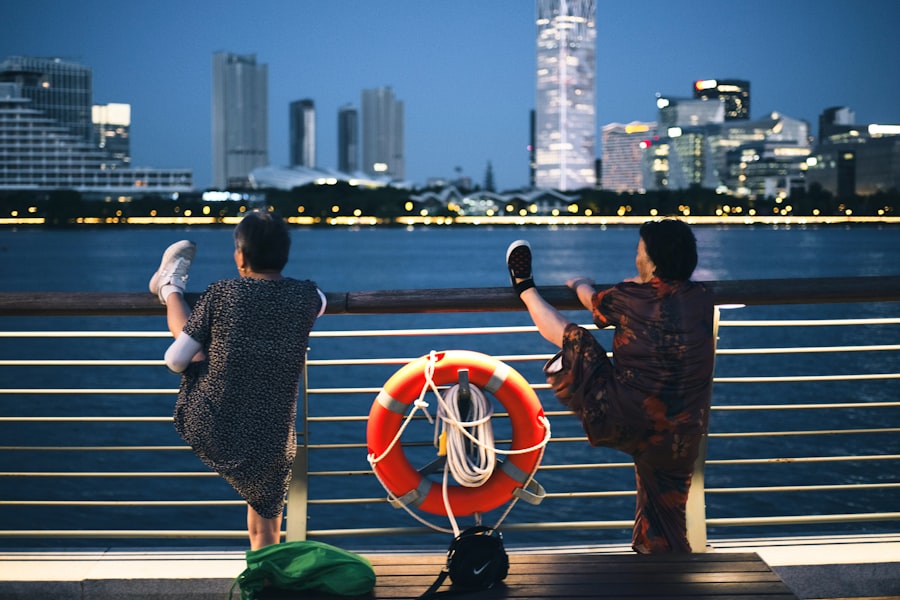
While environmental modifications are essential, the most powerful tool you possess for fall prevention is a strong, resilient body. Engaging in exercises that target balance, strength, and flexibility is akin to building a personal safety net.
Balance Training: The Art of Steadfastness
Good balance is the cornerstone of preventing falls. It is the body’s innate ability to maintain equilibrium in the face of subtle (or not-so-subtle) disturbances.
Tai Chi and Qigong: The Gentle Art of Movement
Practices like Tai Chi and Qigong are renowned for their ability to improve balance, coordination, and proprioception (your body’s awareness of its position in space). These slow, flowing movements involve controlled shifts in weight and require focus and mindfulness, directly translating to better stability in daily life. They are like learning a graceful dance with gravity.
Specific Balance Exercises: Targeted Improvements
You can incorporate targeted balance exercises into your routine:
Single Leg Stands: Building Core Stability
Stand near a wall or sturdy chair for support. Lift one foot off the ground and hold for a set duration, gradually increasing the time. As you improve, try holding the position without support. This exercise directly challenges and strengthens the muscles responsible for single-leg stability.
Heel-to-Toe Walking: Sharpening Proprioception
Walk in a straight line, placing the heel of your front foot directly in front of the toes of your back foot, as if walking on a tightrope. This exercise refines your body’s awareness of its position and improves your ability to maintain a straight line of movement.
Standing with Eyes Closed: Enhancing Sensory Reliance
Once you are proficient with single-leg stands, try closing your eyes while performing them (always with a support nearby). This forces your body to rely more on its inner ear and proprioceptive senses for balance, making you more resilient to unexpected disturbances.
Strength Training: The Foundation of Support
Strong muscles are your body’s internal scaffolding, providing the necessary power to correct imbalances and maintain posture.
Lower Body Strength: The Pillars of Support
Focus on strengthening the muscles in your legs and hips, which are critical for walking, standing, and absorbing impact.
Squats (Modified): Controlled Power
Perform modified squats, using a chair for support if needed. Lower yourself as if sitting back into the chair, keeping your knees aligned with your toes. This exercise builds strength in your quadriceps and glutes.
Calf Raises: Enhancing Ankle Stability
Stand with your feet flat on the floor and rise up onto the balls of your feet, holding briefly before lowering. This strengthens your calf muscles, which are vital for ankle stability and pushing off during walking.
Core Strength: The Central Stabilizer
A strong core, encompassing your abdominal and back muscles, provides essential stability for your entire body.
Planks (Modified): Building Endurance
Begin on your hands and knees, then lower onto your forearms, keeping your body in a straight line from head to heels. Modify by performing the plank on your knees if a full plank is too challenging. This exercise builds isometric strength in your core.
Bridges: Activating Posterior Chain
Lie on your back with your knees bent and feet flat on the floor. Engage your glutes and lift your hips off the ground, forming a straight line from your shoulders to your knees. This exercise strengthens your glutes and lower back muscles.
Flexibility and Mobility: The Lubrication for Movement
Flexible muscles and joints allow for a greater range of motion, enabling you to move more freely and react more effectively to prevent falls.
Stretching Exercises: Releasing the Tightness
Regular stretching can alleviate muscle stiffness and improve your ability to move without restriction.
Hamstring Stretches: Improving Leg Mechanics
While seated or standing, gently extend one leg and reach towards your toes, feeling a stretch in the back of your thigh. Hold for a sustained period.
Quadriceps Stretches: Enhancing Leg Function
Standing, gently pull one heel towards your buttocks, feeling a stretch in the front of your thigh. Use a wall or chair for balance.
Dynamic Stretching: Preparing for Action
Dynamic stretching, which involves controlled movements, can warm up your muscles and prepare them for more demanding activity. Think gentle arm circles, leg swings, and torso twists. This is like oiling the gears before a machine starts.
Footwear and Assistive Devices: Equipping Yourself for Safety

The choices you make regarding footwear and assistive devices can significantly impact your stability and confidence.
The Importance of Proper Footwear: Your Grounding Gear
Your shoes are your primary connection to the ground. Choosing the right footwear is crucial for preventing slips and falls.
Essential Features: What to Look For
When selecting shoes, prioritize these features:
Non-Slip Soles: The Grip of Security
Look for shoes with rubber or other high-traction soles that provide excellent grip on various surfaces. Avoid smooth-soled shoes that can easily slip. This is your grounding gear, providing essential security.
Good Arch Support: Enhancing Stability
Shoes with proper arch support help distribute weight evenly and improve overall stability. This can reduce fatigue and the risk of ankle rolls.
Secure Fit: Avoiding Slips and Trips
Ensure your shoes fit snugly but are not too tight. Avoid slip-on shoes that might easily fall off, and opt for laces or Velcro closures that allow for adjustable security. A well-fitting shoe prevents internal slippage, which can be as destabilizing as an external slip.
Types of Footwear to Consider: Practical Choices
For daily wear, consider:
Athletic Shoes or Walking Shoes: Designed for Traction
These are often excellent choices due to their supportive construction and designed-for-traction soles.
Low-Heeled Shoes with Non-Slip Soles: Practical Elegance
If you prefer a slightly more formal shoe, ensure it has a low, stable heel and a non-slip sole. Avoid high heels or shoes with narrow soles that offer little stability.
Footwear to Avoid: Potential Pitfalls
Steer clear of:
Slippers with Smooth Soles: The Illusion of Comfort
While comfortable, many slippers lack adequate grip and can be dangerous on hard floors. Opt for slippers with rubberized or non-slip bottoms.
High Heels: The Enemy of Stability
High heels significantly alter your center of gravity and increase the risk of ankle sprains and falls.
Backless Shoes: The Recipe for a Slip-Off
Backless shoes, like flip-flops or some sandals, offer minimal support and can easily slip off your feet, leading to a stumble.
Assistive Devices: Your Reliable Companions
For some, assistive devices are not a sign of weakness, but rather a tool that enhances independence and safety.
Canes and Walkers: Providing an Extra Limb
Canes and walkers provide an additional point of contact with the ground, offering increased stability and support.
Proper Fitting: The Key to Effectiveness
It is crucial that any assistive device is properly fitted to your height and gait. An ill-fitting cane or walker can be more of a hindrance than a help. Consult with a healthcare professional or physical therapist for guidance on selecting and using these devices correctly.
Maintenance and Care: Ensuring Reliability
Regularly check your cane or walker for wear and tear. Ensure rubber tips are intact and that all parts are secure. These are your reliable companions, and their reliability is paramount.
Gait Belts: Support During Transfers
Gait belts can be used by caregivers to provide support and stability during transfers, such as moving from a bed to a chair. They can help prevent falls during these more complex movements.
Engaging in regular fitness activities is crucial for seniors, especially when it comes to preventing falls. A related article discusses various exercises that can enhance balance and strength, which are essential components in reducing the risk of falls among older adults. You can read more about these effective strategies for fall prevention in the article found here. By incorporating these exercises into their routine, seniors can significantly improve their stability and overall health.
Cognitive Strategies and Healthy Habits: The Mind-Body Connection in Fall Prevention
| Metric | Description | Typical Values | Relevance to Fall Prevention |
|---|---|---|---|
| Balance Test Score (e.g., Berg Balance Scale) | Measures static and dynamic balance abilities | 41-56 (out of 56); scores below 45 indicate increased fall risk | Lower scores correlate with higher fall risk |
| Timed Up and Go (TUG) Test | Time taken to stand, walk 3 meters, turn, and sit | Less than 12 seconds is normal; over 14 seconds indicates fall risk | Longer times suggest mobility impairment and fall risk |
| Lower Body Strength (Chair Stand Test) | Number of stands from a seated position in 30 seconds | 10-15 stands typical for healthy seniors | Improved strength reduces fall risk |
| Gait Speed | Walking speed over a short distance (e.g., 4 meters) | Normal: >1.0 m/s; | Slower gait speed linked to higher fall risk |
| Flexibility (Sit and Reach Test) | Measures hamstring and lower back flexibility | Varies by age and gender; less flexibility may impair balance | Better flexibility supports safer movement and fall prevention |
| Fear of Falling (Falls Efficacy Scale) | Self-reported confidence in performing daily activities without falling | Scores range 10-40; higher scores indicate greater fear | High fear can reduce activity, increasing fall risk |
Fall prevention is not solely about physical strength and environmental modifications; it also involves cognitive awareness and adopting healthy lifestyle habits that support your overall well-being.
Mindful Movement: Staying Present and Aware
Being fully present in your actions and surroundings is a powerful defense against falls.
Paying Attention to Your Surroundings: The Observer’s Edge
Make a conscious effort to observe your environment. Notice changes in terrain, potential hazards, and the quality of light. This active observation allows you to anticipate and avoid potential dangers. It’s like being a keen explorer of your own territory.
Slowing Down When Necessary: The Wisdom of Patience
When navigating unfamiliar areas, in low light conditions, or when feeling a bit unsteady, it is wise to slow your pace. Rushing can lead to missteps and a loss of balance. Patience is a virtue that can keep you on your feet.
Avoiding Distractions: Focusing on the Task at Hand
Avoid using your phone or engaging in distracting conversations while walking, especially in potentially hazardous areas. Give your full attention to the act of moving. These distractions are like fog obscuring your vision.
Vision Care: Seeing Clearly for Safety
Your eyesight is a critical component of your balance system.
Regular Eye Examinations: The Keystone of Clear Vision
Schedule regular comprehensive eye exams with an ophthalmologist or optometrist. Many age-related vision changes can be corrected with glasses or other treatments, significantly improving your ability to perceive hazards.
Updating Eyeglasses: Ensuring Optimal Clarity
If your vision has changed, ensure your eyeglasses are up-to-date and provide the clearest possible vision. Bifocals or progressive lenses can sometimes cause disorientation on stairs, so discuss this with your eye care professional.
Nutrition and Hydration: Fueling Your Body for Stability
What you consume directly impacts your body’s energy levels, muscle function, and overall health, all of which are related to fall prevention.
Balanced Diet: The Engine of Your Body
A diet rich in fruits, vegetables, lean protein, and whole grains provides the essential nutrients your body needs for strong muscles and bones.
Vitamin D and Calcium: The Pillars of Bone Health
Ensure adequate intake of Vitamin D and calcium, which are crucial for maintaining bone density and strength. This can help reduce the severity of injuries should a fall occur. Consult with your doctor about supplements if your dietary intake is insufficient.
Maintaining Hydration: Keeping Your Systems Running Smoothly
Dehydration can lead to dizziness, fatigue, and confusion, all of which can increase fall risk. Drink plenty of water throughout the day.
Sleep and Rest: Recharging for Resilience
Adequate rest is essential for cognitive function, reaction time, and overall physical readiness.
Prioritizing Sleep: The Body’s Repair Shop
Aim for 7-9 hours of quality sleep per night. A well-rested body is more alert, has better coordination, and is better equipped to handle physical challenges.
Managing Fatigue: Recognizing Your Limits
If you feel fatigued, take a break. Pushing yourself when tired can increase your vulnerability to falls. Recognize your body’s signals and respond accordingly.
Seeking Professional Guidance: Partnering with Healthcare Providers
You are not alone in your journey to fall prevention. Healthcare professionals are valuable partners who can provide personalized assessments and recommendations.
Consulting Your Physician: The First Point of Contact
Your primary care physician is the ideal starting point for discussing fall prevention.
Medication Review: Uncovering Hidden Risks
Discuss all your current medications with your doctor, including over-the-counter drugs and supplements. Ask about any potential side effects that could affect balance or coordination. This is a vital step in uncovering hidden risks.
Assessing Underlying Health Conditions: Addressing Root Causes
Certain medical conditions, such as arthritis, diabetes, or neurological disorders, can increase fall risk. Your doctor can assess and manage these conditions effectively.
Recommending Further Specialists: A Collaborative Approach
Your physician may refer you to specialists, such as physical therapists, occupational therapists, or geriatricians, who can provide tailored interventions.
The Role of Physical Therapists: Tailored Exercise Programs
Physical therapists are experts in movement and rehabilitation.
Personalized Exercise Plans: Building Your Strength and Balance
A physical therapist can assess your individual mobility, strength, and balance and design a personalized exercise program specifically for you. They can teach you safe and effective exercises that address your unique needs.
Gait and Balance Training: Refining Your Movement
They can provide specialized gait and balance training, helping you to improve your walking pattern and your ability to recover from stumbles.
Occupational Therapists: Adapting Your Environment and Daily Life
Occupational therapists focus on helping individuals perform daily activities safely and independently.
Home Safety Assessments: Identifying and Mitigating Hazards
An occupational therapist can conduct a thorough assessment of your home environment to identify potential fall hazards and recommend appropriate modifications.
Adaptive Strategies for Daily Tasks: Simplifying Activities
They can teach you strategies to perform everyday tasks, such as dressing, bathing, and cooking, more safely and efficiently by employing adaptive techniques or recommending assistive devices.
Emergency Preparedness: Planning for the Unexpected
While prevention is key, having a plan in place for emergencies is also crucial.
Medical Alert Systems: A Lifeline in Case of a Fall
Consider a personal emergency response system (PERS), often worn as a pendant or bracelet. These devices allow you to call for help quickly if you fall or experience a medical emergency.
Involving Family and Friends: Building a Support Network
Inform your trusted family members and friends about your fall prevention strategies and encourage them to be aware of potential risks. They can be a valuable part of your support network.
By embracing these strategies, you can navigate the beauty of autumn with confidence and security. Remember, fall prevention is an ongoing commitment to your health and well-being, ensuring you can fully enjoy the golden season of your life.
WATCH NOW ▶️ STOP Working Out: The 3-Step “Kitchen Protocol” to Rebuild Muscle After 60
FAQs
What is senior fitness for fall prevention?
Senior fitness for fall prevention refers to exercise programs and physical activities designed specifically to improve strength, balance, flexibility, and coordination in older adults. These exercises help reduce the risk of falls by enhancing mobility and stability.
Why is fall prevention important for seniors?
Fall prevention is crucial for seniors because falls are a leading cause of injury, hospitalization, and loss of independence among older adults. Preventing falls helps maintain quality of life, reduces healthcare costs, and lowers the risk of serious injuries such as fractures and head trauma.
What types of exercises are recommended for fall prevention in seniors?
Recommended exercises for fall prevention include balance training (e.g., standing on one leg), strength training (e.g., leg lifts, squats), flexibility exercises (e.g., stretching), and aerobic activities (e.g., walking or swimming). Tai Chi and yoga are also popular for improving balance and coordination.
How often should seniors engage in fitness activities to prevent falls?
Seniors are generally advised to engage in balance and strength training exercises at least 2-3 times per week, with aerobic activities performed most days of the week. Consistency is key to maintaining and improving physical function to reduce fall risk.
Are there any precautions seniors should take when starting a fall prevention fitness program?
Yes, seniors should consult with a healthcare provider before starting any new exercise program, especially if they have existing health conditions. It is important to start slowly, use proper techniques, and consider supervised or group classes to ensure safety and effectiveness.