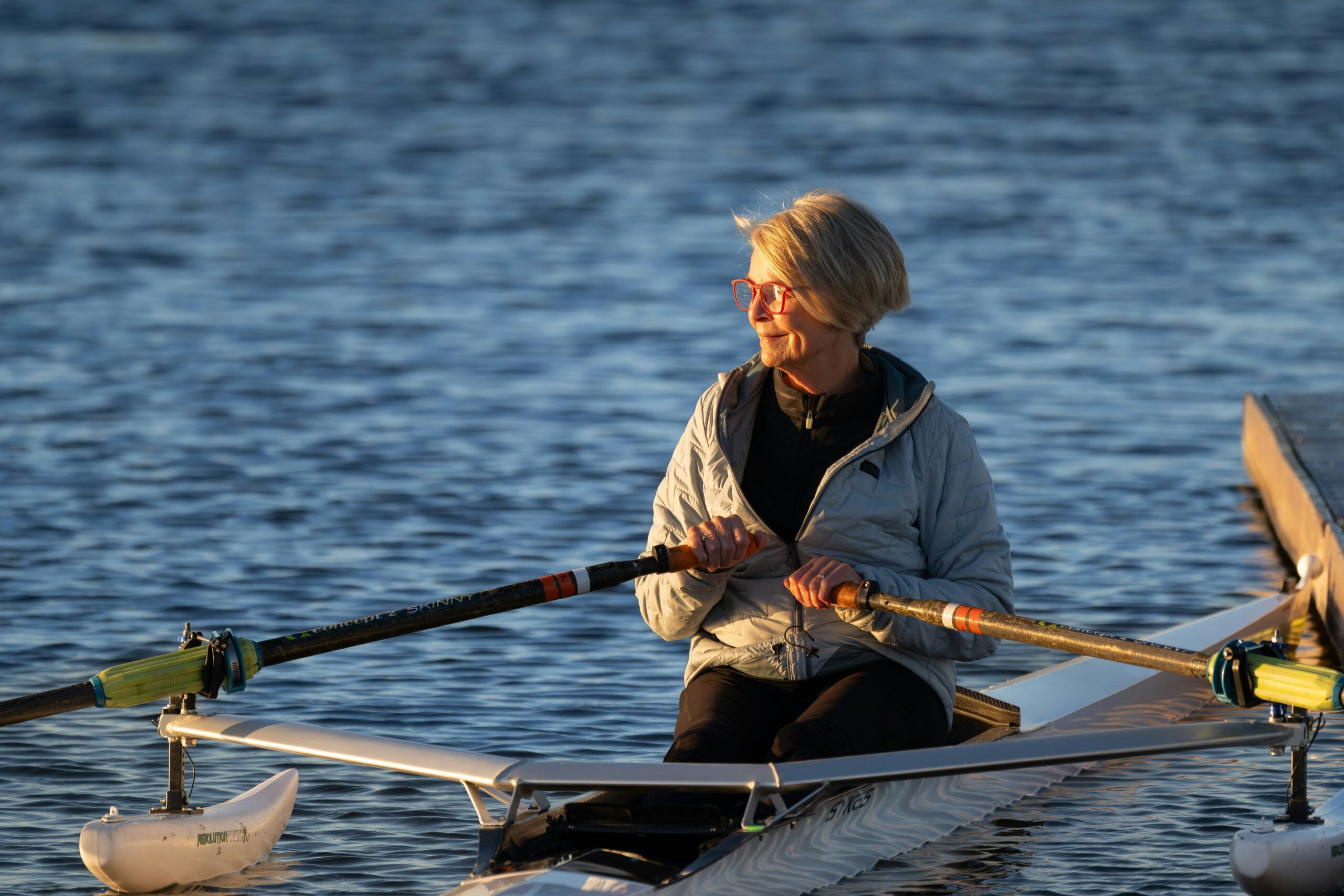
You’re at a point in your life where experience is your greatest asset. You’ve navigated challenges, celebrated triumphs, and accumulated a wealth of knowledge. As you continue to age, you’ll find that maintaining your physical well-being is as crucial as ever. Aging gracefully isn’t about denying the passage of time; it’s about embracing it with vitality, strength, and a healthy perspective. This guide offers practical tips to help you do just that, focusing on how you can actively contribute to your health and longevity through mindful choices and consistent effort.
As you age, your body undergoes natural changes. Understanding these shifts is the first step in adapting your fitness routine to best serve your needs. It’s not about resisting these changes but about working with them to maintain optimal function and well-being.
The Evolving Physiology of Aging
You’ll notice that with age, your body’s composition changes. Muscle mass, which plays a vital role in your metabolism and strength, tends to decrease. This sarcopenia is a natural process, but it’s not irreversible. By engaging in regular strength training, you can significantly mitigate this loss and even rebuild muscle. Your bone density also naturally declines, increasing the risk of osteoporosis and fractures. This underscores the importance of weight-bearing exercises and adequate calcium and vitamin D intake. Furthermore, your cardiovascular system may become less efficient. Your heart might not pump blood as forcefully, and your blood vessels can lose some elasticity. However, consistent aerobic activity can strengthen your heart, improve circulation, and help manage blood pressure. Flexibility decreases as well, leading to stiffness and reduced range of motion. This can impact your balance and increase the likelihood of falls. Regular stretching and mobility exercises are key to countering this. Lastly, your metabolism slows down, which can contribute to weight gain if you’re not mindful of your calorie intake and expenditure.
Setting Realistic Goals
When you approach fitness as a senior, it’s essential to set goals that are achievable and tailored to your current capabilities and aspirations. Avoid comparing yourself to your younger self or to others. Focus on progress, not perfection.
Defining “Graceful Aging” for You
Graceful aging is a personal journey. It might mean maintaining independence, being able to play with grandchildren, traveling comfortably, or simply feeling energetic enough to enjoy your daily activities. Identify what “graceful aging” looks like for you, and let that vision guide your fitness objectives.
Gradual Progression and Consistency
The golden rule of fitness, especially as you mature, is to progress gradually. Don’t attempt to do too much too soon. If you’re new to exercise, start with short durations and low intensity, slowly increasing as your body adapts. Consistency is far more impactful than sporadic bursts of intense activity. Aim for regular movement throughout the week rather than overexerting yourself once in a while.
As we age, maintaining physical fitness becomes increasingly important for overall health and well-being. For those looking to embrace a more active lifestyle, exploring senior fitness tips can be incredibly beneficial. A great resource for this is the article available at Explore Senior Health, which offers valuable insights and practical advice on how to stay fit and active in your golden years. By incorporating these tips into your daily routine, you can age gracefully and enjoy a higher quality of life.
Building a Balanced Fitness Routine
A well-rounded fitness program for seniors encompasses several key components, each contributing to overall health and functional capacity. It’s about creating a sustainable routine that you can maintain for the long term.
The Importance of Cardiovascular Exercise
Aerobic activity is fundamental for heart health, endurance, and managing weight. It strengthens your heart muscle, improves blood circulation, and can help lower blood pressure and cholesterol.
Choosing the Right Aerobic Activities
You don’t need to run marathons to reap the benefits of cardio. Consider activities that are low-impact and enjoyable for you. Brisk walking is an excellent starting point, accessible to most. Swimming and water aerobics are fantastic options as they are gentle on your joints. Cycling, whether outdoors or on a stationary bike, is another effective choice. Dancing provides a fun cardiovascular workout while also improving coordination and mood. Even gardening can be a surprisingly effective form of aerobic exercise.
Frequency and Intensity Recommendations
Aim for at least 150 minutes of moderate-intensity aerobic activity per week, or 75 minutes of vigorous-intensity activity, or an equivalent combination. Moderate intensity means you can talk, but not sing, during the activity. Vigorous intensity means you can only speak a few words at a time. Break this down into manageable sessions, such as 30 minutes five times a week. Listen to your body and adjust intensity as needed.
Strength Training for Muscle and Bone Health
As mentioned, muscle mass and bone density tend to decrease with age. Strength training is your most powerful tool to combat this, preserving independence and reducing the risk of falls and fractures.
Effective Strength Training Exercises
Focus on exercises that work major muscle groups. Bodyweight exercises like squats (modified if needed), lunges, and push-ups (against a wall or on your knees) are effective. Resistance bands offer a versatile and portable way to add resistance. Dumbbells or weight machines can be used for more targeted strength building. Aim for exercises that involve both upper and lower body movements, as well as core strengthening.
Sets, Reps, and Rest
For most seniors, aiming for 8-12 repetitions per set, with 2-3 sets per exercise, is a good starting point. Allow for sufficient rest between sets (60-90 seconds) to recover. It’s crucial to use a weight that challenges you by the last few repetitions but allows you to maintain good form. Avoid holding your breath; breathe out as you exert effort and breathe in as you relax.
Flexibility and Balance for Mobility and Injury Prevention
Maintaining good flexibility and balance is critical for preventing falls and enjoying a full range of motion in your daily activities. These elements are often overlooked but are vital for aging gracefully.
Stretching Techniques and Benefits
Regular stretching helps improve your range of motion, reduces muscle stiffness, and can alleviate aches and pains. Focus on static stretches, where you hold a stretch for 15-30 seconds. Target major muscle groups like hamstrings, quadriceps, calves, chest, shoulders, and back. Dynamic stretches, which involve controlled movements through a range of motion, are also beneficial before exercise.
Balance Exercises for Stability
Balance training is paramount for fall prevention. Simple exercises like standing on one foot (holding onto a support if needed), heel-to-toe walking, and Tai Chi are excellent for improving stability. Practicing these exercises regularly can significantly enhance your confidence and ability to navigate various environments. Consider using a sturdy chair or wall for support when first starting balance exercises.
Nutrition: Fueling Your Body for Longevity
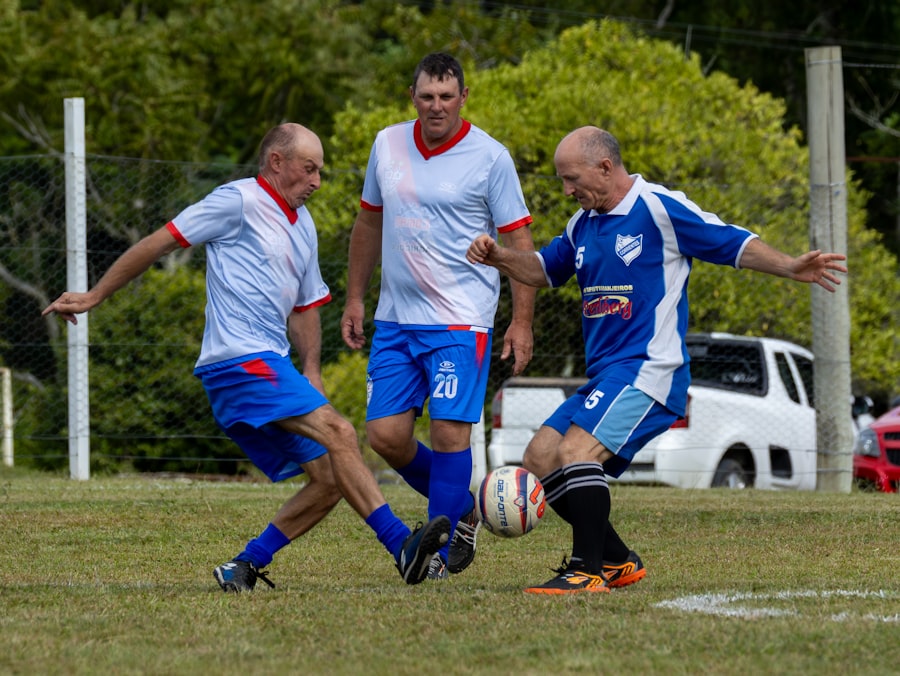
What you eat directly impacts your energy levels, muscle function, bone health, and overall well-being. As you age, your body’s nutritional needs can shift, making a balanced and nutrient-dense diet even more important.
Essential Nutrients for Seniors
Certain nutrients become particularly important as you age. Ensure you’re getting enough protein to preserve muscle mass, calcium and vitamin D for bone health, and fiber for digestive health.
Protein for Muscle Maintenance
Protein is the building block of muscle. As you age, your body may become less efficient at using protein, so it’s crucial to consume adequate amounts. Include lean protein sources in your meals, such as poultry, fish, beans, lentils, tofu, and low-fat dairy products.
Calcium and Vitamin D for Bone Strength
These two nutrients work together to keep your bones strong. Calcium is found in dairy products, leafy green vegetables, and fortified foods. Vitamin D, which helps your body absorb calcium, is obtained from sun exposure (with caution), fatty fish, and fortified foods. You may need to consult with your doctor about vitamin D supplements.
Hydration and Its Impact
You might not always feel thirsty as you age, but staying hydrated is critical for countless bodily functions, from regulating body temperature to transporting nutrients and removing waste.
Recognizing Dehydration Signs
Symptoms of dehydration can be subtle and may include dry mouth, fatigue, decreased urination, and dizziness. Pay attention to these signs and proactively drink water throughout the day.
Smart Hydration Strategies
Carry a water bottle with you and sip from it regularly. Infuse your water with fruits like lemon or cucumber for added flavor. Other hydrating fluids include herbal teas, clear broths, and fruits and vegetables with high water content like watermelon and celery. Limit intake of sugary drinks and excessive caffeine, which can have a dehydrating effect.
Mental Well-being and Physical Activity: A Connected Approach

Your mental state and physical health are intrinsically linked. Engaging in physical activity can significantly boost your mood, reduce stress, and improve cognitive function, contributing to a more fulfilling life.
The Cognitive Benefits of Exercise
Regular physical activity has been shown to sharpen cognitive function, improve memory, and enhance problem-solving skills. It also increases blood flow to the brain, which is essential for optimal brain health.
Reducing the Risk of Cognitive Decline
Studies suggest that regular exercise can play a role in reducing the risk of age-related cognitive decline and certain neurodegenerative diseases. The improved circulation and release of beneficial neurochemicals contribute to this protective effect.
Enhancing Mood and Reducing Stress
Exercise is a powerful mood elevator. It releases endorphins, which have natural mood-boosting and pain-relieving effects. Regular physical activity can also be an effective way to manage stress, anxiety, and symptoms of depression.
Social Engagement Through Fitness
Participating in group fitness classes or activities can provide valuable social interaction, combating feelings of isolation and loneliness that some seniors may experience.
Group Exercise Benefits
The camaraderie and shared experience of group fitness can be highly motivating. It provides an opportunity to meet new people, build friendships, and create a sense of community. This social connection is as important for your overall well-being as the physical activity itself.
Finding a Fitness Community
Look for local community centers, senior living facilities, or gyms that offer senior-specific fitness classes. Walking groups, dance classes, and even gardening clubs can offer opportunities for social engagement alongside physical activity.
As we age, maintaining physical fitness becomes increasingly important for overall well-being and longevity. Engaging in regular exercise can help seniors enhance their strength, flexibility, and balance, which are essential for aging gracefully. For more comprehensive insights on this topic, you might find it beneficial to explore a related article that offers valuable senior fitness tips. You can read it here: senior fitness tips that can help you stay active and vibrant in your golden years.
Adapting to Changes and Seeking Professional Guidance
| Senior Fitness Tips for Aging Gracefully |
|---|
| 1. Stay Active |
| 2. Incorporate Strength Training |
| 3. Focus on Flexibility and Balance Exercises |
| 4. Engage in Cardiovascular Activities |
| 5. Maintain a Healthy Diet |
| 6. Get Enough Sleep |
| 7. Stay Socially Connected |
As you age, some modifications to your routine or approach to fitness may be necessary. Recognizing when and how to adapt, and knowing when to seek professional help, are integral to a safe and effective fitness journey.
Listening to Your Body’s Signals
Your body will communicate its needs. Pay attention to pain, fatigue, and any unusual sensations. Distinguishing between normal muscle soreness after exercise and actual pain is an important skill.
Differentiating Between Soreness and Pain
Muscle soreness, often described as a dull ache, typically appears 24-48 hours after a new or intense workout and subsides within a couple of days. Sharp, persistent pain, especially during movement, is a signal that something is wrong and you should stop the activity.
Modifying Exercises as Needed
Don’t be afraid to modify exercises to suit your current physical condition. If an exercise causes pain or discomfort, look for an alternative or adjust its intensity. For example, if a full squat is too challenging, try a partial squat or a chair squat.
The Role of Healthcare Professionals
Your doctor and other healthcare providers are invaluable resources in your fitness journey. They can offer personalized advice and help you navigate any health concerns that might impact your exercise routine.
Consulting Your Doctor Before Starting New Programs
Before embarking on any new fitness program, especially if you have pre-existing health conditions, it’s essential to consult with your doctor. They can assess your overall health, identify any potential risks, and provide tailored recommendations.
Working with Physical Therapists and Trainers
If you have specific physical limitations, injuries, or are recovering from an illness, a physical therapist can design a rehabilitation program to safely rebuild your strength and mobility. A certified personal trainer experienced in working with seniors can also create a personalized and effective workout plan for you. They can ensure you’re using proper form and progressing safely.
Aging is a continuous process of adaptation and growth. By prioritizing your physical fitness, you are investing in your independence, your health, and your ability to enjoy life to its fullest. Embrace the journey, be consistent, and celebrate the progress you make. Your commitment to your well-being today will pave the way for a vibrant and graceful tomorrow.
FAQs
What are the benefits of senior fitness?
Regular exercise and physical activity can help seniors maintain their independence, improve their balance and flexibility, reduce the risk of chronic diseases, and enhance their overall well-being.
What types of exercises are recommended for seniors?
Seniors are encouraged to engage in a combination of aerobic, strength, flexibility, and balance exercises. Examples include walking, swimming, yoga, and resistance training.
How often should seniors exercise?
Seniors should aim for at least 150 minutes of moderate-intensity aerobic activity per week, along with muscle-strengthening activities on two or more days a week. It’s important to consult with a healthcare professional before starting a new exercise routine.
What are some safety tips for senior fitness?
Seniors should always warm up before exercising, stay hydrated, use proper equipment and footwear, and listen to their bodies. It’s also important to start slowly and gradually increase the intensity of the workouts.
Are there any specific considerations for seniors with health conditions?
Seniors with health conditions should consult with their healthcare provider before starting an exercise program. They may need to modify their workouts or choose specific exercises that are safe and beneficial for their condition.