Aging is associated with increased nutritional needs for maintaining cognitive function and memory. The brain requires consistent nutrient intake to function optimally, similar to other organs in the body. Research demonstrates that balanced nutrition can help prevent cognitive decline, support memory retention, and enhance mental clarity.
Adequate nutrition supports both physical health and cognitive function, which are essential factors for maintaining independence and quality of life in older adults. Scientific evidence establishes a clear connection between nutrition and memory function. Multiple studies indicate that specific dietary patterns significantly impact brain health outcomes.
Diets containing high levels of antioxidants, omega-3 fatty acids, vitamins, and essential minerals are associated with reduced risk of cognitive decline and dementia. Understanding these nutritional factors enables evidence-based dietary decisions that support long-term cognitive health and daily functioning.
Key Takeaways
- Proper nutrition is crucial for maintaining and improving memory in seniors.
- Certain nutrients and foods, like omega-3s and antioxidants, support brain health and memory function.
- Avoiding processed foods and excessive sugars can help optimize memory performance.
- Hydration, physical activity, and gut health play significant roles in supporting cognitive function.
- Creating a supportive environment and thoughtful meal planning enhance memory health in older adults.
Nutrients That Support Brain Health
When it comes to supporting brain health, certain nutrients stand out as particularly beneficial. Omega-3 fatty acids, for example, are essential for maintaining the structure and function of brain cells. These healthy fats are found in fish like salmon and mackerel, as well as in flaxseeds and walnuts.
Incorporating these foods into your diet can help improve memory and cognitive function, making them a vital component of a memory-boosting diet. In addition to omega-3s, antioxidants play a crucial role in protecting your brain from oxidative stress. Vitamins C and E, along with flavonoids found in fruits and vegetables, help combat free radicals that can damage brain cells.
B vitamins, particularly B6, B12, and folate, are also essential for brain health as they support neurotransmitter function and help reduce homocysteine levels, which are linked to cognitive decline. By ensuring that you consume a variety of these nutrients, you can create a strong foundation for optimal brain health.
Foods to Include in a Memory-Boosting Diet
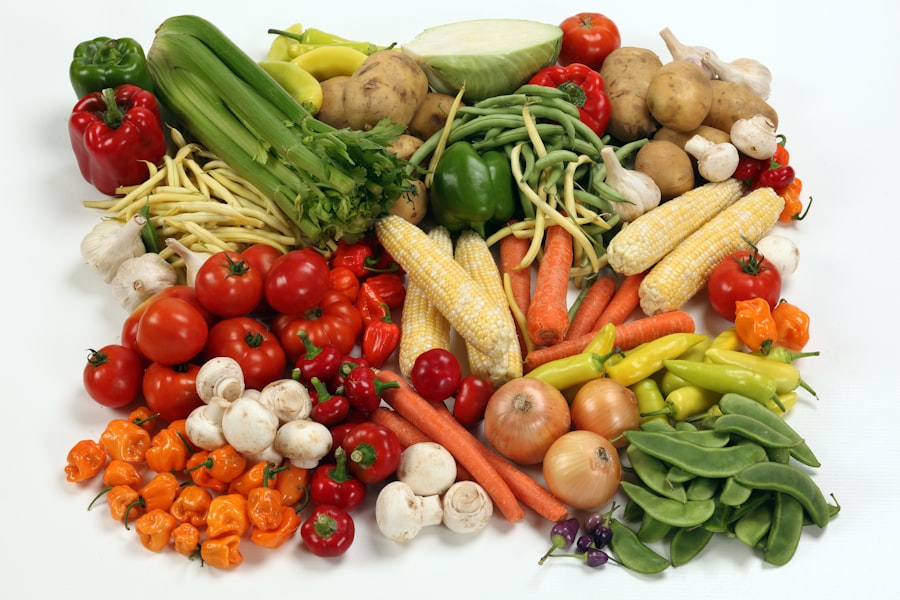
To enhance your memory and cognitive function, consider incorporating a variety of brain-boosting foods into your daily meals. Leafy greens such as spinach and kale are packed with vitamins and minerals that support brain health. These vegetables are rich in antioxidants and have been associated with slower cognitive decline.
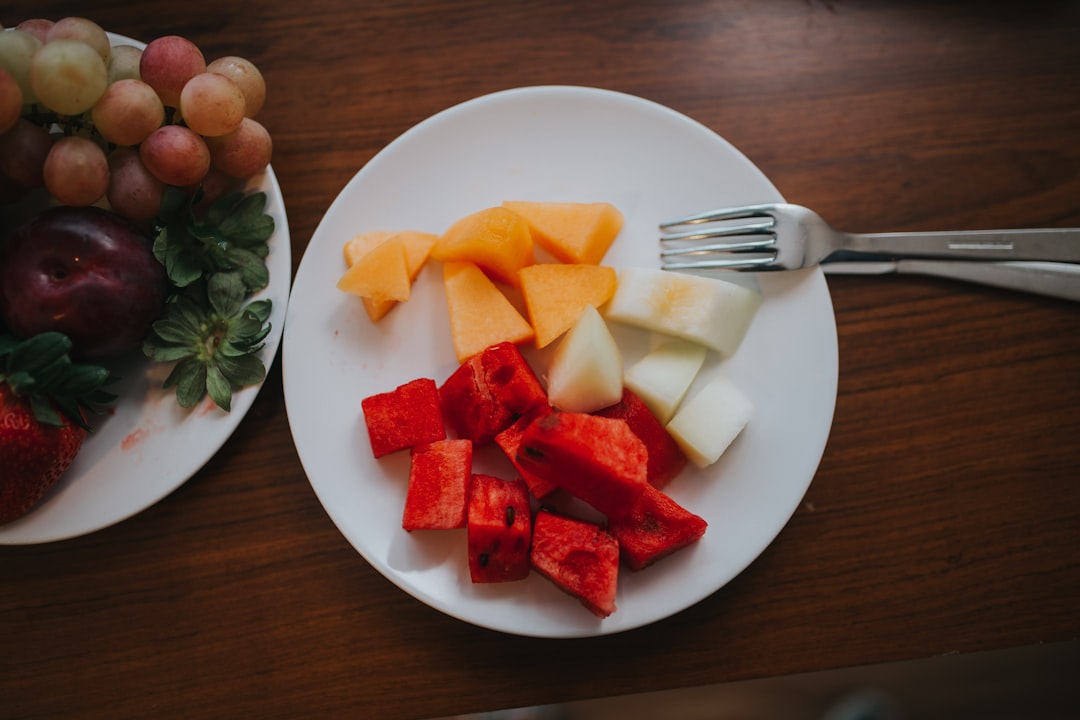
Including a colorful array of fruits like berries, oranges, and apples can also provide essential nutrients while adding flavor to your meals. Whole grains should not be overlooked either; they provide a steady source of energy for your brain. Foods like oatmeal, brown rice, and quinoa are excellent choices that can help maintain stable blood sugar levels, which is crucial for optimal cognitive function.
Additionally, nuts and seeds are great snacks that offer healthy fats and protein, making them perfect for keeping your mind sharp throughout the day. By focusing on these nutrient-dense foods, you can create a diet that supports memory enhancement.
Foods to Avoid for Optimal Memory Function
While there are many foods that can boost your memory, there are also those that may hinder cognitive function. Processed foods high in sugar and unhealthy fats can lead to inflammation and oxidative stress in the brain. These types of foods often lack essential nutrients and can contribute to cognitive decline over time.
It’s wise to limit your intake of sugary snacks, sodas, and fast food if you want to maintain optimal memory function. Additionally, excessive consumption of alcohol can negatively impact your cognitive abilities. While moderate drinking may have some benefits for heart health, overindulgence can lead to memory lapses and even long-term cognitive impairment.
By being mindful of what you eat and drink, you can take proactive steps toward preserving your memory and overall brain health.
Tips for Meal Planning for Senior Memory Health
| Nutrition Metric | Recommended Daily Intake | Impact on Memory | Common Food Sources |
|---|---|---|---|
| Omega-3 Fatty Acids (DHA & EPA) | 250-500 mg | Supports brain cell structure and function, improves memory and cognitive performance | Fatty fish (salmon, mackerel), flaxseeds, walnuts |
| Vitamin B12 | 2.4 mcg | Prevents memory loss and cognitive decline by supporting nerve health | Meat, dairy products, fortified cereals |
| Vitamin E | 15 mg | Acts as an antioxidant protecting brain cells from oxidative stress | Nuts, seeds, spinach, broccoli |
| Folate (Vitamin B9) | 400 mcg | Supports neurotransmitter synthesis and cognitive function | Leafy greens, legumes, fortified grains |
| Antioxidants (Flavonoids) | Varies | Reduces inflammation and oxidative damage in the brain | Berries, dark chocolate, green tea |
| Choline | 425-550 mg | Essential for memory and brain development | Eggs, liver, soybeans |
| Water | 1.7-2.7 liters | Maintains cognitive function and concentration | Water, herbal teas, fruits, and vegetables |
Meal planning is an effective strategy for ensuring that you consume a balanced diet rich in nutrients that support memory health. Start by creating a weekly menu that includes a variety of foods from all food groups. This not only helps you stay organized but also encourages you to try new recipes and ingredients that may benefit your brain.
Consider incorporating themes for each day—such as “Fish Friday” or “Veggie Wednesday”—to make meal planning more enjoyable. When preparing meals, aim for simplicity while maximizing nutrition. Focus on whole foods rather than processed options, and try to include a source of protein, healthy fats, and plenty of fruits and vegetables in each meal.
Batch cooking can also be a time-saver; preparing larger quantities of meals allows you to have healthy options readily available throughout the week. By taking the time to plan your meals thoughtfully, you can create an environment that fosters better memory health.
The Role of Hydration in Memory Function

Hydration is often an overlooked aspect of nutrition that plays a significant role in cognitive function. Your brain is composed of approximately 75% water, making it essential to stay adequately hydrated for optimal performance. Dehydration can lead to fatigue, confusion, and impaired memory—issues that can be particularly concerning for seniors.
Therefore, it’s crucial to make hydration a priority in your daily routine. To ensure you’re drinking enough fluids throughout the day, consider setting reminders or keeping a water bottle nearby. Herbal teas and infused water with fruits or herbs can add variety to your hydration routine while providing additional health benefits.
Aim for at least eight glasses of water daily or more if you’re active or live in a hot climate. By prioritizing hydration, you can support your brain’s ability to function effectively and maintain sharp memory skills.
How Physical Activity Supports Brain Health
In addition to nutrition, physical activity is another key component of maintaining brain health as you age. Regular exercise has been shown to improve blood flow to the brain, which enhances oxygen delivery and nutrient absorption—both vital for optimal cognitive function. Engaging in physical activity also promotes the release of endorphins and other neurotransmitters that can improve mood and reduce stress levels.
You don’t need to engage in high-intensity workouts to reap the benefits; even moderate activities like walking, swimming, or yoga can have positive effects on your brain health. Aim for at least 150 minutes of moderate aerobic activity each week combined with strength training exercises on two or more days. By incorporating physical activity into your routine, you not only support your body but also enhance your memory and cognitive abilities.
The Connection Between Gut Health and Memory
Emerging research has highlighted the fascinating connection between gut health and brain function—a relationship often referred to as the gut-brain axis. Your gut microbiome plays a crucial role in producing neurotransmitters like serotonin and dopamine that influence mood and cognition. A healthy gut can contribute to improved memory function while an imbalanced microbiome may lead to cognitive issues.
To support gut health, focus on consuming fiber-rich foods such as whole grains, fruits, vegetables, legumes, and fermented foods like yogurt or sauerkraut.
By nurturing your gut through proper nutrition, you may find that your cognitive abilities improve as well.
Mealtime Strategies for Improving Memory
Creating an environment conducive to healthy eating habits can significantly impact your memory function. One effective strategy is to establish regular meal times; consistency helps regulate your body’s internal clock and ensures that you’re getting the nutrients you need throughout the day. Eating meals at the same time each day can also help improve digestion and nutrient absorption.
Additionally, consider making mealtime a social event whenever possible. Sharing meals with family or friends not only enhances the dining experience but also provides emotional support that can positively affect mental well-being. Engaging in conversation during meals stimulates cognitive function while fostering connections with loved ones—both essential elements for maintaining good memory health.
Supplements for Memory Support in Seniors
While a balanced diet should be your primary source of nutrients, some seniors may benefit from supplements designed to support memory function. Omega-3 fatty acid supplements are popular among those looking to enhance cognitive abilities; however, it’s essential to consult with a healthcare professional before starting any new supplement regimen. They can help determine if supplements are appropriate for you based on your individual health needs.
Other supplements worth considering include B vitamins—particularly B12—and antioxidants like vitamin E or CoQ10. These nutrients have been linked to improved cognitive function in some studies. However, remember that supplements should complement a healthy diet rather than replace it; focusing on whole foods should always be your first priority when it comes to supporting memory health.
Creating a Supportive Environment for Senior Memory Health
Finally, creating a supportive environment is crucial for promoting memory health among seniors. This includes not only physical surroundings but also emotional support systems. Ensure that your living space is organized and free from clutter; a tidy environment can reduce distractions and help improve focus and concentration.
Additionally, consider engaging in activities that stimulate your mind—such as puzzles, reading, or learning new skills—to keep your brain active and engaged. Surround yourself with supportive friends or family members who encourage healthy habits and provide companionship; social interaction is vital for maintaining mental acuity as you age. By fostering an environment that prioritizes both physical and emotional well-being, you can significantly enhance your memory health as you navigate the later years of life.
For seniors looking to enhance their memory through nutrition, a valuable resource can be found in the article on senior health nutrition available at Explore Senior Health.
FAQs
What are the key nutrients that support memory in seniors?
Key nutrients that support memory in seniors include omega-3 fatty acids, antioxidants (such as vitamins C and E), B vitamins (especially B6, B12, and folate), and minerals like zinc and magnesium. These nutrients help protect brain cells, reduce inflammation, and support cognitive function.
How does a balanced diet impact memory health in older adults?
A balanced diet rich in fruits, vegetables, whole grains, lean proteins, and healthy fats provides essential nutrients that support brain health. Proper nutrition helps maintain neural connections, reduces oxidative stress, and may slow cognitive decline associated with aging.
Are there specific foods that can improve memory in seniors?
Yes, foods such as fatty fish (rich in omega-3s), berries (high in antioxidants), nuts, leafy green vegetables, and whole grains have been linked to improved memory and cognitive function in seniors.
Can hydration affect memory and cognitive function in older adults?
Yes, adequate hydration is important for maintaining cognitive function. Dehydration can lead to confusion, memory problems, and decreased concentration, especially in older adults.
Is it necessary for seniors to take supplements for memory health?
While some seniors may benefit from supplements, especially if they have nutrient deficiencies, it is generally recommended to obtain nutrients from a balanced diet. Consultation with a healthcare provider is important before starting any supplements.
How does physical activity complement nutrition for memory health in seniors?
Physical activity improves blood flow to the brain, supports the growth of new brain cells, and reduces the risk of cognitive decline. Combined with good nutrition, exercise can enhance memory and overall brain health.
Are there any dietary patterns known to support memory in seniors?
Yes, dietary patterns such as the Mediterranean diet and the DASH (Dietary Approaches to Stop Hypertension) diet have been associated with better cognitive function and reduced risk of memory decline in older adults.
Can poor nutrition contribute to memory loss in seniors?
Yes, poor nutrition, including deficiencies in key vitamins and minerals, can impair brain function and contribute to memory loss and cognitive decline in seniors.
How often should seniors eat to support memory health?
Seniors should aim for regular, balanced meals throughout the day to maintain steady blood sugar levels and provide continuous nutrients to the brain, which supports optimal cognitive function.
What lifestyle factors, besides nutrition, influence memory health in seniors?
In addition to nutrition, factors such as regular physical activity, adequate sleep, mental stimulation, social engagement, and managing chronic conditions like diabetes and hypertension play important roles in maintaining memory health.