
As you age, your body undergoes various physiological changes that impact your health and well-being. Maintaining vitality and a high quality of life in your senior years requires a proactive and informed approach. This article provides essential insights and actionable strategies to navigate the complexities of aging gracefully and effectively.
Aging is not a single event but a continuum of interconnected biological processes. While some changes are universal, their manifestation and impact vary significantly among individuals. Comprehending these fundamental shifts is the cornerstone of effective senior health management.
Cellular Senescence and Telomere Shortening
At the cellular level, you experience a phenomenon known as cellular senescence. This occurs when cells stop dividing but remain metabolically active, secreting inflammatory molecules that can contribute to age-related diseases. Concurrently, telomeres – the protective caps at the ends of your chromosomes – progressively shorten with each cell division. Once telomeres reach a critical length, the cell can no longer divide, eventually leading to cellular death or senescence. This intrinsic biological clock influences various organ system functions.
Hormonal Shifts and Their Repercussions
Your endocrine system, a network of glands that produce hormones, undergoes significant recalibration as you age. For women, menopause marks a dramatic decline in estrogen levels, influencing bone density, cardiovascular health, and cognitive function. For men, a more gradual decline in testosterone, often referred to as andropause, can affect muscle mass, energy levels, and mood. Thyroid hormone production may also decrease, potentially leading to metabolic slowdown and fatigue. Managing these hormonal shifts, often through lifestyle interventions or, in some cases, hormone replacement therapy, can mitigate their adverse effects.
Immune System Attenuation (Immunosenescence)
Your immune system, your body’s primary defense mechanism against pathogens, becomes less robust with age – a process known as immunosenescence. The production of new immune cells diminishes, and existing cells become less efficient at recognizing and eliminating threats. This makes you more susceptible to infections, such as influenza and pneumonia, and may also impair your response to vaccinations. Lifestyle factors, including nutrition and physical activity, play a crucial role in bolstering your immune defenses.
For seniors looking to enhance their health and wellness, it’s essential to stay informed about the latest advice and resources available. A great resource is the article found at Explore Senior Health, which offers valuable insights into maintaining physical and mental well-being as we age. This site provides practical tips on nutrition, exercise, and mental health strategies specifically tailored for older adults, helping them lead healthier, more fulfilling lives.
Navigating Physical Health Challenges
Maintaining physical health is paramount for preserving your independence and quality of life. As you age, you encounter a distinct set of physical challenges that require specific attention and strategic interventions.
Bone Health: Preventing Osteoporosis and Fractures
Your bones, once a robust scaffolding, can become more porous and brittle with age, a condition known as osteoporosis. This increases your risk of fractures, particularly in the hip, spine, and wrist. Bone density peaks in early adulthood and gradually declines thereafter.
Dietary Strategies for Bone Strength
To counteract bone loss, your diet is a critical ally. Adequate calcium intake, whether from dairy products, leafy green vegetables, or fortified foods, is essential. Vitamin D, equally vital, facilitates calcium absorption. Sunlight exposure is a natural source of Vitamin D, but supplementation may be necessary, especially in regions with limited sun exposure. Magnesium and Vitamin K also contribute to bone metabolism.
Weight-Bearing Exercise for Bone Remodeling
Engaging in weight-bearing exercises, such as walking, jogging, hiking, or weightlifting, stimulates bone remodeling. The stress placed on your bones during these activities signals your body to lay down new bone tissue, strengthening existing structures. Even low-impact activities like dancing or climbing stairs contribute positively to bone health.
Fall Prevention: A Proactive Approach
Falls are a major cause of injury and disability among seniors. Addressing risk factors is crucial. This includes reviewing medications that may cause dizziness, ensuring your home environment is free of tripping hazards (e.g., loose rugs, cluttered walkways), improving balance through specific exercises (e.g., tai chi), and wearing appropriate footwear. Regular vision checks are also vital, as impaired vision contributes significantly to fall risk.
Cardiovascular Health: Keeping Your Heart Strong
Your cardiovascular system, a complex network of arteries, veins, and your heart, works tirelessly throughout your life. As you age, these vessels can become less elastic, and plaque can accumulate, leading to conditions like hypertension (high blood pressure) and atherosclerosis (hardening of the arteries).
Managing Blood Pressure and Cholesterol
Regular monitoring of your blood pressure and cholesterol levels is non-negotiable. High blood pressure, often a silent assailant, can lead to heart disease, stroke, and kidney problems. Dietary interventions, such as reducing sodium intake and incorporating omega-3 fatty acids, along with regular exercise, are foundational. Similarly, managing cholesterol through diet (limiting saturated and trans fats) and, if necessary, medication, helps prevent plaque buildup in your arteries.
Exercise for Cardiac Function
Aerobic exercise, such as brisk walking, swimming, cycling, or dancing, strengthens your heart muscle and improves its efficiency. Aim for at least 150 minutes of moderate-intensity aerobic activity per week. This not only benefits your heart but also helps maintain a healthy weight and reduces stress, both crucial for cardiovascular well-being.
Recognizing Warning Signs of Heart Problems
Educate yourself about the warning signs of heart attack and stroke. Chest pain, shortness of breath, unexplained fatigue, and discomfort in your arm, jaw, or back are symptoms that warrant immediate medical attention. Timely intervention can significantly improve outcomes.
Nurturing Cognitive Function

Your brain, a marvel of biological engineering, undergoes structural and functional changes with age. While some cognitive decline is a normal part of aging, maintaining mental acuity and preventing severe cognitive impairment is a significant focus of senior health.
Brain Plasticity and Lifelong Learning
The concept of brain plasticity, your brain’s ability to reorganize itself by forming new neural connections, remains active throughout your life. Engaging in mentally stimulating activities, such as learning a new language, playing musical instruments, solving puzzles, or reading challenging books, reinforces these connections and helps build cognitive reserve. Think of it as continually upgrading your internal software.
Memory Enhancement Strategies
While some memory lapses are benign, proactive strategies can support memory function. Techniques such as mnemonic devices, chunking information, and creating associations can aid recall. Ensuring adequate sleep, managing stress, and a diet rich in antioxidants are also critical for optimal memory performance.
The Role of Social Engagement
Social interaction is a powerful stimulant for your brain. Maintaining strong social ties, participating in group activities, engaging in conversations, and avoiding social isolation contribute to better cognitive outcomes. Loneliness and social disengagement have been linked to an increased risk of cognitive decline and dementia.
Prioritizing Mental and Emotional Well-being

Your mental and emotional landscape profoundly influences your overall health. Addressing psychological challenges and fostering emotional resilience are essential components of healthy aging.
Addressing Mood Disorders: Depression and Anxiety
Depression and anxiety are not inevitable parts of aging, yet they are prevalent among seniors. Recognizing symptoms such as persistent sadness, loss of interest in activities, changes in sleep or appetite, and chronic worrying is crucial. These conditions are treatable, and seeking professional help, either through therapy, medication, or both, can significantly improve your quality of life. Do not hesitate to reach out; just as you would for a physical ailment, address your mental health proactively.
Stress Management Techniques
The stressors of life do not diminish with age; they merely change form. Managing chronic stress is vital for both mental and physical health. Techniques such as mindfulness meditation, deep breathing exercises, yoga, and spending time in nature can effectively reduce stress hormones and promote a sense of calm. Engaging in hobbies and enjoyable activities also serves as a potent stress buffer.
Fostering Purpose and Meaning
As roles shift and life circumstances change, finding a sense of purpose and meaning becomes increasingly important. This could involve volunteering, mentorship, engaging in creative pursuits, caring for pets, or continuing to pursue passions and interests. A sense of purpose acts as an anchor, providing direction and motivation, and has been linked to increased longevity and well-being.
For seniors looking to enhance their health and wellness, it’s essential to stay informed about the best practices and resources available. A great resource that offers valuable insights is an article on senior health and wellness advice, which can be found here. This article covers various topics, including nutrition, exercise, and mental well-being, providing practical tips to help seniors lead a healthier and more fulfilling life.
The Foundation of Healthy Living: Lifestyle Choices
| Health Metric | Recommended Value/Advice | Notes |
|---|---|---|
| Daily Physical Activity | At least 150 minutes of moderate exercise per week | Includes walking, swimming, or light aerobics |
| Blood Pressure | Below 130/80 mm Hg | Regular monitoring recommended |
| Calcium Intake | 1200 mg per day | Supports bone health and reduces osteoporosis risk |
| Vitamin D | 800-1000 IU per day | Helps with calcium absorption and immune function |
| Sleep Duration | 7-8 hours per night | Promotes cognitive function and overall health |
| Hydration | 6-8 cups of water daily | Adjust based on activity level and climate |
| Social Engagement | Regular interaction with friends and family | Supports mental health and reduces loneliness |
| Routine Health Screenings | Annual check-ups and age-appropriate tests | Includes vision, hearing, and cancer screenings |
While specific health concerns demand targeted interventions, a holistic approach grounded in fundamental lifestyle choices underpins all aspects of senior health. These choices are your everyday toolkit for vitality.
Nutrition: Fueling Your Body for Longevity
Your body’s nutritional requirements evolve with age. A balanced diet rich in whole foods is your primary defense against a myriad of age-related diseases.
The Mediterranean Diet: A Blueprint for Health
The Mediterranean diet, characterized by an abundance of fruits, vegetables, whole grains, legumes, nuts, and healthy fats (especially olive oil), along with moderate consumption of fish and poultry, and limited red meat and sugary foods, consistently demonstrates benefits for cardiovascular health, cognitive function, and overall longevity. It’s not a rigid diet but a lifestyle pattern, emphasizing fresh, unprocessed foods.
Hydration: Often Overlooked, Always Essential
Dehydration is a common problem among seniors and can lead to fatigue, confusion, and an increased risk of falls. Your sense of thirst may diminish with age, making it critical to consciously consume sufficient fluids throughout the day. Water, herbal teas, and fruit-infused water are excellent choices.
Nutrient Density and Supplementation Considerations
Focus on nutrient-dense foods that provide maximum vitamins, minerals, and antioxidants per calorie. While a balanced diet is ideal, certain nutrient deficiencies can occur. Discuss with your healthcare provider whether supplemental intake of vitamins (e.g., B12, D) or minerals (e.g., calcium) is appropriate for your individual needs. Supplements are intended to complement, not replace, a healthy diet.
Physical Activity: The Elixir of Aging
Exercise is arguably the single most impactful lifestyle choice you can make for your health. It’s not merely about performance; it’s about functionality and resilience.
Cardiorespiratory Fitness: Keeping Your Engine Running
Regular aerobic exercise improves the efficiency of your heart and lungs, enhancing stamina and energy levels. Aim for activities that elevate your heart rate, such as brisk walking, swimming, cycling, or dancing. This “engine maintenance” is critical for sustained vitality.
Strength Training: Preserving Muscle Mass
Sarcopenia, the age-related loss of muscle mass and strength, can significantly impact your mobility, balance, and metabolic rate. Incorporating strength training exercises (using weights, resistance bands, or your own body weight) at least twice a week helps counteract sarcopenia, maintain independence, and support bone health. Your muscles are your personal shock absorbers and power plants.
Flexibility and Balance: Preventing Falls and Aiding Movement
Maintaining flexibility through stretching, yoga, or Tai Chi improves your range of motion and reduces muscle stiffness. Balance exercises are crucial for fall prevention, helping to stabilize your body and improve proprioception (your sense of body position). These activities are like fine-tuning your body’s steering and suspension systems.
Sleep Hygiene: The Unsung Hero of Restoration
Quality sleep is not a luxury; it is a fundamental pillar of health. As you age, sleep patterns can change, but consistent, restorative sleep is non-negotiable for physical repair, cognitive function, and emotional regulation.
Establishing a Consistent Sleep Schedule
Go to bed and wake up at roughly the same time each day, even on weekends. This helps regulate your body’s natural sleep-wake cycle (circadian rhythm).
Optimizing Your Sleep Environment
Ensure your bedroom is dark, quiet, and cool. Avoid bright screens (phones, tablets, computers) before bedtime, as the blue light emitted can disrupt melatonin production.
Addressing Sleep Disturbances
If you experience persistent sleep problems, such as insomnia, sleep apnea, or restless legs syndrome, consult your healthcare provider. These conditions can significantly impact your health and often have effective treatments.
The Role of Preventative Healthcare
Proactive engagement with your healthcare system is perhaps the most significant differentiator in healthy aging. Regular check-ups and screenings are your early warning system.
Regular Medical Check-ups and Screenings
Adhere to recommended schedules for preventative screenings, including blood pressure checks, cholesterol panels, glucose screenings, cancer screenings (mammograms, colonoscopies, prostate exams), and bone density scans. These screenings can detect potential health issues at their earliest and most treatable stages.
Vaccinations: Your Shield Against Disease
Ensure you are up-to-date on vaccinations, including the annual flu shot, pneumonia vaccine, shingles vaccine, and tetanus booster. Your immune system benefits from every layer of defense you provide.
Medication Management
As you age, it is common to be on multiple medications. Maintain an accurate and up-to-date list of all your medications, including over-the-counter drugs and supplements. Regularly review this list with your doctor or pharmacist to identify potential drug interactions or unnecessary prescriptions. Understand the purpose, dosage, and potential side effects of each medication.
By diligently adopting these strategies, you are not merely aging; you are actively authoring a vibrant and fulfilling chapter of your life, demonstrating that vitality can be sustained and even enhanced across the lifespan.
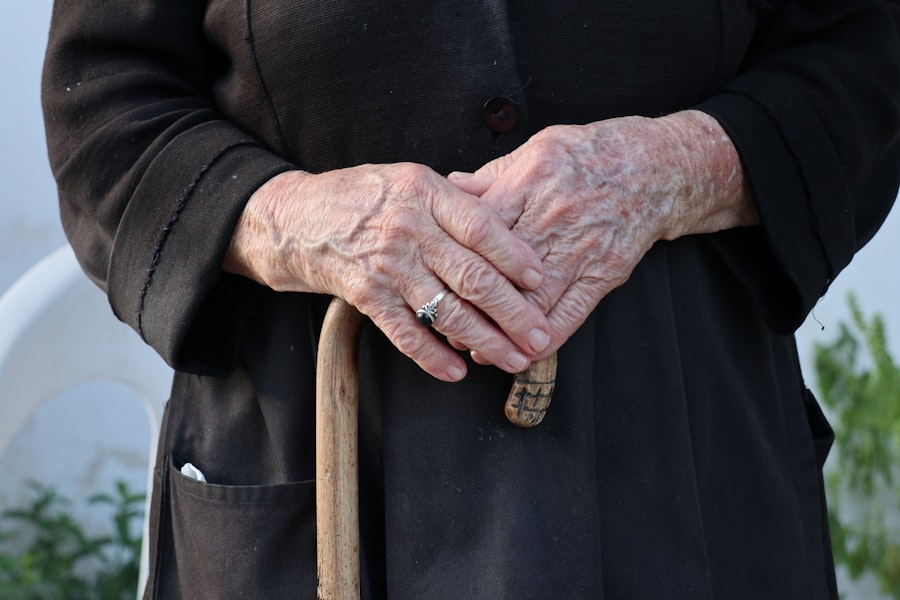
WATCH NOW ▶️ STOP Working Out: The 3-Step “Kitchen Protocol” to Rebuild Muscle After 60
FAQs
What are some key components of senior health and wellness?
Key components include regular physical activity, a balanced diet, adequate hydration, routine medical check-ups, mental health care, and social engagement.
How often should seniors get medical check-ups?
Seniors should have annual check-ups with their healthcare provider, or more frequently if they have chronic conditions or specific health concerns.
What types of exercise are recommended for seniors?
Low-impact activities such as walking, swimming, yoga, and strength training are recommended to improve mobility, balance, and overall health.
Why is nutrition important for senior wellness?
Proper nutrition helps maintain energy, supports immune function, prevents chronic diseases, and aids in managing existing health conditions.
How can seniors maintain mental health and cognitive function?
Engaging in social activities, pursuing hobbies, staying mentally active through reading or puzzles, managing stress, and seeking professional help when needed are important for mental wellness.