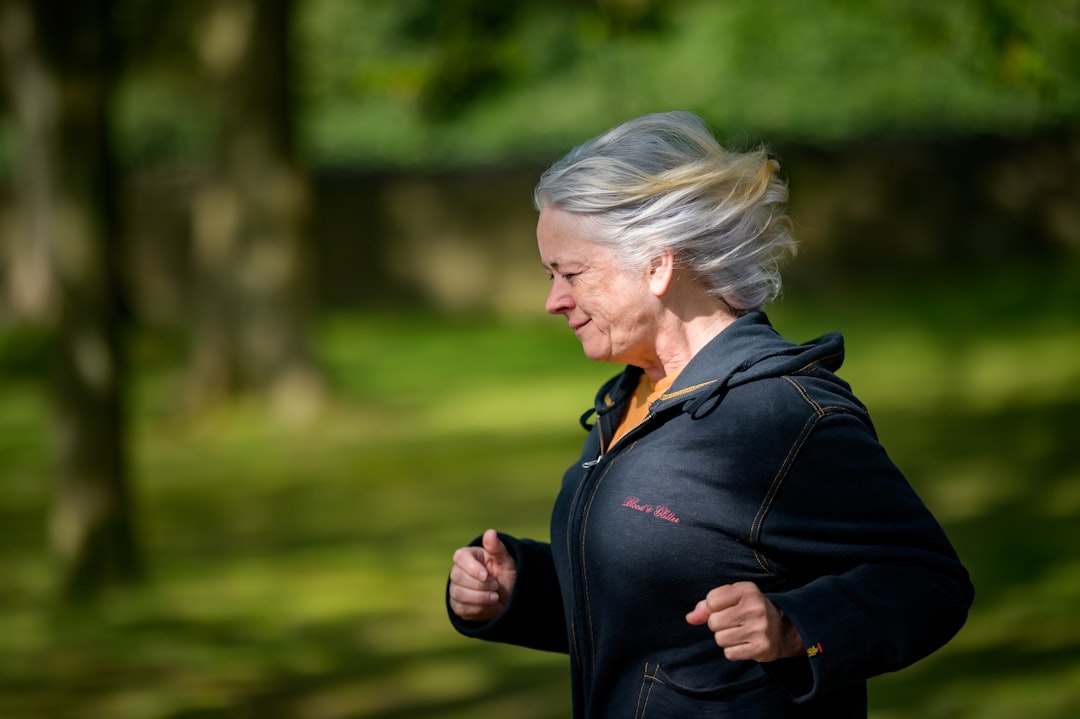
As you navigate the later chapters of life, the landscape of your health and well-being shifts. This article serves as a practical compass, guiding you through the multifaceted terrain of senior health with evidence-based strategies and actionable advice. We will explore key domains of wellness, offering you the tools to not merely extend your lifespan, but to enrich its quality. Think of your body and mind as a sophisticated vessel that, with proper maintenance and foresight, can continue to sail smoothly and robustly even against the currents of time.
The Foundation of Physical Vigor
Maintaining physical health is paramount as you age. It underpins your independence and your ability to engage with life fully. Consider your body a well-oiled machine; neglect leads to rust and decreased efficiency, while consistent care ensures its optimal functioning. To learn effective strategies for fall prevention, watch this informative video.
The Power of Movement: Exercise as Medicine
Regular physical activity is not merely an option; it is a pharmaceutical-grade intervention without the side effects. The benefits are profound and far-reaching, impacting virtually every physiological system.
- Cardiovascular Health: Engaging in aerobic activities, such as brisk walking, swimming, or cycling, strengthens your heart muscle, improves blood circulation, and helps maintain healthy blood pressure levels. This reduces your risk of heart disease and stroke, acting as a prophylactic against these common age-related afflictions.
- Musculoskeletal Integrity: Weight-bearing exercises, encompassing everything from lifting light weights to bodyweight exercises like squats and lunges, combat age-related muscle loss (sarcopenia) and bone density reduction (osteoporosis). Stronger muscles translate to better balance and reduced fall risk, essentially fortifying your physical scaffolding.
- Flexibility and Balance: Incorporating activities like yoga, Tai Chi, or simple stretching routines can significantly improve your range of motion and equilibrium. These practices are crucial for maintaining agility and preventing falls, which can be particularly debilitating for older adults. Think of these exercises as refining your internal gyroscope, keeping you stable and upright.
- Endurance and Stamina: Consistent physical activity enhances your overall energy levels, allowing you to perform daily tasks with greater ease and pursue hobbies and social engagements without undue fatigue. It’s about expanding your “energy reservoir.”
- Mood Regulation: Exercise is a potent antidepressant and anxiolytic. It triggers the release of endorphins, natural mood elevators that can combat feelings of loneliness or isolation, which can sometimes accompany aging.
Fueling Your Body: Nutritional Wisdom
What you consume is the very fuel that powers your existence. As you age, your metabolic rate may decrease, and your nutritional needs can shift. Therefore, a mindful approach to diet becomes even more critical.
- Balanced Macronutrients: Prioritize a diet rich in lean proteins (fish, poultry, beans, lentils), complex carbohydrates (whole grains, fruits, vegetables), and healthy fats (avocado, nuts, olive oil). These macronutrients provide sustained energy and essential building blocks for cellular repair.
- Micronutrient Emphasis: Ensure adequate intake of vitamins and minerals. Vitamin D, for example, is vital for bone health and immune function, and its absorption can decline with age. Calcium is equally crucial for bone integrity. Include a wide variety of colorful fruits and vegetables to ensure a broad spectrum of antioxidants, which combat cellular damage.
- Hydration is Key: Water is often overlooked but is fundamental to all bodily functions. Dehydration can lead to fatigue, cognitive impairment, and even exacerbate existing health conditions. Aim for consistent water intake throughout the day, viewing it as the lubricant for your internal machinery.
- Fiber-Rich Foods: Dietary fiber is essential for digestive health, preventing constipation, and regulating blood sugar levels. Incorporate whole grains, legumes, fruits, and vegetables into your daily meals.
- Mindful Eating: Pay attention to portion sizes and practice mindful eating, listening to your body’s hunger and fullness cues. This can help prevent overeating and maintain a healthy weight, which is crucial for reducing the risk of conditions like diabetes and heart disease.
Cultivating Mental Acuity
Your brain, a complex and dynamic organ, also benefits immensely from consistent engagement and care. Just as physical exercise strengthens muscles, mental exercise fortifies cognitive function. Maintaining a sharp mind is not merely about avoiding decline; it’s about enriching your perception of the world and retaining your intellectual vitality.
The Brain as a Muscle: Cognitive Engagement
Your brain thrives on novelty and challenge. Think of it as a muscle that atrophies with disuse and strengthens with regular workouts.
- Lifelong Learning: Pursue new hobbies, learn a new language, take a class, or delve into subjects that pique your curiosity. The act of learning forges new neural pathways and strengthens existing ones, acting as a protective buffer against cognitive decline.
- Problem-Solving Activities: Engage in puzzles, crosswords, Sudoku, chess, or strategic board games. These activities require critical thinking, memory recall, and planning, all of which contribute to cognitive resilience.
- Reading and Writing: Continuous engagement with literature, newspapers, and written communication stimulates various cognitive domains, including comprehension, vocabulary, and information processing. Maintaining a journal can also be a powerful tool for reflection and cognitive organization.
- Social Interaction: Meaningful social engagement is a powerful cognitive stimulant. Discussions, debates, and shared experiences with others activate different parts of the brain and combat feelings of loneliness and isolation, which are recognized risk factors for cognitive decline.
- Mindfulness and Meditation: Practices that promote present-moment awareness can improve attention span, reduce stress, and enhance emotional regulation. A calmer mind is often a clearer mind.
Protecting Your Cognitive Fortress: Lifestyle Factors
Beyond direct cognitive engagement, several lifestyle choices significantly impact brain health.
- Adequate Sleep: Sleep is not merely a period of inactivity; it’s a vital process during which your brain consolidates memories, clears metabolic waste products, and repairs itself. Chronic sleep deprivation is a known detriment to cognitive function. Aim for 7-9 hours of quality sleep per night.
- Stress Management: Chronic stress can have corrosive effects on the brain, impairing memory and executive function. Develop healthy coping mechanisms such as exercise, hobbies, mindfulness, or seeking support from loved ones or professionals.
- Managing Chronic Conditions: Conditions like hypertension, diabetes, and high cholesterol, if uncontrolled, can negatively impact blood flow to the brain and increase the risk of vascular dementia. Vigilant management of these conditions is crucial for long-term cognitive health.
Nurturing Emotional and Social Connections
Humans are innately social beings. As you age, maintaining robust social networks and cultivating emotional well-being becomes increasingly vital. Isolation can be as detrimental to your health as smoking, illustrating its profound impact. Think of your social connections as a warm, protective blanket that shields you from the chill of loneliness and provides comfort and support.
The Power of Connection: Social Engagement
Staying connected is a cornerstone of overall wellness, providing both emotional support and cognitive stimulation.
- Family Bonds: Nurture relationships with your children, grandchildren, and other family members. These connections often provide a profound sense of belonging and purpose.
- Friendship Networks: Maintain existing friendships and actively seek new ones. Friends offer companionship, shared experiences, and a vital support system. Consider joining clubs, volunteer groups, or community organizations that align with your interests.
- Community Involvement: Participating in community activities, volunteering, or engaging in local events can foster a sense of purpose and belonging. It expands your social circle and provides opportunities for meaningful contribution.
- Intergenerational Interactions: Engaging with younger generations can be mutually beneficial. You can share your wisdom and experience, while they can offer fresh perspectives and keep you abreast of current trends. This acts as a bridge between different life stages.
Emotional Resilience: Navigating Life’s Changes
Aging often brings significant life transitions, such as retirement, loss of loved ones, or changes in physical abilities. Developing emotional resilience is crucial for navigating these shifts with grace and strength.
- Self-Compassion: Be kind to yourself. Acknowledge your feelings, whether they are joy, grief, or frustration, without judgment. Treat yourself with the same understanding and empathy you would offer a dear friend.
- Purpose and Meaning: Cultivate a sense of purpose beyond your professional identity. This could involve pursuing passions, learning new skills, volunteering, or mentoring others. A sense of purpose acts as an anchor, providing stability and direction.
- Seeking Support: Do not hesitate to reach out for support if you are struggling with emotional challenges. Friends, family, support groups, or mental health professionals can offer invaluable guidance and a listening ear.
- Positive Outlook: While not always easy, striving for a positive outlook can significantly impact your emotional well-being. Focus on gratitude, appreciate the small joys in life, and cultivate an optimistic perspective. This is not about denying hardship, but about finding light even in challenging circumstances.
- Adaptability: Embrace change as an inevitable part of life. Being flexible and adaptable allows you to adjust to new circumstances and find new ways to derive satisfaction and meaning.
Proactive Health Management
While building a strong foundation of healthy habits is essential, proactive engagement with the healthcare system is equally crucial as you age. Regular monitoring and early intervention are your best allies in maintaining optimal health. Think of this as your personal health surveillance system, designed to detect and address potential issues before they escalate.
Regular Medical Check-ups: Your Health Barometer
Consistent visits to your healthcare provider are not merely for when you feel unwell; they are opportunities for preventative care and early detection.
- Annual Physicals: Schedule regular physical examinations to monitor your overall health, including blood pressure, cholesterol levels, and blood sugar. These check-ups serve as a comprehensive health assessment.
- Preventative Screenings: Adhere to recommended screening guidelines for conditions such as cancer (e.g., mammograms, colonoscopies, prostate exams) and bone density (e.g., DEXA scans). Early detection often leads to more effective treatment and better outcomes.
- Immunizations: Stay up-to-date with vaccinations for influenza, pneumonia, shingles, and tetanus. These immunizations provide crucial protection against infectious diseases that can be more severe in older adults.
- Medication Review: Regularly review your medications with your doctor or pharmacist to ensure they are still appropriate, effectively managing your conditions, and not causing adverse interactions. Polypharmacy, the use of multiple medications, is common in older adults and requires careful management.
- Vision and Hearing Checks: Schedule regular eye exams to monitor for conditions like glaucoma, cataracts, and macular degeneration. Similarly, periodic hearing screenings can detect age-related hearing loss, which can impact communication and social engagement.
Managing Chronic Conditions
If you live with chronic conditions, proactive management is paramount to maintaining your quality of life and preventing complications.
- Adherence to Treatment Plans: Faithfully follow your doctor’s recommendations for medication, diet, and lifestyle modifications. Consistency is key to controlling chronic conditions.
- Regular Monitoring: Monitor your condition as advised by your healthcare provider. This may involve home blood pressure monitoring, blood sugar checks, or other specific tests.
- Open Communication with Healthcare Team: Maintain open and honest communication with your doctors, nurses, and other healthcare professionals. Ask questions, express your concerns, and actively participate in decisions about your care.
- Specialist Consultations: If necessary, seek referrals to specialists who can provide expert care for specific conditions, such as a cardiologist for heart disease or an endocrinologist for diabetes.
Embracing Purpose and Engagement
Beyond physical and mental health, a sense of purpose and continued engagement with life are vital ingredients for a fulfilling later life. Retirement is not an endpoint, but a new beginning – an opportunity to redefine your contributions and explore new avenues.
Redefining Retirement: A New Chapter
Retirement is a significant life transition that offers a unique opportunity for reinvention and exploration.
- Pursuing Passions: Dedicate time to hobbies and interests you may have deferred during your working years. This could be gardening, painting, playing a musical instrument, or exploring new crafts.
- Volunteering: Contributing your time and skills to a cause you care about can provide a profound sense of purpose, community, and social connection. It’s a powerful way to make a difference and stay engaged.
- Part-time Work or Consulting: If you enjoy working, consider part-time employment or consulting in your area of expertise. This can provide intellectual stimulation, social interaction, and supplementary income.
- Travel and Exploration: If resources permit, travel can be an enriching experience, exposing you to new cultures, landscapes, and perspectives.
- Mentorship: Share your wisdom and life experiences with younger generations. Mentoring can be incredibly rewarding, offering a sense of legacy and continued contribution.
Lifelong Learning and Growth
The human capacity for growth and learning does not diminish with age. Embrace the opportunity to continue expanding your horizons.
- Formal and Informal Education: Enroll in continuing education courses, attend lectures, workshops, or simply engage with documentaries and educational resources. The world offers an endless library of knowledge.
- Skill Acquisition: Learn a new skill, whether it’s coding, photography, or a musical instrument. The process of mastering a new skill challenges your brain and provides a sense of accomplishment.
- Personal Development: Engage in activities that foster self-reflection and personal growth, such as journaling, reading self-help literature, or participating in discussion groups. Life is a continuous journey of self-discovery.
- Advocacy and Activism: Become involved in causes you care deeply about, advocating for issues that matter to you. This can provide a powerful sense of purpose and agency.
In conclusion, aging well is not a passive process; it is an active and deliberate journey. By embracing physical activity, nurturing your mind, cultivating strong social bonds, proactively managing your health, and embracing a sense of purpose, you can navigate your later years with vitality, resilience, and profound satisfaction. You possess the agency to shape this chapter of your life into one of your most rewarding. The choices you make today are the building blocks for a healthier, more fulfilling tomorrow.
WATCH THIS 🛑 WARNING: One Fall Could Cost You $18,000 This Month
FAQs
What are some essential health tips for seniors?
Essential health tips for seniors include maintaining a balanced diet, engaging in regular physical activity, staying hydrated, getting adequate sleep, managing chronic conditions, and attending regular medical check-ups.
How important is exercise for senior health?
Exercise is crucial for seniors as it helps improve cardiovascular health, maintain muscle strength, enhance flexibility and balance, reduce the risk of falls, and support mental well-being.
What types of exercises are recommended for seniors?
Recommended exercises for seniors include walking, swimming, yoga, tai chi, strength training, and balance exercises. It is important to choose activities that are safe and enjoyable.
How can seniors maintain a healthy diet?
Seniors should focus on a diet rich in fruits, vegetables, whole grains, lean proteins, and healthy fats. Limiting salt, sugar, and saturated fats while staying hydrated is also important.
Why is regular health screening important for seniors?
Regular health screenings help detect potential health issues early, allowing for timely treatment and better management of chronic conditions, which can improve quality of life.
How can seniors improve their mental health?
Seniors can improve mental health by staying socially active, engaging in hobbies, practicing mindfulness or meditation, getting enough sleep, and seeking professional help if needed.
What role does hydration play in senior wellness?
Hydration is vital for seniors as it supports bodily functions, helps prevent urinary tract infections, constipation, and kidney stones, and maintains cognitive function.
How can seniors prevent falls and injuries?
To prevent falls, seniors should keep their living environment free of hazards, use assistive devices if needed, engage in balance and strength exercises, and have regular vision and hearing checks.
Are supplements necessary for senior health?
Supplements may be beneficial for some seniors, especially for vitamin D, calcium, or B12, but they should be taken under medical advice to avoid interactions and ensure appropriate dosing.
How can seniors manage chronic conditions effectively?
Effective management includes following prescribed treatments, monitoring symptoms, maintaining a healthy lifestyle, attending regular medical appointments, and communicating openly with healthcare providers.