
As you age, protein becomes increasingly important in your diet. Protein serves multiple functions beyond building muscle—it supports hormone production, immune function, and tissue repair. For older adults, adequate protein intake is essential for maintaining health and well-being.
It helps preserve muscle mass, which naturally declines with age, and supports faster recovery from illness or injury. Consuming sufficient protein can improve your quality of life and support healthy aging. Protein also plays a key role in weight management.
As metabolism slows with age, maintaining a healthy weight becomes more difficult. High-protein foods increase satiety, helping you feel full longer and reducing overall calorie intake. This is important because excess weight increases the risk of serious health conditions such as diabetes and heart disease.
Understanding protein’s nutritional role enables you to make informed dietary choices that support your long-term health.
Key Takeaways
- Protein intake is crucial for seniors to maintain muscle mass, strength, and overall health.
- Protein needs increase with age due to changes in metabolism and muscle synthesis.
- High protein diets benefit seniors by supporting muscle repair, bone health, and immune function.
- Incorporating diverse protein sources and balanced meals helps meet nutritional requirements safely.
- Consulting a registered dietitian ensures personalized and effective protein nutrition plans for seniors.
How Protein Needs Change with Age
As you transition into your senior years, your protein needs may change significantly. Research suggests that older adults require more protein than younger individuals to maintain muscle mass and strength. This increase is often attributed to the body’s decreased efficiency in utilizing protein for muscle synthesis.
Consequently, you may need to adjust your dietary intake to ensure you are meeting these heightened requirements. The general recommendation for older adults is to consume at least 1.0 to 1.2 grams of protein per kilogram of body weight daily, which is higher than the standard recommendation for younger adults. Additionally, factors such as physical activity levels, health conditions, and overall lifestyle can influence your protein needs.
If you are more active or recovering from an illness, your body may require even more protein to support muscle repair and growth. It’s essential to listen to your body and consult with healthcare professionals to determine the right amount of protein for your specific situation. By being aware of these changes, you can take proactive steps to ensure that your nutritional needs are met. You can find a delicious recipe for fish broth that is both flavorful and easy to make.
Benefits of a High Protein Diet for Over 60s

Embracing a high-protein diet can yield numerous benefits for individuals over 60. One of the most significant advantages is the preservation of muscle mass. As you age, sarcopenia, or age-related muscle loss, becomes a concern.
A diet rich in protein can help counteract this process by providing the necessary nutrients for muscle maintenance and growth. This not only enhances physical strength but also improves balance and reduces the risk of falls, which can lead to serious injuries. In addition to muscle preservation, a high-protein diet can also support bone health.
Protein plays a crucial role in calcium absorption and bone density maintenance. By ensuring adequate protein intake, you can help protect against osteoporosis and fractures, which are common concerns among seniors. Furthermore, a high-protein diet can improve metabolic health by regulating blood sugar levels and reducing the risk of chronic diseases such as diabetes and heart disease.
These benefits collectively contribute to a healthier, more active lifestyle as you age.
Best Sources of Protein for Seniors
When it comes to selecting protein sources, variety is key to ensuring you receive all essential amino acids and nutrients. Animal-based proteins such as lean meats, poultry, fish, eggs, and dairy products are excellent choices due to their complete amino acid profiles. Fish, particularly fatty varieties like salmon and mackerel, not only provide high-quality protein but also offer heart-healthy omega-3 fatty acids that can reduce inflammation and support brain health.
Plant-based proteins are also valuable additions to your diet. Legumes such as beans, lentils, and chickpeas are rich in protein and fiber while being low in fat. Nuts and seeds provide healthy fats along with protein, making them a great snack option.
Whole grains like quinoa and farro also contribute to your protein intake while offering additional nutrients like fiber and vitamins. By incorporating a mix of both animal and plant-based proteins into your meals, you can create a balanced diet that meets your nutritional needs.
How to Incorporate More Protein into Meals
| Metric | Recommended Amount | Benefits | Sources |
|---|---|---|---|
| Daily Protein Intake | 1.0 – 1.2 grams per kg of body weight | Maintains muscle mass, supports bone health, improves recovery | Lean meats, dairy, legumes, nuts, eggs |
| Protein Distribution | 25-30 grams per meal | Optimizes muscle protein synthesis throughout the day | Chicken breast, fish, tofu, Greek yogurt |
| Leucine Intake | 2.5-3 grams per meal | Stimulates muscle protein synthesis | Whey protein, soy, eggs, beef |
| Hydration | At least 1.5-2 liters per day | Supports kidney function and protein metabolism | Water, herbal teas, soups |
| Physical Activity | 150 minutes moderate exercise per week | Enhances protein utilization and muscle strength | Walking, resistance training, swimming |
Incorporating more protein into your meals doesn’t have to be complicated or time-consuming. Start by adding a source of protein to every meal and snack. For breakfast, consider options like Greek yogurt topped with nuts or seeds or an omelet filled with vegetables and cheese.
For lunch, try adding grilled chicken or chickpeas to salads or sandwiches for an extra protein boost. Dinner is another opportunity to increase your protein intake. Opt for lean meats or fish as the main dish and pair them with legumes or whole grains as side dishes.
Don’t forget about snacks; consider snacking on hard-boiled eggs, cottage cheese with fruit, or hummus with vegetables throughout the day. By being mindful of your meal choices and planning ahead, you can easily increase your protein consumption without feeling overwhelmed.
Potential Risks and Side Effects of a High Protein Diet for Seniors
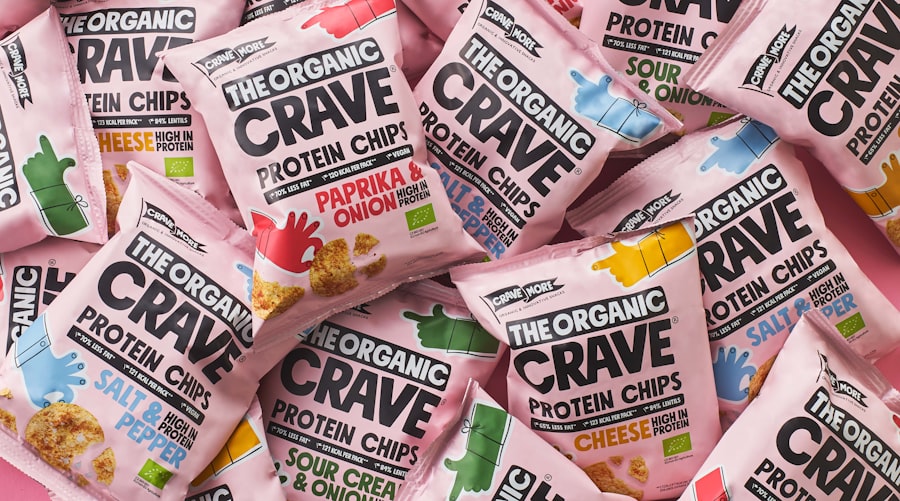
While a high-protein diet offers numerous benefits, it’s essential to be aware of potential risks and side effects associated with excessive protein intake. One concern is the strain that high protein consumption can place on the kidneys, especially if you have pre-existing kidney conditions.
Another consideration is the balance of nutrients in your diet. Focusing too heavily on protein may lead to neglecting other essential nutrients such as carbohydrates and fats. A well-rounded diet should include a variety of food groups to ensure you’re getting all necessary vitamins and minerals.
Additionally, some high-protein foods can be high in saturated fats or sodium, which may pose risks for heart health if consumed in excess. Therefore, it’s vital to choose lean sources of protein and maintain a balanced approach to nutrition.
Balancing Protein with Other Nutrients in the Diet
Achieving a balanced diet is crucial for overall health, especially as you age. While protein is essential, it should not overshadow other vital nutrients such as carbohydrates, fats, vitamins, and minerals. Carbohydrates provide energy for daily activities and should be included in moderation through whole grains, fruits, and vegetables.
Healthy fats from sources like avocados, olive oil, and nuts are also important for brain health and hormone production. To create a balanced plate, aim for a variety of colors on your plate by including different fruits and vegetables alongside your protein source. This not only enhances the visual appeal of your meals but also ensures you’re getting a wide range of nutrients.
By focusing on balance rather than extremes in any one nutrient category, you can support your overall health while still meeting your protein needs.
Meal Planning Tips for Seniors on a High Protein Diet
Meal planning can be an effective strategy for ensuring you meet your protein goals while maintaining a balanced diet. Start by setting aside time each week to plan your meals and snacks. Consider incorporating a variety of protein sources throughout the week to keep things interesting and enjoyable.
For example, plan fish dishes on certain days while reserving others for poultry or plant-based proteins. Batch cooking can also be beneficial; prepare larger quantities of high-protein meals that can be stored in the refrigerator or freezer for later use. This not only saves time but also ensures that you have healthy options readily available when you’re short on time or energy.
Don’t forget to include snacks in your meal plan; having high-protein snacks on hand can help you meet your daily goals without feeling deprived.
Protein Supplements for Seniors
In some cases, it may be challenging to meet your protein needs through food alone. This is where protein supplements can play a role in your nutrition plan. Protein powders or shakes can be convenient options for those who struggle with appetite or have difficulty consuming enough food due to dental issues or digestive problems.
However, it’s essential to choose high-quality supplements that are low in added sugars and artificial ingredients. Before incorporating supplements into your diet, it’s advisable to consult with a healthcare professional or registered dietitian who can guide you on appropriate usage based on your individual needs. While supplements can be beneficial in certain situations, they should not replace whole food sources of protein but rather complement them.
The Role of Protein in Maintaining Muscle Mass and Strength in Seniors
One of the most critical roles of protein in senior nutrition is its contribution to maintaining muscle mass and strength. As mentioned earlier, sarcopenia is a common issue among older adults that leads to decreased muscle mass over time. Consuming adequate amounts of protein helps stimulate muscle protein synthesis—a process essential for building and repairing muscle tissue.
Incorporating resistance training exercises alongside a high-protein diet can further enhance muscle strength and function. Engaging in regular physical activity not only complements your dietary efforts but also promotes overall health by improving balance, coordination, and mobility. By prioritizing both nutrition and exercise, you can take proactive steps toward preserving muscle mass as you age.
Consultation with a Registered Dietitian for Personalized Nutrition Advice
Navigating dietary changes can be overwhelming at times; this is where consulting with a registered dietitian can be invaluable. A dietitian specializes in nutrition science and can provide personalized advice tailored to your specific needs and health goals. They can help assess your current dietary habits, identify areas for improvement, and create a customized meal plan that aligns with your lifestyle.
With their expertise, you can gain confidence in managing your nutrition effectively as you embrace this new chapter of life. In conclusion, understanding the importance of protein in senior nutrition is vital for maintaining health and vitality as you age.
By recognizing how protein needs change with age and embracing a balanced approach that includes various sources of protein along with other essential nutrients, you can enhance your quality of life significantly. Whether through meal planning or consulting with professionals for personalized advice, taking proactive steps toward optimizing your nutrition will serve you well in the years ahead.
A high-protein diet can be particularly beneficial for seniors over 60, as it helps maintain muscle mass and supports overall health. For more insights on nutrition tailored for older adults, you can check out this informative article on senior health at