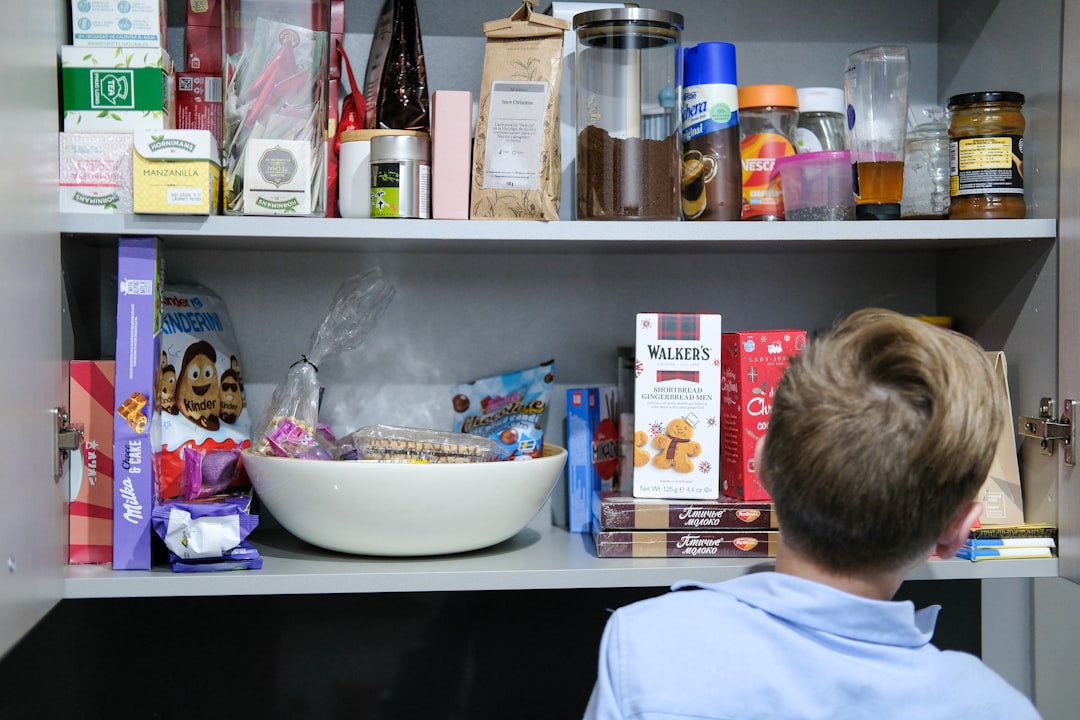
Your pantry is more than just a storage space; it’s a vital component of maintaining your well-being, particularly as you navigate your senior years. A well-organized pantry directly contributes to your health by ensuring you have access to nourishing foods and to your safety by minimizing risks of accidents and foodborne illnesses. Embracing this aspect of home management can significantly enhance your daily life, allowing you to focus on enjoying your independence and pursuing your interests.
Establishing a foundational supply of food is paramount for any senior. This isn’t about hoarding; it’s about having a consistent and accessible variety of items that support a healthy diet and provide peace of mind. When you are well-stocked, you are less likely to resort to less healthy options due to limited choices or face the inconvenience of frequent grocery trips, which can sometimes be challenging.
Essential Shelf-Stable Staples
Your pantry’s backbone consists of items that have a long shelf life and require minimal preparation. These staples can form the basis of numerous meals and snacks, providing essential nutrients.
Grains and Carbohydrates for Energy
- Pasta and Rice: Opt for whole wheat pasta and brown rice when possible for increased fiber content. These are versatile and can be paired with various sauces and proteins. Consider different shapes of pasta to add variety to your meals. Keep an eye on expiration dates, though these are generally quite long.
- Oats and Cereals: Rolled oats are excellent for breakfast and baking. Choose cereals that are low in sugar and fortified with vitamins and minerals. Instant oats can be a quick and easy option, but traditional rolled oats often offer more nutritional value and a more satisfying texture.
- Crackers and Rice Cakes: Whole grain crackers and plain rice cakes are good for snacks and can be topped with spreads or cheeses. Look for low-sodium varieties.
Canned Goods: Convenience and Nutrition
Canned foods offer remarkable longevity and preserve nutrients effectively. They are also incredibly convenient, requiring little to no preparation beyond opening.
Proteins in a Can
- Beans and Legumes: Canned beans (kidney, black, pinto, chickpeas) are excellent sources of protein, fiber, and iron. They are cost-effective and can be used in salads, soups, chilis, and dips. Rinse canned beans before use to reduce sodium content.
- Tuna, Salmon, and Sardines: These provide lean protein and healthy omega-3 fatty acids. Opt for varieties packed in water or olive oil, and choose low-sodium options. Canned sardines are particularly rich in calcium and vitamin D.
- Canned Meats: While not always the first choice for daily meals, canned chicken, turkey, or ham can be useful in emergencies or for quick meal additions.
Fruits and Vegetables in Cans
- Vegetables: Canned corn, peas, green beans, and carrots are readily available and can supplement fresh produce. Again, look for low-sodium or no-salt-added options, and rinse before consuming.
- Fruits: Canned fruits in their own juice or light syrup are a good alternative when fresh fruit isn’t accessible. Peaches, pears, and fruit cocktail are common choices. Drain the syrup and consider this a sometimes food.
Baking and Cooking Essentials
These ingredients are crucial for preparing a wider range of dishes and for any culinary endeavors.
- Flour: All-purpose flour is standard, but consider whole wheat or other specialty flours if you bake frequently. Store flour in airtight containers to prevent spoilage and keep pests away.
- Sugar and Sweeteners: Granulated sugar, brown sugar, and artificial sweeteners are common. Store them in sealed containers.
- Oils and Vinegars: Cooking oils like vegetable, canola, or olive oil are essential. Different vinegars (white, apple cider, balsamic) add flavor to dressings and marinades. Ensure oils are not rancid by smelling them periodically.
- Spices and Herbs: A well-stocked spice rack can elevate any meal. Ensure labels are legible and replace old spices that have lost their potency, typically after a year or two.
Maintaining a Healthy Hydration Strategy
Hydration is a cornerstone of health, and your pantry should reflect this. Beyond fresh beverages, consider shelf-stable options that ensure you always have fluids available.
Shelf-Stable Beverages
- Water: While you likely have tap water, having bottled water on hand can be useful for convenience or as a backup during water main issues.
- Juices: 100% fruit juices can be part of a balanced diet, but consume in moderation due to sugar content. Look for pure juices without added sugars.
- Broths and Stocks: Vegetable, chicken, or beef broths can be used as bases for soups, stews, and sauces, adding flavor and some hydration. Low-sodium options are preferable.
Effective pantry organization is crucial for senior health safety, as it helps prevent accidents and ensures easy access to essential items. A well-organized pantry can reduce the risk of falls and make meal preparation simpler for seniors. For more insights on how to create a safe and efficient pantry space, you can read a related article on senior health safety at Explore Senior Health.
Strategic Organization for Accessibility and Safety
Once you have your essential items, how you arrange them within your pantry becomes critical, especially for seniors. The goal is to make everything visible, reachable, and safe to access.
Maximizing Visibility: Seeing What You Have
A cluttered or dark pantry can lead to forgotten items, duplicate purchases, and potential accidents. Making everything visible is key to efficient use and waste reduction.
Lighting Considerations
- Adequate Lighting: If your pantry is naturally dark, consider installing additional lighting. Battery-operated LED lights that stick to shelves are a convenient and safe option, requiring no wiring. Ensure switches are easily accessible.
- Shelf Lighting: Small strip lights that illuminate shelves can significantly improve visibility.
Clear Storage Solutions
- Clear Bins and Containers: Using clear plastic bins or glass jars allows you to see the contents at a glance without having to pull everything out. This is particularly helpful for smaller items like packets of seasoning or nuts.
- Turntables (Lazy Susans): These are excellent for corners or deeper shelves, bringing items from the back to the front with a simple spin. They are ideal for spices, oils, condiments, or even canned goods.
Ergonomic Shelf Arrangement: Reaching Without Strain
The height and depth of shelves, and how items are placed on them, directly impact your ability to access them safely and comfortably.
Shelf Height and Reachability
- Prime Real Estate: Place frequently used items at eye level or within easy arm’s reach. This is typically between waist and shoulder height.
- Lower Shelves: Less frequently used items or heavier items can be stored on lower shelves. Ensure these are not so low that you have to bend awkwardly to reach them.
- Upper Shelves: Store lighter, less frequently used items on the highest shelves. Avoid storing anything heavy or that you need to frequently access up high. If you must store items on very high shelves, consider using a stable step stool with a handrail and never overreach.
Depth Management
- Front-to-Back Visibility: Avoid piling too many items in front of one another. Use bins or risers to keep items from getting lost in the back.
- FIFO (First-In, First-Out): Arrange items so that the oldest products are at the front and the newest at the back. This helps ensure you use items before they expire.
Securing Items: Preventing Spills and Falls
A disorganized pantry carries the risk of items falling, which can cause injury or damage. Strategic placement and securing are vital.
Heavy and Tall Item Placement
- Bottom Shelf Priority: Heavy items like large bags of flour, sugar, or multiple cans should be stored on the lowest shelves to minimize the risk of falling and injury.
- Stable Foundations: Ensure taller items are placed in a way that they are stable and not prone to tipping over. Consider using shelf liners that offer some grip.
Non-Slip Solutions
- Shelf Liners: Non-slip shelf liners can prevent items from sliding, especially on angled shelves or during minor tremors. They also make cleaning spills easier.
- Dividers: Use shelf dividers to keep stacks of items (like cans or boxes) from toppling over.
Food Safety in Your Senior Pantry: Preventing Contamination
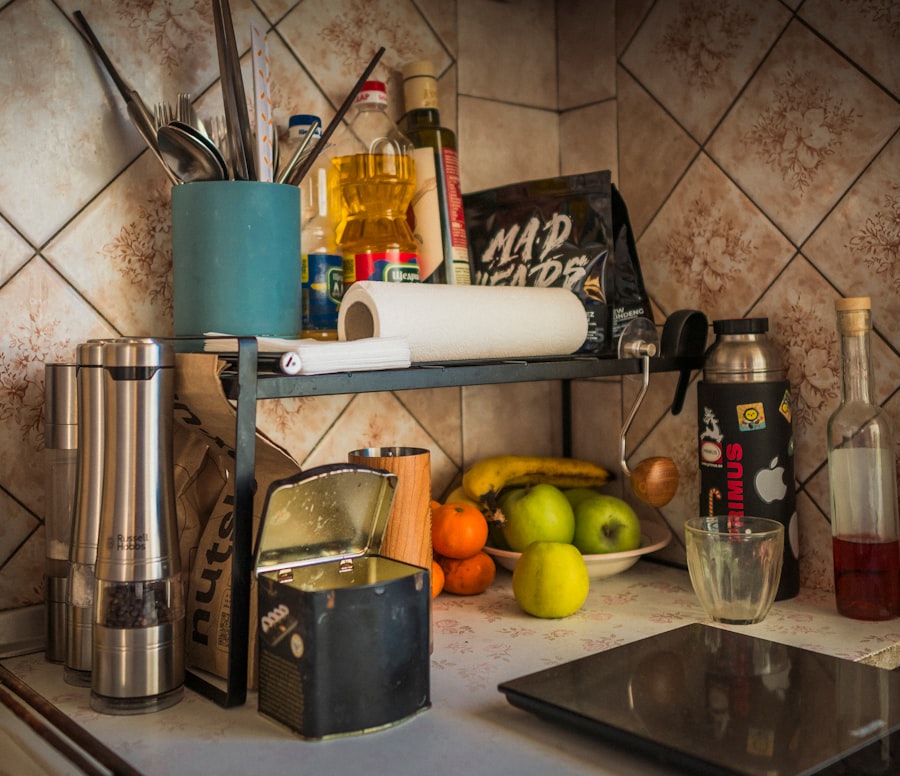
Beyond organization, diligent attention to food safety is critical in your pantry to prevent foodborne illnesses, which can have more severe consequences for seniors.
Understanding Expiration Dates
Navigating “best by,” “sell by,” and “use by” dates is crucial for food safety and minimizing waste.
Decoding Date Labels
- “Best By” / “Best if Used By”: This indicates when a product is expected to have the best flavor or quality. It is not a safety date. Many foods are still safe to eat after this date, though their quality might decline.
- “Sell By”: This date is for the retailer, indicating when the product should be sold to ensure freshness. It’s not a safety date for consumers.
- “Use By”: This is generally the most important date to follow for perishable items. It indicates the last recommended day for peak quality and safety. For hazardous foods, it is a safety recommendation.
Practical Expiration Date Management
- Regular Panning: Make it a habit to periodically review expiration dates on items in your pantry. Designate a specific time each month for this task.
- Donation or Disposal: Items that are past their “use by” date, or are questionable in appearance or smell, should be safely disposed of. Items that are approaching their “best by” date but are still good can be donated if they are unopened and not expired.
Proper Storage Techniques for Optimal Freshness
How you store your pantry items directly impacts their shelf life and safety.
Airtight Containers: The Best Defense
- Preventing Spoilage: Store dry goods such as flour, sugar, rice, pasta, cereals, and crackers in airtight containers made of glass, metal, or sturdy plastic. This protects them from moisture, pests, and lingering odors.
- Maintaining Quality: Airtight containers help maintain the freshness and prevent staleness of baked goods and dry ingredients.
Temperature and Humidity Control
- Cool and Dry Environment: Your pantry should be a cool, dry, and dark place. Avoid storing pantry items near heat sources like ovens, stovetops, or direct sunlight, as heat can accelerate spoilage.
- Humidity Concerns: High humidity can lead to mold growth and spoilage. If your pantry is prone to humidity, consider using a dehumidifier or moisture-absorbing packets.
Pest Prevention: A Constant Vigilance
Pests are not just a nuisance; they pose significant health risks by contaminating food.
Entry Point Control
- Seal Cracks and Crevices: Inspect your pantry regularly for any cracks or openings in walls, floors, or around pipes, and seal them to prevent entry.
- Secure Doors and Windows: Ensure pantry doors and any windows are kept shut and properly sealed.
Maintaining a Clean Environment
- Regular Cleaning: Clean up spills immediately. Wipe down shelves and the floor of your pantry regularly to remove crumbs and food residues that attract pests.
- Proper Disposal of Waste: Ensure trash cans are kept clean and their lids are secure, especially if they are located inside or near your pantry.
Emergency Preparedness: A Well-Stocked Pantry as Your Safety Net
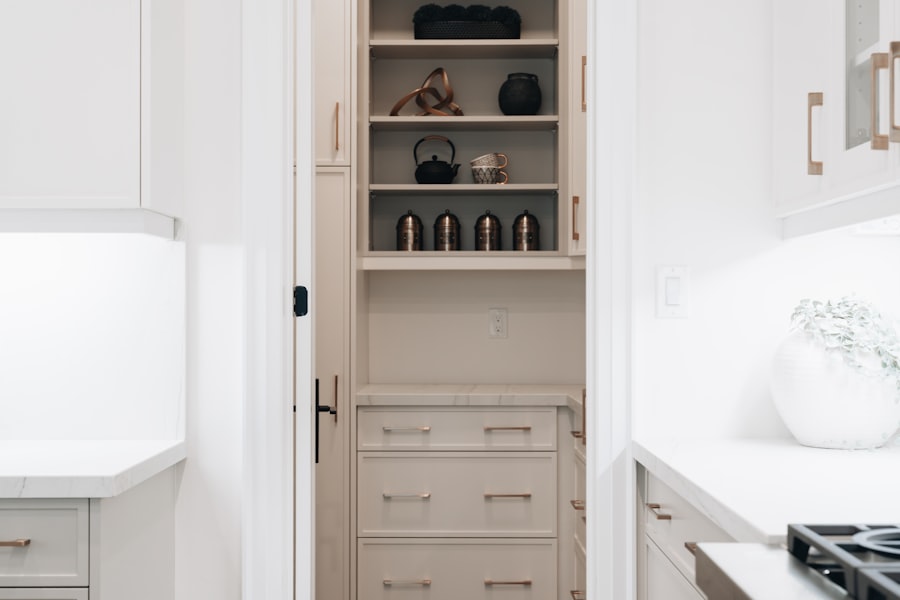
In times of emergency, whether it’s a power outage, natural disaster, or unexpected illness, a well-prepared pantry becomes your indispensable safety net, ensuring you have access to nourishment and to aid in independence.
Essential Emergency Supplies
Beyond regular food items, certain supplies are crucial for unexpected events.
Non-Perishable Meal Options
- Ready-to-Eat Meals: Include items that require no cooking or minimal heating, such as canned soups, stews, chili, and fully cooked rice or pasta meals.
- High-Energy Snacks: Pack granola bars, nuts, dried fruit, and fruit leathers for quick energy boosts.
Water and Essential Drinks
- Ample Water Supply: Aim to have at least one gallon of water per person per day for several days. This covers drinking and sanitation.
- Juices and Broths: Packaged juices and shelf-stable broths can provide hydration and some variation in fluids.
Tools and Resources for Difficult Times
Having the right tools can make managing an emergency significantly easier.
Essential Utensils and Equipment
- Manual Can Opener: A reliable manual can opener is indispensable in case of power outages.
- Utensils and Plates: Keep a set of reusable or disposable utensils, plates, and cups readily accessible.
- Matches or Lighters: Store waterproof matches or reliable lighters for lighting candles or camping stoves if needed.
First-Aid and Comfort Items
- Basic First-Aid Kit: Ensure your pantry includes a well-stocked first-aid kit with bandages, antiseptic wipes, pain relievers, and any personal medications.
- Comfort Items: Consider including items that can provide comfort, such as books, games, or radios, to help pass the time during an extended emergency.
Planning and Rotation for Long-Term Readiness
Maintaining your emergency pantry requires a proactive approach.
Stock Rotation Strategy
- Regular Inventory Checks: Treat your emergency pantry like your regular pantry, but with a focus on longer-term storage. Check expiration dates regularly and rotate items to ensure they are fresh.
- Replenishment Schedule: Establish a schedule for replenishing items that have been used or have expired.
Communication and Evacuation Plans
- Emergency Contact List: Keep a printed list of emergency contacts, including family members, neighbors, and emergency services, in a visible place within your pantry.
- Evacuation Kit: Consider having a small grab-and-go evacuation kit near your pantry, containing essential documents, medications, and small amounts of food and water for immediate evacuation.
Effective pantry organization is crucial for senior health safety, as it helps prevent accidents and ensures easy access to essential items. A well-organized pantry can minimize the risk of falls and make meal preparation more efficient, which is particularly important for maintaining a balanced diet. For more insights on how to create a safe and accessible kitchen environment for seniors, you can check out this informative article on senior health and safety. By implementing these strategies, caregivers can significantly enhance the quality of life for older adults.
Beyond the Physical Space: The Mental and Emotional Benefits of an Organized Pantry
| Metrics | Data |
|---|---|
| Number of expired items | 25 |
| Number of non-perishable items | 50 |
| Number of accessible shelves | 3 |
| Number of items at eye level | 15 |
The impact of an organized pantry extends far beyond the tangible benefits to your health and safety. It can contribute to your overall sense of well-being and independence.
Reducing Cognitive Load and Stress
A chaotic pantry can be a source of everyday frustration and mental clutter. The act of organizing and maintaining order can alleviate this.
Streamlined Meal Planning
- Visible Inventory: When you can easily see everything you have, meal planning becomes a more intuitive and less stressful process. You can quickly identify ingredients you have on hand and build meals around them.
- Reduced Decision Fatigue: Having a well-organized pantry eliminates the mental energy spent searching for items or trying to figure out what you might be missing.
Minimized Grocery Shopping Stress
- Preventing Last-Minute Runs: A well-stocked pantry means fewer emergency grocery runs, which can be particularly taxing. You can shop with a plan rather than out of necessity.
- Budget Control: Knowing what you have helps you avoid impulse purchases and buy only what you truly need, contributing to better budget management.
Fostering Independence and Self-Reliance
The ability to manage your own kitchen and food supply is a significant aspect of maintaining independence.
Empowering Self-Sufficiency
- Control Over Your Diet: An organized pantry allows you the control to consistently prepare healthy meals for yourself, supporting your dietary needs and preferences.
- Reduced Reliance on Others: When you can easily access and manage your food, you are less reliant on others for grocery shopping or meal preparation, enhancing your sense of autonomy.
A Sense of Order and Accomplishment
- Tangible Results: The process of organizing and the ongoing maintenance of a tidy pantry provide a sense of accomplishment and control over your environment.
- Calm and Predictability: In a world that can sometimes feel unpredictable, the order and predictability of an organized pantry can contribute to a sense of calm and stability in your daily life.
By investing time and effort into organizing your pantry, you are not just arranging cans and boxes; you are cultivating a space that actively supports your health, enhances your safety, and bolsters your independence, allowing you to live more fully and confidently.
FAQs
What are the benefits of organizing the pantry for senior health safety?
Organizing the pantry can help seniors easily access nutritious foods, reduce the risk of falls or accidents, and promote better meal planning and portion control.
What are some tips for organizing the pantry to promote senior health safety?
Some tips include keeping frequently used items at eye level, using clear containers for easy visibility, labeling shelves and containers, and regularly checking for expired or spoiled foods.
How can a well-organized pantry contribute to better nutrition for seniors?
A well-organized pantry can help seniors identify and access healthy food options, encourage meal preparation and cooking, and reduce the reliance on processed or unhealthy convenience foods.
What are some common pantry hazards for seniors and how can they be addressed?
Common pantry hazards for seniors include cluttered or disorganized shelves, expired foods, and difficult-to-reach items. These can be addressed by decluttering, using storage solutions, and regularly checking for expired items.
What are some resources or tools that can help seniors with pantry organization for health safety?
Seniors can benefit from using tools such as reachers or grabbers to access items on high shelves, pantry organization kits or containers, and resources from senior health organizations or nutritionists for guidance on healthy pantry staples.